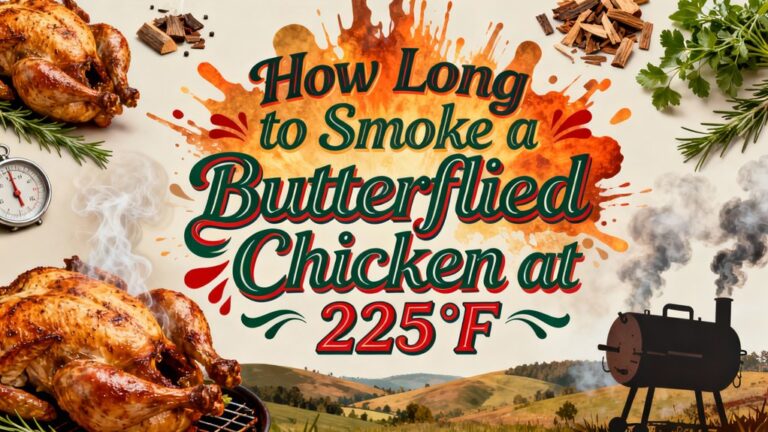

You’ll need 2.5 to 5 hours to smoke a whole chicken at 225°F, depending on its weight and your temperature strategy. Chickens under 4 lbs take about 1 hour 45 minutes to 2.5 hours, while 4-5 lb birds need 3-4.5 hours. Follow the reliable 15-20 minutes per pound guideline for consistent results. Remember to measure internal temperature at the thickest part of the thigh—you’re aiming for 165°F. There’s definitely more to master beyond timing alone.
Understanding the Basic Timeline
Smoking a whole chicken isn’t a set-it-and-forget-it process—you’ll need to manage temperature shifts and monitor internal temperatures to nail the timing. You’re looking at 2.5 to 5 hours total, depending on your bird’s size and your temperature strategy.
Start with preparation tips: plan for a 1-hour initial smoking phase at 225°F to build that smoky foundation. Then bump your smoker to 275°F, eventually reaching 350-375°F for crisping. Your monitoring methods matter tremendously here. Track your internal temperature religiously, pulling the chicken at 130°F before the heat increase, then finishing when your breast hits 165°F and thigh reaches 175°F. Always prioritize temperature over time for consistently juicy results. Allowing the chicken to rest after smoking helps redistribute juices before carving. The result will be juicy and delicious meat that can be enjoyed on its own or repurposed into other dishes. For best results, select a roaster chicken around 5 pounds as larger birds will require significantly longer cooking times. Consider using wood pellets such as apple or cherry to enhance the smoky flavor profile of your chicken. To ensure even cooking throughout the bird, you can try spatchcocking the chicken before placing it on the smoker. If you prefer smoking at a higher temperature, expect roughly 1 hour per pound at 250°F for your total cook time. Using a probe thermometer ensures you achieve accurate temperature readings throughout the cooking process.
Weight-Based Smoking Duration
Because your chicken’s size dramatically affects cook time, you’ll need to adjust your approach based on what you’re working with. For birds under 4 pounds, plan on 1 hour 45 minutes to 2.5-3 hours at 225°F. Medium chickens weighing 4-5 pounds require 3-4.5 hours using the 35-minutes-per-pound rule. Larger birds exceeding 5 pounds demand up to 5 hours or more.
The 15-20 minutes per pound guideline yields consistent results across weight ranges. However, reverse searing techniques can accelerate final cooking stages while maintaining quality. Smoke absorption impacts your bird’s flavor development, so don’t rush the process. Always verify doneness by checking internal temperatures at 165°F for both breast and thigh, regardless of projected timing. For maximum flavor enhancement, consider dry brining overnight before smoking to ensure your chicken develops the best possible taste profile. Using a leave-in probe thermometer allows you to monitor internal temperature throughout the cook without opening the smoker door. Adding a water pan to your smoker helps maintain moisture and enhances smoke flavor throughout the cooking process. After smoking, resting the chicken helps juices redistribute for a tender result. If you want crispier skin, consider finishing your chicken at a higher temperature of 375-425°F after the initial smoke period. For best results, use mild fruitwoods like apple or cherry to complement the poultry’s natural flavors without overpowering the meat. For even more tender results, some pitmasters continue cooking until the thigh meat reaches 175-180°F internal temperature, allowing connective tissues to fully break down. Smoker fluctuations require flexibility—use your thermometer as your guide, not just the clock.
Key Factors That Influence Cook Time
Why does one smoker produce a perfectly bronzed bird in 3.5 hours while another needs nearly 5? The answer lies in several interconnected variables you’ll need to manage.
Your smoker’s heat retention levels dramatically impact cooking speed—better-insulated units cook faster than poorly insulated ones. Environmental conditions matter equally; cold temperatures and wind can add 10-30 minutes, while high humidity delays skin crisping.
Your preparation method shapes timing too. Brining extends cook time by 30-45 minutes as moisture evaporates, while spatchcocking reduces it considerably. Air drying the chicken uncovered in the refrigerator for 2-8 hours before smoking further enhances skin texture and smoke absorption. Maintaining a consistent 350 degrees Fahrenheit ensures your skin develops that desirable crispy texture rather than becoming tough and chewy. Vapor release management through vent settings proves critical during the first half of cooking—widening vents releases moisture that’d otherwise slow browning.
Finally, your setup choice affects results. Breast-down placement channels juices effectively, whereas foil pan cooking yields wetter meat without browning. The low-and-slow method allows fat and connective tissues to break down gradually, keeping the meat exceptionally moist and tender. Wood choices such as hickory or pecan can also influence the depth of flavor your smoked chicken develops throughout the cooking process. Flavorful rubs applied before smoking create a delicious crust that complements the natural taste of the poultry. Maintaining a steady smoker temperature throughout the cooking process ensures consistent heat distribution and prevents fluctuations that could affect the final result. Regardless of your method, always verify doneness by checking that the thickest part of the breast reaches an internal temperature of 165°F to 170°F using a meat thermometer.

1. WIDE COMPATIBILITY Custom-designed adapter mount perfectly compatible with ThermoWorks Billows and Chefs Temp Breezo temperature control fans, ensuring a seamless fit for the Oklahoma Joe Bronco Drum Smoker air intake pipe.

Precise Temperature Control: Automatically regulates airflow to maintain consistent ambient temperatures in your smoker or grill, eliminating manual vent adjustments for perfect cooking results every time.

Package Includes: You will receive 4 packs of BBQ smoker air vents in the package for your daily use and replacement
Temperature Targets for Food Safety
All that attention to temperature management during the smoking process matters little if you’re not hitting the right internal temperature for food safety. Your maximum safe internal temperature goal is 165°F, which you’ll measure in the thickest part of the thigh using a meat thermometer. This temperature instantly destroys Salmonella bacteria, ensuring your chicken’s safe to eat. Don’t confuse this with minimum safe internal temperature—you’re not aiming for a lower threshold. The 165°F standard applies uniformly across all poultry cuts and whole birds. Proper thermometer placement is critical; insert the probe deep into the thigh without touching bone. Once your smoked chicken reaches 165°F, you’ve achieved foolproof safety regardless of smoking duration or external temperature fluctuations. Understanding the danger zone for bacterial growth between 40°F and 140°F helps explain why precise temperature control during smoking is essential for preventing harmful bacteria from multiplying. Lower temperatures can achieve the same bacterial reduction as 165°F if the chicken is held for sufficient time, making precise temperature and time management crucial factors in food safety. Smoking at 225°F produces less carcinogen formation compared to high-heat grilling methods, as the lower cooking temperature reduces the creation of harmful compounds like HCAs and PAHs. After reaching the target temperature, let the chicken rest for 15 to 20 minutes before carving to allow the juices to redistribute throughout the meat. Maintaining a steady smoker temperature ensures consistent cooking and optimal moisture retention throughout the smoking process. If you’re planning to share your smoked chicken with pets, be aware that while plain cooked turkey can be healthy for dogs, smoked poultry’s high sodium and preservatives make it unsuitable for canine consumption.
Techniques for Achieving Crispy Skin
While hitting that 165°F internal temperature guarantees your chicken’s safe to eat, you’ll want crispy, golden skin that crackles when you bite into it—and that’s where technique matters most. Start with dry heat techniques by thoroughly patting your chicken dry with paper towels, then coat it with olive oil or cooking spray. This preps your skin for maximum crisping. Next, apply your dry rub seasoning—about one teaspoon of salt per pound—ensuring even coverage. For radiant heat approaches, finish at 300-350°F to render skin fat effectively, then blast it over high heat or under the broiler for final browning. Skip spritzing entirely; moisture ruins your crispy exterior. Position legs toward your heat source and rotate after ninety minutes for even results. A vertical chicken grilling stand can help you achieve that golden-brown, crisp-skin rotisserie look while smoking. Consider dry brining overnight with Diamond Crystal kosher salt to draw out internal moisture, which enhances the skin’s ability to crisp during the final high-heat phase. Just as salting works to remove excess moisture from eggplant before grilling, this same principle applies to creating perfectly crispy chicken skin. Just as with searing a steak, using oils with high smoke points prevents burning and helps achieve that perfectly browned, crispy exterior. For the best results, choose refined avocado oil or peanut oil, which can withstand the high temperatures needed for achieving that perfectly crisped exterior without breaking down. The hot metal grate transfers heat through direct conduction to create those coveted sear marks and a beautifully crusted exterior. Once you’ve finished smoking, remember to safely extinguish your charcoal by closing all vents completely to cut off oxygen supply, allowing the coals to cool naturally.

Graza Frizzle Oil Made from 100% Olives: A neutral-flavored, high heat cooking oil made from 100% peak harvest olives. With a smoke point of up to 450 degrees, Frizzle is your high-heat kitchen hero. 1 bottle/750ml.

Light Buttery Flavor That Elevates Every Meal: Algae Cooking Club Chef-Grade Algae Oil enhances every dish with subtle richness. Its neutral profile makes it ideal for searing, baking, and dressings, transforming everyday meals into gourmet experiences.

Light Buttery Flavor That Elevates Every Meal: Algae Cooking Club Chef-Grade Algae Oil enhances every dish with subtle richness. Its neutral profile makes it ideal for searing, baking, and dressings, transforming everyday meals into gourmet experiences.
Preparation Steps Before Smoking
Before you fire up your smoker, proper preparation makes the difference between a mediocre bird and a showstopper. Start by thawing your chicken completely in the refrigerator—never partial thaw—and remove all giblets and packaging immediately.
Next, consider brining process considerations. Submerge your bird in a salt-sugar brine for 4-24 hours to enhance moisture and flavor. A simple mixture of water, kosher salt, and brown sugar works perfectly. The USDA advises against rinsing chicken before smoking to prevent cross-contamination.
After brining, pat your chicken completely dry with paper towels. This step’s vital for crispy skin. Apply drying and oiling techniques by coating the entire bird evenly with olive or neutral oil on both sides. For best results, insert meat thermometer into the deepest part of the chicken to monitor internal temperature during the smoking process.
Finally, season generously with your preferred rub—herb-garlic, chipotle, or Moroccan spice all work well. Stuff the cavity with aromatics like lemon, onion, and thyme, then tie the legs with twine. Choose mild wood such as apple, cherry, or pecan for a balanced smoky flavor that won’t overpower the poultry. Before placing your chicken on the grates, inspect them for rust buildup and clean thoroughly with a grill brush to ensure sanitary cooking conditions and prevent metallic off-flavors. Avoid lining grill grates with aluminum foil, as it restricts airflow and heat distribution, leading to uneven cooking. If you haven’t already, ensure your electric smoker is properly maintained by removing grease drip pan residue from previous sessions to prevent flare-ups and unwanted flavors. Keep a Class B extinguisher stationed within 30 feet of your smoker to safely handle any propane leaks or grease flare-ups that may occur during the smoking process. You’re ready to smoke.

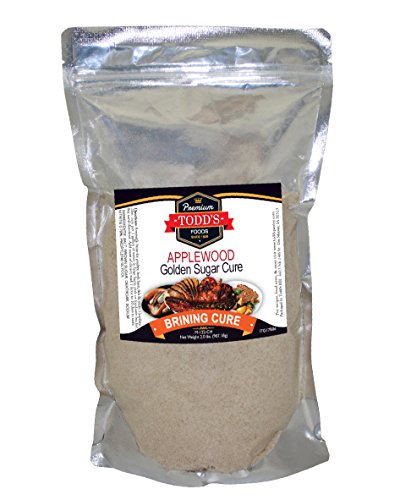
Try Applewood Sugar Cure for a Smokey and Fruity Flavor!

SWEET & SAVORY BROWN SUGAR Rich brown sugar blend for smoked fish, chicken, turkey and pork with exceptional moisture and flavor.
Monitoring Your Chicken During the Cook
Smoking a whole chicken’s success hinges on vigilant temperature monitoring throughout the cook. You’ll want to use a digital probe thermometer for continuous breast monitoring, ensuring accurate using probe placement by inserting it diagonally into the thickest part while avoiding bone contact.
Watch for monitoring color changes in the skin—rubbery texture at low heat signals you need to increase temperature. Around 130-140°F internal temperature, apply oil or sauce for even coloring, then baste every 30 minutes thereafter. The dry brine technique helps achieve crisp skin even at low smoking temperatures, contributing to better texture and appearance throughout the cooking process.
Track your bird’s progress via probe rather than time alone, since size variations remarkably impact cooking duration. Check both breast and thigh temperatures: aim for 160-165°F in the breast and 165-175°F in the thigh. This dual-check approach prevents overcooking dark meat while ensuring food safety. Using a remote temperature probe minimizes the need to open the smoker, helping maintain consistent heat and smoke levels throughout the cooking process. Once your chicken reaches the target internal temperature of 165°F, remove it from the smoker and let it rest for several minutes to allow juices to redistribute. Consider using a reliable meat thermometer instead of relying solely on cooking time to determine doneness, as this ensures both safety and optimal texture. Resting after smoking for about 10 minutes allows the juices to redistribute throughout the meat, ensuring maximum tenderness and flavor. If you have leftovers, store them in the refrigerator where they’ll remain safe for three to four days when kept at or below 40°F.
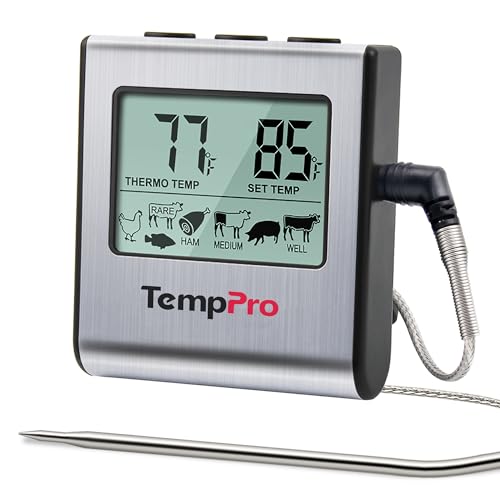
Cook mode with USDA preset temperature settings: TempPro cooking thermometer ideal for meat, oven, smoker or stove top; Programmable alert with preset temperatures for specific foods recommended by USDA; All of the preset temps can be reset to your desired tastes

Fast & Accurate: Get precise readings in just 1 second with ±0.9°F accuracy. NSF Certified for trusted food safety, this digital food thermometer features a 4.3 inches food-grade stainless steel meat probe, perfect for grilling, frying, baking, making candy and more

BBQ HI/LOW temp range alarm: Set your desired food temp and HI/LOW temp range for your grill or smoker to know when to add more fuel smoker thermometer will flash and beep to remind you if the temperature ever goes out your set range; HI/LOW temp range alarm is specifically designed for usage with smokers, grills and BBQs
Resting and Serving Your Smoked Chicken
Once your chicken hits that target temperature, you’re not quite done—the real magic happens during the rest period. Tent your chicken loosely with aluminum foil for 15-20 minutes, allowing juices redistribution throughout the meat while retaining heat. This critical step safeguards against juice loss when you carve.
After resting, your chicken’s ready for carving tips: slice the breast into portions, separate the legs and thighs, and remove wings. The carryover cooking during rest guarantees your breast reaches safe temperatures while maintaining juiciness, and dark meat becomes perfectly tender. A digital thermometer can verify the internal temperature has reached 165°F throughout all sections before serving. The ThermoWorks Thermapen ONE delivers ±0.5°F accuracy with 1-second read times, making it ideal for quickly checking multiple sections of your chicken. For hands-free temperature monitoring throughout the entire smoking process, wireless meat thermometers with app connectivity provide grilling precision without constant checking.
Serve your smoked chicken immediately with your favorite sauces and sides. You can also use sliced portions for wraps or salads. For optimal presentation, slice the chicken diagonally on a bias to showcase the tender meat. Multi-probe Wi-Fi systems allow you to remotely monitor different sections of your chicken simultaneously, ensuring each part reaches the proper temperature. Models using radio frequencies like 433 or 900 MHz offer superior through-house range compared to Bluetooth-only options. Don’t skip the resting phase—it’s what transforms a good smoked chicken into an exceptional one.
Troubleshooting Common Smoking Issues
Even with careful attention to temperature and timing, you’ll occasionally encounter problems that prevent your smoked chicken from reaching its full potential. Rubbery skin results from low-temperature smoking without a high-heat finish—boost to 350–375°F in the final stage for crispness. Dry breast meat indicates overcooking past 157°F; use a probe alarm to prevent this. Undercooked dark meat means you’ve pulled too early—thighs need 180°F while breasts finish at 157°F. Uneven cooking stems from poor airflow, especially in an overcrowded chamber. Spatchcock your chicken to flatten it for even heating. Finally, guarantee even cooking by avoiding the beer can method, which hinders heat circulation. Monitor your smoker’s temperature control meticulously throughout the process. Consider using fruit woods like apple when smoking your first chicken to achieve lighter smoke flavors and avoid overpowering the meat. If you prefer a stronger, bacon-like flavor profile, hickory works well for chicken because it delivers sweet notes without overwhelming the poultry. Avoid softwoods like pine during the smoking process, as they leave bitter residue that ruins the delicate flavor of poultry. Using a meat thermometer is the best way to ensure chicken is cooked properly and to verify that all pieces have reached their target temperatures. For optimal smoke production, add 1/2 to 1 cup of hickory chips per hour to maintain consistent flavor throughout the cooking process. Select 100% natural hardwood pellets without fillers or additives to ensure clean-burning performance and bold smoky flavors. Top brands like CookinPellets 100% Hickory deliver high BTU output and minimal ash production for consistent temperature control throughout your smoke.

Large Display: Features a 2 3/8 inches large face for clear visibility; Stem length of 2 7/8 inches enhances accessibility; Enables easy classification of food temperatures in various cooking environments
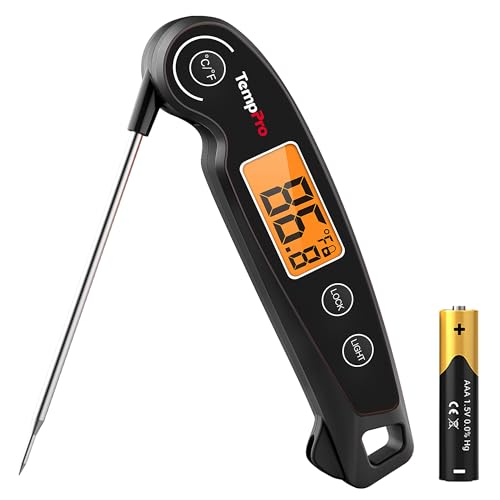
Quick and Accurate: Measures with an accuracy of ±0.9°F in just 1 second. Wide measuring range (-58°F to 572°F) of the instant read thermometer is suitable for diverse purposes such as grilling, BBQ, and candy making