You’ll start by unplugging your smoker and letting it cool below 115°F. Remove all racks, drip deflectors, and support brackets, then soak them in warm soapy water before scrubbing with steel wool. Next, spray your interior walls with a 50/50 apple cider vinegar and hot water mixture, let it sit, then scrub thoroughly. Apply a baking soda paste to tackle grease buildup, rinse completely, and dry everything with a microfiber cloth. Follow this systematic approach and you’ll reveal the complete maintenance strategy that keeps your smoker functioning at its best.
Getting Your Smoker Ready for Cleaning
Before you begin cleaning your electric smoker, you’ll need to take several preparatory steps to confirm your safety and protect your equipment. Start with power disconnect procedures by unplugging the smoker from the electrical outlet to eliminate electrical hazards. Next, implement temperature monitoring precautions by allowing the smoker to cool completely until the internal temperature drops below 115°F. This verifies safe handling and reduces burn-related risks.
While cooling, assemble your cleaning supplies: protective nitrile gloves, steel wool or Scotch-brite pads, a spray bottle, paper towels, and your chosen cleaning solution. A 50/50 apple cider vinegar and water mixture serves as an effective non-chemical cleaning option for your smoker’s interior. Set up your workspace in a well-ventilated area with adequate lighting. Position a non-combustible disposal container nearby for ash containment. Remove the racks, rack supports, drip deflector, and other removable pieces from the smoker before beginning the cleaning process. Inspect and clean the interior surfaces to prevent residue from affecting your next smoking session. Regular cleaning and maintenance of drip pans and deflectors helps prevent grease buildup that can impact your smoker’s performance. Protecting your hands with protective gloves] during the cleaning process will shield your skin from harsh cleaning solutions and sharp edges. Finally, affirm access to fresh water for rinsing. These preparatory measures establish a safe, organized foundation for efficient cleaning, similar to how proper grill maintenance extends your equipment’s lifespan.
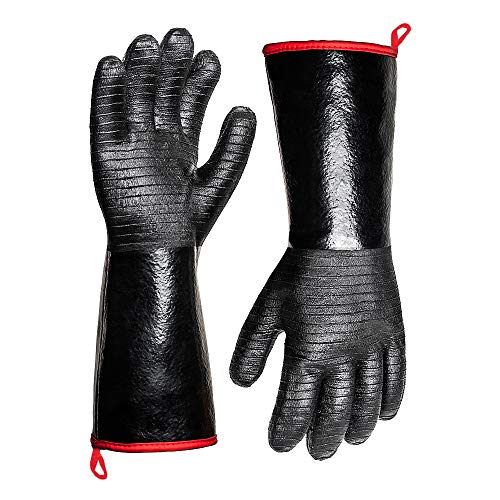
SAY GOODBYE TO BURNS! At 14” inches long, our BBQ gloves better protect fingers, hands and wrists from burns. And Our cooking gloves are heat resistant up to 932°F / 500°C .use this bbq accessories for your turkey fryer ,campfire,fireplace,charcoal,pit & barbecue gas grills as well

EXTREME HEAT RESISTANCE: BBQ gloves offer instant heat resistance up to 1472°F and can withstand direct contact with temperatures of 932°F for 15 seconds or more, ensuring reliable protection during high-temperature cooking

HEAT RESISTANT UP TO 220F - The Insulated BBQ Gloves heat resistant up to 220℉. With these gloves, you can easily grab hot food without burning your hands,keep your hands safe in grilling season.
Cleaning Removable Parts
Now that your smoker’s cooled completely, you’ll systematically remove and clean each removable component to guarantee ideal performance and prevent grease accumulation. Start by extracting the racks, soaking them in warm soapy water for thirty minutes if residue proves stubborn, then scrubbing with steel wool. Remove the drip tray, empty accumulated grease and ash, and clean thoroughly with warm soapy water. Extract the water pan, discard remaining water, and wash in mild dish soap solution. Pull out the wood chip tray, dispose of ash, and scrub with BBQ cleaner. Detach support brackets and remaining elements, using steel wool for hard deposits. Clean the wood chip loader frequently to remove ash buildup and ensure consistent smoke production. For stubborn grime on metal components, create a baking soda and vinegar paste to break down tough deposits before wiping clean. Avoid using abrasive brushes on metal surfaces to protect the smoker’s protective coating. Consider using nylon-bristle grill brushes instead of wire brushes to safely clean grates without risk of dangerous bristles contaminating your food. For added protection against corrosion, consider applying a protective oil layer to metal components after they’ve dried completely. Regular maintenance with mild detergents and careful handling will help ensure your smoker remains functional and hygienic before your next use. Maintaining racks through your regular cleaning schedule secures consistent smoker performance. Air dry all components completely before reinstallation. Residual grease buildup near these components can pose serious safety risks if left unchecked during storage.

NYLON BRISTLE GRILL BRUSH: Designed for cleaning cooled grill grates, the durable nylon bristles help scrub away residue after cooking, making this brush a practical tool for routine grill maintenance at home or outdoors.

MATERIAL: Emerald, grit-infused nylon bristles—5X thicker for safe, high-visibility cleaning
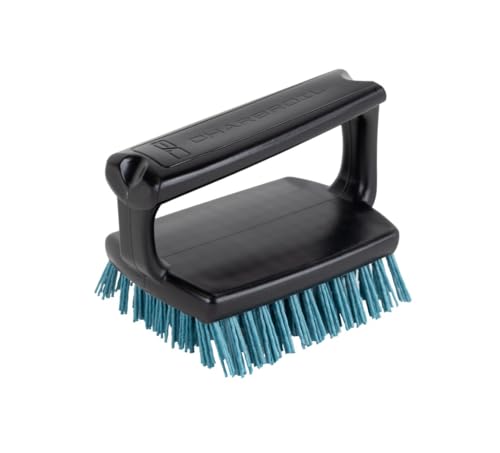
MATERIAL: Emerald, nylon bristles are 5X thicker for high visibility
Deep Cleaning the Interior
Since your smoker’s internal components require careful handling during deep cleaning, you’ll want to unplug the unit from the electrical outlet before proceeding. Allow the smoker to cool completely, then spray interior walls with a 50/50 hot water and apple cider vinegar mixture. Let this solution sit for several minutes to loosen stubborn deposits before scrubbing with steel wool or metal scrapers. Use soft damp sponges to wipe down sprayed surfaces, addressing smoke residue buildup without scratching the interior coating.
For grease accumulation, apply a baking soda and water paste to affected areas and let it sit before scrubbing. Remove the grease drip pan and interior trap for thorough rinsing. Use gentle tools in crevices to prevent interior damage. Smoke residue buildup on the inside walls is normal and called great seasoning. Regular deep cleaning of your smoker’s interior surfaces helps prevent buildup of grease, ash, and residue that can compromise performance. For optimal results, consider using specialized metal scrapers designed to effectively remove stubborn grime without causing damage to interior surfaces. For particularly stubborn residue on flat surfaces, pumice-based cleaning bricks offer an effective alternative that removes buildup without scratching protective coatings. To prevent water spots and streaks after cleaning, dry and buff interior surfaces with a microfiber cloth before reassembly. Consider using a grill brush designed for delicate interior surfaces to maintain consistent cleaning results. Like charcoal grills, air drying all components before reassembly ensures proper maintenance and prevents corrosion. Complete drying of all surfaces before storage guarantees rust prevention and maintains your smoker’s longevity.

🔥- Safely removes built-up residue, grease and grime.

Safer Than Grill Brushes – Grilling with a wire BBQ grill brush can be dangerous, as bristles may end up in your food, posing health risks. Nobody wants to worry about swallowing loose bristles. The Sage Owl BBQ grill scraper for outdoor grills is a bristle-free barbecue grill cleaner tool, ensuring every meal is safe and delicious.
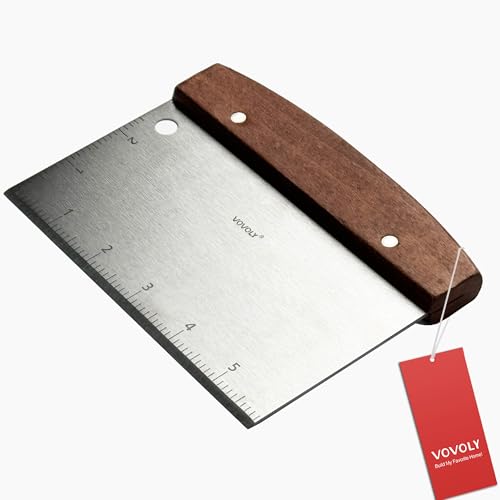
Thickened stainless steel - This bench scraper is made of thickened stainless steel, non-reactive, rust free, hygienic and durable. Heavy duty
Maintaining the Exterior and Trays
After you’ve addressed the interior, turn your attention to the exterior surfaces and removable components that accumulate smoke residue and grease buildup. Start by applying a damp cloth to remove dust, then use a 50/50 water and apple cider vinegar solution via spray bottle for even distribution. Steel wool scraping eliminates stubborn black deposits from exterior walls. For particularly stubborn carbonization buildup, consider using the chemical-free onion method to gently remove charred deposits before proceeding with other cleaning techniques. Establish a water pan cleaning schedule by removing the pan and drip tray, washing both with mild dish soap and warm water, then rinsing thoroughly. Prioritize drip tray debris disposal after each use to prevent grease accumulation. Air dry all components completely before reassembly to prevent rust and corrosion, ensuring the drain hole at the bottom remains unclogged for proper functionality. After drying, apply a light coat of oil to metal surfaces using high-temperature cooking oils to protect against rust formation and create a durable seasoning layer similar to cast iron maintenance. The glass door, if your smoker has one, can be cleaned using the same water and vinegar mixture for optimal clarity. For smokers no longer in use, consider environmentally conscious disposal methods such as recycling metal parts or donating usable components to local organizations. These systematic maintenance steps preserve your smoker’s exterior condition and functionality.
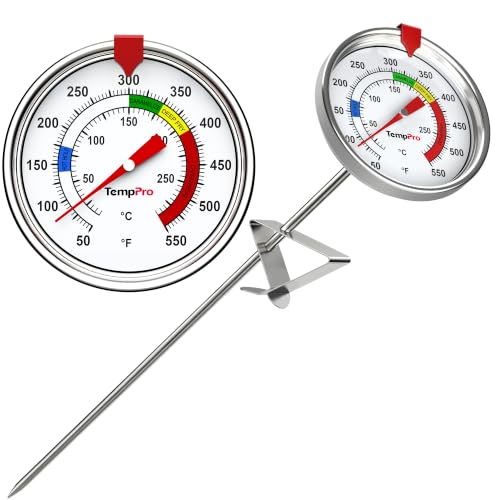
【9" Long Probe with Pot Clip】The frying thermometer for oil comes with a 9-inch probe and a secure pot clip, allowing it to be safely attached to cooking pots of different sizes, effectively protecting you from hot oil splatter
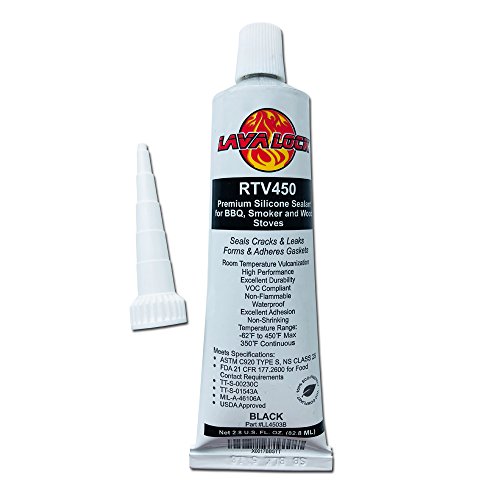
🔥 【FOOD CONTACT SAFE】 Meets Specs for and requirements for Food Contact Safe High, temp BBQ smoker grill & wood stove sealer
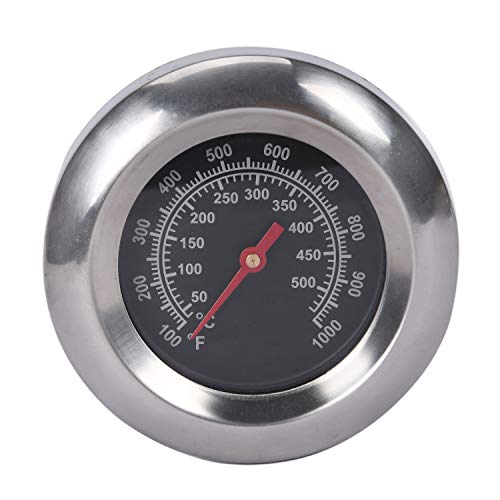
Wide temperature range: 100 F-1000 F/ 50 ℃- 500 ℃(Accurate Readings). Dimensions: 3" face, 2" stem, M10 nut (0.39" strew), Please check the dimensions of your grill before you order
Removing Rust and Stubborn Buildup
Once you’ve cleaned the exterior surfaces and removed grease buildup, you’ll likely encounter rust deposits that require more aggressive treatment. Start with mechanical scraping techniques using a flap disc on an angle grinder to remove large rust chunks and surface corrosion. Follow up with a wire drill brush to extract remaining rust from textured areas. However, be aware that wire brushes may not effectively reach into the porous texture of metal, requiring you to combine multiple methods for complete rust removal.
For persistent rust, employ vinegar-based rust treatments. Soak affected components with distilled white vinegar on paper towels for 30-60 minutes to dissolve oxidation. For deeper deposits, mix pure white vinegar with cornstarch to form a gel, apply it to problem areas, cover with plastic wrap, and let it sit for 12 hours. Rinsing thoroughly with water and allowing proper drying helps prevent future rust formation. Rinsing thoroughly with water and allowing proper drying prevents rust buildup recurrence over time. Rince thoroughly afterward. After cleaning, ensure you apply a thin layer of high-smoke point oil to create a protective barrier before heating. Once you’ve removed the rust completely, heat the smoker to 350°F and coat the interior with vegetable oil to season the surface and prevent future corrosion. Building a durable protective coating requires repeating the oil application and heating steps multiple times before use. Unlike charcoal grills that rely on radiation heat transfer, electric smokers require interior protection through proper oiling to maintain their cooking surfaces. Repeat treatments as needed until rust is completely eliminated before proceeding to seasoning and protection steps. For best results, consider regular cleaning and oiling as a preventative maintenance strategy to avoid rust buildup in the future.

One 67.6 fl oz bulk refill size bottle of Bertolli Non-GMO Certified Cooking Olive Oil

AC Legg Inc Custom Blended Seasonings presents Natural Smoke Flavoring

VALUE BUNDLE VARIETY PACK: Holy mackerel! The Fire & Smoke Society 18-Pack variety bundle is one massive grill seasoning set! Your one stop gift solution, for the grill maestro in your family be that (Dad or Mom). These bbq seasonings and rubs are all you need for smoking and grilling pork, chicken, beef, fish, steak, and veggies. This premium meat seasoning kit has every grill seasoning your Dad, Grandad, Step-Dad, Crawdad or Doodad could ever need. The perfect bbq accessories, birthday gifts for men, anniversary gifts for men, and dad gifts.
Caring for Your Meat Probe
Your meat probe deserves the same meticulous attention you’ve given the smoker’s interior, as proper maintenance directly impacts temperature accuracy and probe longevity. After each use, rinse the probe tip with warm water, then wipe the entire shaft with a damp cloth and kitchen degreaser. Use a scotch brite sponge on metal tips for ideal shine, followed by rubbing alcohol application for sanitation. Cleaning between different foods prevents cross-contamination and potential food-borne illness. For serious pitmasters, selecting a thermometer with ±0.5°F accuracy ensures your temperature readings remain reliable throughout the cooking process.
Proper probe storage requires completely drying your probe to prevent moisture damage. Store it in protective cases or probe keepers away from hot zones. Premium thermometers like the Thermapen ONE offer one-second readings and auto-rotating displays that make temperature monitoring more efficient during extended cooks. For extended cooks, consider wireless probes with apps that provide hands-off grilling precision without requiring constant manual monitoring. Unlike wire grill brushes that pose bristle ingestion hazards, quality probe equipment prioritizes both safety and accuracy. Never submerge the handle, as its electronics aren’t waterproof. When inserting, grip only the handle and avoid contact with bones or direct flames. Remove carefully by gripping the probe’s base to prevent bending.
Reassembling Your Smoker
Now that you’ve thoroughly cleaned and maintained every component—from the interior chambers to the meat probe—it’s time to reassemble your electric smoker with the same precision you’ve applied throughout the cleaning process.
Begin by replacing components methodically. Mount the bottom chamber assembly to the underside, then secure the smoker cabinet using six screws. Install the dampers inside the cabinet with spring washers, washers, nuts, and screws, guaranteeing proper tension. Insert the water pan before positioning cooking grids at your desired height.
Next, slide the grease tray into its brackets and insert the wood chip tray. Position cooking grid supports by aligning key holes to side studs, placing rack bends into supports first. Make sure to attach the pit-boss logo plate to the front of your smoker for a finished appearance. Consider using a heavy-duty cover to protect your smoker from the elements when not in use.
Finally, adjust dampers for optimum airflow control. Proper airflow management ensures your smoker operates efficiently and safely, allowing smoke to circulate evenly throughout the cooking chamber.
Seasoning and Storage Tips
Proper seasoning creates a protective polymerized coating that enhances your electric smoker’s rust resistance and operational longevity. You’ll build multiple seasoning layers by repeating the process three times, which noticeably improves protective quality. Run your smoker at 275°F for three hours, adding wood chips during the final 45 minutes to one hour. This initial burn-off eliminates factory chemicals while the smoke creates a protective film. The seasoning process bonds the oil to create a non-stick surface that aids in cooking performance. Oils with elevated smoke points allow the seasoning to polymerize into a durable, protective layer without burning. Like cast iron grill pans, electric smokers benefit from heat retention properties that enhance cooking performance and durability. Premium grill construction materials like 304 stainless steel also contribute to long-term durability and rust resistance in outdoor cooking equipment. Similar to searing meat over direct heat to develop flavor, proper seasoning creates essential protective qualities through controlled heat application.
For long-term storage preparation, apply a fresh oil coating before extended downtime and keep vents closed to minimize humidity exposure. Empty ash trays after every cook to prevent moisture retention. Weekly, wipe grease from interior walls to maintain your seasoning layer. If you detect rust or mold, perform a dry burn, clean with a steel brush, and apply vegetable oil before reheating. This seasoning process removes hazardous substances left over from the manufacturing process. High smoke point oils should always be used when applying protective coatings to ensure the seasoning process works effectively.