

You’ll transform your cast iron grates by heating them to 500-550°F for an hour, then scraping away debris and rust with steel wool. Choose high smoke-point oils like canola or grapeseed, then apply thin, even layers using a cloth or silicone brush. Heat at 400°F for 15 minutes with the lid closed, allowing the oil to polymerize completely. Build resilience through multiple cycles. There’s much more to master about maintaining that protective coating and avoiding common pitfalls that’ll compromise your seasoning.
Preparing Your Grates for Seasoning
Before you can season cast iron grill grates properly, you’ll need to prepare them thoroughly. Start by heating your grill to 500-550°F for at least one hour to burn off factory coatings. Scrape the grates vigorously to remove all debris, then wash them with mild soap and warm water. For rusted grates, use steel wool to scrub away corrosion completely.
Next, focus on moisture removal by rinsing thoroughly and drying with a towel immediately. Lay the grates out to air dry completely—water spots invite rust. During surface inspection, check that all edges and crevices are clean and dry. Consider using routine light cleaning after each use to prevent buildup and maintain your grates between deep cleaning sessions. For stubborn grime that resists scraping, a baking soda and vinegar paste can effectively break down tough residue while remaining safe for food preparation surfaces. You can also soak heavily rusted grates in vinegar to dissolve rust before scrubbing for more severe corrosion. After cleaning, applying a protective layer of cooking oil will build up over time once your grates are properly seasoned. Position your grates securely in the grill, wearing heat-resistant gloves for safe handling. This preparation guarantees optimal oil adhesion and seasoning accomplishment. Proper preparation prevents rust formation and ensures your non-stick surface will develop correctly during the seasoning process.
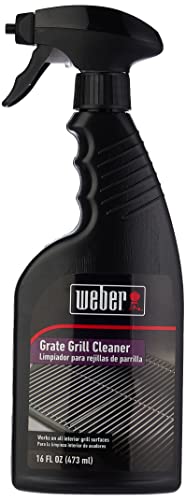
This 16 oz spray bottle of Weber Grill Grate Cleaner was engineered for use on cooking grate surfaces, including stainless steel and porcelain-enameled, cast-iron grates
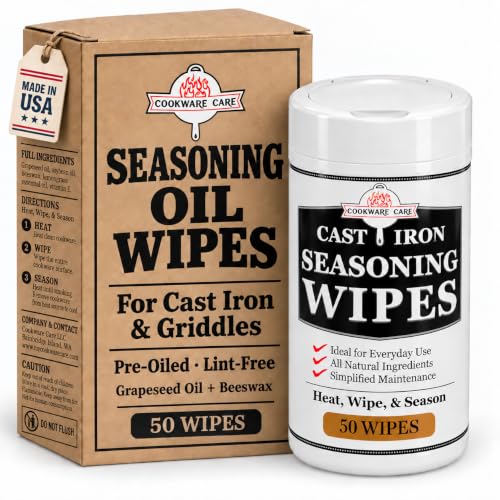
Clean, season, and protect your favorite cookware – from your Lodge cast iron skillet to your Blackstone flat top grill – with our 2025 Innovation Award-winning Seasoning Wipes. Each wipe delivers the perfect blend of grape seed oil, vegetable oil, and beeswax oils for the ideal cast iron conditioner and carbon steel seasoning, creating a durable, non-stick finish without the mess, waste, or guesswork.
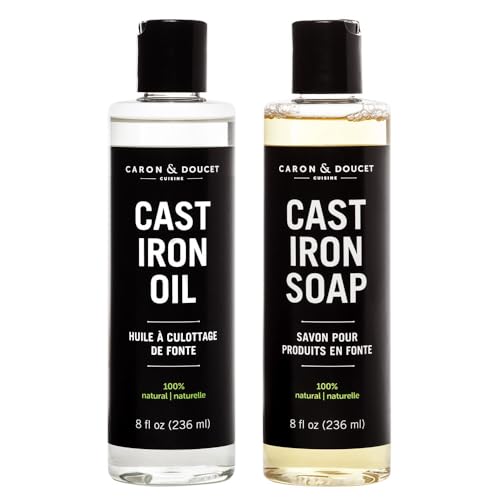
CLEANS CAST IRON | Includes our Cast Iron Soap unlike detergent based soaps, this soap is formulated with 100% natural plant-based oils & free of sulfates, phosphates, parabens & petrochemicals! Gentil on cast iron seasoning & on your hands!
Selecting the Right Oil for Your Grates
Now that your grates are clean and completely dry, you’re ready to choose an oil that’ll create a durable, non-stick seasoning.
Select oils with high smoke points—vegetable, canola, and grapeseed oils work excellently. Understanding fatty acid composition matters: unsaturated fats contain reactive double bonds that polymerize effectively when heated, creating that protective layer you want. Refined avocado, safflower, and sunflower oils are also excellent high-smoke-point options for cast iron seasoning.
For maximum durability, consider food-grade flaxseed oil, which produces an exceptionally hard coating. Flaxseed oil is recommended as the best option for creating the most resilient seasoning layer. Peanut and avocado oils serve as solid alternatives. If you’re willing to add subtle flavor, bacon fat provides seasoning properties while enhancing taste. Just as 100% natural hardwoods create superior smoke flavors in BBQ, pure oils without additives ensure your seasoning develops optimally. The recommended options for initial seasoning include vegetable oil, grapeseed oil, or bacon fat. Many experienced grillers prioritize flaxseed oil seasoning for achieving heirloom-quality performance on their cast iron.
Avoid oils with low smoke points; they’ll burn before polymerization occurs. Neutral flavor oils prevent off-tastes in your food. Just as matching wood choice to protein ensures optimal BBQ results, selecting the right oil viscosity for your grate thickness prevents uneven seasoning buildup. Pairing your oil selection with proper grate maintenance—similar to how wood selection impacts BBQ flavor—ensures consistent results across multiple cooking sessions. Your oil choice directly impacts coating quality and longevity, so prioritize high smoke points and unsaturated fat content for ideal results.

PURE, ORGANIC AND UNREFINED: Barlean's organic flax oil is cold pressed without the use of heat or solvents. Each drop is protected from damaging heat and light from seed to bottle, offering a potent and healthy balance of Omegas 3, 6, and 9 and a pleasant and mild nutty flavor.
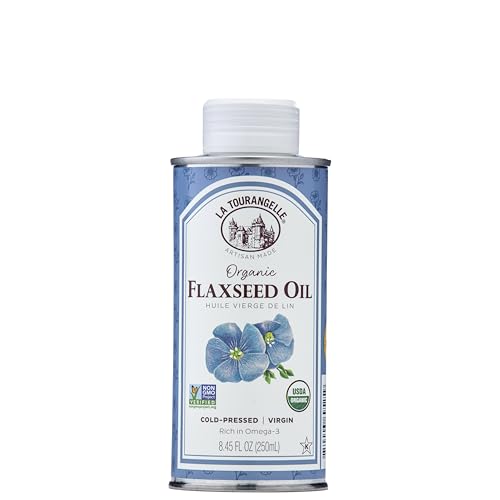
Organic Flaxseed Oil: This oil provides over 7 grams of plant based Omega-3, making it the ideal ingredient to add to your smoothies, oatmeal, or salad dressings.

Velona USDA Certified Organic Flaxseed Oil: 100% Pure and Natural Carrier Oil. Unrefined. Cold Pressed. Not Diluted, Non-GMO, No Additives, No Fragrance, Alcohol Free.
Applying Oil to Cast Iron Surfaces
Once you’ve selected your high-quality oil, proper application technique determines whether you’ll achieve a durable protective layer or an uneven, flare-prone mess. Start by preheating your grates to guarantee dryness, then apply oil using a paper towel or clean cloth for even distribution. Coat both surfaces completely, including crevices and spaces between grates. Use a generous but thin layer—excess oil pools and causes flare-ups during cooking. A silicone brush works well for thorough coverage on textured surfaces. Like Lodge’s pre-seasoned cast iron grill pans, properly seasoned grates benefit from even heating and consistent maintenance to ensure longevity. Cast iron grates excel at heat retention, enabling superior searing performance when properly maintained.
Your seasoning frequency depends on grate usage and storage requirements. Store oiled grates in a dry environment to prevent rust. Wipe away pooling oil before heating to maintain ideal protection without compromising performance. Allow the grill to burn until the oil begins to smoke for 15-30 minutes to complete the seasoning process. For best results, choose oils with a high flash point like those used in quality charcoal combustion to ensure your seasoning layer remains stable during high-heat grilling. To prevent streaks and water spots on your grill’s exterior, complement your cast iron maintenance with regular light cleaning of stainless steel components. Remember to apply oil generously to both sides of the grids for optimal seasoning results. High flash point oils like canola spray oil provide superior seasoning durability compared to standard cooking fats. This disciplined approach builds resilient seasoning layers that enhance your grill’s longevity and cooking quality.

Graza Frizzle Oil Made from 100% Olives: A neutral-flavored, high heat cooking oil made from 100% peak harvest olives. With a smoke point of up to 450 degrees, Frizzle is your high-heat kitchen hero. 1 bottle/750ml.

Light Buttery Flavor That Elevates Every Meal: Algae Cooking Club Chef-Grade Algae Oil enhances every dish with subtle richness. Its neutral profile makes it ideal for searing, baking, and dressings, transforming everyday meals into gourmet experiences.

Light Buttery Flavor That Elevates Every Meal: Algae Cooking Club Chef-Grade Algae Oil enhances every dish with subtle richness. Its neutral profile makes it ideal for searing, baking, and dressings, transforming everyday meals into gourmet experiences.
The Heating Process for Polymerization
The real magic happens when heat transforms your oiled grates into a durable, nonstick surface through polymerization. You’ll want to hit maximum temperature targets of 400°F on your grill burners, maintaining that heat for 15 minutes with the lid closed. This elevated temperature carbonizes the oil, creating a hard, glossy coating that resists rust and sticking.
For oven seasoning, push temperatures to 450°F for 30-minute cycles. Each session builds seasoning layer thickness progressively, so don’t rush through single applications. Guaranteeing your oil’s smoke point is essential—this verifies complete polymerization rather than simple surface coating. High heat-resistant cooking oils such as vegetable, flaxseed, grapeseed, or canola oil are recommended for optimal results during the seasoning process. A properly seasoned surface will develop the same protective qualities as non-slip textures found on quality grill mats. After the heating process completes, allow grates to cool completely before handling to ensure the polymerized layer fully sets and hardens.
Keep the lid shut during heating to trap smoke and distribute heat evenly. Unlike spray paint approaches that require surface preparation and multiple applications, the polymerization method builds protection directly through oil carbonization on cast iron. Similar to how grilling steaks requires the Maillard reaction to develop flavor, seasoning cast iron relies on heat-driven chemical transformation. Once finished, let your grates cool completely with the lid closed, allowing the polymerized layer to fully set and harden.
Building Layers Through Multiple Cycles
Building a truly nonstick, rust-resistant surface doesn’t happen in one sitting—you’ve got to layer your seasoning progressively through multiple cycles. Each application bonds a thin polymerized coating to your cast iron, and repeating this process builds durable protection that prevents sticking and rust.
Your oil cycling frequency matters tremendously. Apply thin, even coats using paper towels or silicone brushes on both grate sides before each cook. Proper layer thickness develops gradually—never slather oil heavily, as excess won’t adhere and wastes product. Instead, commit to consistent light applications. Just as Broil King products are manufactured through continuous improvement, your grate seasoning improves with each dedicated cycle. Cast iron grates offer superior heat retention that rewards this methodical seasoning approach with exceptional searing performance, particularly when the radiant heat from burning charcoal strikes the properly seasoned surface. When selecting a grill, consider models that feature cast iron cooking grates for optimal heat distribution and seasoning retention, as demonstrated by high-performing options like the Weber Genesis SX-335 that excels in delivering deep sears with consistent performance.
Between cooking sessions, maintain what you’ve built with quick brass brush cleaning and minimal oiling. The key to achieving a dark, nonstick finish is applying multiple thin oil layers progressively rather than attempting to build seasoning in a single application. This patience and discipline creates the seasoning foundation experienced pitmasters rely on for superior performance and longevity.
Maintaining Your Seasoned Grates
After you’ve built those protective layers through repeated seasoning cycles, your real work begins—keeping that hard-earned coating intact requires consistent maintenance after every cook. Establish a cleaning frequency that prevents residue buildup without stripping your patina. After each use, scrape warm grates with a brush or coarse salt, then preheat to 500-550°F and brush clean with stainless steel bristles. For optimal results, use a grill brush to remove any remaining debris before your next cook. Consider bristle-free alternatives like coiled wire designs for added safety while maintaining effective cleaning power. When selecting your brush, prioritize replaceable-head designs to minimize maintenance and reduce replacement costs over time. Studies show that heat-resistant brush materials like Kevlar foam maintain their effectiveness even when used on grates heated to 400°F or higher. Be aware that metal wire brushes can shed dangerous bristles that may contaminate your food, so inspect your brush regularly for signs of wear.
Preserving patina demands strategic oiling. Brush or spray high smoke-point oils like grapeseed or avocado on warm grates, focusing on top and bottom surfaces. Avoid excess application that creates gummy buildup. Dry thoroughly with a towel after washing—never air-dry, as moisture invites rust. Store in dry conditions, and re-season periodically, especially after storage or in humid climates. For porcelain enameled cast iron grates, no seasoning is required due to their durable enamel coating, making maintenance simpler than traditional cast iron. This disciplined approach extends your grate lifespan enormously.

EFFORTLESS CLEANING - Our Grill Brush for Outdoor Grill Quickly removes burnt on residue and quickly gets your grill clean. A great gift idea. Supports cleaning on hot surfaces up to a maximum of 250° F.
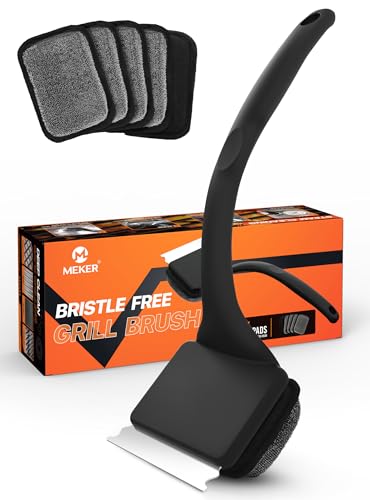
【ULTRA SAFE CLEANING】BBQ is a wonderful thing, but cleaning the grill can be a challenge! MEKER Grill Cleaner Brush can help you! Our grill cleaner brush ensures a bristle-free cleaning experience, eliminating the risk of swallowing dangerous metal bristles. Enjoy safe, worry-free grilling with our innovative design.

If your cleaning grill brush is from HaSteeL, then this replacement head will fit perfectly, if not, please check the position of screws and size carefully
Troubleshooting Common Seasoning Issues
Why does rust still creep through your seasoning despite diligent maintenance? Rust develops when you exceed 750°F during searing, which burns away protective coatings and exposes bare metal. Addressing high heat damage requires immediate re-seasoning after aggressive cooking sessions.
You’ll also encounter rust from improper oil application—applying oil to excessively hot grates causes rapid smoke-off, preventing proper polymerization. Instead, apply oil to moderately warm grates and heat for 30-60 minutes at moderate temperatures for superior coating strength. Regular inspection for early rust spots allows you to treat oxidation immediately before it compromises the entire grate surface.
Preventing grate warping happens through consistent temperature management. Fluctuating between extreme heat and rapid cooling creates expansion stress on seasoning layers. Acidic foods and charred residues accelerate corrosion by etching through seasoning, so clean grates promptly after cooking using safe alternatives to wire brushes and avoid chemical degreasers that strip protective layers. Like traditional cast iron cookware, treat your grates with a salt and water cleaning method followed by thorough drying and oil application for optimal protection.
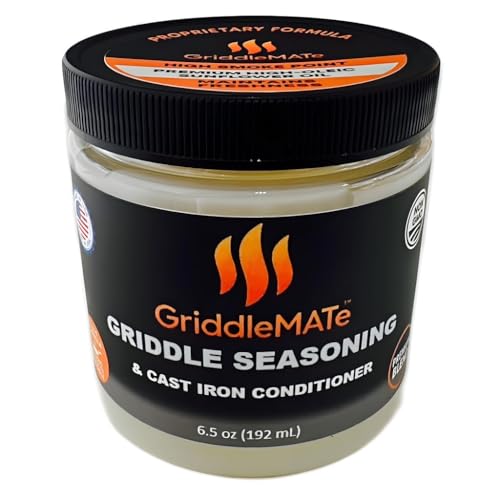
PROPRIETARY FORMULA - Crafted with a unique blend of high-quality ingredients, this proprietary formula is designed to deliver superior seasoning and long-lasting protection for your griddle or cast iron.

TLC for your griddle cooktop: All you need to build a slick, easy-release surface that's protected from rust and easy to work with using Blackstone griddle seasoning and cast iron conditioner

Food Grade Cast Iron Seasoning Oil – Organic & Coconut Derived : Premium food-grade oil made from organic fractionated coconut oil. Designed specifically to season and condition cast iron skillets, pans, grills, griddles and Dutch ovens.
Long-Term Care and Storage Tips
Once you’ve mastered the seasoning process and addressed rust issues, maintaining that protective coating between cooking sessions becomes your next priority. You’ll want to store your grates away from damp environments where moisture can compromise your work. After each use, clean them while warm with a wire brush, then apply a light oil coat before storage.
Protecting from moisture is essential—keep your grates dry and shield them from humidity. During extended downtime, environmental conditions can strip away seasoning layers, so you’ll need to re-season after storage before your next cookout. For additional protection of your entire grilling setup, consider using a grill pad underneath to protect your deck or patio surface while also helping shield your grates from ground moisture. A nonslip backing on your grill mat will keep your equipment stable and prevent shifting during storage and use. Consider using a grill cover to provide an extra layer of protection against the elements during storage. When selecting a cover, prioritize weather-resistant materials like polyester with PU coating or vinyl to ensure maximum protection for your grates. Look for covers with UV and mildew ratings to guarantee longevity even in harsh outdoor conditions. This periodic maintenance restores that protective coating and guarantees your grates perform at their best. Consistent attention preserves your nonstick properties and prevents deterioration, keeping your investment functional for years.