
You’ll start by heating your grill and brushing away debris, then apply a thin oil layer with a high smoke point—peanut, canola, or avocado oil works best. Next, preheat your grill to 400°F for 40-60 minutes, watching for smoke that indicates polymerization. Allow it to cool completely, then repeat this process 2-3 times minimum for ideal protection. Regular maintenance with mild detergent and post-use oil application’ll keep your grates rust-free. The specifics of material-based techniques deserve closer examination.
Preparation and Cleaning
How do you properly prepare grates for seasoning and oiling? You’ll employ high temperature techniques first. Heat your grill to maximum temperature for 10-15 minutes, loosening debris and residue. Brush away particles with nylon or brass bristle brushes while the grates remain hot. For stubborn buildup, rub a halved onion over the hot grates using tongs—the released juices effectively loosen food particles.
Next, apply chemical treatments. Mix baking soda and dish soap into a paste, applying it to the grates and letting it sit 30 minutes before wiping clean. For rust removal, soak grates in a 50/50 white vinegar and water solution for at least eight hours minimum. To protect stainless steel surfaces, avoid using wire brush tools that can damage the finish. Proper identification of your grill grate material ensures you select the appropriate chemical treatment and avoid damaging the protective coating. Incorporating routine light cleaning after each use will help prevent stubborn buildup from accumulating on your grates. For particularly tough grime, consider using specialized grill cleaners that cut through baked-on residue efficiently.
Finally, rinse thoroughly with cold water and pat dry completely with cloth or paper towels. This prevents rust formation before seasoning begins. After drying, apply a protective layer of cooking oil to further guard against rust development. Cast iron grates require especially careful attention during the seasoning process due to their porous nature. For comprehensive grill maintenance beyond grate preparation, consider deep cleaning your grill periodically to ensure optimal performance and longevity.

Efficient and Comfortable Construction - Grill cleaning brush with heavy duty scraper. 360 degree firm bristle brush cleans quickly and comprehensively. Effortless cleaning with perfect angled and ergonomically handle.
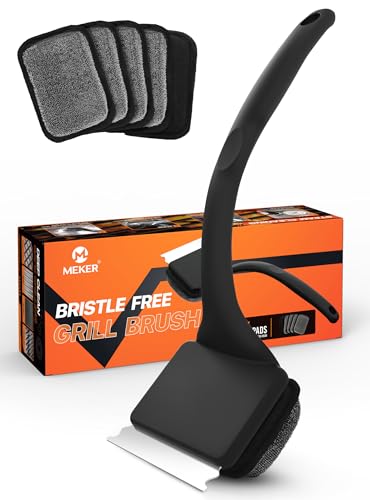
【ULTRA SAFE CLEANING】BBQ is a wonderful thing, but cleaning the grill can be a challenge! MEKER Grill Cleaner Brush can help you! Our grill cleaner brush ensures a bristle-free cleaning experience, eliminating the risk of swallowing dangerous metal bristles. Enjoy safe, worry-free grilling with our innovative design.

【The Safest Bristle Free Grill Cleaner】:No wire bristles at all, no melting like nylon grill brushes; With this safe grill brush and scraper, your food will stay 100% Bristle Free. No more worry about swallowing some metal pieces, Let's free to gobble up some favorite barbecue! Save your effort and time, let’s just have fun! (PATENTED design)
Oil Selection and Application
Selecting the right oil is crucial because you’ll need a high smoke point—ideally 400°F or above—to prevent burning during the seasoning process. Peanut oil, canola oil, and avocado oil all meet this threshold and won’t degrade under heat. You’ll avoid olive oil and flaxseed oil due to their lower smoke points, which cause premature burnoff and prevent protective layer formation.
When applying oil, use a paper towel or cloth to coat all grate surfaces evenly, including bottoms and crevices. Apply thin layers; excess oil pools and creates flare-ups. Wear heat-resistant gloves for safety. For cast iron grates specifically, heating the grill to medium-high heat after application allows the oil to bond and form a protective non-stick layer.
Consider oil alternatives based on your grilling style. Neutral oils like canola preserve food flavors, while peanut oil’s polymerizing properties create durable seasoning layers. Refined safflower, sunflower, and grapeseed oils are also excellent high-smoke-point options for grilling applications. Cast iron griddles are favored for their superior heat retention and even distribution, making them ideal for achieving consistent seasoning across all surfaces. Regular seasoning with these oils helps prevent rust and extends your grill gate lifespan by reducing corrosion over time. For external stainless steel surfaces, specialized products like stainless steel grill cleaners can complement your maintenance routine by removing buildup and grime. Test any new cleaner on an inconspicuous area before applying it across the entire exterior surface. Many cooking oils contain healthy monounsaturated and polyunsaturated fats that can contribute nutritional value to your grilled meals. Store your chosen oil in cool, dark conditions to maintain quality and smoke point integrity.

Graza Frizzle Oil Made from 100% Olives: A neutral-flavored, high heat cooking oil made from 100% peak harvest olives. With a smoke point of up to 450 degrees, Frizzle is your high-heat kitchen hero. 1 bottle/750ml.

Light Buttery Flavor That Elevates Every Meal: Algae Cooking Club Chef-Grade Algae Oil enhances every dish with subtle richness. Its neutral profile makes it ideal for searing, baking, and dressings, transforming everyday meals into gourmet experiences.

Graza Frizzle Oil Spray Made from 100% Olives: A neutral-flavored, high heat cooking oil made from 100% peak harvest olives. With a smoke point of up to 450 degrees, Frizzle is your high-heat kitchen hero. 1 can/5 oz.
Heating and Bonding Process
Once you’ve applied oil to your grates, you’ll need to heat them to create a durable seasoning layer through polymerization. Start your preheat procedure by setting your grill to 400°F with the lid closed and oiled grates in place. Maintain this temperature for 40-60 minutes, allowing the oil to bond to the metal surface. Temperature monitoring is critical—you’ll notice visible smoke during heating, which signals the oil polymerizing into a protective layer. This smoking is normal and confirms the bonding process is occurring. After the heating cycle completes, turn off your grill and allow it to cool completely before opening the lid. This cooling phase sets the seasoning layer permanently. The key to achieving an even, durable finish is applying thin, even layers of oil rather than thick coatings, which can lead to uneven seasoning. Building up multiple seasoning layers is essential for creating a non-stick surface that also protects against rust formation. Regular maintenance of your seasoned grates will help avoid buildup of food residue and grease that can compromise your seasoning layer. For optimal results, consider using mild detergents when cleaning between seasoning applications to maintain grate integrity. repeat this process multiple times to build a strong, durable seasoning layer that enhances non-stick coating durability and prevents future rusting.

Light Buttery Flavor That Elevates Every Meal: Algae Cooking Club Chef-Grade Algae Oil enhances every dish with subtle richness. Its neutral profile makes it ideal for searing, baking, and dressings, transforming everyday meals into gourmet experiences.

Healthy High Heat Oil: Expeller-pressed from fresh avocados and protected in our iconic light-blocking tin, this smooth, neutral oil preserves freshness and flavor. Fire up the grill, sear the perfect steak, or master a golden, crispy fry — all without losing the natural taste of your ingredients. With a high smoke point and everyday versatility, Sear & Sizzle should be every kitchen’s secret weapon.
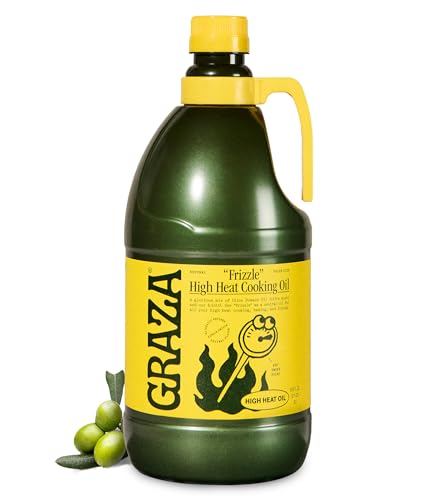
Graza Frizzle Oil Made from 100% Olives: A neutral-flavored, high heat cooking oil made from 100% peak harvest olives. With a smoke point of up to 450 degrees, Frizzle is your high-heat kitchen hero. 2L jug/67.6 fl oz.
Layering and Repetition
To build a truly durable non-stick surface, you’ll need to repeat the heating and bonding process multiple times rather than relying on a single application. Perform the pre seasoning procedure 2-3 times minimum, though five repetitions yield thorough layer development. Each cycle strengthens your protective coating, with multiple layers creating the non-stick properties you’re seeking. The four independently heating zones on premium griddles like the Blackstone ensure even heat distribution during each seasoning cycle, which is critical for consistent oil bonding across the entire cooking surface. Blackstone grills are particularly valued for their large flat-top surface that allows for even seasoning across the entire cooking area.
After post cleaning, apply thin, even coats using high-heat oils like grapeseed or canola, or high-saturated-fat solids such as Crisco. Coat all surfaces completely—both sides of grates, bottoms, and crevices. This meticulous coverage ensures complete protection. For gas grills specifically, consider using grill mats as a complementary protection method to further enhance your cooking surface’s durability and non-stick performance. Allow the grill to cool completely after seasoning so the coating can set properly and create a durable, dark seasoning layer.
Re-season every fourth or fifth grill session to maintain durability. These repetitions progressively darken your grates to bronze or brown, signaling successful buildup. The cumulative effect extends grill lifespan while preventing rust and sticking. Lightly coating with oil after each use prevents rusting and maintains non-stick surfaces. When not in use for extended periods, protect your seasoned grates with weather protection covers to shield them from moisture and environmental damage.
Maintenance After Seasoning
Vigilance is your best defense against undoing the seasoning work you’ve invested in your grates. You’ll want to perform moisture assessment regularly, particularly if you’re in a humid climate where rust develops rapidly. Climate impacts directly influence how frequently you maintain your grates—high-humidity environments demand more vigilant monitoring for residue retention and gummy buildup.
After each use, you’ll continue the post-cooking cleaning routine by scraping residue while grates remain warm. For safe and effective cleaning, consider using bristle-free grill brushes which eliminate the risk of bristles contaminating your food. Every four months, conduct deep cleaning with dish soap or vinegar-baking soda treatments. Following deep cleaning, you’ll re-season 2-3 times, heating your grill to 400-450°F for 40-60 minutes per cycle. Use a grill brush or aluminum foil to remove any remaining residue before re-seasoning to ensure optimal oil absorption. Wire-bristle brushes can leave stray bristles on your grates, so prioritize bristle-free or replaceable-head designs for routine maintenance. Traditional wire bristles from established brands pose contamination risks, making safer alternatives like coiled designs preferable for protecting your family during grilling season. For heavy use situations, soaking grates overnight with hot water and dish soap can restore them to like-new condition before re-seasoning. Metal wire brushes pose a particular risk of shedding dangerous bristles that can lodge in food, making replaceable-head designs a safer choice for regular grate maintenance.
Between seasonal grilling, lightly re-oil your grates before storage. Store them completely dry indoors when not in regular use. This consistent maintenance preserves your seasoning layer indefinitely.

【BRISTLE-FREE & COLLAPSIBLE DESIGN】Experience worry-free grilling with the MEKER grill brush bristle-free design. Say goodbye to dangerous metal bristles and hello to a safe cooking environment for you and your family. The foldable bucket offers hassle-free storage by folding flat, making it an ideal outdoor water container for grilling adventures at home or on the go. Say goodbye to bulky options with this compact dunk tank

【The Safest Bristle Free Grill Cleaner】:No wire bristles at all, no melting like nylon grill brushes; With this safe grill brush and scraper, your food will stay 100% Bristle Free. No more worry about swallowing some metal pieces, Let's free to gobble up some favorite barbecue! Save your effort and time, let’s just have fun! (PATENTED design)

Safe and Efficient - SteamWizards cleaning can save a lot of elbow grease when dealing with those stubborn residues. With a safe bristle-free grill brush, you don't have to worry about swallowing those dangerous wire bristles that can break off and end up in your food. It's safe and efficient!
Material-Specific Considerations
Not all grill grates respond identically to seasoning and oil treatments, so you’ll need to adjust your maintenance approach based on your grate material.
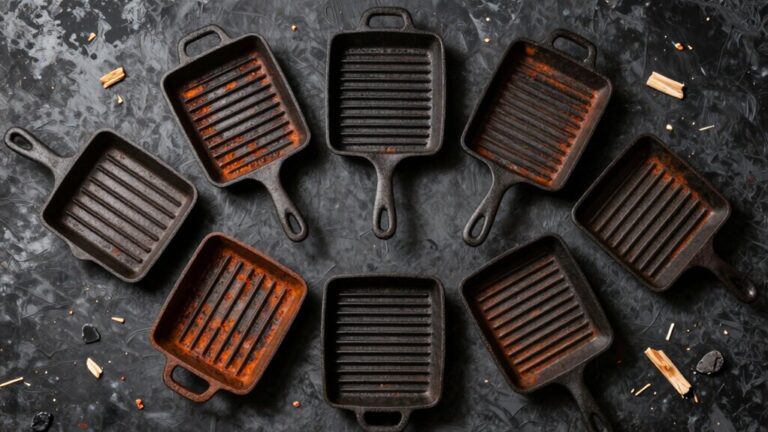
Cast iron demands intensive seasoning with frequent oil reapplication to prevent rust and maintain non-stick properties. You’ll build a cumulative protective surface through regular oiling and reheating cycles. This strong and durable material can last a lifetime with proper care. Lodge’s pre-seasoned cast iron grill pans demonstrate how well-seasoned surfaces release food easily and provide excellent heat retention for superior searing. Cast iron’s excellent heat retention makes it particularly valued for achieving consistent searing temperatures across your cooking surface. Pre-seasoned cast iron options excel at producing excellent results while resisting metal utensils and building natural non-stick seasoning over time.
Stainless steel requires minimal maintenance. Its chromium content naturally resists corrosion, so you’ll only need light oiling and standard cleaning without extensive seasoning protocols. Stainless steel grates are commonly found on upgraded models like the Spider Grills Huntsman that prioritize low-maintenance construction. The Weber Genesis S-435 represents a premium stainless steel option that combines durability with exceptional heating performance for consistent results.
Porcelain enamel-coated grates present different challenges. While the coating eliminates frequent seasoning requirements, coating degradation occurs over time as cracks develop, exposing underlying metal to moisture and accelerating rust formation. This compromises long term durability despite initial convenience.
Select your maintenance strategy accordingly to maximize grate lifespan and performance.

YOUR NEW GO-TO SEASONING SPRAY: The Lodge Seasoning Spray is the perfect seasoning spray to maintain your cast iron cookware. It is made of 100% canola oil - no additives or propellants, to protect your cookware and enhance its finish.

Important information about the spray applicator: The optional spray top (the product may be applied without spraying) has an off/on button on the neck of the trigger sprayer, some do not realize this and think the sprayer doesn't work. It works well but you need to make sure the button is in position that allows it to spray and you pump vigorously a few times at first to initialize the sprayer.

Food Grade Cast Iron Seasoning Oil – Organic & Coconut Derived : Premium food-grade oil made from organic fractionated coconut oil. Designed specifically to season and condition cast iron skillets, pans, grills, griddles and Dutch ovens.