

You’ll smoke your 15-pound turkey between 5.25 and 7.5 hours, depending on your smoker’s temperature. At 225°F, expect roughly 7.5 hours; at 250°F, about 6.25 hours; at 275°F, around 5.25 to 6.25 hours; and at 325°F, approximately 3.25 hours. Pull your breast meat at 157°F to allow carryover cooking to reach the safe 165°F threshold. Target 175°F final temperature for dark meat. Proper brining, preparation techniques, and temperature monitoring are essential to achieving that perfectly smoked turkey you’re after.
Smoking at 225°F: The Low-and-Slow Approach
If you’re committed to maximizing smoke absorption and achieving the most tender, flavorful results, you’ll want to smoke your 15-pound turkey at 225°F using the low-and-slow method. This approach requires maintaining consistent smoker temperature throughout the cooking process, which typically takes approximately 7.5 hours—calculated at 30 minutes per pound. Wood smoke flavor develops ideally at this lower temperature, infusing deeper complexity into the meat. Applying butter and seasonings to the exterior before smoking enhances the smoke penetration and creates a flavorful crust.
You’ll need thermal probe monitoring to track internal temperatures accurately rather than relying solely on time estimates. Begin checking for doneness about one hour before the planned finish time to ensure the turkey reaches proper temperature. Target 160°F in the breast before resting, allowing carryover cooking to reach the safe 165°F threshold. The thigh should register 175°F internal temperature to ensure the dark meat is fully cooked and tender. Some methods recommend smoking breast side down during the cooking process to allow the natural juices to flow down and keep the breast meat moist throughout the long cook. Adding a water pan to your electric smoker helps maintain moisture levels and prevents the turkey from drying out during the extended cooking time. Consider brining the turkey beforehand to help the meat retain moisture during the extended smoking process. Let the turkey rest for 15 to 20 minutes before carving to redistribute juices throughout the meat. This method prioritizes tenderness and moisture retention over quick cooking, delivering superior results for larger poultry.

Includes 4 boneless rib hooks, 2 leg racks, 6 easy-out rib hooks, 8 skewers, easy-load kabob holder and basket lifter

The Only Meat Smoking Guide Magnet You'll Ever Need: Unlike single-page magnets, this 4-side set includes smoking temps, cook times, meat temperature chart, pellet grill wood pairings, and a simple step-by-step How-To guide-all organized for quick use at the smoker. Everything you need, nothing you don't.

SIZE - The turkey roaster measures about 9.5″tall,The bottom ring is 7.1″diameter,the top ring is 2.5″diameter.You can roasting squab,game hen,chicken,turkey and don't worry about turkey roaster rack that cannot withstand roast chicken weights.
Smoking at 250°F: Balancing Time and Crispiness
Smoking at 250°F offers you a middle ground between the extended cook time of low-and-slow methods and the faster results you’ll achieve with higher temperatures. For your 15-pound turkey, expect approximately 6.25 hours, though budgeting extra time accounts for variability.
Maintaining consistent temperature proves critical. You’ll want to implement a basting schedule after the initial low-temperature phase to retain moisture and enhance browning. Avoid foil during smoking to allow proper skin rendering and moisture evaporation. Always use a thermometer to monitor both your smoker and the turkey’s internal temperature throughout the cooking process. For enhanced flavor, consider using woods like almond or pecan to complement the natural taste of the turkey. Consider placing a water pan in your smoker to help maintain consistent moisture levels throughout the cooking process. Remember to rest the turkey for 15-20 minutes after cooking to allow juice redistribution throughout the meat.
However, recognize that 250°F won’t crisp your skin adequately. Plan to increase your smoker to 350°F during the final phase for browning. Monitor internal temperatures with a wireless thermometer—target 160°F in the breast and 175°F in the thigh before resting. Following the general guideline of 15-25 minutes per pound helps ensure your turkey smokes evenly and reaches the proper doneness. Brining for up to 48 hours before smoking helps lock in moisture and creates a more flavorful, tender bird. When not in use, protect your investment with a waterproof cover designed to fit your smoker and withstand the elements.
Smoking at 275°F: The Middle Ground Method
At 275°F, you’ll find the sweet spot that accelerates your cook time without sacrificing the smoke flavor and moisture that define great smoked turkey. You’ll need approximately 5.25 to 6.25 hours, averaging 25 minutes per pound for your 15-pound bird.
Maintaining consistent 275°F throughout guarantees ideal smoke dispersion while preventing temperature fluctuation mitigation issues that compromise results. Preheat your smoker with the lid closed for 15 minutes to establish your baseline temperature. Use a wireless thermometer to monitor the internal temperature and ensure it reaches 165°F for food safety. For reliable monitoring throughout the cook, look for models with strong Bluetooth range or dedicated radio-frequency designs that maintain connection even when moving between your smoker and kitchen.
This middle-ground method delivers superior efficiency compared to lower temperatures, reducing cooking time by five minutes per pound versus 250°F smoking. You’ll still achieve excellent smoke penetration with proper wood pellet selection, making 275°F ideal for time-sensitive meal planning while preserving the tender, juicy results you’re after. For optimal texture and moisture retention, carve the breast carefully once your turkey reaches the target internal temperature to ensure the meat remains succulent and well-prepared.
Smoking at 325°F: Quick and High-Heat Cooking
When you’re working with limited time or need results faster, cranking your smoker to 325°F delivers a dramatically shortened cook window without abandoning the smoked turkey experience entirely. At this temperature, you’ll need approximately 13 minutes per pound, translating to roughly 3.25 hours for your 15-pound bird.
The higher heat enables crispy skin techniques that lower temperatures struggle to achieve, particularly when you start with thoroughly dried skin. You’ll monitor internal temperatures closely—targeting 165°F for breast meat and 175°F for thighs—pulling five to seven degrees below target to account for carryover cooking. Use an instant-read probe thermometer to ensure you’re accurately tracking these critical temperature milestones throughout the smoking process. For those managing multiple birds or seeking remote monitoring capabilities, multi-probe Wi-Fi systems allow you to track temperatures from anywhere without constantly opening the smoker. For quick temperature checks, models like the ThermoWorks Thermapen ONE deliver the fastest and most accurate readings to verify doneness. Remember to allow the turkey to rest for 15-20 minutes after removing it from the smoker to ensure optimal juiciness and flavor development.
Position your turkey centered over a water-filled drip pan on the top rack. Cover dark areas like drumsticks with foil to prevent over-charring. Consider basting periodically with melted butter or pan juices to enhance moisture and develop richer surface flavor. For wireless convenience during extended smoking sessions, the ThermoPro TP20 offers dual-probe monitoring with a 300-foot range at a budget-friendly price point. If you smoke frequently in the evening or low-light conditions, look for models with integrated lighting to better monitor your turkey’s color and surface development. This method balances juicy meat outcomes with expedited cooking times, making it ideal when efficiency matters.

Bluetooth Monitor Remotely: Govee Bluetooth meat thermometer lets you check the temperature of your grill, smoker, or oven from your phone. With this smart BBQ thermometer, you can multitask while grilling.
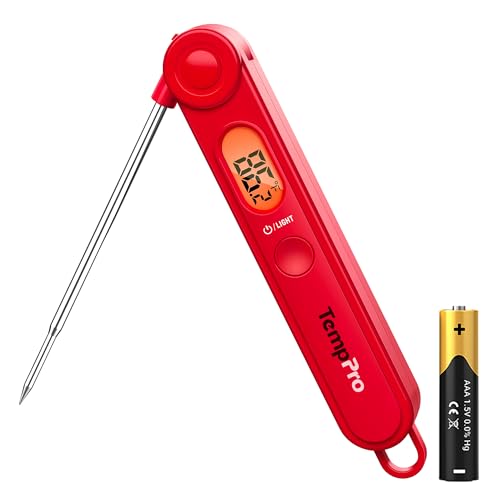
【Easy to Use】Easily release the meat probe at the push of a button, and control the backlight or power with another button. With TempPro, cooking becomes a seamless, stress-free experience

More Stable Than Bluetooth: Our advanced RF technology ensures a stronger, more reliable connection than Bluetooth. This smoker thermometer provides the freedom to move around without losing connection! Monitor your BBQ from up to 1,000 feet away!
Understanding Internal Temperature Targets
You’ve got to nail your internal temperature targets to guarantee both food safety and ideal texture—and they’re more nuanced than a single number. Your minimum pullout temperature for breast meat is 157°F, allowing carryover cooking to reach the USDA’s 165°F safety standard. Your maximum pullout temperature shouldn’t exceed 157°F at high smoker temps—overshooting causes dryness. Dark meat requires different handling: target 175°F final temperature after carryover effects. Brining or injecting allows you to pull at 145-155°F for enhanced moisture retention. Always verify temperatures using a reliable thermometer at the thermal center, never relying on color. Factor in your smoker’s temperature and resting duration; a 20-minute foil rest elevates 160°F breast to 165°F safely. Just as with grilled chicken breasts reaching 165°F to 170°F, using a meat thermometer inserted in the thickest part ensures you achieve proper doneness without overcooking. When resting wrapped in foil with butter and honey, the extended rest period significantly improves moisture retention and texture. Remember that vegetative bacteria like Salmonella are killed at these cooking temperatures, making proper temperature verification essential for eliminating foodborne pathogens. For chicken, using a digital thermometer to monitor the internal temperature in the thickest part like the thigh is equally critical to ensure safety and quality. Unlike roasted turkey cooked at higher oven temperatures, smoked turkey benefits from slower cooking that requires careful temperature monitoring throughout the process. Using a meat thermometer to monitor the internal temperature accurately is the best indicator of doneness, ensuring your turkey breast reaches the critical 165°F safety threshold. Similar to grilling techniques that emphasize cooking undisturbed on each side to form proper sear marks, smoking turkey requires consistent temperature zones without frequent opening of the smoker lid to maintain even heat distribution.
Preparing Your Turkey for the Smoker
Before your turkey enters the smoker, five critical preparation steps’ll determine your final results: removing giblets, patting the bird dry, seasoning the exterior, stuffing the cavity, and applying a butter-herb mixture under the skin.
Start by extracting giblets and the neck from the cavity, reserving them for stock. Pat your turkey thoroughly dry with paper towels, then air-dry it exposed in your refrigerator for 4 hours or overnight—this promotes crispy skin during smoking. For optimal results, brine the turkey overnight before these drying steps to ensure maximum flavor and moisture retention.
Apply kosher salt, black pepper, granulated garlic, and onion powder across the entire exterior. Rub peanut oil into the skin for even seasoning distribution. Make sure to assemble kitchen tools including a brining container before you begin the seasoning process.
For seasoning turkey cavity, loosely fill it with halved onions, apple wedges, garlic cloves, and fresh sage. Consider using a disposable pan beneath your turkey to simplify cleanup and catch drippings during the smoking process. Finally, separate breast skin and insert a butter-herb mixture combined with minced garlic, thyme, rosemary, and seasonings, creating an even layer. This butter or oil coating helps the spices adhere while adding moisture during the smoking process. After completing your seasoning, chill the turkey before placing it in the smoker to allow the herb-infused butter to firm up and adhere properly to the meat. If you prefer faster cooking with more even heat exposure, consider butterflying the turkey before applying your seasonings and butter mixture. Understanding heat transfer modes like conduction, convection, and radiation will help you manage smoker temperature and airflow for consistent cooking results.

Savory seasoning blend of garlic, butter and spices for grilling meat and seafood

Savory seasoning blend of garlic, butter and spices for grilling meat and seafood
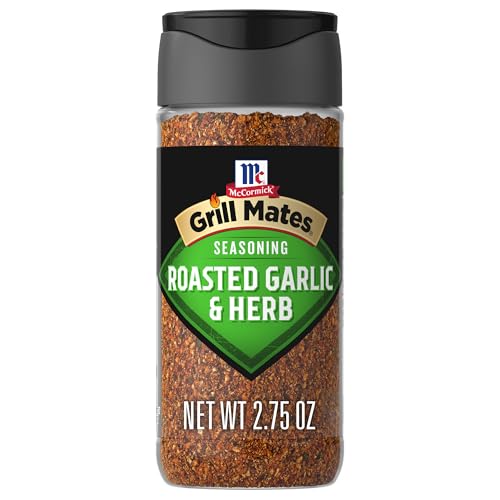
Epic blend of onion, parsley, black pepper, coriander and roasted garlic
Brining Your Turkey Overnight
Once you’ve prepped your turkey’s exterior and cavity, brining’ll take your bird to the next level by infusing moisture and flavor deep into the meat itself. For your 15-pound turkey, use a wet brine with a turkey brine ratio of 1 cup salt per gallon of water—roughly 1¼ cups if you prefer enhanced seasoning. Dissolve salt completely by boiling partial water first, then cool the entire solution before submerging your turkey.
Select brine flavoring options like bay leaves, peppercorns, thyme, or citrus to complement your smoking process. You can also stuff the cavity with aromatics like lemon, onion, and herbs to add extra flavor during the brining period. Submerge the turkey completely, ensuring even salt distribution throughout. Refrigerate for 12-24 hours—this timeframe allows ideal moisture absorption without over-salting. The salt and flavorings penetrate deep into the meat, seasoning it from the inside out. Brining locks in moisture and plumps the poultry for enhanced tenderness and juiciness. Before smoking, rinse thoroughly under cold water, then pat dry completely for superior skin crispness and heat conduction. Similar to brining turkey legs, this 24-hour process ensures your whole turkey stays juicy throughout the smoking process. While preparing your grill, apply high-temperature cooking oils like vegetable or canola oil to the grates to prevent sticking during the smoking process. Heat the grill to medium-high heat to allow the oil to bond and create a protective, non-stick surface. If you’re planning to share leftovers with your furry friends, keep in mind that smoked turkey’s high sodium content from the brining and smoking process makes it unsuitable for dogs.

Tender & Juicy Results – Brining locks in moisture and enhances flavor, yielding a turkey that’s tender, juicy, and perfectly seasoned.

Turkey Brine, Original | Natural | Kosher Certified

THE SECRET’S IN THE SALT - Our unrefined, ancient sea salt is a healthier option than the processed salt used in other seasonings. Real Salt hasn’t been stripped of beneficial minerals and contains 60+ trace minerals that help your body stay balanced and add a subtly sweet, delicious flavor to every bite.
Basting and Moisture Retention Techniques
Three critical factors—basting frequency, covering techniques, and strategic temperature management—work together to maintain your turkey’s juiciness throughout the smoking process. You’ll begin frequent basting every 90 minutes during the initial 180°F phase, then continue every 1.5 to 2 hours at 225°F for the first five hours. Apply melted butter directly to enhance flavor infusion while using a basting liquid mixture for sustained juiciness. Position your liquid positioning strategically by placing the basting pan adjacent to your turkey in the smoker. Cover with aluminum foil at 225°F for 5-6 hours to shield from direct heat and preserve internal moisture. After five hours, reveal at 250°F to crisp the skin without drying the meat. Using a meat thermometer to monitor the internal temperature ensures your turkey reaches the proper doneness while maintaining optimal juiciness. Monitor that your breast reaches 150°F and thighs reach 165°F to confirm complete cooking without overcooking the delicate breast meat. For even crispier skin, some experts suggest briefly increasing the temperature to 400°F for the final 10 minutes, which helps render fat and achieve golden-brown color without compromising moisture retention. After smoking, allow your turkey to rest for 5 to 30 minutes so the juices can redistribute throughout the meat before carving. Consider making a rich gravy from the drippings to serve with the turkey to enhance juiciness and flavor. A reliable thermometer is essential for monitoring internal temperatures throughout the smoking process to ensure perfectly cooked meat. If reheating leftover smoked turkey, use a low temperature of around 300°F in a covered roasting pan with a little water or broth to maintain moisture. This methodical approach secures even moisture retention throughout smoking.


[2 In 1 Spray & Injector Design] This versatile 12oz BBQ spritzer bottle combines both a fine mist sprayer and a marinade injector in one tool. Whether you're injecting seasoning into thick cuts of meat or using it as a BBQ spray bottle for smoking, it delivers convenience and flavor for grill enthusiasts and home cooks

Baster for Cooking - Perfect turkey baster set for cooking, suck the delicious sauce or your favorite juice and inject it into turkey's breast or any meats you like.
Monitoring Temperature and Smoker Consistency
Your basting efforts and moisture-retention techniques won’t achieve their full potential without precise temperature control throughout the smoking process. You’ll maintain a steady 225°F smoker temperature, adjusting vents or burners as needed to hold this critical range consistently. For your 15-pound turkey, expect approximately 7.5 hours at 30 minutes per pound. You’ll monitor both thigh and breast regularly using probe placement considerations: insert your thigh probe into the thickest meat where the thigh meets the breast, while positioning your breast probe in the center of the thickest area. Check temperatures regularly, tracking progress toward your targets of 160°F thigh and 150°F breast before resting. This systematic monitoring guarantees you avoid overcooking while maintaining food safety standards throughout the entire smoking duration. Using a quality meat thermometer ensures accuracy when measuring internal temperatures at critical checkpoints during the cook. Remember that actual cooking time may vary from published guidelines based on your specific smoker and environmental conditions. Soaking wood chips in water or other liquids before adding them to your smoker enhances the smoking process and helps maintain consistent smoke production during the long cooking period. For poultry like turkey, mild fruit woods such as apple or cherry provide the best flavor profile without overwhelming the delicate meat. You can use wood chunks or splits depending on your smoker type, with chunks offering longer-lasting smoke for extended cooks like turkey.