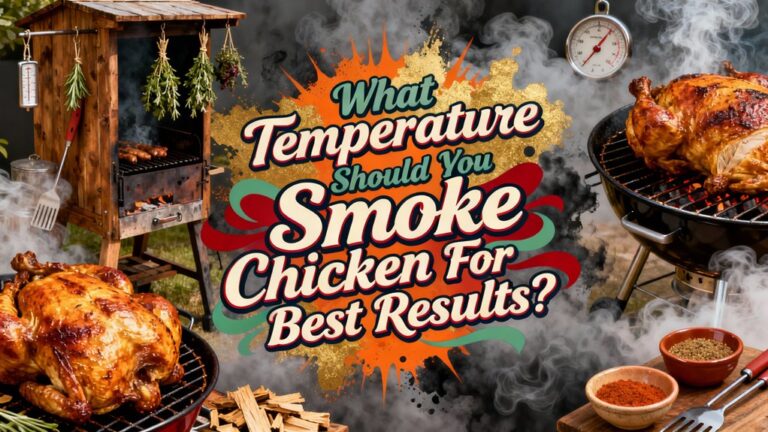

You’ll master smoking turkey by starting with a wet or dry brine for 8-24 hours, ensuring superior moisture. Thaw your bird completely, pat it dry, and apply your rub evenly. Set your electric smoker to 250-275°F, monitoring internal temperatures at the breast and thigh—pulling at 160°F for ideal juiciness. Rest your turkey 30-45 minutes tented in foil before carving. These fundamentals form the foundation, but there’s considerably more technique to explore.
Brining Options
Before you smoke your turkey, you’ll want to decide which brining method suits your setup best. The wet brining method fully submerges your bird in a brine solution composition featuring water, kosher salt, brown sugar, and seasonings like bay leaves and peppercorns. This approach delivers superior moisture penetration throughout the meat.
If refrigerator space constrains you, consider brining alternatives like dry brining, where you massage salt and spices directly onto the surface. Damp brining combines both methods for enhanced results without excessive liquid storage needs. For optimal results with dry brining, use mild seasonings and spices that complement rather than overpower the natural turkey flavor.
Standard wet brining requires 8 to 24 hours—roughly one hour per pound. To prepare your brine, heat all ingredients except water in a saucepan until boiling and dissolved before allowing the mixture to cool completely. For larger turkeys, use a large container or bag to ensure your bird is fully submerged throughout the brining process. Brining your turkey beforehand helps maintain moisture and enhances flavor during the smoke process. Allowing the turkey to rest after brining gives the salt penetration time to fully work through the meat for optimal results. A properly brined turkey should reach an internal breast temperature of 160°F to 165°F when fully smoked for food safety. Using a digital meat thermometer inserted in the thickest part of the breast ensures accurate temperature readings. Regardless of your chosen method, you’ll rinse your turkey thoroughly afterward and pat it completely dry before smoking.

Tender & Juicy Results – Brining locks in moisture and enhances flavor, yielding a turkey that’s tender, juicy, and perfectly seasoned.
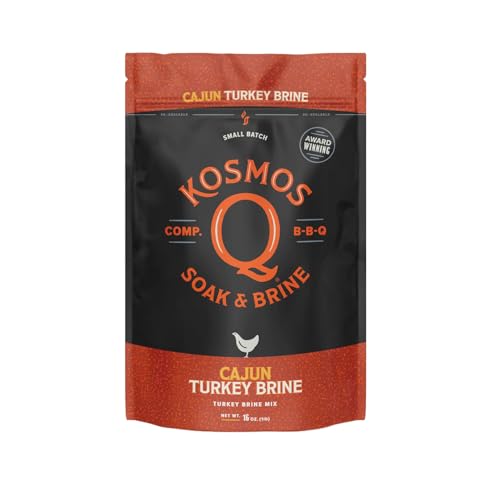
JUICY, FLAVOR PACKED RESULTS: Create a crave worthy centerpiece with Kosmos Q Cajun Brine Mix. This robust, 16 oz brine soak is crafted to infuse turkey and other poultry cuts with deep moisture and bold flavor from the inside out. Ideal for holiday spreads or any time you're cooking to impress.

THE SECRET’S IN THE SALT - Our unrefined, ancient sea salt is a healthier option than the processed salt used in other seasonings. Real Salt hasn’t been stripped of beneficial minerals and contains 60+ trace minerals that help your body stay balanced and add a subtly sweet, delicious flavor to every bite.
Turkey Preparation
To guarantee even cooking and food safety, you’ll need a fully thawed turkey before smoking—frozen birds typically require over 24 hours to defrost, so plan accordingly or opt for fresh poultry instead. After thawing, pat your turkey thoroughly dry with paper towels; this moisture removal is critical for both skin texture enhancement and ideal rub adhesion.
Brush the entire exterior with olive oil or melted butter, then apply your dry rub evenly across all surfaces, working it underneath the breast skin and into crevices. Fill the cavity with aromatic ingredients—onion slices, rosemary, thyme, lemon quarters, parsley, and celery—plus cubed butter for internal moisture. Before applying the rub, remove excess skin from the turkey, neck, and giblets to ensure better seasoning penetration. Using indirect heat will help ensure the turkey cooks evenly without burning on the outside.
Finally, insert digital probe thermometers into the thickest breast and thigh portions without touching bone. Position your turkey breast-side up on the smoker’s lowest rack, directly above the water pan, before introducing it to your preheated smoker. The internal temperature should reach 165°F in the breast and 175°F in the thigh to ensure food safety. For enhanced flavor and tenderness, consider wet brining your turkey for approximately 24 hours prior to smoking, using a mixture of water, salt, and aromatics. Spatchcocking your turkey is an alternative technique that can promote even heat distribution throughout the bird during the smoking process. Maintaining a steady smoker temperature between 220–250°F will ensure optimal smoky flavor development throughout the cooking process, and resting the turkey for 10-15 minutes after smoking allows the juices to redistribute before carving.
Smoker Setup
Once you’ve prepped your turkey, proper smoker configuration is essential for consistent results. Start by preheating your electric smoker to 275 degrees F per manufacturer specifications, allowing approximately one hour for stabilization. Your wood chip selection directly impacts flavor profile—combine pecan and apple for balanced results, or use apple, cherry, or hickory for lighter notes. Load chips into the tube, reloading every 30 minutes for continuous smoke management. For enhanced smoke flavor, consider using the Masterbuilt slow smoker accessory with a wood chip loading tube and heating element for continuous smoke throughout the cooking process. An instant-read meat thermometer is essential for monitoring internal temperatures and ensuring food safety during the smoking process. For the most accurate temperature readings, the ThermoWorks Thermapen ONE offers exceptional speed and consistency in real-time monitoring.
Position your turkey on the lowest rack closest to the heating element, removing unnecessary racks for guaranteed heat circulation. Fill the water pan with chicken broth and fresh thyme once temperature stabilizes, placing it directly beneath the turkey. Using indirect heat helps maintain consistent cooking temperatures and prevents flare-ups that could dry out the meat. For extended grill life and optimal performance, establish regular maintenance habits such as cleaning the smoker’s interior surfaces and removing grease buildup after each use. For advanced temperature monitoring during long cooking sessions, consider wireless models with app connectivity for remote temperature tracking. Wireless thermometers with dual-probe setups allow you to monitor multiple meat zones simultaneously for comprehensive temperature oversight. Insert temperature probes into the thickest breast and thigh portions, avoiding bone contact. This systematic setup secures even cooking and precise temperature monitoring throughout your smoking process.

MATERIALS: Made from 100% natural seasoned hardwood with no unwanted byproducts, our wood chips burn cleanly and evenly.

3-PACK VARIETY OF PREMIUM SMOKING WOOD CHIPS – Elevate every barbecue with this ultimate smoking wood chip bundle, featuring three 1.8 lb bags of premium, all-natural wood chips. Includes Hickory for bold, classic BBQ flavor, Applewood for a subtly sweet and fruity aroma, and Mesquite for deep, earthy smokiness—perfect for ribs, brisket, poultry, pork, seafood, lamb, and game meats. Ideal for use in charcoal grills, gas grills, electric grills, and smokers, this variety pack delivers rich, versatile flavor options for backyard BBQs, camping trips, and tailgates.

【Package Includes】- It come with 12in&6in pellet smoke tubes, a cleaning brush and 2 S-hook, 12in large capacity can hold enough particles, and can produce a lot of smoke in 5 hours, 6in tube can produce 2.5 hours of smoke, can meet your different needs
Smoking Process
Your turkey’s success depends on meticulous attention during the smoking phase. You’ll smoke for 30-40 minutes per pound, targeting 155°F breast temperature before applying additional rub. Maintain smoke consistency by adding pecan or apple wood chips every hour, using a timer to refresh your fuel supply every 20 minutes.
Monitor internal temperatures at the thickest breast and thigh portions, avoiding bone contact. Remove your turkey when both reach 160°F, allowing carryover cooking to achieve the final 165°F doneness. This approach prevents overcooking while ensuring wood absorption develops deep flavor. Set the temperature between 250°F and 275°F to create an optimal smoking environment for your turkey.
Insert temperature probes strategically before placing your bird on the lowest rack. Your digital thermometer becomes your guide—trust actual temperatures over timing estimates, as individual smoker variations affect cooking rates considerably. Electric smokers provide enhanced smoky flavors from various wood types, contributing to the development of distinctive taste profiles. Like pellet grills, electric smokers use digital temperature controls to maintain consistent heat throughout the cooking process. Consider models like the Traeger Grills Pro 22 for consistent temperature control during extended smoking sessions. Electric smokers are an awesome investment for achieving consistent and reliable results throughout the smoking process. Let your turkey rest for at least 10-15 minutes after removing it from the smoker to allow the juices to redistribute and ensure maximum tenderness. Resting the turkey post-smoking ensures that juices redistribute throughout the meat, resulting in a moister and more flavorful final product.

Alarm Output: With 1 alarm relay output, AC250 V, 3 A (Resistive load), ON or NC, you can wire a buzzer


【Effortless Setup with Intuitive Design】 : WILLHI digital temperature-controlled outlet switch simplifies settings with two knobs for on/off temperature adjustments—no complicated menus. It provides precision within -58°F to 230°F (-50°C to 110°C), making it an ideal thermostat plug for various applications. By memorizing settings during power outages, it minimizes disruption, saves energy, and reduces setup time, providing a hassle-free user experience.
Temperature Targets
Getting your smoker to the right temperature before the turkey goes on the grates sets the foundation for consistent results throughout the cook. You’ll preheat your electric smoker to 250°F for standard smoking, though you can increase to 300-350°F if you’re targeting crispy skin development. During the actual cook, maintain 250°F throughout for a four-hour session, or smoke at 225°F for 4-5 hours until your breast reaches 155°F. Pull your turkey when the thickest breast part hits 160°F, aiming for 157°F to optimize moisture retention. Your thighs should reach 170°F simultaneously. After removing from heat, allow adequate rest temperature recovery—your carryover cooking will push the breast to 165°F, ensuring food safety while preserving juiciness. Maintaining a consistent smoker temperature throughout the cooking process prevents fluctuations that can lead to uneven cooking. Electric smokers with temperature stability features help ensure more reliable heat maintenance compared to traditional charcoal or wood smokers, with many premium models maintaining temperatures within +/-15°F. For butterflied turkeys, you can smoke at higher temperatures like 300°F with 15 to 20 minutes per pound until reaching 165°F, which significantly reduces overall cook time compared to whole birds. Using a meat probe system like Smoke X4 or RFX Wireless will help you monitor these temperatures accurately throughout the cook and avoid the common problem of overcooking the thin tail sections before the thick center is done. Consistent temperature maintenance also helps prevent grease fires, which can occur when drippings accumulate at high heat, making regular smoker maintenance and grease management essential for safe operation.
Resting and Serving
After you’ve pulled your turkey from the smoker, the work isn’t finished—it’s just transformed. Allow your bird a minimum of 15 minutes’ rest, though 30-45 minutes yields superior results. During this period, residual carryover cooking raises internal temperature while juices redistribute throughout the meat, ensuring juiciness preservation.
Tent your turkey with foil and wrap it with towels for ideal heat retention. This insulation maintains safe serving temperatures above 140°F while the meat settles. For leftover turkey, reheat gently at low temperatures with added moisture to prevent the meat from drying out. Store any remaining turkey in airtight containers to prevent freezer burn if you plan to freeze it for later use. Properly stored turkey can be frozen for several months when tightly wrapped to minimize air exposure. When stored properly in the refrigerator at consistent temperatures, leftover smoked turkey typically keeps for up to 4 days before requiring freezing. Inspect your stored turkey regularly for signs of spoilage and mold to ensure food safety before consumption.
Before carving, verify doneness with an instant-read thermometer in both breast and thigh areas, confirming the 165°F minimum across all portions. Your carving technique will improve dramatically on rested meat—you’ll achieve cleaner slices with minimal juice loss. Transfer your turkey to a large platter and carve systematically for professional presentation.