
You’ll reheat your smoked turkey using low, moist heat to preserve its natural juices and smoky flavor. Wrap it tightly in foil with added moisture like broth or butter. Heat it in a 275°F oven or Dutch oven for 12-15 minutes per pound. Monitor the internal temperature, targeting 165°F without overshooting. Let it rest before carving. Each method—oven, Dutch oven, or pellet grill—offers distinct advantages for maintaining that perfect smoky tenderness you’re after.
Oven Method With Low Temperature and Moisture
Because smoked turkey‘s already-cooked meat can’t afford high heat without drying out, you’ll want to start by preheating your oven to 350°F, then immediately drop it to 275°F once you’ve placed the turkey inside. This low-and-slow approach preserves moisture throughout reheating.
Add ¼ cup chicken broth to your roasting bag and place 1 cup into the turkey cavity before sealing. Pour water, stock, or apple juice into the pan’s base to create steam. Position the turkey breast-side down so natural juices baste the meat continuously. Cover everything with aluminum foil to trap steam effectively. The turkey you purchase from Paradise Meats is fully cooked, so you’re simply restoring it to serving temperature rather than cooking it through. Use a meat thermometer to verify the internal temperature has reached the proper level.
For ideal results, elevate the turkey on a rack above the liquid. Reheat at 5-7 minutes per pound at 275°F. Remove foil during the final 10-15 minutes to crisp the skin before reaching your target 135-165°F internal temperature. Turning the turkey occasionally during reheating helps prevent drying on exposed surfaces. This technique helps maintain the firmer texture that smoked turkey develops from its slow cooking over wood smoke.
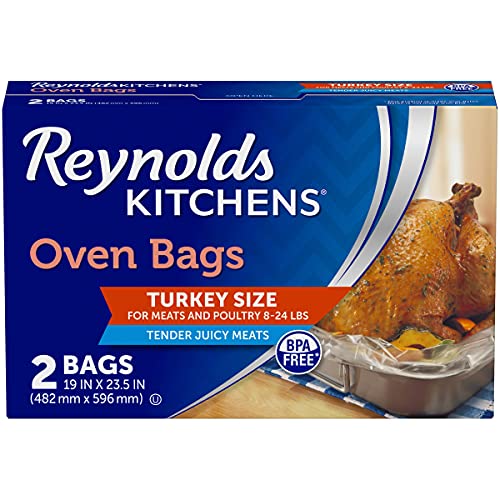
REYNOLDS TURKEY OVEN BAGS-This pack includes two, large Reynolds Kitchens Oven Bags, each measuring 19 x 23.5 inches
Made in the USA: Manufactured in the USA with high-quality, food-grade materials for safe and reliable use.

Oven Bags Turkey Size: These oven bags are suitable for turkey, chicken, meat poultry, fish, seafood, rice and vegetables. They work for roasting, cooking, microwaving, and re-heating everything listed above, with resistance to high temperatures, ensuring safety when cooking
Dutch Oven Method for Hands-On Approach
While the oven method works well for hands-off reheating, you’ll find that a Dutch oven gives you more control over the moisture and heat distribution throughout your turkey. Start by preheating your Dutch oven to 325°F-350°F, then add liquid—water, stock, or apple juice—to the bottom. Place your room-temperature turkey inside and secure the lid position tightly to trap steam. This enclosed environment preserves juiciness while you reheat at 10-15 minutes per pound. Keep the lid position sealed for most of the cooking time, monitoring internal temperature at the thickest thigh portion until it reaches 165°F. Using a meat thermometer ensures you remove the turkey at the perfect temperature without overcooking. Thawing in the refrigerator prevents bacterial growth and ensures your turkey is safe to reheat. For even better results, consider adding a sauce or basting liquid during the final stages of reheating to provide additional moisture and flavor. Store any leftover turkey in airtight containers or freezer bags to prevent freezer burn if you plan to freeze portions for later use. After removing from heat, rest your turkey for 10 minutes, allowing juices to redistribute before carving and serving. Just as you would conduct a soap bubble test to check for propane leaks on your grill, testing your equipment ensures safe and successful cooking results. Just as quality grill covers like the Mr. Bar-B-Q Simply The Best feature heat-resistant materials that protect against the elements, your Dutch oven’s heavy construction provides superior heat retention and even cooking.

Even Heat Distribution Retention: This Umite Chef Dutch oven Made with heavy-duty enameled cast iron, ensures even heat distribution for perfect searing and slow cooking, locking in flavors. thickened walls lock in heat for slow braising, searing, and baking. Unlike thin pots that scorch food, this professional-grade Enameled cast iron potSuperior heat retention after preheating (allow 5-7 mins for even distribution). CRITICAL: Always cool naturally for 45+ mins before cleaning. Thermal shock (hot-to-cold contact) cracks enamel. USE TIP: Preheat 2-3 mins on medium-low only

Quality Enameled Dutch Oven: The Lodge Essential Enamel Cast Iron Dutch Oven gives you all the benefits of cast iron cooking, great heat retention and durability, without fear of rust; it's also PFAS free

【BAKERY-STYLE SOURDOUGH AT HOME】Crafted from premium enameled cast iron, this 5.5QT Dutch oven delivers exceptional heat retention and even heat distribution for bakery-style sourdough bread with crispy crust and airy interior. The heavy lid helps trap steam during baking, supporting better oven spring and more consistent artisan bread results at home.
Pellet Grill Method for Smoky Flavor Retention
If you’re seeking to preserve your smoked turkey’s original character while reheating, a pellet grill offers superior moisture retention and flavor recovery compared to conventional ovens. Preheat your grill to 325°F and position the turkey on wire racks above a sheet pan filled with chicken broth. This setup creates a steamy microclimate that prevents drying while maintaining even heat distribution. Utilize the mild smoke setting for flavor profile optimization, which revives the turkey’s smoky goodness without overwhelming it. Monitor internal temperature frequently, targeting 165°F for food safety. The pellet grill’s smoke intensity adjustments allow you to customize the smoking process, ensuring your reheated turkey retains its original smoked profile. Many modern pellet grills feature WiFi-enabled controllers that provide precise temperature management throughout the reheating process. Models like the Traeger Pro 575 and Camp Chef Woodwind Pro deliver precise temperature stability within +/-15°F, ensuring consistent reheating without hot spots. Pellet grills operate by feeding hardwood pellets via an auger into the fire pot, where they’re ignited and regulated by digital temperature controls for versatile cooking applications. Pellet grills function as wood pellet-fired convection ovens, distributing heat evenly via a heating baffle to prevent hot spots and ensure consistent results. Rest the bird for 15-20 minutes post-reheat to redistribute juices throughout the meat. For optimal results, baste or spritz the turkey occasionally during the reheating process to keep it moist and flavorful. Consider using a shallow roasting pan or baking dish large enough to fit the whole turkey to catch drippings and maintain moisture throughout the reheating cycle. This approach prevents excessive drying while allowing you to monitor the turkey’s progress easily. The compressed wood pellets deliver enhanced smoky flavors while requiring less manual tending than traditional charcoal or gas grills.

WORLD’S FIRST TRANSFORMER DESIGN: Fire’n’Go portable pellet grill achieves a 56% larger cooking space with a 35% smaller size compared to a standard one. Dimensions: 17.3’’ x 21.7’’ x 9.7’’ (as compact as a 20’’ suitcase). Weight: 40.8 lbs.
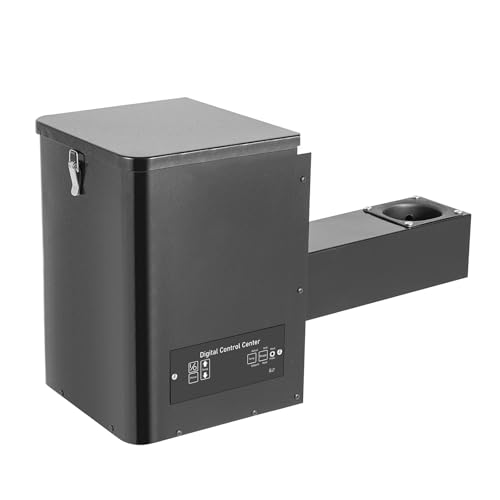
Durable & Sturdy: The cold-rolled plate shell with spraying 600 ℃ high-temperature black sand grain powder, the stainless steel firepot with a thickness of 1.88mm, and the square steel delivery screw stem offer corrosion resistance, heat resistance, and wear resistance.
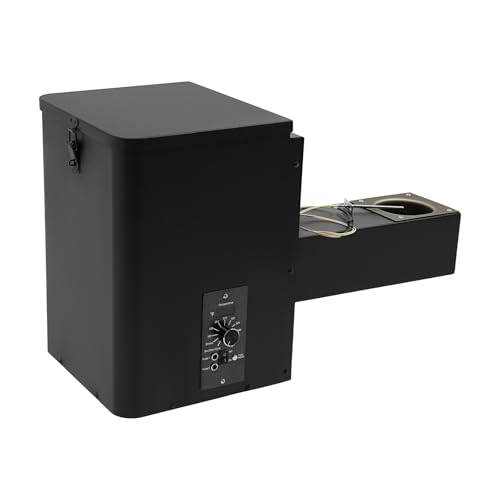
【Built to Last】: Made of iron with the spraying process, the product is rust-proof, heat resistant, and hard to deform and break, ensuring high hardness and excellent durability.
Temperature Management and Food Safety Standards
Proper temperature management separates successfully reheated smoked turkey from a dry, disappointing result. You’ll reach the USDA’s mandatory 165°F internal temperature by checking the innermost thigh, wing, and thickest breast section with a meat thermometer. Avoid exceeding 170°F, which risks compromising texture.
Your time constraints demand strategic planning. At 275°F, you’ll need 5-7 minutes per pound covered. Understanding carryover cooking proves essential—residual heat continues raising internal temperature after removal, so pull your turkey at 160°F to reach 165°F safely. For larger turkeys over 12 pounds, add 10 minutes covered cooking time per pound to ensure even reheating throughout the entire bird.
Let your reheated turkey rest 15-20 minutes before carving. This standing period allows juices to redistribute throughout the meat, enhancing moisture retention and overall quality. Just as the internal temperature reaches 165°F in the breast and 175°F in the thigh for food safety when smoking, these same temperature principles apply when reheating your smoked turkey. Preheat your oven to 350°F before placing the smoked turkey on a wire rack with 1 cup stock to maintain moisture during the reheating process. Start from refrigerated state, never room temperature, ensuring food safety compliance throughout the entire reheating process. Preventing overcooking with high heat ensures your smoked turkey maintains optimal moisture and texture during the reheating process. Allowing the turkey to rest after reheating helps ensure maximum moisture retention before serving. Using a probe thermometer during reheating provides the same accuracy advantage as when initially smoking the turkey, eliminating guesswork and preventing overcooking. Covering your turkey in foil during the resting period helps retain heat and moisture just as it does after the initial smoking process.
Pre-Reheating Preparation and Resting Techniques
Before you reheat your smoked turkey, you’ll need to thaw it properly—a process that requires two to three days in refrigeration rather than at room temperature. Slow thawing prevents bacterial growth and guarantees even thawing phases throughout the meat, maintaining quality and food safety.
For pan preparation tactics, use a shallow roasting pan with a roasting rack that elevates your turkey above liquid, preventing sogginess. Add water or broth to the bottom, then wrap the turkey tightly in heavy-duty aluminum foil to seal moisture. Preheat your oven to 300°F before placing your wrapped turkey inside to ensure consistent, gentle reheating. Consider adding a tablespoon of liquid crab boil to the broth for enhanced flavor during the reheating process.
After reheating reaches target temperature, rest your turkey for fifteen to twenty minutes. This resting period allows juice redistribution throughout the meat, preventing moisture loss when carving. Keep it covered during rest to maintain heat while stabilizing internal temperature. Rinsing and air-drying all parts thoroughly before storage helps maintain food quality and prevents contamination. Label the package with the storage date to help track how long your leftover turkey has been in the freezer. If you plan to share leftovers with your dog, avoid giving them seasoned portions and remove the fatty turkey skin, which can cause digestive issues. Monitor with a meat thermometer to ensure the turkey reaches the proper internal temperature without overcooking. For quick temperature checks during the resting phase, an instant-read thermometer provides fast and accurate readings to verify doneness without prolonged heat exposure.
Flavor Enhancement and Moisture-Boosting Additions
Since moisture retention and flavor amplification work hand-in-hand during reheating, you’ll want to strategically layer liquid additions throughout your process. Start by pouring one to two cups of chicken broth or apple cider into your roasting pan’s bottom, creating a steamy environment that preserves juiciness. Incorporate herb infusions by placing fresh herb sprigs inside the cavity alongside citrus wedges—this amplifies smoky flavors without traditional stuffing.
During reheating, employ spritz applications using broth or apple cider every fifteen minutes. This technique maintains moisture while boosting flavor complexity. Apply your spritz before the final crisping stage to preserve internal juiciness without compromising skin texture. Light spritzing post-foil removal enhances crispiness further. Using an instant-read thermometer ensures accurate temperature monitoring throughout the reheating process. Just as with smoking poultry, using a reliable meat thermometer is essential to verify doneness rather than relying solely on time. If you’ve properly stored your smoked turkey through refrigeration at consistent temperatures, it should maintain optimal quality for reheating within 4 days. Before serving, ensure all portions are reheated to at least 165°F to guarantee food safety. Like other smoked meats, proper refrigeration just above freezing helps prevent the growth of harmful bacteria during storage. For an extra layer of moisture and richness, consider making a flavorful gravy from drippings to serve alongside your reheated turkey. These moisture-boosting additions work synergistically, ensuring your smoked turkey reaches 140°F-145°F internally while remaining succulent throughout.
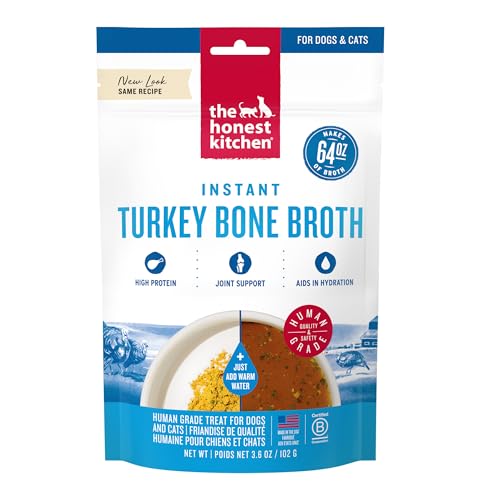
Human Grade Bone Broth + Easy Prep: Human grade cat and dog bone broth made with real turkey and produced in a human food facility for the highest safety standards. Simply add warm water to create a rich, homemade-style broth in minutes. This 3.6 oz container makes over 2 quarts (about 64 ounces), delivering convenient, nourishing hydration and flavor your dog or cat will love at every meal.

No hydrogenated fats or high fructose corn syrup allowed in any food

One (1) 32 oz carton of Pacific Foods Organic Chicken Bone Broth With Sea Salt
Wrapping and Sealing Techniques for Optimal Results
The foundation of successful smoked turkey reheating rests on creating a sealed, moisture-rich environment that’ll transform your bird from potentially dry to genuinely succulent. You’ll cover your entire turkey with foil before placing it in a preheated 325°F oven, ensuring no gaps compromise the seal around your roasting pan’s rim. Your foil arrangement variations should account for turkey size—loosely tent smaller birds while sealing larger ones completely against the pan edges to trap steam effectively.
Pour selective moisture levels into your pan’s bottom: typically 1/2 to 1 inch of water, broth, or apple juice. Position your turkey on a rack above this liquid, creating a self-basting steam environment. Remember that your smoked turkey from Gartner’s Meats is fully cooked, so you’re simply restoring moisture and warmth rather than cooking it through. Check your turkey’s internal temperature with a thermometer to ensure it reaches 145°F. Just as with smoking turkey breast, where internal temperature serves as the best indicator of doneness, monitoring your reheating progress prevents overcooking. This approach mirrors the principle that maintaining steady temperature is crucial for achieving optimal moisture retention throughout the cooking process, similar to how proper storage below 40°F is essential for maintaining quality and safety of smoked meats. To protect your outdoor cooking surfaces from grease splatters during future smoking sessions, consider using heat-resistant grill mats that extend beyond your grill’s footprint. Maintain this sealed setup until 10-15 minutes before reaching your target 140°F internal temperature, then expose briefly for skin crisping.

Handi-foil ECO-Foil Ultimates Giant Oval Rack Roaster with Handles

FULL SIZE 20.5 x 12.5 x 2.75 IN: Each pack holds 2 Glad full size deep steam table pans in aluminum foil, 20.5 x 12.5 x 2.75 inches each. A roomy large aluminum pan for big batches, holiday sides, potlucks, and buffet-style serving.

HEAVY DUTY ALUMINUM PANS: This package contains one Reynolds Heavy Duty Disposable Roaster Pan, measuring 16 x 13 x 3.25 inches
Monitoring Progress and Checking for Doneness
While your sealed turkey reheats, you’ll need accurate temperature monitoring to guarantee your target internal temperature and safeguarding the moistness you’ve worked to preserve. Insert a probe thermometer into the thickest part of the thigh before covering with foil, positioning the sensing tip approximately 1½ inches from the stem end for reliable readings. Leave-in thermometers with external monitors eliminate repeated oven-door openings that cause heat loss. Verify your thermometer’s accuracy by placing the stem in boiling water for one minute—it should register 212°F. Once your smoked turkey reaches 140°F-145°F, perform multiple temperature checks at different thigh locations to validate even reheating. Take final readings after resting periods for accurate doneness verification. For added convenience during extended reheating, consider wireless models with app connectivity that allow remote temperature monitoring without opening the oven. If you frequently reheat large cuts of meat, look for probe thermometers with reliable Wi-Fi connectivity that maintain a stable connection throughout longer cooking sessions. For through-house monitoring while you prepare side dishes, thermometers using radio frequencies like 433 MHz provide superior range compared to Bluetooth-only models. For optimal precision during reheating, invest in a thermometer with ±0.5°F accuracy to ensure you hit your target temperature without overcooking the meat. After reheating, clean your probe thermometer with warm, soapy water to remove any food residue and maintain hygiene for future use. Both the National Turkey Federation and USDA recommend using a meat thermometer to ensure both quality and safety throughout the reheating process.
Carving and Serving Your Reheated Smoked Turkey
Once your reheated smoked turkey reaches the proper temperature and you’ve allowed it to rest for up to an hour, you’ll want to carve it methodically to preserve both its heat and the smoky flavors you’ve worked to maintain throughout the reheating process. Work on a designated cutting board using sharp carving knives for efficient, controlled cutting motions. Pull legs and thighs away from the breast, then separate drumsticks from thighs at the joint. Remove breast meat with confident sweeping strokes along the keel bone, slicing against the grain for tenderness. Section wings into individual pieces, preserving concentrated smoky saltiness. Transfer carved portions immediately to a warm platter, arranging them separately for visual appeal. Finish with a light olive oil brush to enhance appearance and maintain moisture. Arrange the carved pieces in an organized manner on the platter to allow easy access for your guests. For best results, carve the turkey in the kitchen rather than at the table to better control temperature and presentation throughout the serving process. Allow the carved turkey to rest for 5-10 minutes before serving so the juices can redistribute evenly throughout the meat.