You’ll achieve perfectly grilled salmon in foil by timing based on fillet thickness. Cook 1-inch fillets for 8 to 12 minutes over high heat in sealed packets. Thicker pieces exceeding 1.5 inches require 14 to 18 minutes at medium-high temperatures with the grill covered. Target an internal temperature of 130-135°F for medium doneness with a moist, flaky texture. Monitor for minimal protein exudation to confirm proper doneness. Understanding the specific techniques that elevate your results requires examining preparation methods and heat zone strategies more thoroughly.
Cooking Time Guidelines
Grilling salmon in foil doesn’t require guesswork—you’ll want to dial in your timing based on three key variables: fillet thickness, grill temperature, and your cooking method. For thinner fillets around 1-inch thick, plan on 8 to 12 minutes over high heat in sealed foil packets. Thicker pieces exceeding 1.5 inches demand 14 to 18 minutes at medium-high temperatures. Standard medium-high heat typically completes most fillets in 10 to 15 minutes with the grill covered for even heating. Your marinade options and sauce accompaniments won’t appreciably alter these timeframes, though they enhance flavor complexity. This simple grilling method makes it an ideal choice for anyone seeking a healthier cooking approach. The thickest portions dictate your total duration, ensuring thorough cooking without drying delicate flesh. Use a meat thermometer to verify that salmon has reached the FDA-recommended internal temperature of 145 degrees Fahrenheit at the center of the thickest part. Once removed from the grill, let the salmon rest for a few minutes to allow the juices to redistribute throughout the fish. For an alternative approach, consider that soaking cedar planks in water for 1-3 hours before grilling can prevent burning while adding a subtle smoky wood flavor to your salmon. A simple marinade of olive oil, lemon juice, and spices like garlic powder can infuse your salmon with restaurant-quality flavor during the grilling process. Before placing salmon in foil, drying the fish thoroughly with paper towels helps prevent sticking and promotes better browning during the grilling process. To prevent sticking and ensure clean grill marks, remember to oil the grill grates before placing your foil packets on the cooking surface.
Temperature and Doneness Indicators
Once you’ve nailed your cooking time, you’ll want to monitor your salmon’s internal temperature to guarantee you’ve achieved your preferred doneness level. Insert an instant-read thermometer into the thickest part, avoiding bones, and remove the salmon 3-5°F below your target temperature to account for carryover cooking.
For medium-rare, aim for 120-125°F with a translucent center. Medium reaches 130-135°F with a moist, flaky texture. The USDA safe minimum sits at 145°F for fully opaque flesh. Cooking below 145°F increases your risk of foodborne illness, so ensure your fish is very fresh and carefully handled if you prefer lower temperatures.
Beyond thermometer readings, observe your salmon’s visual appearance as confirmation. Minimal protein exudation indicates proper doneness, while excessive white protein suggests overcooking. The flesh should metamorphose from translucent raw to opaque cooked, retaining slight translucency for medium-rare. Cooking salmon in foil helps retain moisture and creates a herby, sweet marinade that enhances the natural flavors. Grilling at lower temperatures can help reduce the formation of carcinogens such as HCAs, which develop when proteins are exposed to direct high heat. Overheating can cause albumin leakage, resulting in the undesirable white protein buildup on the surface. If you’re considering upgrading your equipment, models with cast iron grates provide excellent heat retention and distribution for consistent cooking results. Rest your salmon five minutes post-grill, allowing juices to redistribute and temperature to rise naturally. Just as with grilling, using a meat thermometer ensures precision when cooking salmon through alternative methods like smoking. If you have leftover grilled salmon, cool it completely before tightly wrapping in plastic wrap and aluminum foil to prevent freezer burn.
Thickness-Based Cooking Adjustments
Your salmon’s thickness is the primary determinant of cooking time and heat zone strategy, making accurate measurement essential before you start grilling. Measure at the thickest point to guarantee precision.
Thin fillets (¼–½ inch) cook entirely over direct medium-high heat without zone changes. Medium fillets (1 inch) benefit from direct heat searing followed by indirect heat finishing. Thick fillets (1.5–2 inches) require 6-8 minutes on direct heat, then 4-10 minutes on indirect heat.
Apply the standard 6-8 minutes per inch of thickness guideline consistently. Skin-on fillets add 1-2 minutes but provide protective benefits preventing flesh dryness. When using marinades and basting techniques, apply them after the initial sear to prevent charring. For optimal results, maintain consistent grill temperature throughout the cooking process to ensure even doneness. Frozen salmon adds 2 minutes regardless of thickness. Oiling the grill grates before cooking prevents the foil packet from sticking and ensures easy removal when your fish is done. Always rely on a thermometer reading of 145°F rather than time alone to ensure your salmon reaches the proper internal temperature. Thawing frozen seafood beforehand ensures even cooking and prevents the exterior from overcooking while the interior remains cold. Adjust your two-zone approach proportionally to prevent burnt exteriors with raw interiors. Consider placing a grill mat for decks beneath your grill to protect your outdoor surface from grease drips and heat damage during extended cooking sessions.
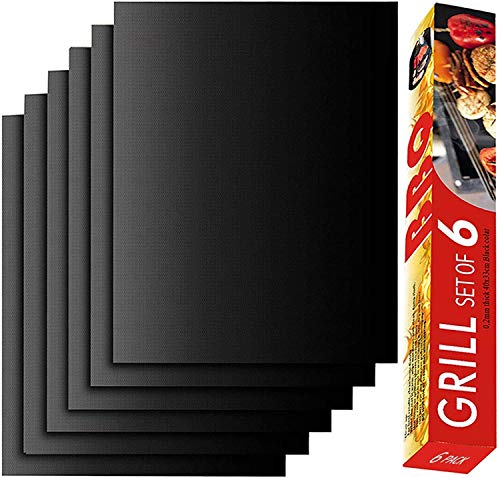
1.NO BETTER CHOICE - Thicker does not mean better. Our grill mat is thin enough to leave grill marks and flavor intact,and thick enough to provide ultimate heat resistance and durability.6 pack of grill mats can meet the needs of the dinner from time to time; when they are spare, you can cut them to any size or shape to fit any need. Also doubles as a bake mat

100% Safe & Non-Stick: 100% Non-Stick bbq grill mat mean you could grill without grease.The copper grill mat prevents even the smallest morsels from falling through the grates. Keep your grill looking like brand-new and no more clean-up of your dirty grill

Enhanced Ventilation with Grid Design: Our mesh grill mat features a unique grid design that effectively enhances ventilation, ensuring even heating of the food and avoiding issues such as localized overheating or uneven cooking.
Pre-Grilling Preparation Steps
Before you place salmon on the grill, several preparation steps’ll determine whether you achieve a beautifully seared exterior with a moist, evenly cooked interior. Start with moisture removal by patting your salmon dry with paper towels—excess surface water prevents browning and promotes sticking. Next, season both sides evenly with kosher salt and freshly cracked pepper, or apply your preferred marinade and refrigerate for twenty minutes.
Allow temperature equilibration by bringing your salmon to room temperature before grilling. This guarantees even cooking throughout the fillet, eliminating undercooked centers with overcooked exteriors. Meanwhile, prepare your grill station by cleaning grates thoroughly with a grill brush, then oil them with high-heat oil using tongs and a paper towel. Preheat your grill for ten to fifteen minutes, establishing the hot, clean surface necessary for proper searing and preventing sticking. Aim for a grill temperature of medium-high heat between 375-450°F to ensure the salmon cooks through while developing good color and texture. For an alternative cooking method that infuses natural minerals while searing, consider using a Himalayan salt block preheated gradually to at least 450°F for optimal results. If you plan to use a pizza stone for indirect grilling, consider a cordierite stone that can withstand high temperatures up to 1,800°F and provides excellent heat distribution. For optimal results with delicate fish like salmon, select a Weber Gourmet BBQ Pizza Stone that offers even heat distribution and compatibility with most standard grill grates. For grilling in foil, keep the skin on the salmon to prevent the delicate flesh from sticking to the foil while maintaining moisture during the cooking process. Before grilling, check for pin bones by running your fingers along the salmon fillet and removing any bones with tweezers for a better eating experience. If not using foil, ensure your grill grates are clean and oiled to prevent the fish from sticking and to facilitate easier flipping during the cooking process.

Graza Frizzle Oil Made from 100% Olives: A neutral-flavored, high heat cooking oil made from 100% peak harvest olives. With a smoke point of up to 450 degrees, Frizzle is your high-heat kitchen hero. 1 bottle/750ml.

Healthy High Heat Oil: Expeller-pressed from fresh avocados and protected in our iconic light-blocking tin, this smooth, neutral oil preserves freshness and flavor. Fire up the grill, sear the perfect steak, or master a golden, crispy fry — all without losing the natural taste of your ingredients. With a high smoke point and everyday versatility, Sear & Sizzle should be every kitchen’s secret weapon.

All-Natural Ingredients: Made with pure oil, free of additives and artificial flavors.
Foil Packet Construction Methods
Constructing properly sealed foil packets sets up the foundation for even heat distribution and moisture retention throughout your grilling process. You’ll start by selecting appropriate foil packet size—14 x 12 inch pieces work well for individual fillets, while 18-20 inch lengths accommodate larger portions. Choose heavy-duty foil types to avoid tears during the folding process. Position the shiny side upward for maximum heat reflection.
Next, spray your foil with cooking spray and lightly coat the salmon side with olive oil. Layer vegetables evenly in the center, then place your salmon fillet atop the vegetable pile. Add lemon slices and your seasoning mixture, distributing flavors uniformly. Combine cut vegetables in a bowl before layering to ensure consistent preparation. Consider tossing vegetables with olive oil and seasonings like garlic or rosemary before adding them to your packet for enhanced flavor. Seal the foil packets well to prevent steam and juices from escaping during the cooking process.
Finally, fold long sides toward the middle, crimp edges securely, and roll in the ends. Maintain a tight seal to prevent steam leakage during grilling. Use oils with a high smoke point applied directly to the salmon to prevent burning and ensure optimal flavor transfer. For best results, opt for neutral-flavored oils like refined avocado, canola, or grapeseed that won’t overpower the delicate taste of salmon. If you prefer a more direct grilling method with defined sear marks, consider using a pre-seasoned cast iron grill pan instead of foil packets for superior heat retention and restaurant-quality results. Be mindful that high grilling temperatures can cause aluminum particles to leach into your food, so avoid letting the foil directly contact open flames.

400 Sheets Tinfoil Roll:Made from 100% aluminum with a thickness of 20 microns,each measuring 12" W x 10.5" L. The box dimensions are 12.60" W x 5.90" D x 3.14" H.

Pre-Cut Foil Sheets for the Grill-This package contains five boxes of 30 Reynolds Wrap Pre-Cut Pop-Up Heavy Duty Aluminum Foil sheets, measuring 14 x 10.25 inches each

Pre-Cut Foil Sheets—This package contains five boxes of 50 Reynolds Wrap Aluminum Foil sheets, measuring 14 x 10.25 inches each. 250 sheets total.
Getting Your Grill Ready
Properly preparing your grill creates the ideal cooking environment for salmon foil packets. You’ll want to complete several grill preheating checks before cooking. First, inspect your grates for debris and brush them thoroughly with a wire brush after preheating to remove residue. This guarantees your packets won’t stick.
Next, consider your fuel type selection. For direct heat cooking, preheat to medium-high heat (425°F) for 10-12 minutes over direct flames. If you’re using indirect heat, turn off burners positioned under where you’ll place foil packets. With charcoal, position coals to one side for consistent indirect cooking.
Monitor temperature consistency during the entire preheat phase. Ensure your grill reaches the target temperature completely before transferring your foil packets onto the grate for optimal results. Clean grates prevent the foil packets from tearing during placement and movement on the cooking surface. Grilling salmon in foil makes cleaning the grill easier compared to cooking directly on the grates.
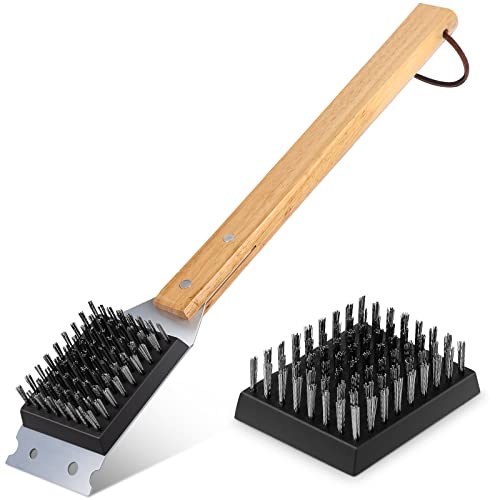
Efficient 2-in-1 Grill Scraper: Cut cleaning time with this dual-action tool. The sharp stainless steel scraper chips away stubborn residue, while thick bristles remove heavy grease instantly. The ultimate solution for restoring dirty gas or charcoal grills quickly

【The Safest Bristle Free Grill Cleaner】:No wire bristles at all, no melting like nylon grill brushes; With this safe grill brush and scraper, your food will stay 100% Bristle Free. No more worry about swallowing some metal pieces, Let's free to gobble up some favorite barbecue! Save your effort and time, let’s just have fun! (PATENTED design)

【[WIRE & Helix] 2 in 1 combo brush - Safe + Efficient】A Wire & Helix integrated brush -Wire brush side can efficiently clean stubborn stains left on grill, then helix side can dually clean it to ensure no possible stray wire can possibly stay on your grill. With this bbq grill brush, you can have the fast-cleaning efficiency of wire brush &stay away from wire ingesting case at the same time. Ever wanna keep your food stay 100% safe, but hate to give up faster cleaning?You'll love it
Monitoring Your Salmon During Cooking
Once your foil packets hit the grill grates, maintaining consistent heat becomes critical to achieving perfectly cooked salmon. You’ll want to resist the temptation of lid peeking, as opening your grill disrupts temperature distribution and unnecessarily extends cooking time.
Instead, deploy thermometer utilization as your primary monitoring strategy. A leave-in probe thermometer inserted into your thickest fillet section eliminates guesswork while keeping your lid closed. Set the high-temperature alarm to alert you when your salmon approaches your target doneness—125°F for medium-rare or 130°F for medium. For the most reliable monitoring, consider wireless grill thermometers that use radio frequencies or Bluetooth to transmit temperature readings directly to your phone or base unit. The salmon is cooked when it reaches an internal temperature of 145°F, ensuring food safety and optimal texture.
For foil-wrapped salmon, anticipate 14 to 19 minutes total cooking time depending on fillet thickness. Thicker cuts require approximately 4 additional minutes per 0.5-inch increment. Keep the grill lid closed to maintain consistent cooling temperature and prevent heat loss. Models like the Fireboard Pulse excel in real-world range tests and high-heat tolerance, making them ideal for hands-off grilling precision. Budget-conscious grillers can achieve similar monitoring precision with the ThermoPro TP20, which offers dual probes and a 300-foot wireless range at under $45. If you need a quick spot-check without opening your foil packets completely, the ThermoWorks Thermapen ONE delivers readings in just 1 second with ±0.5°F accuracy. If you’re cooking outdoors away from home, a portable gas grill with reliable ignition and strong BTU output ensures you can maintain the steady heat needed for foil-packet salmon. This hands-off approach guarantees even cooking and superior texture development.
Post-Cooking Handling and Rest Time
Your salmon’s journey isn’t complete the moment it reaches target temperature—in fact, pulling it off the grill at 125°F–130°F initiates carryover cooking, where residual heat continues raising the internal temperature 5–20°F during rest.
Loosely tent your salmon with foil to retain warmth while preventing surface condensation that compromises crust texture. This rest quality directly impacts your final result. Allow 3–5 minutes for the flesh to turn completely opaque and proteins to relax, distributing juices throughout the fillet for maximum juiciness enhancement. This brief resting period after cooking mirrors the technique used for other grilled seafood, allowing the proteins to finalize their texture and redistribute moisture evenly.
Check the thickest portion to confirm doneness—properly rested salmon reaches the FDA’s 145°F safety standard without overcooking. Use a meat thermometer to verify the internal temperature accurately, ensuring your salmon is both safe to eat and perfectly cooked. The carryover effect eliminates the need for additional heat exposure, delivering perfectly tender, flaky salmon ready for serving. If you have leftovers, store them at or below 40°F and consume within three to four days following USDA guidelines for cooked fish safety. Pat the salmon dry with paper towels before grilling to prevent sticking, as high moisture content in salmon can cause it to adhere to the grill grates. After your cookout, use a grill cleaner to remove any fish residue from the grates while they’re still warm for easier maintenance. For future grilling sessions, apply high-temperature cooking oils like vegetable or canola oil to your grates before cooking to create a non-stick surface and prevent delicate fish from tearing.