You’ll master grilled salmon by preheating your grill to 450°F and positioning skin-side down to seal moisture and flavor. Choose 6-8 ounce center-cut fillets, pat them dry, and season with lemon, olive oil, salt, and pepper. Monitor the internal temperature to 135-140°F using a digital thermometer. Reduce heat to 350-400°F after the initial sear for even cooking. Gently flip only once to avoid breaking the delicate flesh. These foundational techniques form the basis for consistently exceptional results.
Grill Temperature and Setup
Success with grilled salmon starts with understanding that temperature is your foundation—it’s what separates a properly seared exterior from an overdone, dry fillet. You’ll want your grill preheated to approximately 450°F for direct grilling. This optimal grill layout creates ideal searing conditions without drying the flesh.
Before placing salmon, clean your grates thoroughly with a wire brush and oil them to prevent sticking. Position your salmon skin-side down initially—this seals in flavors during the first phase. Verify your grill’s readiness by holding your hand an inch above the grates; you shouldn’t tolerate the heat for more than a couple seconds. Using a digital instant-read thermometer inserted into the thickest part of the fillet will give you the most accurate reading once the salmon is cooking, and you should aim to remove it at an internal temperature of approximately 135 to 140°F as residual heat will continue cooking it to the FDA-recommended 145°F. For skin-on salmon, keeping the skin intact during grilling adds enhanced flavor and protection.
Maintaining grill temperature consistently throughout cooking ensures even results. After your initial sear, reduce heat to 350-400°F for the remaining cook time, preventing the salmon from shifting rapidly from underdone to dry. For serious outdoor cooks who want to monitor temperature without standing at the grill, a wireless grill thermometer with reliable Bluetooth or radio-frequency range lets you track your salmon’s progress from inside your home. An infrared surface thermometer can help you identify hot zones on your grill grates, ensuring you place your salmon fillets in areas with uniform heat distribution. For an alternative method that delivers exceptional moisture retention, consider grilling on cedar planks soaked in water for 1-3 hours, which prevents burning while imparting a subtle smoky wood flavor. Oiling the grill grates before cooking is essential to prevent the delicate fish from sticking and breaking apart when you attempt to flip or remove it.

Smart Display Base with Control: The ThermoMaven G1 wireless meat thermometer features a versatile smart display base that offers real-time temperature readings and allows you to set temperatures directly on the device—no app required. With our user-friendly one-click setup, you can connect the probe, pair it with the base, and start cooking in seconds—no complicated setup needed!

Smart Display Base: Unlike other thermometers that require an app to function, the P2’s smart base provides direct target temperature setting and real-time readings display. For advanced features like cooking history and AI-guided cooking, the free ThermoMaven APP (iOS/Andriod) is also available, giving you the best of both worlds.

SMART BASE CONTROL: Set temperatures, monitor progress, and receive alerts directly from the base without needing your phone nearby.
Selecting and Preparing Your Salmon
The quality of your grilled salmon depends entirely on selecting the right fillet and preparing it properly. Salmon quality variation greatly impacts your results, so choose skin-on center-cut fillets that are 1-1.5 inches thick. Avoid thin tail-end pieces, which cook unevenly. Select 6-8 ounce portions per person.
Fillet thickness variations require meticulous attention during preparation. Thaw frozen salmon in your refrigerator for at least 7 hours, then pat it dry thoroughly with paper towels. Remove any visible bones manually and rinse under cold water. Popular options like Copper River Salmon, Tasmanian Salmon, and Coho Salmon each offer distinct flavor profiles that can elevate your grilling experience. Skin-on fillets are particularly valuable because they prevent sticking on the grates during direct grilling.
Season your fillet skin-side down with fresh lemon juice, olive oil, salt, and pepper. For enhanced flavor, you can create a marinade with olive oil, lemon juice, and spices such as garlic powder and paprika or Cajun seasoning for a spicy option. Marinating briefly with flavorful ingredients enhances the taste without compromising the delicate flesh. Bring it to room temperature for 20 minutes before grilling. This guarantees even cooking throughout. If you’re working with leftover grilled salmon, store it tightly wrapped in the refrigerator and consume within three to five days to maintain optimal freshness and safety. For longer storage, you can freeze cooked salmon for up to three months when properly wrapped in plastic wrap and aluminum foil. After grilling, allow the fish to rest briefly before serving to help the juices redistribute evenly throughout the fillet.


WILD CAUGHT SALMON: Fished from a plentiful species and an exceptional value. A convenient and shelf-stable food that's perfect for stocking your pantry at home or bringing on the go. Canned in traditional pack-style with skin and bones.

Essential Preparation Techniques
Once your salmon’s been properly selected and seasoned, you’ll want to shift your attention to your grill itself—because even perfectly prepared fish won’t deliver restaurant-quality results on an inadequately heated or maintained cooking surface. Begin by preheating your gas grill to 450°-550°F over 10-15 minutes, then scrub grates thoroughly with a grill brush. For charcoal, use a chimney starter and allow 20 minutes until white ash covers briquettes. Close the lid for an additional 10 minutes to establish temperature consistency throughout your cooking chamber. Next, brush grates generously with high smoke point oil like avocado or grapeseed using tongs and a saturated kitchen towel. This critical grill grate maintenance prevents sticking and guarantees premier searing performance for your salmon. If you prefer to avoid wire brushes due to safety concerns, you can clean your grates using crumpled aluminum foil combined with a baking soda paste to effectively remove residue. Another chemical-free option is to use half a raw onion rubbed along the grill grates to remove light carbonization and charred food. For deep cleaning once or twice per grilling season, soak grates in a mixture of vinegar and baking soda to remove stubborn buildup and maintain optimal performance. A clean, hot grill is essential for preventing the salmon from sticking and ensuring even cooking results. You can test your grill’s readiness by holding your hand 3-4 inches above the grates to confirm the temperature is adequate before placing your fish on the cooking surface. While some grillers line their grates with foil for easier cleanup, this practice can restrict airflow and heat, leading to uneven cooking that compromises your salmon’s texture and doneness. If you do use a wire-bristle brush, always inspect your grates carefully afterwards to ensure no stray bristles remain that could contaminate your food.

Light Buttery Flavor That Elevates Every Meal: Algae Cooking Club Chef-Grade Algae Oil enhances every dish with subtle richness. Its neutral profile makes it ideal for searing, baking, and dressings, transforming everyday meals into gourmet experiences.

Graza Frizzle Oil Made from 100% Olives: A neutral-flavored, high heat cooking oil made from 100% peak harvest olives. With a smoke point of up to 450 degrees, Frizzle is your high-heat kitchen hero. 1 bottle/750ml.

Graza Frizzle Oil Spray Made from 100% Olives: A neutral-flavored, high heat cooking oil made from 100% peak harvest olives. With a smoke point of up to 450 degrees, Frizzle is your high-heat kitchen hero. 1 can/5 oz.
Oiling and Seasoning Your Fillets
Your salmon fillets won’t achieve that coveted golden crust without proper oiling and seasoning, two critical steps that work together to prevent sticking and enhance flavor. Start by pat-drying your fillets with paper towels to remove excess moisture, which prevents proper browning and increases sticking probability.
Apply high-heat oil directly to the fish flesh and skin rather than the grates. The ideal timing of oil application occurs immediately before grilling for maximum effectiveness. Guarantee importance of even oil coverage on both sides, paying special attention to edges nearest the skin. This protective barrier allows superior texture and browning. Using avocado oil or melted butter as your oiling medium will provide the best results at the high temperatures required for grilling. Choose oils with high smoke points to withstand the intense heat needed for proper searing. Refined avocado, peanut, safflower, and canola oils are excellent choices because their elevated smoke points allow them to reach grilling temperatures without burning. Leaving the salmon skin on during cooking helps retain moisture and adds structural integrity to your fillets.
Season after oiling with coarse sea salt and freshly cracked black pepper on both sides. Fresh herbs and specialty spice blends complement salmon’s natural profile beautifully. Save lemon juice for finishing after cooking to enhance flavor without interfering with the grilling process. For consistent heat distribution that prevents hot spots and ensures even cooking, consider placing your salmon on a preheated cordierite stone rated for high temperatures. Grills with cast iron grates provide excellent heat retention and searing ability that creates beautiful grill marks on your salmon. A cast iron griddle placed on your grill offers superior heat distribution and even cooking temperatures, making it an excellent surface for achieving perfectly seared salmon fillets.

America's #1 Avocado Oil for Cooking — Every batch of Chosen Foods avocado oil is independently tested to confirm 100% pure avocado oil with no fillers or seed oil blends. Our purity standard was verified by UC Davis as one of only two avocado oil brands to pass their rigorous quality test. This bottle delivers the clean, neutral taste and consistent high-heat performance that has made Chosen Foods the avocado oil of choice for home cooks, professional chefs, and clean-eating households across the United States.

Healthy High Heat Oil: Expeller-pressed from fresh avocados and protected in our iconic light-blocking tin, this smooth, neutral oil preserves freshness and flavor. Fire up the grill, sear the perfect steak, or master a golden, crispy fry — all without losing the natural taste of your ingredients. With a high smoke point and everyday versatility, Sear & Sizzle should be every kitchen’s secret weapon.

America's #1 Avocado Oil for Cooking — Every batch of Chosen Foods avocado oil is independently tested to confirm 100% pure avocado oil with no fillers or seed oil blends. Our purity standard was verified by UC Davis as one of only two avocado oil brands to pass their rigorous quality test. This bottle delivers the clean, neutral taste and consistent high-heat performance that has made Chosen Foods the avocado oil of choice for home cooks, professional chefs, and clean-eating households across the United States.
Mastering the Skin-Side Down Method
Why does skin-side down cooking produce superior results? The salmon’s skin creates a protective barrier between delicate flesh and grill grates, preventing sticking while oil releases naturally as lubricant. You’ll cook skin-side down for roughly 90% of total time—approximately 4 to 8 minutes depending on thickness—maintaining your grill at 450°F to 550°F.
Monitoring skin sizzle tells you when structural integrity develops. The flesh will visibly lighten and firm as you approach readiness. Maintaining visual cues matters: watch for opaque cooked flesh nearest the heat and grill marks forming on the surface. These indicators signal proper searing completion. For optimal results, lightly oil the grill before placing salmon to enhance non-stick properties and promote even cooking. Check for and remove any bones before grilling to ensure a pleasant eating experience. To protect your deck surface from grease splatters and heat damage, consider placing a heat-resistant grill mat beneath your grill that extends beyond its footprint. If you want to eliminate hot spots and achieve more even heat distribution, consider using porcelain-enameled cast iron grill plates that excel in heat retention. For delicate fish like salmon that tends to stick, a nonstick cooking mat placed directly on the grates prevents flare-ups while allowing even heat transfer. Alternatively, you can use a grill basket with nonstick surfaces that prevents fish from falling through while ensuring even charring and easy cleanup. The raised ridges on grill pans create authentic sear marks that mimic outdoor grilling while allowing excess fat to drain away from the fish. Once achieved, flip to the flesh side for 2 to 5 minutes at medium heat, monitoring internal temperature until reaching 130°F to 135°F.
Knowing When to Flip
Timing your flip correctly separates a perfectly seared salmon from one that’ll stick to the grates and fall apart. Your flipping timing depends on visual cues rather than guesswork. Watch for opaque edges creeping up the flesh side and light char marks appearing—this indicates the protein’s set enough to handle movement.
For ideal flipping technique, use two tools: position a wide spatula underneath the fillet first, then place a second spatula on top to hold everything together. This dual-tool approach prevents the delicate flesh from separating mid-flip. A fish grilling basket can also be used as an alternative to keep the salmon intact during the cooking process. However, the no-flip method with skin-side down eliminates the need for flipping altogether while retaining healthy fats.
Salmon requires only one flip total during grilling. Resist the urge to check frequently, as opening the lid disrupts consistent heat exposure and extends cooking time. Trust your visual indicators rather than relying on the clock alone. To prevent sticking, wipe the grill grates with a paper towel dipped in vegetable oil before placing the fish. Before you begin grilling, ensure you’ve preheated your grill and applied oil to both the well-seasoned grates and the salmon to minimize sticking. If you’re cooking indoors, a cast iron grill pan with tall ridges can produce excellent grill marks on salmon while retaining heat for superior searing. Protecting your outdoor grill with a heavy-duty vinyl cover helps maintain its performance and extends its lifespan between grilling sessions. For campfire cooking, consider a swivel grill grate that allows you to easily adjust height and rotate salmon away from hot spots.

Durable stainless steel turner is perfect for flipping burgers on the grill
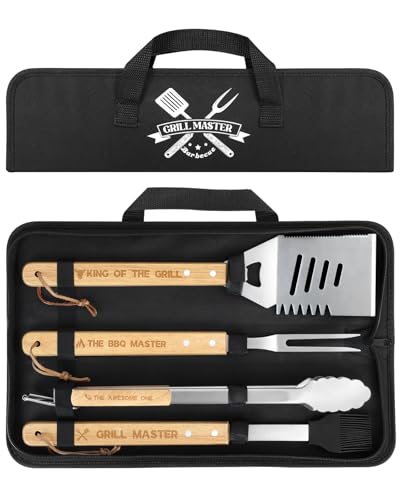
Complete BBQ Tool Set: This grill set includes all the essentials for a perfect barbecue - stainless steel tongs, a fork, a spatula with built-in bottle opener, and a basting brush, all neatly packed in a durable carrying bag for easy storage and portability
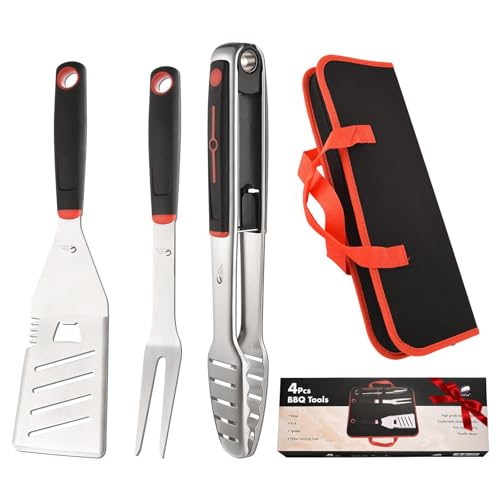
【BBQ Tools Set】This reliable set of grill utensils includes a spatula, fork, and tongs, all made from extra-thick, rust-resistant stainless steel. It also comes with a free storage bag, which is more practical compared to the single-use packaging box.
Finishing Your Salmon
Once you’ve mastered the flip and achieved that perfect sear, the final steps determine whether you’ll serve salmon that’s tender and juicy or dry and disappointing.
Remove your salmon from the grill when the flesh appears lightly translucent at the center. This seemingly undercooked appearance accounts for temperature carryover cooking that occurs during resting. Transfer the fillet immediately to a clean plate to halt direct heat exposure.
Allow a resting time duration of 2-3 minutes before serving. During this critical window, carryover cooking completes the ideal donness level while juices redistribute throughout the flesh, ensuring maximum tenderness. Just as reverse-sear technique works for steak, resting allows your salmon to reach its final temperature without overcooking. Similar to grilled meats, this resting period allows juices to settle back into the protein fibers for optimal moisture and flavor. For precise doneness, check that the salmon has reached an internal temperature of 145°F using a meat thermometer. You can also test doneness by texture or internal temperature, which provides reliable indicators that your fish is perfectly cooked.
Finish with melted butter and fresh lemon juice applied immediately after removal. This simple enhancement complements salmon’s natural flavor without masking it. For enhanced flavor, consider basting with lemon garlic butter during the final minutes of cooking. Avoiding overheating is crucial, as excessive temperatures can cause albumin leakage and result in dry, unappetizing fish. Serve while still warm for the best results.
Common Mistakes to Avoid
Even small errors in preparation, grill setup, and cooking technique can undermine all your efforts to achieve perfectly grilled salmon. You’ll want to avoid over-marinading beyond 30 minutes, as acidic ingredients break down the fish’s texture. Marinade quality considerations matter greatly—cheap ingredients compromise flavor. Remove excess marinade before grilling to prevent burning.
Don’t salt your salmon 30 minutes ahead; you’ll draw out moisture and create a soggy texture. Skip the pat-dry step, and excess moisture prevents browning. Never place cold salmon directly on the grill; uneven cooking and sticking result. Always preheat your grill and oil the grates thoroughly. Excessive marinading effects include mushy, prematurely “cooked” fish. Using a meat thermometer ensures you’ve reached the proper internal temperature and prevents overcooking your salmon. An instant-read thermometer like the ThermoWorks Thermapen ONE gives you accurate results in just one second, taking the guesswork out of doneness. Finally, resist the urge to flip repeatedly or poke your salmon during cooking—you’ll disrupt even heat distribution and cause the fillet to fall apart. Wait for the fish to naturally release from the grates before attempting to flip it, which prevents tearing and ensures proper searing.
Achieving Perfect Results Every Time
Now that you’ve avoided the common pitfalls, you’re ready to execute the technique that’ll yield consistently excellent results.
Mastering the single-flip method is essential for avoiding overcooked texture while maximizing natural flavors. Place your salmon skin-side down on direct heat perpendicular to the grates, keeping the lid closed for 6-8 minutes. This positioning allows the skin to crisp while the flesh stays moist and tender. Aim for a final internal temperature of 140°F to ensure your salmon is perfectly cooked without drying out.
The skin acts as your protective barrier, enabling bottom-up cooking that preserves moisture. When you flip only once, after approximately 90% of cooking completes, you minimize structural damage and maintain the fillet’s integrity.
Finish cooking flesh-side for just 1-2 minutes to achieve medium-rare doneness with a charred exterior. For added flavor enhancement, consider basting with a lemon and butter mixture during the final minutes of grilling. Before grilling, ensure your salmon is thoroughly dried with paper towels to maximize char development and prevent sticking. To prevent the fish from sticking to the grill grates, lightly coat them with cooking spray before preheating. After removing from the grill, allow the salmon to rest tented with foil for 3-5 minutes to let the juices redistribute throughout the fillet. Similar to how resting briefly after grilling helps finalize texture and flavor in delicate seafood, this pause ensures optimal results with salmon. Proper oiling, precise timing, and this disciplined technique guarantee restaurant-quality salmon every time you grill.