
You’ll transform fresh trout into restaurant-quality cuisine by mastering these essential steps. First, clean your trout thoroughly—remove entrails, scales, and the protective slime coating. Season the cavity and exterior with dry spices, then apply oil generously. Preheat your grill to medium-high heat, targeting 375°F for whole fish. Grill fillets skin-side down for 3–5 minutes per side, or wrap whole trout in foil for 15–20 minutes. Verify doneness by checking that flesh turns opaque and reaches proper internal temperature. The techniques for achieving perfect results extend considerably beyond these fundamentals.
Preparation and Cleaning
Before you grill your trout, you’ll need to assess its freshness to guarantee superb flavor and food safety. Examine the eyes—they should be clear and bulging, not sunken or cloudy. Press the flesh gently; it must spring back immediately without leaving indentations. A clean, mild oceanic smell confirms freshness; any strong or overly fishy odor signals spoilage.
Next, rinse your trout under cold water to remove the protective slime coating. Rub salt on the skin, then rinse thoroughly. Pat dry with paper towels. Using a fish scaler will make the scale removal process more efficient and effective.
Make a small incision behind the gills, then gently pull out the entrails toward the tail. Rinse the cavity completely with cold water. Remember to clean the blood vein along the spine for the best flavor and appearance.
For scale removal procedures, hold the tail firmly and scrape a sharp knife from tail toward gills on both sides. Perform a final cold water rinse before grilling to eliminate all blood and debris.
Oil and Seasoning Application
Once your trout’s cavity’s clean and scales are removed, you’ll want to focus on flavoring and oiling—two distinct steps that’ll make the difference between a mediocre and exceptional grilled fish.
Start with pre-seasoning techniques using dry spices only. Season both the cavity and exterior with salt, pepper, and chili powder, adding oregano and garlic powder for variation. This dry approach prevents moisture that causes steaming rather than crisping.
Next, apply oil generously using olive oil, avocado oil, or roasted pumpkinseed oil. Rub it thoroughly on both sides, ensuring even coverage while practicing excess oil avoidance by wiping sparingly. For high-heat grilling, refined avocado oil and other neutral-flavored oils with elevated smoke points are ideal choices for preventing burning. Let the oiled fish reach room temperature for twenty minutes before grilling. Preheating your grill to a high temperature between 450°F and 550°F will ensure proper cooking and crisping. Cast iron griddles provide superior heat distribution across your grill surface, preventing hot spots that can char the fish unevenly. This preparation creates the foundation for superior flavor and texture development on your grill. For best results, monitor the internal temperature to ensure your trout reaches optimal doneness without overcooking. Fresh trout should have mild, nutty flavor that is enhanced by proper oil and seasoning application. Coating with oil ensures the fish develops the crispy skin and charred flavor that makes grilled trout so succulent and juicy.

America's #1 Avocado Oil for Cooking — Every batch of Chosen Foods avocado oil is independently tested to confirm 100% pure avocado oil with no fillers or seed oil blends. Our purity standard was verified by UC Davis as one of only two avocado oil brands to pass their rigorous quality test. This bottle delivers the clean, neutral taste and consistent high-heat performance that has made Chosen Foods the avocado oil of choice for home cooks, professional chefs, and clean-eating households across the United States.

Healthy High Heat Oil: Expeller-pressed from fresh avocados and protected in our iconic light-blocking tin, this smooth, neutral oil preserves freshness and flavor. Fire up the grill, sear the perfect steak, or master a golden, crispy fry — all without losing the natural taste of your ingredients. With a high smoke point and everyday versatility, Sear & Sizzle should be every kitchen’s secret weapon.

America's #1 Avocado Oil for Cooking — Every batch of Chosen Foods avocado oil is independently tested to confirm 100% pure avocado oil with no fillers or seed oil blends. Our purity standard was verified by UC Davis as one of only two avocado oil brands to pass their rigorous quality test. This bottle delivers the clean, neutral taste and consistent high-heat performance that has made Chosen Foods the avocado oil of choice for home cooks, professional chefs, and clean-eating households across the United States.
Grill Preparation and Temperature
All successful trout grilling hinges on proper temperature management and grill setup. You’ll want to preheat your grill to medium-high heat for fillets, targeting 375 degrees F for whole trout. Use an instant-read thermometer to confirm readiness before placing fish—this step’s critical for consistent results.
Maintain steady temperature settings throughout cooking to prevent overcooking thin fillets. For whole trout wrapped in foil, keep your lid down to preserve consistent heat during the preheating duration and cooking process. Before grilling, spritz with olive oil to enhance flavor and prevent sticking. An instant-read thermometer ensures you achieve the target internal temperature of 135-140 degrees F for perfectly cooked fish. Pairing your thermometer with heat-resistant BBQ gloves will keep your hands safe while handling hot grates and adjusting your fish during cooking.
Set up your grill surface strategically: employ a grill basket to prevent sticking and achieve even char on your fish, or create a DIY foil platter by folding edges and oiling the skin side. For delicate items like trout fillets, stainless-steel perforated baskets offer superior char development while simplifying cleanup after your meal. Position your foil packet on the preheated grill with the lid closed, ensuring even heat distribution for ideal cooking results. Choose a grill mat made from heat-resistant materials like PVC or silicone to protect your deck from thermal damage. Protect your deck or patio from grease drips and heat damage by using fire-resistant grill pads underneath your cooking surface.

✔ Product Information: The Grill Basket and Basting Brush are made of 430 food-grade stainless steel, which is reusable and strong, also rust resistant for long term use. Weight of brush is 2.11 ounce and the grill basket is 16.22 ounce
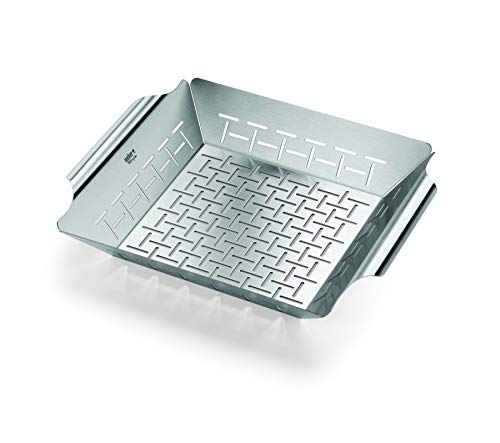
Ideal for vegetables and smaller pieces of meat
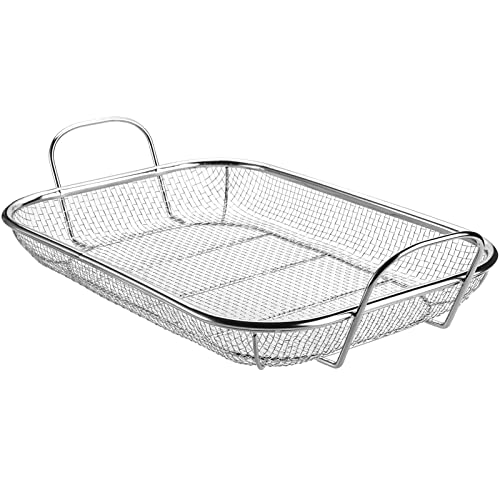
WUWEOT wire mesh roasting pan is made of stainless steel, the frame is thickened and not easily deformed, and the grid mesh bottom is reinforced.
Cooking Technique and Timing
How you cook your trout on the grill depends on whether you’re working with fillets or whole fish, but the fundamental principle remains constant: you’ll achieve the best results by monitoring internal temperature and visual doneness cues rather than relying solely on timing.
For fillets, grill skin-side down at high heat for 3-5 minutes per side. Employ basting techniques with oil or butter throughout cooking to retain moisture and enhance flavor. Whole trout benefits from the foil packet method on indirect heat for 15-20 minutes, seasoned with salt and pepper. Make sure to cut diagonal slashes along each side of the fish before wrapping to allow the seasoning to penetrate the flesh.
When using the foil pan technique, apply seasoning recommendations like lemon pepper liberally and baste with Worcestershire and lemon juice. The tin foil pan method helps maintain moisture while allowing the fish to cook evenly through convection heat. Test doneness by forking at the thickest point until flesh flakes easily and reaches 140°F internally.
Doneness Testing and Finishing
Since visual and tactile cues vary depending on your trout’s form and preparation method, you’ll want to employ multiple testing techniques to confirm doneness accurately. Watch for the fish’s pupil to pop up distinctly—a reliable indicator for whole trout. Simultaneously, observe flesh changing from translucent to opaque coloring throughout the fillet.
For metal utensil testing, insert a thin-bladed knife into the thickest portion and hold it there for three seconds. A warm blade signals medium-rare doneness, perfect for wild-caught trout. Touch the warm blade to your bottom lip to verify the temperature before removing the fish. For the most reliable assessment, use an instant-read meat thermometer inserted into the center of the thickest part of the fish to confirm the exact internal temperature. The best options feature ±0.5°F accuracy for precise temperature readings that ensure perfectly cooked trout every time. When selecting a thermometer, prioritize models with wireless range capabilities to monitor temperature from a distance without repeatedly opening the grill. one-second readings minimize heat loss during testing. Remove the fish five to ten degrees below your target temperature to account for carry-over cooking during resting.
Allow your grilled trout to rest for five minutes, permitting juices to redistribute and temperature to stabilize, ensuring superb texture and flavor. Models like the ThermoWorks Thermapen ONE are praised for their speed and consistency in temperature verification. For best results, serve your finished trout with preferred accompaniments like rice and steamed vegetables.
Foil Packet Alternative Method
For a foolproof grilling method that traps steam and intensifies flavor, you’ll want to master the foil packet technique. Start with foil size selection—cut sheets to 16×16 inches, ensuring adequate coverage for your trout. Apply foil preparation techniques by spraying with non-stick coating or positioning the non-stick side toward the fish. Pat your trout dry, then center it skin-side down on the foil.
Season generously with salt, pepper, garlic, and herbs like dill or thyme. Brush with melted butter and add lemon slices inside the cavity. Fold the long ends loosely first, then crimp edges tightly. Seal the short ends completely, leaving minimal space for steam circulation. The foil packet method prevents your fish from slipping through the grates while allowing it to steam and char slightly for optimal texture. If you’re grilling in wet weather, consider setting up under an awning or canopy for protection while you work with your foil packets. For covered installations, using noncombustible finishes around your grilling area adds an extra layer of safety. Proper preheating ensures even cooking and helps achieve the best results for your foil packet method. For best results, preheat your grill to 375F before placing the foil packets directly on the grates. This method delivers consistent, moist results every time you grill. Use a meat thermometer to verify the internal temperature reaches 145°F for perfectly cooked trout.
Tips for Grilling Success
To achieve perfectly grilled trout, you’ll need to master three essential elements: grill preparation, fish preparation, and proper technique. Maintaining quality requires reaching internal temperatures of 145 degrees Fahrenheit while preventing overcooking through careful timing. Use a thin metal fish spatula with silicone tip for precise flipping once flesh easily separates from grates. Monitor skin adhesion closely—when it releases naturally, you’re ready to flip. Cook fillets ten to twelve minutes total at 375-450 degrees. Test doneness with a fork; flesh should flake easily without appearing dry. Oil your grates thoroughly before cooking to prevent sticking and ascertain even heat distribution. Season your trout with salt, pepper, and lemon juice before placing it on the grill to enhance its delicate, slightly sweet flavor. A fish basket or griddle can help protect delicate fillets from direct contact with grates. Serving trout hot with complements such as lemon wedges or butter-based sauces ensures a consistently delicious result. Remember that trout is better slightly overcooked than undercooked, so err on the side of longer cooking times rather than risking an undercooked fish. These methodical steps guarantee moist, flavorful results every time.

Made of high-quality 430 stainless steel, it offers great heat resistance and rust resistance for repeated grilling use. The sturdy grid stays in shape even at high temperatures for even heating.

【Portable & Convenient】 This fish grill basket features a foldable design with a detachable handle, making it easy to carry and store. Perfect for camping, picnics, or backyard BBQs—take your grill basket anywhere with ease!

[3 Custom Divided Sections]: Opt to divide the grill basket into 3 sections to keep different types of BBQ food separated in case of mixed taste. You can cooking sharps, steaks and vegetables at the same time without mix the flavor with this grilling accessories. Or you can remove the dividers for a more large cooking space