

You’ll nail perfect tuna steaks by selecting vibrant, deeply marbled fish from reputable suppliers. Rub them with extra virgin olive oil, sea salt, and fresh ground pepper. Heat your grill to 500-600°F with a clean, oiled grid. Sear 1-inch steaks for 2-3 minutes per side, pulling at 65°F internal temperature to preserve that rare, buttery center. The techniques that separate restaurant-quality results from ordinary grilling await you ahead.
Selecting Quality Tuna Steaks
The foundation of perfectly grilled tuna steaks starts with selecting fish that meets #1 or #2 grade standards. You’ll want to examine the color first—look for vibrant deep red with a moist, shiny appearance rather than dull or brown tones indicating oxidation. Your fat content assessment should reveal visible marbling throughout the meat, which enhances flavor and prevents dryness during grilling. Tuna with a fresh sea smell rather than an overwhelming fish odor indicates superior quality and proper handling.
Request tail and core samples from your supplier using a sashibo tool to evaluate clarity and brightness accurately. You’re checking for even color distribution and the absence of gaps between muscle fibers, which signal poor quality. Ask your fishmonger about the ikejime method and recent catch dates. Larger fish typically yield superior meat quality. Visit reputable suppliers who inspect whole fish thoroughly before portioning, ensuring you’re grilling premium tuna every time. While tuna has a different texture than swordfish, both benefit from a brief marinade with garlic and olive oil to enhance their natural flavors without compromising the flesh. For a unique preparation method that infuses natural minerals like potassium, magnesium, and iron, consider searing your tuna on a Himalayan salt block preheated to high temperatures. Before grilling, pat the tuna dry with paper towels and season it appropriately to ensure the best sear. If you’re looking for consistent results with minimal effort, a pellet smoker offers excellent temperature control for perfectly cooked tuna steaks every time. Consider using a quality ridged grill pan with fat-draining slopes to achieve restaurant-quality sear marks while keeping your tuna steaks moist and flavorful.

PREMIUM QUALITY, SELECTED FROM PRISTINE OCEANS:Sourced from the pure and unpolluted waters of Hawaii and the South Pacific, Ahi Tuna AAA Sashimi Grade undergoes rigorous selection to ensure every slice is a top-tier sashimi experience.

Our Tuna: Regarded as the most premium species of tuna, our Albacore Tuna is incredibly tender, bursting with flavor, buttery with each bite, and satisfyingly clean and simple

PREMIUM QUALITY, SELECTED FROM PRISTINE OCEANS:Sourced from the pure and unpolluted waters of Hawaii and the South Pacific, Ahi Tuna AAA Sashimi Grade undergoes rigorous selection to ensure every slice is a top-tier sashimi experience.
Preparation and Seasoning Techniques
Once you’ve selected premium tuna steaks, proper preparation and seasoning will elevate them from good to exceptional. Master oil application techniques by rubbing all sides with extra virgin olive oil—this prevents sticking and helps seasonings adhere. Wipe your grill grates with an oil-dipped paper towel for additional protection.
For ideal seasoning ratios, apply sea salt and fresh ground pepper to oiled surfaces. Use one teaspoon salt per two to four steaks. Consider quick rubs combining paprika, garlic powder, coriander, cumin, cayenne, and brown sugar for bold flavor.
Marinate strategically for twenty to thirty minutes maximum in your refrigerator to preserve the rare center while infusing flavors. Combine soy sauce, sesame oil, minced garlic, and ginger for classic depth. Always discard marinades after raw contact—never reuse them. For best results, brief marinating prevents overcooking the delicate fish while allowing flavors to penetrate the exterior. This simple approach using only essential seasonings makes grilling ahi tuna steaks an easy, healthy preparation method. Avoid lining your grill grates with aluminum foil, as restricted airflow creates uneven cooking and potentially harmful aluminum particles that can leach into your fish at high temperatures. Protect your outdoor cooking area by placing a grill mat for your deck underneath to catch oil drips and prevent grease stains. Choose a mat with a raised lip design to contain marinades and prevent them from reaching your decking surface. Select fire-resistant mats that are non-absorbent to grease and oils for added safety and durability under your gas or charcoal grill. Look for options with PTFE layers that provide superior non-stick performance when dealing with oily fish preparations.
Grill Setup and Temperature Control
Getting your grill to the right temperature is what separates a properly seared tuna steak from an overcooked disappointment. You’ll need high direct heat between 500–600°F for optimal consummate crust development. If you’re using a Kamado grill, fire it to 600–700°F with lump charcoal, which provides more consistent performance than standard briquettes.
Before cooking, thoroughly clean your cooking grid and oil it with a folded paper towel held with long-handled tongs. This prevents sticking and guarantees proper heat contact with your steaks. For best results, use Kingsford™ Professional Charcoal Briquets as your fuel source for reliable, consistent heat output.
For temperature measurement, use a fast instant-read thermometer to verify your grill’s heat. The hand-hold test offers a quick alternative—you shouldn’t be able to hold your hand above the grate for more than 2–4 seconds at proper searing temperature. If you’re working with a gas grill, models with 304 stainless steel construction deliver even heating without hot or cold zones that can compromise your sear. Gas grill options like the Weber Genesis SX-335s are known for their even heat distribution, making them excellent choices for precision cooking. Propane grills offer exceptional convenience for achieving these high temperatures, with freestanding LP grills providing portability for backyard cooking or camping trips. When evaluating charcoal options, consider that Weber kettle-style grills consistently rank highly for reliability and temperature control in expert testing. Lab testing has shown that even heat distribution across the cooking surface is critical for consistent searing results. Remember to pull your tuna from the heat at around 65°F internal temperature to account for carryover cooking that can raise it significantly higher.

Fast & Accurate: Get precise readings in just 1 second with ±0.9°F accuracy. NSF Certified for trusted food safety, this digital food thermometer features a 4.3 inches food-grade stainless steel meat probe, perfect for grilling, frying, baking, making candy and more

【8X Faster + 4X More Precise】: Upgraded with an industrial-leading professional thermocouple sensor, Themomonster meat thermometer digital with NIST certified ±0.5℉ precision provides you the accurate temperature of your food in just 0.5 Seconds.

Completely Waterproof: IPX6 waterproof rating means you can wash this cooking thermometer under running water without fear. This food thermometer for cooking ensures cleanup is ultra-fast
Cooking Time and Temperature Management
Precise timing and temperature control are what’ll make or break your tuna steaks on the grill. You’ll want to maintain ideal searing temperatures between 500-600 degrees Fahrenheit for superior crust development while keeping your interior rare. A 1-inch steak requires 2-3 minutes per side, while 1.5-inch cuts demand 4-5 minutes. For 2-inch steaks, allocate 5-6 minutes per side.
Pull your tuna when the internal temperature reaches 65-70 degrees Fahrenheit—the residual heat impact will continue cooking your fish after removal, pushing the final temperature to 95-100 degrees. Use a temperature probe throughout cooking to monitor progress accurately. Watch the cooked layer progression up the steak’s sides, stopping when a 0.5-inch red layer remains in the middle. This prevents dryness while maintaining that sought-after rare center. If you’re using a pellet grill, select all-natural wood pellets to add subtle smoky flavor without overpowering the delicate tuna. For the best results with delicate fish, choose 100% natural hardwoods like apple or maple that provide mild smoke without additives or fillers. For longer smoking sessions with seafood, alder wood chunks burn slower than chips and pair exceptionally well with fish. Avoid using softwoods like cedar which contain resins that can impart bitter flavors and overpower the delicate taste of tuna. When selecting wood for seafood, maple or oak pairs exceptionally well with fish and vegetables while delivering a milder smoke profile than hickory or mesquite. Consider marinating in oil-based marinade before grilling to enhance flavor complexity and tenderness. Before grilling, ensure your tuna is perfectly fresh to guarantee the best results when cooking to rare or medium-rare temperatures.
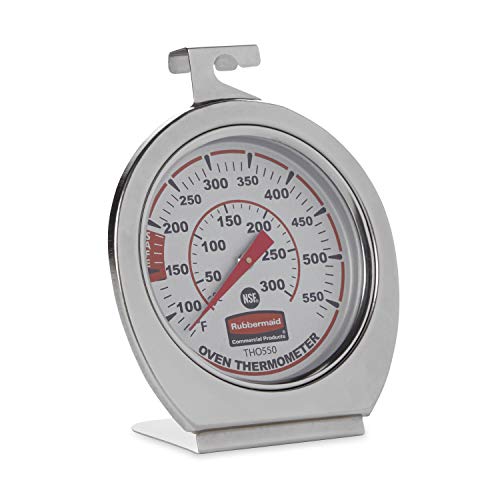
FOOD SAFETY: Thermometer displays true oven temperature instantly to ensure safe food preparation

Large Display: Features a 2 3/8 inches large face for clear visibility; Stem length of 2 7/8 inches enhances accessibility; Enables easy classification of food temperatures in various cooking environments

Oven and grill safe for leave-in use while cooking
Flavor Enhancement and Dipping Sauces
Your perfectly seared tuna deserves equally impressive flavoring that’ll complement—not mask—the fish’s natural richness. Fine-tune your marinade consistency adjustments by balancing citrus acidity with oil, ensuring ideal flavor penetration without overwhelming delicate flesh. Fresh lime juice combined with cilantro creates brightness that enhances rather than dominates.
For post cooking flavor boosting, prepare dipping sauces featuring high-quality olive oil infused with fresh herbs and citrus zest. These applications add dimensional taste layers after searing locks in moisture. Consider creating five-ingredient formulas: combine coriander powder for lemony notes with garlic powder for savory depth. The OLD BAY® Seasoning brings bold, bright flavors that complement grilled tuna perfectly. Popular options include chimichurri sauce with parsley, garlic, olive oil, and vinegar alongside spicy mayo and ponzu sauce for versatile flavor profiles. For a zesty finish, serve with lemon wedges to add brightness similar to classic seafood preparations. If you’re looking to add subtle smoky complexity without overwhelming the delicate tuna, consider using apple wood chips during grilling for their mild, sweet profile that pairs beautifully with fish. Similar to cedar plank grilling, wood-infused cooking methods impart subtle smoky flavors while keeping fish moist and preventing direct flame contact. Alder wood provides another excellent option for fish, delivering a delicate smoke that won’t overpower tuna’s subtle flavor. Your finishing touches—whether herb-infused oils or zesty seasoning blends—should amplify the tuna’s inherent qualities while providing textural contrast through careful sauce consistency.
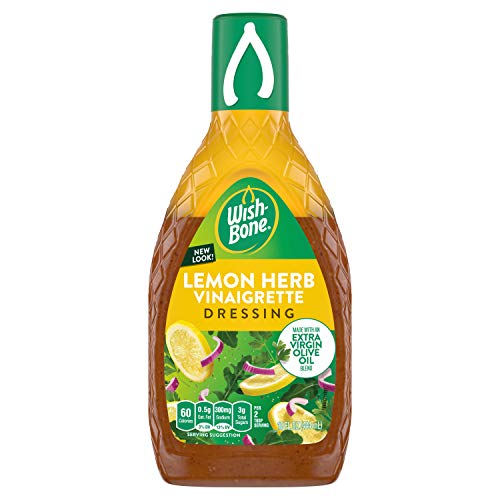
One 15 fl oz bottle of Wish-Bone Extra Virgin Olive Oil Blend Lemon Herb Dressing
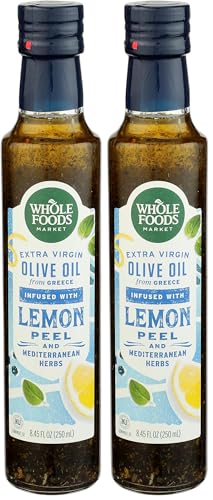
The information below is per-pack only

8.45 fluid ounces of infused extra virgin olive oil
Finishing and Serving Best Practices
Once you’ve pulled your tuna steaks from the grill, the work’s not finished—proper resting and presentation determine whether all your effort translates to an exceptional final dish. Rest your steaks for five minutes on a cutting board; this allows juices to redistribute throughout the meat, preventing excessive loss when you slice. Use sharp knives to create clean, thick cuts that showcase the charred exterior and tender center simultaneously.
Your plating arrangement should fan sliced tuna evenly across pre-warmed plates, creating an elegant presentation. Serve immediately at the ideal serving temperature—medium-rare (130-140°F) maintains a tender center while achieving a perfectly seared exterior. For optimal results, pair your grilled tuna with simple sides like salad or fries to round out the meal. Garnish with fresh herbs, lemon wedges, or sesame seeds for visual appeal and complementary flavor dimensions that elevate your grilled tuna. Fresh herbs not only add brightness and depth of flavor to your finished dish but also provide a beautiful visual contrast against the seared tuna. Consider brushing your tuna with flavored oils before serving to add an extra layer of richness and complexity to the finished dish.
Common Grilling Mistakes to Avoid
Even with perfect resting and plating, a single misstep during grilling can undermine everything you’ve accomplished. Avoid marinading concerns by limiting marinating time to prevent salt and acid from breaking down protein texture. Don’t use improper basting techniques—skip butter entirely, which burns before reaching necessary searing temperatures. Instead, apply high-heat oils like avocado or grapeseed that withstand 450-500°F. Resist flipping before two to 2.5 minutes per side; premature flipping tears delicate surfaces and prevents crust formation. Never rely solely on timing—use a meat thermometer to confirm 115-120°F internal temperature for ideal rare to medium-rare doneness. Keep seasoning simple with salt and pepper only, avoiding dried herbs that don’t complement tuna’s delicate flavor profile. Consider using charcoal grills to add subtle smokiness that pairs exceptionally well with tuna steaks. Ensure the grill grates are impeccably clean and well-oiled before placing the tuna to prevent sticking and promote even heat distribution. Choose oils with elevated smoke points such as refined avocado, peanut, or canola for oiling your grates, as these withstand grilling temperatures without burning. When using charcoal, adjust the vents to control airflow and regulate the radiant heat intensity reaching your tuna steaks. After cooking, clean your grates with a nylon-bristle grill brush on cooled grates to avoid melting the bristles while maintaining a safer alternative to metal wire brushes. For stubborn residue removal, consider using vinegar with bicarbonate of soda combined with scraping tools that effectively eliminate buildup without leaving metal fragments on your cooking surface. For tougher baked-on residue that accumulates over time, specialized grill cleaners and degreasers can dissolve buildup in minutes with minimal scrubbing required.
Pairing Suggestions and Side Dishes
Grilled tuna’s delicate, buttery texture calls for thoughtfully balanced side dishes that’ll complement rather than overpower the fish. Your ideal vegetable pairings include roasted green cauliflower with garlic and pine nuts, grilled asparagus for charred contrast, or steamed bok choy with sesame-soy sauce. These options enhance without competing with the tuna’s subtle flavors.
For invigorating salad accompaniments, consider the Asian cucumber salad with jalapeno and ginger-soy lime vinaigrette, or the Hawaiian coleslaw featuring pineapple and sesame seeds. Both provide bright, acidic notes that cut through richness. The internet-famous Din Tai Fung cucumber salad brings sweet and savory balance that makes everyone ask for the secret recipe.
Starch options matter too. Mediterranean basmati rice with lemon and dill, or truffle parmesan fries offer sophisticated foundations. Grilled pineapple provides sweet, caramelized contrast that elevates your entire plate composition. White beans are a classic pairing with tuna and work wonderfully as a warm dinner side dish that complements the fish’s rich, meaty character. If you’re also grilling corn on the cob, you can achieve moist, smoky perfection by soaking the ears in cold salted water for 10 to 20 minutes before placing them on medium heat alongside your tuna. For indoor preparation, you can roast corn with husks on at 400°F for about 30 minutes to replicate outdoor grilling results. Just as with smoking meats, using a meat thermometer ensures your tuna reaches the perfect internal temperature rather than relying solely on visual cues or timing. When grilling vegetables or fish alongside your tuna, brushing foil with oil and adding lemon slices or herbs creates a flavorful packet that prevents sticking while infusing aromatics into your sides. After grilling, let your tuna rest for 5 minutes to allow the juices to redistribute throughout the steak for optimal tenderness and flavor.