

You’ll season your chicken with approximately one tablespoon of blend per pound, rubbing it thoroughly into the meat. Incorporate ground thyme for earthy undertones that complement Alfredo’s richness, and add brown sugar for caramelization. Allow a minimum 15-minute resting period for flavors to penetrate. Omit or use cayenne sparingly to avoid overpowering the cream sauce. After grilling to 165°F internal temperature, finish with compound butter infused with fresh parsley, basil, and oregano. The technique details ahead reveal how these layered seasonings transform your dish.
Preparing Your Chicken Breasts
Before you fire up the grill, you’ll want to start with properly prepped chicken breasts that’ll cook evenly and stay juicy. Begin with brining duration of 30 minutes to an hour using a simple solution of ¼ cup salt dissolved in 1 quart water. This critical step locks in moisture and builds flavor from the inside out. Before starting your grilling session, ensure your grill has been properly maintained with thorough grill cleaning to remove any debris or residue that could affect your food’s flavor.
Next, employ pounding techniques to achieve uniform ¼-inch thickness. Using a meat mallet, break down the fibers across both sides, which tenderizes the meat and guarantees consistent cooking. If you’re working with larger breasts, slice them into thin cutlets, targeting roughly eight pieces from two pounds total.
Pat everything dry thoroughly after brining. This removes surface moisture, allowing proper searing and char development on your grill. Bringing the chicken to room temperature before grilling ensures even heat distribution and prevents cold spots in the meat. Using a meat thermometer will help you verify that your chicken reaches the proper internal temperature for food safety. For optimal results, ensure your cooking grates are clean and free of debris before placing your chicken on the grill. For added flavor and juiciness, marinate the chicken in a mixture that includes fat, acid, and seasonings before grilling to ensure your Alfredo dish has the most flavorful foundation possible. When preparing your marinade, choose an oil with a high smoke point to ensure it can withstand the heat of the grill without breaking down.
Mastering Basic Seasonings
Now that your chicken’s properly prepped and dried, you’ll build the seasoning foundation with kosher salt and freshly ground black pepper—the non-negotiable duo that’ll anchor every other flavor you layer on. Add garlic powder and onion powder for aromatic depth, then incorporate smoked paprika for subtle smoke notes complementing your grilled preparation. These core elements create balanced flavor without overwhelming your Alfredo sauce pairing.
For consistency adjustments, you’ll typically apply approximately one tablespoon of your seasoning blend per pound of chicken. Rub the mixture thoroughly into the meat, ensuring even distribution across all surfaces. Your resting seasoning period—minimum fifteen minutes—allows flavors to meld and penetrate the chicken. Grilling chicken tenders typically requires medium-high heat temperatures around 425-450°F to achieve optimal results. Remember that seasoning is half the battle when perfecting your grilled chicken dish. To complement your seasoning work, consider using a high-quality meat thermometer to ensure your chicken reaches the proper internal temperature for optimal results, with wireless probes with apps providing hands-off precision monitoring throughout your cook. For the most accurate readings, look for thermometers offering one-second temperature readings to verify doneness quickly and reliably. Store any leftover seasoning blend in an airtight container for future use. After grilling, maintain your grill’s performance by cleaning grates and interior to prevent buildup and ensure consistent cooking results for future meals. This integration time proves essential before grilling, establishing the flavorful foundation your dish demands.

PURE & SIMPLE INGREDIENTS. Crafted with just coarse kosher salt and 16 mesh coarse ground black pepper. No fillers, additives, or preservatives. A clean 2-ingredient classic for seasoning meats, veggies, and everyday meals.

TURN GOOD MEAT INTO GREAT MEAT – This perfectly balanced 50/50 blend of premium flake kosher salt and coarse 16 mesh black pepper brings out deeper, richer, more savory flavor in brisket, steaks, burgers, chicken, and more—no guesswork, just bold results serious grillers and everyday cooks keep reaching for.
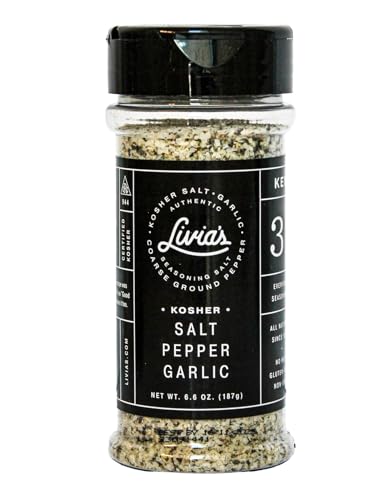
THE SPG SEASONING YOU'LL REACH FOR EVERY DAY: Livia's perfectly balances kosher salt, coarse black pepper, and garlic into a premium SPG seasoning that enhances everything from eggs and vegetables to burgers, steak, chicken, seafood, and potatoes. A versatile seasoning you'll use every day.
Building Flavor With Italian Herbs
Your seasoning foundation becomes the canvas for Italian herbs, which’ll transform your grilled chicken into something truly distinctive. Rosemary, thyme, and basil release essential oils when grilled, delivering bright, earthy flavors that penetrate poultry effectively.
Marinade flavor development requires minimum 30 minutes, allowing herbs to permeate chicken tissue thoroughly. Combine fresh herbs with balsamic vinegar and olive oil for bold Mediterranean profiles. Reserve portions of your marinade for basting during the final cooking minutes, intensifying surface flavors. For optimal results, preheat the grill to 400°F before applying your seasoned chicken to ensure even cooking and proper flavor development. McCormick® Grill Mates® marinades provide a convenient seasoning base that can be customized with fresh Italian herbs for enhanced flavor complexity. Similar to how coating vegetables with oil and seasoning prevents sticking and ensures even flavor distribution, proper chicken preparation creates an ideal surface for herb penetration. Just as salting and draining removes excess moisture from vegetables to enhance texture, properly preparing your chicken ensures optimal herb absorption and flavor development. Rolling your chicken occasionally during grilling achieves even grill marks and vibrant coloring, similar to the technique used when cooking vegetables. For smaller chicken pieces, consider using grill baskets or skewers to prevent them from falling through the grates while maintaining proper heat exposure. Pairing your grilled chicken with versatile, flavorful accompaniments] like fresh vegetable pasta salads complements the Mediterranean flavors you’ve developed.
Post-grilling, herbal compound butters create luxurious finishing layers that dry seasonings cannot match. Blend fresh parsley, basil, and oregano into softened butter, then apply immediately to hot chicken surfaces for ideal melting and absorption. This technique preserves bright herb characteristics while adding richness that elevates your Alfredo dish considerably.

TWO 1oz packets of seasoning mix

VIBRANT FLAVOR: McCormick Culinary Italian Seasoning brings a savory and sweet flavor profile to your menu, allowing you to easily create all kinds of Italian cuisine

Incorporating Powdered Spices
While fresh herbs provide aromatic brightness, powdered spices establish the foundational flavor architecture that’ll anchor your Alfredo chicken. You’ll start with garlic powder and onion powder as your aromatic base, then layer in paprika for color and depth. Black pepper and salt balance these elements while amplifying their potency.
Your blend customization depends on heat preference—add cayenne pepper sparingly or omit it entirely for a cream sauce-friendly profile. Ground thyme contributes earthy undertones that complement Alfredo’s richness without overwhelming it. This homemade spice blend approach avoids additives and preservatives found in store-bought packets. Brown sugar in your seasoning mix will help caramelize the outside of your chicken for enhanced juiciness and flavor complexity.
For application techniques, pat your chicken dry first, then gently rub your spice mixture evenly across all surfaces. Let it rest 15-30 minutes before grilling, allowing flavors to penetrate the meat and slowly release moisture similar to techniques used in premium grilling methods. Before you begin cooking, ensure your grill has been thoroughly cleaned to remove any grease buildup or debris that could affect your chicken’s flavor. For optimal results, perform routine light cleaning after each use to maintain your grill’s performance and extend its lifespan. Among the most effective techniques, bristle-free brushes] and metal scrapers outperform traditional stone methods for removing stubborn residue without leaving fragments on your cooking surface. Maintaining your grill with safe cleaning methods ensures your cooking surface remains in optimal condition for achieving perfect sear marks. This measured approach guarantees your seasoning enhances rather than competes with your creamy sauce.

Onion Powder 2.75 oz

RICH & BOLD FLAVOR: Reach for the flavor of bold garlic and smoked paprika to infuse everyday and special occasion meals with unforgettable flavor the whole family will love.

KITCHEN STAPLE: Always made from fresh, whole onions; onion powder is a must for both cooking and seasoning food tableside. Keep this pantry staple on hand for home cooking instead of relying on diced onions
Grilling and Finishing Techniques
Once you’ve allowed your seasoned chicken to rest, it’s time to execute the grilling phase with precision. Preheat your grill to medium-high heat, maintaining consistent grill temperature throughout cooking. Avoiding high heat during grilling prevents the exterior from drying while the interior remains undercooked.
Place your chicken breasts on the grate and grill each side for 5-7 minutes, depending on thickness. Flip once to achieve an even golden-brown sear. Use an instant-read thermometer to verify your chicken reaches 165°F internally—the critical doneness indicator.
After removing from heat, rest the chicken for 3-5 minutes to retain juices. Slice into half-inch strips or bite-sized pieces. Simultaneously, toss your grilled vegetables with the al dente pasta and gently warmed Alfredo sauce, incorporating reserved pasta water for proper consistency. Similar to grilling corn in husks to steam vegetables at consistent temperatures, you can preserve your vegetable’s texture and flavor through controlled heat exposure. For optimal results, consider using a grill basket to keep smaller vegetable pieces contained while achieving even cooking and charring. The foil packet method prevents vegetables from burning while allowing them to retain their moisture and flavor. For added flavor without direct grill exposure, use foil under vegetables during the grilling process to prevent burning while maintaining that desirable grilled taste. The foil packet technique also allows vegetables to steam and char slightly], achieving tender yet crisp results with infused seasonings. Similar to how soaking vegetables in water protects them on the grill, moisture retention techniques help maintain tenderness and flavor throughout the cooking process. To save time on busy weeknights, consider using rotisserie chicken from the store instead of grilling your own. Top immediately with sliced chicken, fresh parsley, Parmesan, and cracked black pepper.