You’ll master grilled vegetables by commanding three essentials: precise knife work that maximizes charring surface area, strategic heat management leveraging both direct and indirect zones, and ingredient selection that complements rather than obscures natural flavors. Uniform cuts—zucchini at 1/4-inch, eggplant rounds at 1/2-inch—enable consistent cooking. High-smoke-point oils like avocado excel at grilling temperatures. Medium-high heat (375°F-400°F) sears vegetables effectively, while indirect zones guarantee even doneness. Uncover deeper techniques for every vegetable type ahead.
Preparation and Cutting Techniques
Before you fire up the grill, you’ll want to confirm your vegetables are properly prepared and cut to maximize both safety and cooking results. Start by thoroughly cleaning, seeding, and patting all vegetables dry to prevent moisture from interfering with caramelization.
Uniform vegetable thickness is critical—slice zucchini and squash into 1/4- to 1/2-inch planks, eggplant into ½-inch rounds, and bell peppers into four large pieces. Cut onions into thick rounds or quarters, keeping the root end intact for structural stability. Cutting vegetables into large pieces allows them to grill longer, develop better charred bits, and ultimately deliver superior flavor. For zucchini specifically, planks are recommended because they grill evenly, cook faster than thick quarters or halves, and are easy to flip on the grill.
For fibrous vegetable handling, trim asparagus by snapping ends, then skewer green beans and okra crosswise in groups of four to six. Keep mushrooms whole or skewered, and thread cherry tomatoes to prevent rolling. Use grill baskets for smaller pieces to ascertain they remain on the grates throughout cooking. A quality vegetable grilling basket prevents food from falling through the grates while ensuring proper char and easy cleanup. When preparing long vegetables like asparagus and green beans, snap or cut the ends off to remove any woody portions before arranging them on your work surface. For asparagus specifically, select thick spears to make handling and flipping easier during the grilling process. Look for baskets with perforated or grid patterns that allow heat circulation while creating attractive grill marks on your vegetables. When working with artichokes, trim stray leaves and remove the choke before grilling to make them easier to eat.
Selecting the Right Oils and Seasonings
Why does oil selection matter so much when grilling vegetables? The right oil prevents burning while enhancing flavor development. You’ll choose between neutral oils like canola—which allow natural vegetable flavors to dominate—and extra virgin olive oil, which adds complexity to nearly every variety.
Your oil application methods determine success. Brush each vegetable side thoroughly without excess that causes flare-ups. Alternatively, marinate vegetables in olive oil mixed with vinegar, garlic, and herbs for 20 minutes to one hour before grilling. Seasoning generously with salt and pepper before or after oiling ensures well-flavored results throughout the cooking process.
Consider smoke points carefully. Avocado oil reaches over 500°F, ideal for direct-heat grilling, while peanut oil provides 450°F with neutral flavor. High-smoke-point oils like refined safflower, sunflower, and grapeseed also excel at grilling temperatures without burning. For achieving consistent heat distribution, consider using a flat top grill that provides an even cooking surface for vegetables. Reserve low-heat finishing oils for post-cooking drizzles, applying fresh oil after cooking to enhance taste without heat-degradation. Different oils bring additional flavor to your grilled vegetables while allowing you to experiment with taste profiles that complement your menu. Apply oil sparingly, as using high-heat oils in excess can lead to unwanted flare-ups on the grill. Outdoor griddles with low-temp control capabilities allow you to adjust heat precisely when working with delicate vegetables or finishing oils. When evaluating outdoor griddles, pay attention to grease management systems that prevent oil buildup and simplify cleanup after cooking vegetables.

One 101.4 fl oz bulk refill size bottle of Bertolli Non-GMO Certified Cooking Olive Oil

One 32 fl oz bottle of Bertolli Non-GMO Certified Cooking Olive Oil

Graza Frizzle Oil Made from 100% Olives: A neutral-flavored, high heat cooking oil made from 100% peak harvest olives. With a smoke point of up to 450 degrees, Frizzle is your high-heat kitchen hero. 1 bottle/750ml.
Understanding Heat Management
How you manage your grill’s temperature fundamentally determines whether you’ll achieve perfectly charred vegetables or burnt exteriors with raw centers.
Establish distinct heat zone positioning by designating one area for direct heat and another for indirect heat. Your ideal temperature ranges depend on vegetable type: maintain medium-high heat (375°F-400°F) for quick-searing dense varieties, then shift to indirect zones at 200°F-300°F for thorough cooking. For optimal results and energy efficiency, consider using an ElectriChef grill which allows for precise temperature control and sustainable vegetable preparation.
Use the hand assessment method—holding your palm four inches above the grate determines your heat level. Two to three seconds indicates high heat; four to five seconds signifies medium-high; six to eight seconds means medium heat.
Sear vegetables directly over flames for three minutes, rotating for cross-hatched marks, then move them to indirect heat zones. This two-stage approach guarantees crispy exteriors with tender, fully-cooked interiors without burning. Dense vegetables like peppers and zucchini benefit most from the initial direct-heat searing phase before completing their cook in the cooler zone. For moisture-rich vegetables like eggplant, salting and draining the slices beforehand removes excess water and prevents sogginess on the grill. When using charcoal grills, your vegetables cook through a combination of radiant heat from the glowing embers, conduction from the hot grate creating sear marks, and convection from hot air circulation when the lid is closed. Protect your deck surface by placing a grill mat underneath that extends beyond your grill’s footprint to catch any vegetable drippings or grease splatters during cooking. As an alternative, you can prepare vegetables in foil packets on the grill, which allows for easy cleanup and helps retain moisture and flavor during the cooking process. For delicate vegetables like Brussels sprouts, parcooking them first by blanching or microwaving ensures the centers become tender without the outsides burning.
Mastering Cooking Times by Vegetable Type
Each vegetable’s density, water content, and structure demand distinct timing and temperature adjustments to achieve ideal texture and flavor development. When preparing vegetables for grilling, you’ll encounter varying requirements across your produce selection.
Asparagus and corn demand high heat—230-260°C—with shorter cooking windows of 8-10 minutes. Dense vegetables like eggplant and bell peppers require 6-10 minutes at medium heat (200-230°C). Zucchini, being delicate, needs moderate temperatures and 8-10 minutes to prevent mushiness. Mushrooms also grill well at 400°F for 8-12 minutes, making them a versatile addition to your vegetable rotation. For smaller varieties like cremini, threading onto skewers makes handling easier while grilling. The foil packet method works particularly well for asparagus, preventing spears from slipping through grates while allowing them to steam and char slightly.
Determining ideal cooking temperatures depends on thickness and vegetable type. Cut ¼-inch slices cook faster than ½-inch rounds. Roasting offers an alternative at 450°F (230°C) for 25-30 minutes when grilling isn’t feasible. For corn specifically, wrapping in aluminum foil with butter and seasonings at 350°F for 30-40 minutes produces tender, flavorful results indoors. For stovetop preparation, pan grilling asparagus in a single layer with oil over medium-high heat produces bright green, tender spears with slight char in 4 to 10 minutes. Sweet potatoes benefit from indirect medium heat at 350°F to 375°F, requiring 40 to 60 minutes when wrapped in foil and turned occasionally for even cooking.
Master these timings, and you’ll consistently produce perfectly caramelized vegetables with ideal texture—never undercooked or charred beyond recovery.

【PREMIUM STAINLESS STEEL, EXCELLENT WORKMANSHIP】The kabob skewers are made of premium stainless steel which is food grade, rust proof and heat resistant. The heavy duty grill skewers are corrosion resistant and can last long. All edges around the metal skewers are well polished, making the barbecue skewers safe to use. Metal skewer sticks is of solid one-piece design. The bbq kabob sticks is thick enough, allowing you put more weight on each skewer without getting bent or twisted

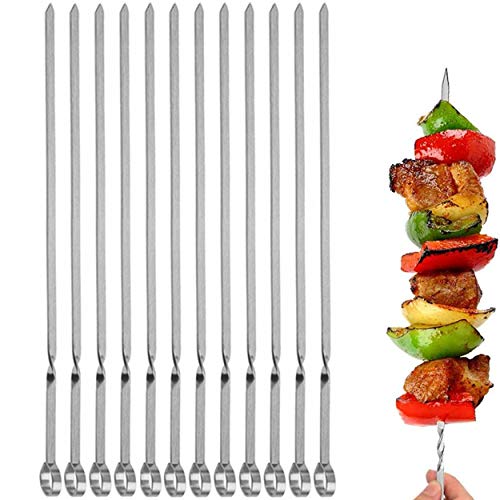
🍖【PREMIUM STAINLESS STEEL, PERFECT WORKMANSHIP】Metal kabob skewers sticks are made of premium stainless steel,food grade, rust-proof, heat-resistant, and corrosion-resistant. These heavy duty grill skewers are corrosion resistant and can last long. The edges of the barbecue skewers are well polished, and the metal skewers are safe to use. Metal shish kabab skewer is of solid one-piece design. The bbq kebab sticks skewers are thick enough to allow you to add weight without bending or twisting.
Specific Grilling Methods for Different Vegetables
While mastering cooking times establishes your foundation, selecting the right grilling method confirms you’ll attain ideal results for each vegetable’s unique characteristics. Direct grilling suits large, high-moisture vegetables like zucchini and mushrooms at medium-high heat. Foil packs accommodate dense root vegetables such as potatoes and beets, creating a steaming effect that secures even cooking. Vegetable kabobs work best when you combine vegetables with similar cooking times—thread bell peppers, onions, and zucchini onto skewers, rotating every 3-5 minutes. Grill baskets prevent delicate vegetables from falling through grates while allowing organized rotation. For specialty preparations, consider smoke-roasting cauliflower or ember-roasting green beans, techniques that caramelize plant sugars and enhance the natural sweetness and smokiness of your vegetables. When grilling sweet potatoes, slice them into thick rounds with skin on and cook until they develop dark brown grill marks for optimal crispiness and smoky flavor. Always oil grates beforehand, apply presoaking techniques for dense vegetables when needed, and verify storage requirements before grilling to maximize flavor and texture. If you’re working in a small space or apartment, an electric indoor grill can deliver excellent sear marks and juicy results on your vegetables without the need for outdoor setup. For stovetop grilling indoors, a grill pan with raised ridges creates authentic grill marks while allowing excess moisture to drain away from your vegetables. Toss vegetables with oil, salt and pepper before placing them in your chosen cooking vessel to enhance their natural flavors and promote even browning. For those seeking to elevate their vegetable grilling with authentic wood-fired flavor, pellet smokers offer WiFi-enabled temperature control and multi-functional capabilities that deliver consistent results. If you prefer a flat-top surface for cooking multiple vegetables simultaneously, consider a griddle-style setup that accommodates everything from sliced peppers to diced onions with easy cleanup.

【Removable Handle】The handle is crafted from solid wood, providing a non-slip and heat-insulating grip. To accommodate smoking and slow-cooking scenarios, the handle is designed to be removable. Although it is removable, it is reinforced to ensure a secure and stable connection between the handle and the basket.

【Removable Handle】The handle is crafted from solid wood, providing a non-slip and heat-insulating grip. To accommodate smoking and slow-cooking scenarios, the handle is designed to be removable. Although it is removable, it is reinforced to ensure a secure and stable connection between the handle and the basket.
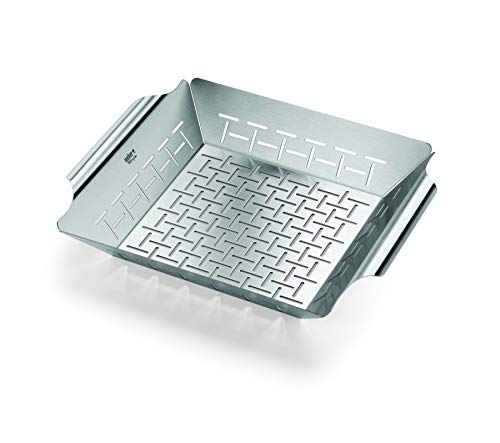
Ideal for vegetables and smaller pieces of meat
Achieving the Perfect Char and Texture
Once you’ve selected your grilling method, transforming vegetables into perfectly charred specimens demands precise attention to preparation, heat management, and timing. You’ll achieve maximum browning impact by utilizing your grill’s hottest zone for 2–3 minutes, then rotating through progressively cooler areas. This strategy develops the coveted charred exterior while preserving tender interiors. The Maillard reaction during this high-heat searing produces complex flavors, aromas, and umami that elevate your grilled vegetables beyond simple browning.
For flavor infusion, apply generous oil coating beforehand—extra-virgin olive oil complements nearly every variety. Season both sides with salt and pepper, then consider room-temperature marinating for 20–60 minutes to deepen complexity. Vegetables like zucchini, bell peppers, asparagus, and mushrooms are ideal grill choices that respond beautifully to this preparation method. For Portobello mushrooms specifically, marinating for 30 minutes with olive oil, balsamic vinegar, garlic, and herbs creates exceptional flavor before grilling gill side down. When grilling bell peppers, slice them flat to prevent falling through grates and ensure even charring across the surface.
Monitor your vegetables closely, rotating with tongs every few minutes to guarantee uniform heat distribution. Quick-cooking varieties like asparagus need only minutes, while denser vegetables like cauliflower benefit from parboiling beforehand. For zucchini, cut into uniform 1/4 to 1/2 inch slices or spears and grill for approximately 3 to 4 minutes per side to achieve tender results with good grill marks. Cook early when coals reach white-hot intensity for maximum charring potential. When grilling corn on the cob, soaking in cold salted water for 10 to 20 minutes prevents the husks from burning while creating a steaming effect that keeps kernels moist during the grilling process. Alternatively, wrap each ear individually in aluminum foil with butter and seasonings, then grill at medium heat for 15-20 minutes, turning occasionally for tender, juicy results.

Graza Frizzle Oil Spray Made from 100% Olives: A neutral-flavored, high heat cooking oil made from 100% peak harvest olives. With a smoke point of up to 450 degrees, Frizzle is your high-heat kitchen hero. 1 can/5 oz.

From America's #1 Avocado Oil Brand — A oil sprayer for cooking with the same purity standard you already trust, now in a fast, clean, propellant-free cooking spray format. Pair with Chosen Foods Avocado Oil pourable bottles, Avocado Mayo, Salad Dressings, and Dipping Sauces for a complete clean-label kitchen built on real ingredients and real avocados. From a Certified B Corporation on a mission to do good in the world by being good for the world.

AIR PRESSURE ONLY: Pompeian cooking sprays contain no propellants or additives, providing you the best-tasting, highest-quality oil to help you Eat and Live Well.
Tools and Equipment for Success
The difference between mediocre grilled vegetables and exceptional ones often hinges on having the right equipment at hand. You’ll need long-handled tongs with heat resistant handles for superior control when flipping delicate produce. A wide spatula with slotted head provides stability for larger pieces, while a grill brush maintains clean grates that safeguard against sticking. For maximum safety, consider bristle-free designs like coil or chainmail brushes that eliminate the risk of stray wire bristles contaminating your food.
For small vegetables, you’ll find grill baskets with hexagonal design invaluable—they prevent produce from falling through grates while allowing even heat circulation. Stainless steel skewers with flat design prevent rolling during cooking and guarantee stability throughout grilling. The Weber 6434 Deluxe Large Stainless Steel Vegetable Grill Basket is a popular choice among grilling enthusiasts for its reliable performance.
Consider adding a griddle to transform your standard grill into a complete cooking platform. An instant-read thermometer ensures your vegetables reach optimal doneness without overcooking delicate surfaces. For storage and organization, invest in a dedicated container for your tools. A grill basting brush enables even coating of oils and marinades across vegetable surfaces, ensuring consistent results. When cooking over an open flame, a campfire grill grate made from stainless steel or cast iron provides excellent heat retention and allows you to achieve restaurant-quality char on your vegetables. Top options include the Grillaholics Bristle-Free Grill Brush with its triple helix design for thorough cleaning between grates and an 18-inch handle that keeps your hands safely away from heat. Prioritize solid construction over gimmicky extras when selecting your grilling tools to ensure longevity and reliable performance. If you’re looking for a complete solution, the Home-Complete 16-Piece Stainless Steel Set includes comprehensive essentials with innovative clamshell tongs for superior grip.

[3 Custom Divided Sections]: Opt to divide the grill basket into 3 sections to keep different types of BBQ food separated in case of mixed taste. You can cooking sharps, steaks and vegetables at the same time without mix the flavor with this grilling accessories. Or you can remove the dividers for a more large cooking space

【TO BE A PROFESSIONAL CHEF】-Grilling is an art. And when you’ve mastered that art…your friends double in numbers. JY COOKMENT Grill basket can help you to the master of grilling.

GREATEST GRILL GADGET - Kaluns Grill Basket is the most Essential BBQ accessory when preparing a Grilled Picnic.The great feature of adding Grilled taste to versatile food types can only be achieved with this Grill Basket. What can be better than a serving, of Grilled vegetables and Cheese? Definitley only a Grill Basket like Kaluns will bring mouthwatering grilled food to life!
Common Mistakes to Avoid
Even with quality equipment and proper technique, several common pitfalls can undermine your grilled vegetable results. Knife skills optimization through same-day cutting preserves nutritional integrity and visual appeal—advance preparation causes oxidation and quality degradation. Slice vegetables to half-inch to three-quarter-inch thickness; thinner cuts slip between grates while thicker pieces develop proper char and interior cooking.
Ensure adequate grill seasoning before cooking; unseasonedgrates cause sticking and tearing. Apply oil to grates beforehand, mirroring cast-iron maintenance practices. For new grill grates, apply a thin, even layer of high smoke point oil and heat to medium-high to create a protective, non-stick surface. This seasoning cycle should be repeated multiple times until a durable coating is formed for optimal non-stick performance. Conversely, excessive marinade and oil trigger dangerous flare-ups and prevent charring.
Efficient ingredient prepping demands balanced seasoning ratios. Under-seasoned grilled vegetables taste bland—match seasoning intensity to grilled steaks. Salt enhancement and adequate fat create restaurant-quality depth that elevates your technique. Remember that preheating the grill is crucial before you begin cooking, just as you would with any cooking pan. Always open the vents fully during preheating to ensure even cooking temperature throughout your grilling session. For optimal results, soak wood skewers for at least 15 minutes before use to prevent them from catching fire during grilling. When grilling items that release excess fat or moisture, using indirect heat and a drip pan helps prevent flare-ups and maintains consistent cooking temperatures. For those seeking enhanced flavor versatility, consider a charcoal tray conversion option that allows you to achieve authentic charcoal-grilled taste without replacing your entire grill setup.
Tips for Even Cooking and Consistency
Mastering uniform preheating and heat management transforms inconsistent results into reliably excellent grilled vegetables. You’ll achieve superior outcomes by preheating your grill to above 450°F and scraping grates clean beforehand.
Implement staggered timing by grilling longest-cooking vegetables first—eggplant requires four minutes per side, while asparagus needs only two. Position dense vegetables at the hottest spots and flip every three to five minutes for even charring. High heat creates beautiful grill marks and helps caramelize natural sugars for enhanced flavor. For cooler month vegetables like brussels sprouts and winter squash, consider preheating with steaming to ensure tenderness before they hit the grill.
Practice timed basting with high-heat oil application on both sides before seasoning generously. You’ll prevent sticking while promoting ideal browning and crisping. Oiling the grates before cooking further reduces adhesion and helps vegetables release cleanly from the grill surface. Slice vegetables uniformly to guarantee consistent cooking throughout. For carrots, slice them lengthwise and grill cut-side down over medium heat for 5-8 minutes per side until fork-tender. For similar-cooking-time vegetables, utilize skewers or kabobs rather than baskets, which create uneven exposure. Using medium-high indirect heat allows vegetables to cook thoroughly without burning while developing ideal caramelization. Gas grills typically need 10–15 minutes of preheating with the lid closed and burners on high to reach optimal temperatures. An internal temperature probe helps monitor grill performance and ensures you’re maintaining the consistent heat zones necessary for perfectly grilled vegetables. Maintain steady temperatures and place vegetables in single layers for reliability and precision.
Finishing Touches and Serving Suggestions
Once you’ve achieved that perfect char and tenderness, you’ll want to present your grilled vegetables with the same precision you applied during cooking. Your plate presentation determines the dining experience, so arrange vegetables strategically on a large platter with heartier items like onions and sweet potatoes as your foundation. Alternate delicate vegetables with cherry tomatoes and fresh herbs for visual contrast.
Consider your serving temperature carefully. You’ll serve warm for ideal flavor integration, though room temperature offers flexibility for entertaining. Transfer vegetables immediately after grilling to preserve their texture and vibrancy. The balsamic glaze adds tangy-sweet finish that perfectly complements the smoky flavors developed during grilling.
Elevate your composition with complementary sauces: drizzle balsamic glaze, offer chimichurri for dipping, or finish with herb vinaigrette. Garnish with grilled bread and fresh herbs, then season with sea salt and black pepper. Adding fresh seasonal fruits alongside your vegetables can create an unexpected flavor pairing that elevates the entire dish. A final squeeze of lemon brightens the smoky char and enhances the natural sweetness of grilled vegetables. Just as foil packets retain moisture when grilling proteins, they can also be useful for vegetables that need extra steam to achieve tenderness. Sprinkling sea salt after grilling can balance and enhance the natural sweetness of your vegetables. Optional finishing touches include butter and herbs to add richness and aromatic depth to your grilled vegetables. These finishing touches transform your grilled vegetables into a sophisticated centerpiece. For maximum visual appeal, arrange your vegetables to showcase their colorful, vibrant nature, creating a feast for the eyes that proves healthy eating can be beautifully presented.