
You’ll transform ripe pineapple into an elegant dessert by preheating your grill to 450-500°F and searing 3/4-inch slices for 2-3 minutes per side. Brush generously with olive oil, then baste with a caramelized glaze of melted butter, brown sugar, citrus juice, and warm spices like cinnamon and chili powder. The high heat creates crispy caramelized edges while the interior stays juicy and tender. Unveil how strategic marinading and sophisticated plating elevate this seasonal indulgence.
Choosing the Right Pineapple
Selecting a quality pineapple is foundational to grilling success. You’ll want to identify proper ripeness indicators by examining the skin’s shift from green-gray to golden-yellow hues. Press gently near the base—you should feel slight give without mushiness, signaling ideal juice content. Lift the fruit; substantial weight for its size guarantees high water content and juiciness essential for caramelization.
Sniff the core area for a sweet fragrance confirming ripeness and flavor concentration. You’ll notice green leaves remaining at the crown, indicating freshness. Smooth Cayenne and Red Spanish varieties excel for grilling due to their firm textures and high sugar content that caramelize beautifully. The few quality ingredients in grilled pineapple recipes mean that selecting a fresh, ripe pineapple becomes even more critical to the final dish’s success.
Avoid bruised or soft-spotted specimens. Select undamaged, plump fruit during peak season—March through July—for convenient storage and perfect heat response when grilling. When grilling on a flat top, consider how grease management systems handle the pineapple’s natural juices to prevent flare-ups and ensure even caramelization. If you’re investing in an outdoor griddle for versatile cooking beyond traditional grilling, models with high BTU outputs can achieve the intense heat needed for perfect pineapple caramelization. For optimal results, look for grills with wind resistance capabilities that maintain consistent temperatures even in breezy outdoor conditions. A generous cooking surface size allows you to grill multiple pineapple rings simultaneously, making preparation faster when serving crowds at summer gatherings. To protect your deck from grease splatters and heat damage while grilling pineapple, use a grill mat for decks that extends beyond your grill’s footprint.
Preparing Your Pineapple
How you prepare your pineapple determines whether you’ll achieve those coveted caramelized edges and juicy, tender flesh. Begin by trimming the crown and base, then stand the fruit upright for vertical peeling. Select a sharp peeler or knife to remove the skin efficiently, guaranteeing complete eye removal for optimal tenderness. Depending on pineapple size options, slice into 3/4-inch to 1-inch thick rounds—thinner cuts risk disintegration during grilling, while thicker slices accommodate uneven heat distribution. For spear-cut alternatives, slice lengthwise after coring. Pat your slices dry to enhance oil adhesion and searing potential. A ripe pineapple will feel heavier than an underripe one, ensuring you’ve selected the best fruit for grilling. Brush both sides generously with olive oil using a basting brush, or employ light oil spray on pre-oiled grill grates. For high-heat grilling, refined avocado oil offers an excellent alternative due to its elevated smoke point that prevents burning during the caramelization process. For optimal heat distribution and superior searing, consider using a pre-seasoned cast iron griddle on your gas grill. Cast iron’s excellent heat retention ensures consistent temperature across the cooking surface, preventing hot spots that can lead to uneven caramelization. A grill griddle combo with 2-zone cooking capability allows you to simultaneously caramelize pineapple on the griddle side while grilling other dessert components on the grate side. Dole Tropical Gold Pineapple Slices offer a convenient option for those seeking premium flavor with minimal preparation hassle. Whether you’re working with a budget-friendly grill under $500 or a high-end model, proper pineapple preparation remains the foundation for achieving exceptional caramelization and flavor. This foundational preparation ensures uniform cooking and exceptional caramelization.
Creating the Perfect Glaze
Your properly prepared pineapple slices are now ready for their flavor foundation. Start by melting butter as your base, then incorporate brown sugar—your primary sweetener—allowing it to dissolve smoothly without clumping. Consider sweetener substitution options like honey or maple syrup for nuanced caramelization.
When emulsifying glaze ingredients, simmer your mixture over medium heat for 5-7 minutes until achieving syrupy consistency that coats a spoon. Add citrus brightness with orange juice and lime for tartness, then layer warmth through cinnamon, chili powder, and subtle spice notes from cloves and nutmeg. You can also enhance the glaze with Double Barrel Honey for additional depth and richness.
For sophisticated depth, incorporate dark rum with hot water to expedite preparation. If you’re using a smoker for added complexity, consider apple wood pellets to impart a mild, fruity essence that complements the pineapple’s natural sweetness. For a bolder smoke profile, try hickory wood chips which deliver a bacon-like flavor that pairs surprisingly well with the sweet-tart profile of grilled pineapple. Top-performing brands like Lumberjack Competition Blend and Traeger Gourmet Blend offer consistent heat and bold smoky flavors with minimal ash production. Cherry wood delivers sweet notes that work exceptionally well for shorter cooks like grilled fruit and desserts. When selecting charcoal for smoking desserts, prioritize natural hardwoods over flavored or additive-laden products to avoid off-flavors that could compromise the delicate sweetness of grilled pineapple. Cool your glaze completely before application—this prevents premature running and guarantees even coating across all pineapple surfaces during grilling. Using about 2/3 of the glaze ensures you maintain enough reserved glaze for basting throughout the cooking process.

TROPICAL HEAT FUSION: Sweet pineapple juice meets fiery habanero mash, delivering a bold glaze that adds a tropical twist to your BBQ dishes.

Brush on meat at the end of cooks to add color and flavor
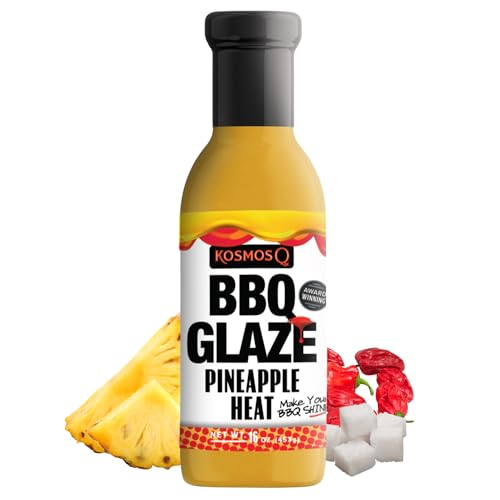
TROPICAL HEAT IN EVERY BRUSH: Crafted with real pineapple and fiery scorpion peppers, this BBQ glaze delivers sweet island flavor followed by a bold kick of heat—perfect for heat seekers and flavor chasers alike.
Marinating for Maximum Flavor
Now that your glaze has cooled completely, you’re ready to infuse your pineapple with bold, complementary flavors through strategic marination. Select marinade ingredients—honey, citrus juice, sriracha, and vegetable oil—that amplify the fruit’s natural sweetness while introducing complexity. Combine these components in a resealable bag, then submerge your pineapple rings thoroughly.
Marinade duration determines flavor penetration. Minimum thirty minutes achieves basic infusion, though one hour yields ideal results. For deep absorption of juices and sweeteners, extend to two hours. The fruit’s cellular structure softens as acids work, while sugars penetrate uniformly. Toss occasionally to guarantee even coating. You can leave pineapple on the counter during shorter marination periods without refrigeration. The acids in lime juice work to break down the fruit’s fibers and enhance tenderness before grilling. Whisking together orange juice, honey, and ginger creates a complementary marinade base that enhances the pineapple’s natural caramelization properties. For those who want to add a smoky dimension to their grilled pineapple, consider using cherry wood pellets in your pellet grill to impart a mild, fruity smoke that complements the fruit’s sweetness. If you prefer using wood chunks for longer smoking sessions, apple wood chunks deliver a similarly mild, sweet smoke profile that pairs exceptionally well with fruit-based desserts. While mesquite’s intense heat works well for robust meats like steak, its powerful earthy flavor would overwhelm delicate fruit desserts. For an even richer, more robust smoke flavor, pecan pellets provide a sweet, nutty profile that works beautifully on vegetables and lighter proteins without overpowering the fruit’s natural taste. When selecting wood for smoking, ensure you choose heartwood-only logs that are bark-free and chemical-free for the cleanest smoke and best flavor results. This deliberate steeping transforms your fruit into a caramelization-ready dessert component.

Our marinade mix infuses meat with enticing new flavor

Tenderness you can taste. An exotic fusion of pineapple juice, soy sauce and traditional Asian-inspired seasonings

Made with real honey, bourbon, garlic and spices like clove & chipotle pepper
Grilling Techniques and Timing
With your marinated pineapple ready, success hinges on mastering heat control and timing. Preheat your grill to medium-high heat around 350 degrees Fahrenheit, ensuring balanced heat distribution across the grates. Position your pineapple slices directly on thoroughly cleaned grates in a single, even layer without overlapping.
Grill each side for 3-5 minutes, maintaining the lid closed to retain heat and promote even cooking. This duration allows you to achieve even grill marks while developing golden caramelization without burning the natural sugars. Watch for visible char lines and a tender texture as your doneness indicators before flipping. The result: beautifully caramelized pineapple with those coveted grill marks that signal perfectly executed technique. Timing is paramount—avoid premature flipping to establish those essential char patterns. For optimal results, consider using a cast iron griddle to ensure consistent heat distribution and more pronounced caramelization across all your pineapple slices. A pre-seasoned grill pan with tall ridges can deliver exceptional sear quality and defined grill marks while maintaining superior heat retention for caramelizing fruit. The pineapple juice caramelizes when grilled, producing a deeper sweetness that enhances the natural tropical flavors of your dessert. Cast iron’s ability to retain high, even heat makes it particularly effective for achieving consistent caramelization across fruit surfaces. Cast iron’s superior heat retention ensures your pineapple slices develop even caramelization from edge to center, creating uniform sweetness throughout each piece. If you prefer a flat cooking surface with exceptional even heating, a stainless steel flat top grill can deliver professional-grade results for grilling fruit. Outdoor griddles with high-heat searing capabilities excel at caramelizing fruit sugars while creating restaurant-quality char marks on pineapple slices.

【2-in-1 Reversible Grill & Griddle】: Unlock a world of recipes with a single reversible griddle pan. One ribbed side creates perfect sear marks on steaks, chops, fish, chicken, and veggies; flip to the smooth side for pancakes, eggs, bacon, burgers, tortillas, and more. Ideal for indoor stovetop or outdoor BBQ

Steakhouse Sear At Home: The Lodge Square Cast Iron Grill Pan delivers high-heat searing and bold grill marks while channeling excess grease away

Double Burner Configuration: The Lodge Double Play Reversible Cast Iron Grill/Griddle covers two burners, offering a generous breakfast grill plate for family breakfasts or meal prep with ease
Alternative Cooking Methods
While outdoor grilling delivers incomparable flavor through direct flame, several indoor and alternative methods yield equally impressive caramelized results. You can employ your stovetop grill pan with cross sectional slicing, brushing with oil and the sugar-butter-cinnamon mixture for expedited preparation. The raised ridges on a grill pan create attractive grill marks while allowing excess juices to drain away during cooking. Air frying offers remarkable speed—cube or spear your pineapple, coat with sweetener, and complete cooking in fifteen minutes total. For vertical spit preparation, skewer chunks onto metal or soaked wooden skewers, spacing pieces evenly, then bake at four hundred degrees for five minutes per turn. Marinating your spears in maple syrup, brown sugar, and cayenne for one to two hours before pan-searing delivers smoky, blackened marks. Cooking the pineapple through these methods destroys the bromelain enzyme that can cause digestive discomfort for some people. For a broiler method, arrange pineapple slices on a baking sheet, brush with your glaze mixture, and broil for 2-3 minutes per side until caramelized. Similar to roasting corn with husks on, wrapping pineapple in aluminum foil before baking at 400°F helps maintain moisture while allowing natural sugars to caramelize. While foil-wrapped methods work well for oven use, avoid lining outdoor grill grates with foil as it restricts airflow and can cause uneven cooking with dangerous flare-ups. When selecting a grill pan for stovetop use, consider cast iron options for superior heat retention and optimal searing performance. If using a grill pan on an electric stove, allow adequate preheating time to ensure the entire surface reaches the proper temperature for even caramelization. Each method achieves the caramelization you seek without requiring outdoor equipment.
Plating and Presentation
Your grilled pineapple deserves a presentation as thoughtfully composed as its preparation. Position your caramelized slices as the focal point between four and eight o’clock, creating presentation balance that guides the eye naturally across the plate. Arrange complementary elements strategically: position starches between nine and ten o’clock, vegetables between two and three o’clock, maintaining a half-inch buffer from the rim.
For garnish selection, employ fresh raspberries for color contrast and chopped mint for visual sophistication. These elements enhance composition without overwhelming the dish. Consider garnishing with fresh mint leaves to add brightness and aromatic appeal to your presentation. Overlap your pineapple slices vertically to highlight caramelization and establish height, then apply a glossy glaze or creamy sauce beneath your main item as a tying element. Just as with grilled corn, maintaining medium heat around 375-450°F ensures even caramelization without burning the natural sugars in your pineapple. Consider garnishing with raspberries and mint to add optional elegance and brightness to your presentation. For an extra touch of citrus brightness, serve your grilled pineapple with a squeeze of lemon on the side. This methodical approach transforms your grilled pineapple into an elegant summer finale.
Creative Topping Ideas
The magic of grilled pineapple truly emerges once you’ve crowned it with thoughtfully selected toppings that amplify its caramelized sweetness and tropical character. You’ll want to layer complementary textures—toasted macadamia nuts or slivered almonds deliver premium crunch alongside creamy ice cream. Consider alternative dairy options like coconut milk frozen dessert for vegan alignment with piña colada profiles.
Timing proves critical: apply your chosen vanilla or coconut ice cream after the pineapple cools thirty minutes, preventing excessive melting while preserving warmth. Drizzle rum sauce or brown sugar-maple syrup glaze directly on the fruit during grilling for ideal flavor integration. The caramelized sugars created by grilling help intensify the fruit’s natural sweetness and add depth to your dessert. Using a meat thermometer can help you monitor the internal temperature of grilled fruits to achieve optimal caramelization without burning. Just as monitoring with a thermometer ensures optimal results when smoking meats, it helps prevent overcooking delicate fruits on the grill. For precise temperature control when grilling delicate fruits, an instant-read thermometer like the ThermoWorks Thermapen ONE provides accuracy within half a degree. Infrared surface thermometers are particularly useful for identifying hot zones on your grill grates to prevent burning delicate fruits like pineapple. After enjoying your dessert, maintain your grill grates with specialized metal scrapers that effectively remove residue without the bristle risks associated with traditional brushes. Finish with fresh mint sprigs, a squeeze of lime juice, and a strategic pinch of coarse sea salt—this sophisticated layering transforms your dessert into something extraordinary. Grilled pineapple pairs exceptionally well with homemade vanilla ice cream, creating a harmonious balance of warm fruit and cold creaminess.
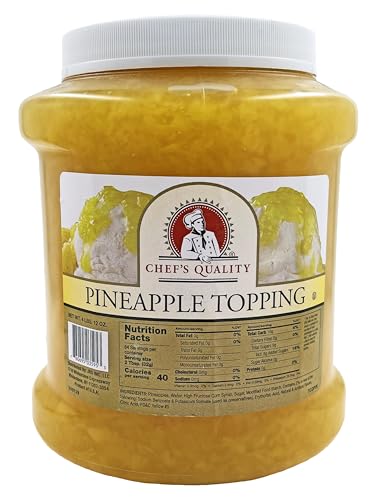
Ideal for topping ice cream, frosted cupcakes or donuts, and cookies Perfect for ice cream parlors, bakeries, and diners Pineapple Ice Cream Topping 5 Pounds

Tropical Dessert Ready – Sweet pineapple filling perfect for pies, cakes, cupcakes, pastries, and cheesecake topping. Adds bright tropical flavor to baked goods and desserts.