

You’ll find grilled chicken breast delivers 31-32g of complete protein per 100g serving, making it an exceptionally efficient choice for muscle support and recovery. It’s virtually fat-free and carb-free while providing essential B vitamins, selenium, and zinc that enhance immunity and energy production. The lean preparation preserves micronutrient bioavailability, and proper grilling technique at 165°F guarantees both safety and nutritional integrity. There’s considerably more to understand about optimizing your preparation methods.
Nutritional Profile of Grilled Chicken Breast
Since you’re evaluating grilled chicken as a protein source, you’ll want to know that a 100g serving delivers approximately 165 calories with just 3.6g of total fat—significantly lower than fried chicken‘s 300+ kcal per 100g. You’ll also benefit from exceptional nutrient bioavailability; grilled chicken’s lean preparation method preserves essential micronutrients without added oils that interfere with absorption. The digestibility considerations are favorable—grilled chicken ranks among the most digestible protein sources available. You’re getting 14.8mg of niacin per 100g, supporting energy metabolism, plus 228mg of phosphorus and an impressive 27.6mcg of selenium at 50% daily value. With zero carbohydrates, zero sugars, and minimal sodium at 74mg per 100g, you’re consuming a nutritionally dense, efficiently processed protein that maximizes nutrient uptake. Each serving also delivers 34.80g of protein, making it an exceptionally rich source for muscle maintenance and recovery. The cholesterol content of 83mg per 100g remains moderate for those monitoring cardiovascular health markers. For optimal nutrition retention and food safety, cook chicken to an internal temperature reaches 165°F, which ensures harmful bacteria are eliminated while preserving the meat’s nutritional integrity. To achieve these results, grill boneless chicken breasts over medium-high heat between 350°F and 375°F to prevent the meat from drying out while maintaining its nutrient density. When grilling bone-in chicken breasts, cook over moderate heat at around 300-400°F for about 30 to 35 minutes, turning halfway through, to ensure even cooking without burning the exterior. Similar to grilling fish, using a meat thermometer helps ensure you don’t overcook the chicken and maintain its moisture and tenderness. After grilling, resting the chicken for 5 to 10 minutes allows the juices to redistribute throughout the meat, maximizing both flavor and the retention of water-soluble vitamins.
Exceptional Protein Content and Quality
While grilled chicken’s micronutrient density establishes it as a nutritionally superior preparation method, its real competitive advantage lies in protein delivery. You’ll get approximately 31–32 g of protein per 100 g of cooked skinless chicken breast, maintaining over 90% of the original protein content despite heat exposure. What makes this particularly valuable is the complete amino acid distribution—grilled chicken provides all nine essential amino acids your body can’t synthesize independently. Unlike plant-based alternatives, you’re consuming a whole protein that supports muscle synthesis and recovery efficiently. The protein density actually concentrates when moisture reduces during grilling, meaning you’re receiving substantial amino acid profiles in relatively modest portions. This combination of high protein density and complete amino acid distribution makes grilled chicken breast an exceptionally efficient protein source. Moderate grilling temperatures help prevent extreme protein oxidation that can occur with excessive heat exposure. Similar to grilling fish like cod, maintaining an internal temperature of 145°F ensures safe consumption while preserving nutritional quality. For chicken quarters specifically, using a leave-in thermometer to monitor doneness ensures the protein structure remains intact while achieving food safety standards. Boneless chicken thighs require grilling for approximately 5-7 minutes per side to reach the safe internal temperature of 165°F while maintaining their juicier texture and complete protein profile. Bone-in chicken thighs offer similar protein benefits while requiring 20 to 25 minutes of total grilling time using a combination of direct and indirect heat to achieve both crispy skin and optimal internal temperature. Before grilling, ensure your grates are clean and oiled to prevent the chicken from sticking and to maintain the integrity of the meat’s surface proteins. Research indicates that organic chicken may contain higher densities of actin and myosin proteins, the muscle components that provide the full range of essential amino acids necessary for optimal nutrition.

One value pack tray of boneless, skinless chicken breast fillets weighing between 4.5 and 5.5 pounds

Meets standards for animal welfare, feed, and more, so you can know about what you're buying (and eating)

Meets standards for animal welfare, feed, and more, so you can know about what you're buying (and eating)
Vitamins and Minerals for Overall Health
Beyond its impressive protein profile, grilled chicken delivers a robust array of vitamins and minerals that work synergistically to support your body’s essential functions. You’ll receive niacin (14 mg per 4-oz serving), vitamin B6 (1.3 mg), and B12, which facilitate energy production and neurological function. Selenium and zinc provide powerful immune system enhancement while combating oxidative stress at the cellular level. Your cellular oxidative balance improves through these antioxidants’ protective mechanisms. Phosphorus (258-292 mg) and magnesium support bone mineralization and metabolism, while potassium (443 mg) enables oxygen transport and cellular electrical conductivity. Iron content at approximately 0.45mg per 100g further enhances oxygen transport and blood circulation throughout your body. Collagen presence strengthens bone structure and blood vessel integrity. This nutrient-rich composition also contains essential amino acids that your body cannot produce independently, making it a complete protein source for comprehensive health support. To maximize your nutritional intake, pair grilled chicken with versatile side dishes like protein-packed baked beans or fresh pasta salads featuring vegetables and customizable dressings. Using an instant-read thermometer ensures your chicken reaches the safe internal temperature of 165°F without overcooking, preserving both nutrient content and moisture. Wireless probe systems allow you to monitor internal temperatures remotely during longer grilling sessions, preventing nutrient loss from overcooking. For ±0.5°F accuracy, premium models like the ThermoWorks Thermapen ONE deliver professional-grade precision with 1-second read times. Advanced thermometers with high-heat tolerance up to 1000°F enable accurate monitoring even during searing, ensuring optimal nutrient preservation across all cooking methods. This complete nutrient density makes grilled chicken an exceptionally beneficial protein choice for maintaining ideal health across multiple physiological systems.
Metabolism Boost and Weight Loss Benefits
If you’re looking to maximize your weight loss efforts, grilled chicken offers three distinct metabolic advantages that work together to support your goals. First, protein’s thermic effect means your body burns additional calories during digestion—more than it would processing carbohydrates or fats. This metabolic boost elevates your daily calorie expenditure considerably.
Second, grilled chicken promotes lean muscle preservation during weight loss. With roughly 31g of protein per 100g in skinless breast, you maintain metabolic-active tissue while shedding fat. To further enhance muscle development and support your metabolism, consider pairing grilled chicken with low-fat milk, which provides the calcium and vitamin D essential for building dense muscle mass.
Third, chicken’s satiety effects work in your favor. Higher protein consumption increases fullness, stabilizes blood sugar, and reduces cravings—making dietary adherence easier. Studies have demonstrated that grilled chicken can reduce cravings when consumed as part of a healthy diet, further supporting long-term weight management goals. Unlike high-fat processed foods that can contribute to obesity and pancreatitis, lean grilled chicken provides protein without excessive fat that could undermine your health goals. Similar to how indoor grilling methods like the George Foreman Grill use drip trays to catch excess fat, preparing chicken without added oils helps keep the calorie count low while maintaining flavor. When using a George Foreman Grill, preheating for 5-10 minutes ensures chicken cooks evenly and efficiently, maximizing nutrient retention while minimizing added fats. Using an instant-read thermometer to verify your chicken reaches 165°F guarantees safe consumption while preventing overcooking that can dry out this lean protein. After cooking, proper cleaning is essential—wash the plates and drip trays after each use to maintain your grill’s performance and food safety standards. Pairing grilled chicken with high-fiber vegetables and whole grains amplifies these metabolic benefits further, creating sustainable weight loss conditions.

Traceable to farm or ranch.


Meets standards for animal welfare, feed, and more, so you can know about what you're buying (and eating)
Heart Health and Fat Composition
Grilled chicken consistently delivers cardiovascular benefits through its superior fat composition compared to red and processed meats. When you choose skinless grilled chicken, you’re actively reducing saturated fat intake while lowering LDL cholesterol levels. Substituting just 50 grams of skinless chicken for red meat cuts myocardial infarction odds by 11-41%, while replacing processed red meat reduces your risk by 41%.
You’ll also benefit from inflammation reduction through grilled chicken’s nutrient profile. Selenium, B6, and phosphorus combat oxidative stress and cellular inflammation, supporting your cardiovascular system. The lean poultry’s high polyunsaturated-to-saturated fat ratio further enhances heart health. By replacing one daily serving of red meat with poultry, you’ll lower your coronary heart disease risk by 19%. Grilling allows excess fat to drip away naturally, maintaining ideal heart-protective benefits without added oils. Quality propane grills with even heat distribution ensure consistent cooking temperatures that preserve these nutritional benefits while preventing harmful charring. Chicken hearts specifically provide high iron content that supports oxygen transport throughout your cardiovascular system, enhancing overall circulatory function. A 100-gram serving of cooked chicken heart delivers 26 grams of protein, making it an excellent nutrient-dense option for those seeking both cardiac protection and muscle maintenance. Using cast-iron grates on your grill creates optimal searing conditions that lock in moisture while allowing fat to drain away efficiently. Proper heat shields protect burners and reduce flare-ups, ensuring your chicken cooks evenly without charring that can create harmful compounds. Modern grills equipped with internal temperature probes help you monitor doneness precisely, preventing overcooking that can diminish nutritional value while ensuring food safety. Installing stainless steel heat tents prevents grease fires and maintains consistent cooking zones that help you achieve perfectly grilled chicken every time.
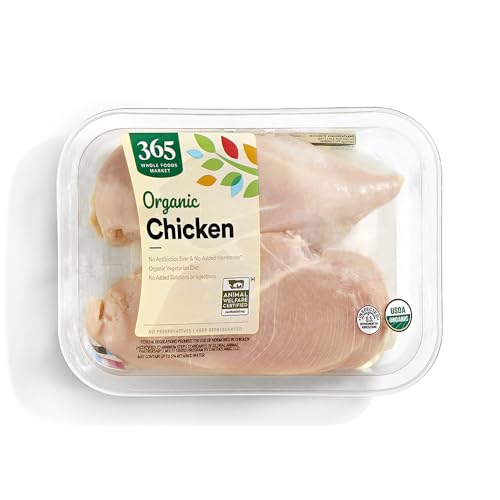
CASE OF, 365 by Whole Foods Market, Chicken Breast Boneless Skinless Tray Pack Organic Step 2


One tray of boneless, skinless chicken breast fillets weighing between 1.6 and 2.7 pounds
Muscle Repair and Collagen Formation
When you consume grilled chicken after exercise, you’re delivering the precise amino acid composition your muscles need to repair and rebuild. Your body uses chicken’s complete essential amino acid profile—particularly leucine—to stimulate muscle protein synthesis during the critical 0-5 hour recovery window. This process extends beyond muscle fibers; the amino acids support collagen formation in tendons and ligaments, strengthening the connective tissues surrounding your muscles. Chicken’s high-quality protein also facilitates bone remodeling, enhancing skeletal integrity alongside muscular adaptation. A 3-ounce serving provides 25.9 grams of protein, ideally supporting these interconnected recovery mechanisms. When combined with resistance training, grilled chicken maximizes your body’s capacity to rebuild tissues systematically and preserve lean mass throughout recovery phases. Pairing your chicken with complex carbohydrates like brown rice replenishes glycogen stores essential for sustained energy and optimal recovery. The thermic effect of feeding from chicken’s high protein content also increases the calories your body uses during digestion, supporting metabolic efficiency alongside tissue recovery.
Satiety and Appetite Control
Why does protein-rich grilled chicken leave you feeling fuller longer than other foods? When you consume grilled chicken, your body triggers a gastrointestinal response that activates hormone regulation mechanisms. Protein stimulates CCK release from your small intestine, effectively suppressing your appetite. The slow digestion of chicken sustains intestinal glucose contact, enhancing satiety signals and stabilizing hunger hormones for improved portion control.
This satiation effect reduces your cravings and snacking impulses during weight loss. Studies show chicken diets produce substantial weight loss—7.9kg compared to high-carb alternatives—without sacrificing fulfillment. Your body burns additional calories during digestion through the thermic effect of protein, boosting your metabolic rate. Lean chicken meat delivers essential vitamins and minerals that support optimal metabolic function during weight management. By pairing grilled chicken with high-fiber vegetables or whole grains, you’ll further enhance satiety and control your overall energy intake effectively. When you prepare larger batches of grilled chicken, you can easily transform leftover chicken into wraps, tacos, salads, or stir-fries that maintain the protein benefits while adding variety to your meals. If you prepare extra portions, properly freeze leftover chicken on the day of cooking to maintain both safety and nutritional quality for future meals. Properly wrapped cooked chicken can be stored in the freezer for up to three months while maintaining optimal quality and freshness. When refrigerating instead of freezing, ensure you consume your grilled chicken within three to four days to maintain food safety standards. Modern cooking equipment like pellet grills offers precise temperature control that helps you achieve perfectly cooked chicken while reducing flare-up risks and maintaining consistent heat throughout the cooking process.
Cholesterol Considerations and Individual Factors
While chicken breast’s cholesterol content varies slightly based on preparation and whether you remove the skin, understanding how dietary cholesterol affects your personal health requires examining your individual risk factors.
Your genetic makeup and lifestyle considerably influence how dietary cholesterol impacts your blood cholesterol levels. The American Heart Association doesn’t establish strict dietary cholesterol limits, recognizing this cholesterol variability among individuals. If you have existing high cholesterol or heart conditions, consult your healthcare provider about appropriate chicken consumption.
Individual monitoring through regular blood cholesterol tests helps you determine your personal tolerance for dietary cholesterol sources. Your overall diet quality matters more than single food items when managing cholesterol levels. A 4-oz serving of grilled chicken provides 35 g of protein, making it an excellent choice for those prioritizing muscle maintenance and tissue repair alongside cholesterol management. Grilled chicken contains only 46mg of cholesterol per serving, which is relatively modest compared to other animal proteins. Similar to how the reverse-sear technique helps achieve perfectly tender meat with optimal flavor, grilling chicken properly ensures maximum nutritional benefit while maintaining its natural juiciness. Using a meat thermometer ensures your grilled chicken reaches safe internal temperatures while preventing overcooking. Regularly cleaning the drip pans prevents grease buildup that can affect the flavor and safety of your grilled chicken. Resting the meat after grilling allows juices to redistribute throughout the chicken, ensuring a moist and flavorful result. The internal temperature is the most reliable indicator for doneness when grilling chicken, ensuring food safety while maintaining optimal texture and moisture. Consider pairing grilled skinless chicken with fruits, vegetables, whole grains, and healthy fats to support heart health while maintaining a balanced nutritional approach.


Meets standards for animal welfare, feed, and more, so you can know about what you're buying (and eating)

Cooking Methods and Preparation Impact
The way you prepare grilled chicken fundamentally determines whether you’re maximizing its nutritional benefits or undermining them. You’ll retain all 31 grams of complete protein and preserve essential nutrients like selenium and B vitamins when you grill at medium heat rather than charring excessively. Your choice of marinades greatly impacts nutrition: herb-based options boost antioxidants without calories, while oil-based or sugary marinades diminish the lean profile by increasing fat or carbohydrates. Plain grilled chicken maintains just 3.6 grams of fat and zero carbohydrates, preserving nutrients efficiently. You should grill to an internal temperature of 165°F, avoiding both undercooking and excessive drying. Grilling uses no added fats, which distinguishes it from fried preparations that can contain 15-20 grams of fat per serving. Pairing grilled chicken with vegetables enhances satiety while maintaining its lean advantage. A 4-ounce skinless chicken breast contains approximately 120 calories, making it an efficient choice for calorie-conscious diets. Allowing the chicken to rest for several minutes after cooking helps redistribute juices, ensuring you retain maximum moisture and flavor without compromising the lean nutritional profile. Using a digital meat thermometer ensures you achieve the proper internal temperature without guesswork, helping you avoid overcooking that leads to dry, less palatable chicken. Patting the chicken dry before seasoning improves seasoning adherence and helps achieve better flavor distribution across the surface. For optimal results, flip the chicken halfway through cooking to ensure even heat distribution and consistent doneness throughout. Kamado-style charcoal grills like the Big Green Egg can achieve crispy skin at 400°F while cooking faster than pellet or gas alternatives, offering both superior texture and efficient preparation. These preparation choices collectively determine whether you’re getting ideal nutritional value.

Mediterranean-inspired blend of garlic, savory herbs and white wine

Made with lemon juice, red bell peppers and herbs like basil & thyme

Marinade for chicken and other meats