You’ll restore your George Foreman grill to like-new condition by following a systematic five-step process. First, prepare your grill for cleaning. Next, you’ll apply the water and steam method to loosen buildup. Then, wipe down both cooking plates thoroughly. After that, clean all removable parts separately. Finally, maintain your grill with preventive care to extend its lifespan. Each step builds on the previous one, and we’ll walk you through the specifics that’ll transform your grill’s performance.
Prepare Your Grill for Cleaning
Before you begin cleaning your George Foreman grill, you’ll want to take several critical safety precautions. First, unplug grill from the electrical outlet to eliminate any electrical hazards during the cleaning process. Next, allow grill to cool completely to room temperature, preventing potential burns or damage to internal components.
Once the grill reaches a safe temperature, guarantee the dripping pan is positioned correctly to catch grease and debris. Remove any loose food particles or buildup from the cooking surface using your hands or a soft tool. Check that all removable plates are properly positioned before you proceed with cleaning. Make sure to drain and dispose of any fat that has accumulated in the pan to prevent clogging issues. For an even more effective approach, consider using tin foil on your grill plates during future cooking sessions to significantly reduce the time and effort required for cleaning. However, be aware that high cooking temperatures can cause aluminum particles to leach into your food, which may pose potential health concerns. You can also use cooking spray before grilling to create a non-stick surface that makes cleanup easier. Just as kiln-dried wood ensures cleaner burns in smokers by reducing moisture and contaminants, maintaining proper cleaning habits on your grill prevents buildup and ensures optimal performance. If you frequently grill in low-light conditions, ensure any integrated lighting is turned off and cool before cleaning around control panels or hood-mounted fixtures. Always use plastic or wooden utensils during cooking to avoid scratching the non-stick surface, which makes subsequent cleaning more difficult.
These preparation steps establish a secure foundation for effective cleaning while protecting both you and your equipment from unnecessary risk.

Weber Grill Spray has a non-flammable formula that’s safe to spray directly onto a hot grill or open flame.

For Fat Free Cooking, so there’s more on your plate, and less in your pan
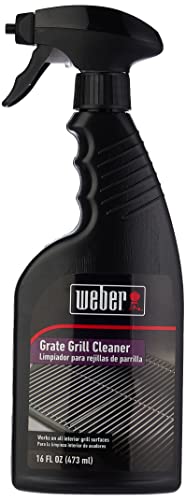
This 16 oz spray bottle of Weber Grill Grate Cleaner was engineered for use on cooking grate surfaces, including stainless steel and porcelain-enameled, cast-iron grates
Apply the Water and Steam Method
Now that your grill’s safely unplugged and cooled, you’ll harness steam’s cleaning power to break down stubborn residue. Fill a spray bottle with water or a water-and-dish-soap mixture. Spritz the plates thoroughly, then close the lid. Plug in your grill and heat for one minute, allowing steam to generate and loosen baked-on gunk. To maximize steam exposure while you minimize electrical risks, avoid spraying near heating coils or electrical connections. After the minute elapses, unplug immediately. Use a thick sponge or paper towel to wipe away loosened debris. For stubborn deposits, you can also place damp paper towels on the bottom plate to continue the steam cleaning process. For stubborn deposits, repeat the spray-and-heat cycle. If debris remains after multiple cycles, apply a paste of dishwasher detergent and water to the affected areas for enhanced cleaning power. Perform this process near a sink to catch dripping residue. The grill’s drip trays should also be emptied and wiped regularly to prevent grease buildup and pest attraction. To protect your deck surface from grease and spills during outdoor grilling, consider using a heat-resistant grill mat that extends beyond your grill’s footprint. For outdoor gas grilling setups, premium grill mats can offer up to 1000 uses while simplifying cleanup and protecting surfaces. If you use a 14.5-inch grease collector compatible with your George Foreman model, ensure it’s properly positioned to catch all drippings during the cleaning process. Never submerge electrical components in water.

【Large Under Grill Mat】 79*39 inches large double-sided fireproof under grill mat for Blackstone all grills & most family-sized grills, prevents sparks, oil, food residues, and keeps decks, patios and lawns clean and tidy.

Fire Retardant & Widely Applied - Our heavy-duty fiberglass blanket is fire retardant, effectively preventing accidents, injuries, and property damage caused by sparks, flares, and splatter. It serves not only as a reliable welding blanket for draping over equipment or floors but also as an emergency survival fire blanket or a vertical shield. Plus, it’s an excellent protective mat for outdoor camping and barbecues.

【Protect Deck and Lawn】 48*30 inch double-sided fireproof grill mat for use under grill, prevents high temperatures, resists sparks, oil, food residue, and keeps decks, patios and lawns clean and tidy.
Wipe Down the Plates
With steam having loosened the baked-on debris, you’re ready to wipe down the plates using methodical techniques that protect the non-stick surface. Start by applying a warm damp cloth to the warming plates while they retain residual heat, as this temperature helps particles release without excessive scrubbing. Make multiple passes across all cooking surfaces for thorough coverage. Use a soft sponge with mild soapy water to access crevices along the grill’s perimeter where fat has accumulated. Your gentle circular motions lift debris without scratching the plates or damaging the heating elements beneath. Follow with a clean, water-dampened sponge to eliminate soap residue completely. This rinsing step prevents buildup that could affect food taste during future cooking sessions. For stubborn spots, create a paste using baking soda and vinegar to apply directly on problem areas, letting it sit briefly before wiping clean. Avoid using aluminum foil to line the grill plates, as this can trap heat and damage the non-stick surface. For optimal results, turn off the grill before you begin the wiping process to ensure safety and allow the heat to dissipate gradually while you work. Just as with maintaining cookware for making oven-baked grilled cheese, proper cleaning preserves the non-stick coating for years of reliable performance. Similar to preparing a cast iron skillet for cooking, ensuring your grill plates are properly cleaned after each use will maintain their performance and extend their lifespan. Once the plates are completely clean and dry, apply a thin protective layer of cooking oil to help maintain the non-stick surface and prevent any potential damage. Always use a microfiber cloth for the final buffing step to prevent streaks and water spots from forming on the surface.

Citrusafe BBQ Grill Grate Cleaner, 23 FL OZ
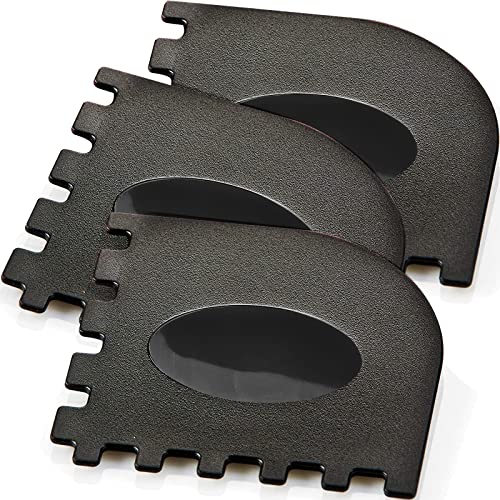
3 Pack kitchen Grill cleaning scraper Includes: 3 grill pan Scraper

Cooking and scraping: The spatula has precision cutting grooves 0.44" apart from each other, which can perfectly fit the grooves of the grill, easily flip burgers, meats and vegetables, and can be cut into small pieces and presented on the plate. It can scrape both sides of the grooves Stuck food scraps and the most stubborn burnt pieces!
Clean the Removable Parts
Your George Foreman grill’s removable parts require separate attention to achieve complete cleanliness. Start by removing the grates and dripping pan once they’ve cooled slightly. Soak parts carefully in water to loosen grease and debris buildup. Rinse multiple times to separate stubborn food particles from surfaces.
Use soft sponges rather than abrasive steel wool to prevent damage to nonstick coatings. Paper towels remove approximately 99% of surface debris without additional cleaning agents. Apply light pressure during scrubbing to maintain coating integrity. While traditional wire brushes clean effectively, bristle-free alternatives eliminate the safety risk of stray bristles contaminating your food. If you do use a brush, choose one with nylon bristles that won’t shed dangerous metal wires into your cooking surface. Options like the Grillaholics Bristle-Free Grill Brush feature a triple helix design and built-in scraper that effectively clean between grates without risking bristle contamination.
Dry all components thoroughly with paper towels to prevent water spots and rust formation. Inspect grates thoroughly for remaining residue and soap buildup. For grills with cast iron grates, proper maintenance ensures heat retention and longevity similar to professional cookware. Consider a replaceable-head design to maintain cleaning effectiveness while reducing long-term costs. Reinsert the grates into their designated slots carefully, then replace the dripping pan before operating your grill.

【The Safest Bristle Free Grill Cleaner】:No wire bristles at all, no melting like nylon grill brushes; With this safe grill brush and scraper, your food will stay 100% Bristle Free. No more worry about swallowing some metal pieces, Let's free to gobble up some favorite barbecue! Save your effort and time, let’s just have fun! (PATENTED design)
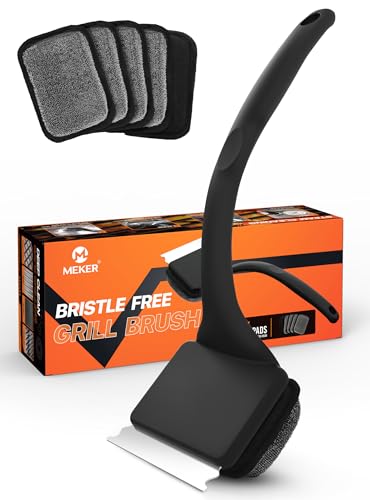
【ULTRA SAFE CLEANING】BBQ is a wonderful thing, but cleaning the grill can be a challenge! MEKER Grill Cleaner Brush can help you! Our grill cleaner brush ensures a bristle-free cleaning experience, eliminating the risk of swallowing dangerous metal bristles. Enjoy safe, worry-free grilling with our innovative design.

Compatible with all major grill types: Works with porcelain, ceramic, infrared, Weber cast iron, and Char-Broil grills. Not recommended for small portable grills or thin round stainless steel grill grates. Keeps your grill looking shiny and new
Maintain Your Grill With Preventive Care
Preventive maintenance greatly prolongs your George Foreman grill’s lifespan and guarantees consistent cooking performance. You’ll handle spills promptly by wiping excess fat and food immediately after cooking with a paper towel, preventing residue accumulation. Apply the preheat and wipe technique regularly: spray soapy water on plates, warm the grill briefly, then wipe with a grill brush or sponge before rinsing and drying thoroughly.
You should store grill securely by unplugging it completely and allowing full cooling. Wrap the power cord around the guides in the grill’s base for organization. Position your grill on a stable, level surface away from moisture and avoid stacking heavy items on top to prevent plate damage. Ensure all parts are thoroughly air-dried after cleaning to prevent moisture buildup and maintain the grill’s functionality. If exterior metal surfaces show signs of rust or corrosion, consider using high heat spray paint rated for temperatures up to 1200°F to restore and protect the finish.
Consider using the foil lining method—folding lightly oiled aluminum foil over cooking surfaces before each use minimizes direct contact cleaning and reduces maintenance frequency considerably. For optimal protection, apply a thin layer of high smoke point oil like vegetable or canola oil to the cooking plates periodically to maintain the non-stick surface and prevent rust. Heat the grill to allow the oil to bond and form a protective non-stick layer that enhances cooking performance. Establishing a regular maintenance schedule ensures your grill remains functional and hygienic for optimal performance before each use.

HIGH HEAT SPRAY PAINT: Protective enamel retains its color and finish on metal surfaces exposed to intermittent heat up to 1200°F.

HIGH HEAT SPRAY PAINT: Protective enamel retains its color and finish on metal surfaces exposed to intermittent heat up to 1200°F.

HIGH HEAT PROTECTIVE SPRAY PAINT: Ideal for use on automotive parts and surfaces subject to intermittent high heat up to 2000°F