
You shouldn’t put aluminum foil directly on your grill grates. It restricts airflow, creates dangerous hotspots, and traps grease that can ignite. At high temperatures above 150°C, foil releases particles that migrate into your food, raising health concerns. Additionally, restricted circulation accelerates burner wear and complicates cleanup with hardened residue. While foil seems convenient, the risks far outweigh the benefits. Explore superior alternatives that protect your grill without compromising safety or performance.
Benefits of Using Aluminum Foil on Grill Grates
When you line your grill grates with aluminum foil, you’ll gain several practical advantages that improve both your cooking results and grill maintenance.
Aluminum foil enables superior cooking temperature control by distributing heat evenly across your grill surface, preventing hot spots that burn food. This consistent thermal environment guarantees uniform cooking results every time.
For food quality enhancement, foil acts as a protective barrier for delicate items like fish and vegetables, preventing them from falling through grates while retaining moisture and natural flavors. You’ll also eliminate flare-ups by catching fatty meat drippings before they reach flames, reducing burning and ensuring even doneness. The moisture-locking properties of foil are particularly effective for steaming vegetables and seafood directly on your grill. Heavy-duty grill foil is specifically formulated to not react with acidic foods, ensuring your meals maintain their intended taste profile. For those seeking alternatives to aluminum foil, grill mats offer similar heat resistance and non-stick performance while providing a reusable solution.
Additionally, foil dramatically simplifies cleanup—it catches residue and grease, requiring only quick disposal rather than intensive scrubbing, which eliminates the need for natural abrasives and degreasers during maintenance. For easier maintenance beyond foil use, consider placing a grill mat underneath your grill to protect your deck surface and catch additional spills. This protective layer also extends your grill’s longevity by reducing rust and corrosion risk on grates. After each use, you should apply oil to your grates using high-temperature oils like vegetable or canola oil, which have the necessary high smoke points for proper seasoning. For best results, pair your foil-lined grates with oils that have a high smoke point, such as refined avocado or peanut oil, to ensure optimal seasoning and heat distribution.

Package Includes: One (1) Reynolds Wrap Pitmaster’s Choice Extra Thick Aluminum Foil Roll measuring 25 feet by 18 inches wide (37.5 square feet total)

EXTRA WIDE COVERAGE: This aluminum foil roll measures 18 inches wide to span more grill surface in one sheet, helping cover grates, pans, and larger foods with less overlap. Useful for ribs, corn, vegetables, and wide prep or storage tasks

EXTRA WIDE HEAVY DUTY REYNOLDS FOIL: This package contains one Reynolds Wrap heavy duty foil roll measuring 50 feet long by 18 inches wide (75 square feet total)
Potential Risks to Your Grill
While aluminum foil offers convenience benefits, it introduces several serious risks that can compromise your grill’s performance and safety. You’ll experience decreased grill performance as foil restricts airflow, creating uneven cooking and hotspots that leave food burned on one side and raw on the other. The restricted circulation strains your grill’s internal components, accelerating wear on burners and ignition ports.
Potential fire hazards intensify enormously. Foil traps grease underneath, allowing fat to pool and ignite dangerously. When foil tears or shifts, hardened grease residue adheres to grates, complicating cleanup immensely. Additionally, foil itself can catch fire at high temperatures, particularly if left unattended. To prevent rust and corrosion from the moisture and grease buildup caused by foil, consider applying a protective layer of cooking oil to your grates regularly. Grilling directly on aluminum foil can lead to increased flaking and leaching into your food, which may pose health concerns with prolonged exposure. These combined factors shorten your grill’s lifespan while increasing accident risks greatly. Professional cleaning services can remove the accumulated grease and carbon that foil contributes to, restoring your grill’s safety and performance.
Health and Safety Considerations
Beyond operational concerns, lining your grill grates with aluminum foil poses direct health risks you shouldn’t ignore. When you heat foil above 150°C, it releases particles that migrate into your food. Grilling temperatures often exceed 200°C, intensifying this process. Acidic foods like tomatoes or lemon juice accelerate leaching levels substantially, with studies showing amounts exceeding WHO acceptable limits. In contrast, anodized aluminum grill grates create a protective oxide layer that prevents such particle release during cooking.
While aluminum isn’t classified as a carcinogen, cancer concerns persist regarding tiny particles potentially releasing harmful substances. Excessive aluminum exposure correlates with kidney impairment and neurological issues. Though evidence linking aluminum to Alzheimer’s remains inconclusive, regular intake raises legitimate concerns. Consumption exceeding 1 mg per kg body weight weekly can cause acute toxicity.
You’ll excrete most dietary aluminum quickly if you’re healthy, but minimizing unnecessary exposure makes sense. Regular maintenance with appropriate grill cleaners can help preserve your grill’s integrity and reduce the temptation to use foil shortcuts. Additionally, rust corrodes metal over time, weakening the grill’s structure and leading to costly repairs. Premium grills made with 304 stainless steel construction offer superior corrosion resistance and durability compared to lower-grade materials, similar to high-performance models designed for even heat distribution. Consider wrapping food instead of lining grates—you’ll prevent fat drips while avoiding direct foil contact with heat.
Essential Safety Precautions and Best Practices
If you’ve decided to use aluminum foil on your grill despite the health considerations, you’ll need to follow specific protocols to minimize risks and prevent equipment damage. Select medium-thickness foil to guarantee uniform heat distribution without compromising cooking speed. Position it flat on grates, avoiding direct flame contact that could cause fires. Always use oven mitts when handling hot foil, and monitor it continuously during high-heat grilling. Avoid using damaged or crumpled foil as it may tear during cooking and compromise your food safety.
After cooking, employ proper disposal methods by safely removing and discarding used foil. Scrape food residue immediately while grates are hot, then wipe with a foil ball held in tongs. For optimal grate maintenance, consider using nylon-bristle grill brushes or bristle-free grill brushes on cool grates to safely remove debris without shedding dangerous bristles. Alternatively, pumice-based grill cleaning bricks offer an ecological solution for removing grease and caked-on residue without scratching your grates. Wire-bristle brushes carry the risk of stray bristles contaminating your food, so prioritize safer alternatives like bristle-free coiled designs that balance power and safety when cleaning your cooking surface. Note that laying foil on grates can restrict air flow inside the grill, which could lead to damage of internal components. Finally, oil your grates with high-smoke-point oil to safeguard against rust and maintain equipment longevity. These practices protect both your safety and your grill’s integrity.
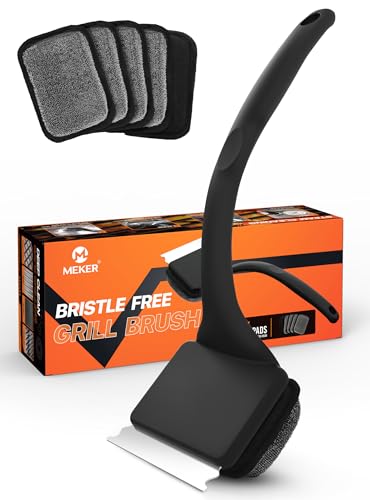
【ULTRA SAFE CLEANING】BBQ is a wonderful thing, but cleaning the grill can be a challenge! MEKER Grill Cleaner Brush can help you! Our grill cleaner brush ensures a bristle-free cleaning experience, eliminating the risk of swallowing dangerous metal bristles. Enjoy safe, worry-free grilling with our innovative design.

【The Safest Bristle Free Grill Cleaner】:No wire bristles at all, no melting like nylon grill brushes; With this safe grill brush and scraper, your food will stay 100% Bristle Free. No more worry about swallowing some metal pieces, Let's free to gobble up some favorite barbecue! Save your effort and time, let’s just have fun! (PATENTED design)

【Safe Bristle Free】New design “StelFyber Head” free you from wire swallowing nightmare; with our newest no bristle brush, your food can always stay 100% Bristle Free. Wanna gobble up your favorite barbecue with total peace of mind? This could no longer be a problem!
Superior Alternatives to Aluminum Foil
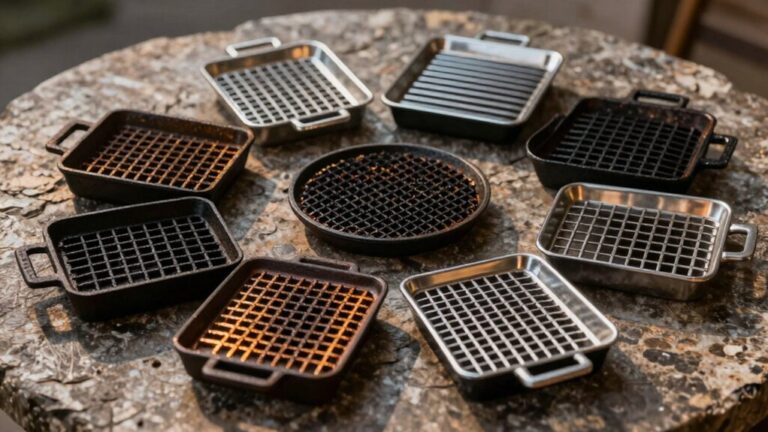
Now that you’ve understood the precautions required for aluminum foil use, you’ll find that several superior alternatives eliminate health and safety concerns altogether. Stainless steel grill baskets prevent food from falling through grates while accommodating vegetables, fish, and burgers. Pair them with stainless steel grill domes to create steam for cheese melting and vegetable cooking. Cast iron cookware offers a sturdy, temperature-tolerant alternative that transfers seamlessly from oven to grill, handling sticky foods like fish effectively. Oven-safe stainless steel cookware with lids substitutes for foil steaming packets. For cleanup, abandon foil entirely and adopt grilling paper, copper mats, or nylon scouring pads. These non-foil solutions provide durable, reusable options that protect both your food and health. Placing fish directly on lemon slices on the grill prevents sticking while infusing the fish with citrus flavor as an additional benefit. Acidic foods like citrus absorb significantly less aluminum when cooked without foil contact, making this method particularly beneficial for your wellness. Cedar planks offer another excellent option for grilling fish, as they impart subtle smoky wood flavor while keeping the fish moist and preventing it from burning on the grates. You can also marinate salmon fillets in olive oil and lemon juice before grilling to enhance flavor and moisture retention. For foil-wrapped packets, seal them with small ventilation holes to allow steam circulation while retaining moisture during cooking. Ensure your fish is patted dry before seasoning] to achieve optimal grill marks and prevent sticking during the cooking process. For best results, grill your salmon at high temperatures between 450°F and 550°F to develop a perfect crust while keeping the interior moist.

[3 Custom Divided Sections]: Opt to divide the grill basket into 3 sections to keep different types of BBQ food separated in case of mixed taste. You can cooking sharps, steaks and vegetables at the same time without mix the flavor with this grilling accessories. Or you can remove the dividers for a more large cooking space

【TO BE A PROFESSIONAL CHEF】-Grilling is an art. And when you’ve mastered that art…your friends double in numbers. JY COOKMENT Grill basket can help you to the master of grilling.
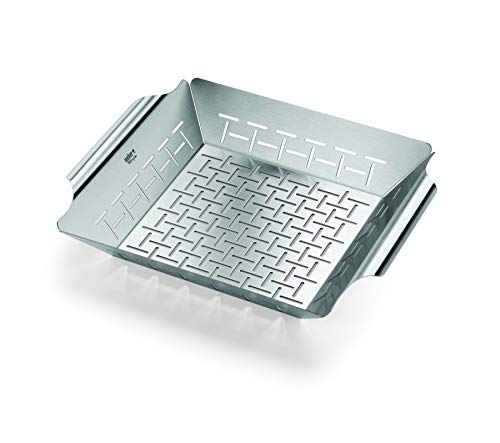
Ideal for vegetables and smaller pieces of meat