
You shouldn’t cook on a rusty grill because rust particles transfer directly onto your food, risking excess iron intake and heavy metal exposure from corroded surfaces. The metallic taste intensifies with each use as oxidation accumulates on your grates. Acidic marinades accelerate metal leaching, compounding health concerns. While occasional use of lightly rusted cookware may pose minimal risk to most people, frequent exposure substantially increases your vulnerability to gastrointestinal irritation and nutritional imbalances. Understanding your specific grill’s condition requires closer examination.
Understanding Rust Formation on Grill Grates
When you leave your grill exposed to outdoor elements, rust doesn’t simply appear—it results from a specific chemical reaction between metal, oxygen, and moisture. Oxygen combines with metal surface atoms to form metal oxides that progressively thicken, deepening the corrosive effect on your grate’s structure.
Different materials rust differently. Cast iron‘s porous composition absorbs moisture readily. Stainless steel rusts when its protective passivation film deteriorates through scratching or collisions. Galvanised steel fails when its coating wears away, particularly from acidic foods or cleaners. Seasoning cast iron regularly creates a protective barrier that significantly slows rust formation.
Heat cycles create micro-cracks enabling moisture seepage, accelerating degradation. Implementing effective rust inspection frequency helps catch early corrosion stages before they advance. Establishing corrosion control techniques—including immediate drying after cleaning and protective seasoning—prevents rust formation before it compromises your grill’s safety and functionality. For cast iron grates, applying high smoke point cooking oil such as vegetable or canola oil creates an additional protective layer. To maximize protection, apply oil right before cooking and after each use for optimal results. Rainy seasons and high humidity can significantly accelerate the rusting process on all grill materials. For severe rust cases, professional rust removal methods like laser cleaning may be necessary before re-seasoning. After removing rust, soaking rusty grates in vinegar dissolves oxidation before re-seasoning the grill with a layer of oil and heating it creates a non-stick surface that protects against future rust formation.
Health Risks Associated With Cooking on Rusty Surfaces
While rust itself doesn’t directly transmit tetanus—contrary to popular belief—cooking on rusty surfaces exposes you to legitimate health hazards that warrant careful consideration. The nutritional impact of ingested rust particles creates potential complications, particularly for sensitive individuals. More concerning is the transference of heavy metals from corroded grill surfaces. Stainless steel grills release nickel and chromium into food, with acidic marinades accelerating leaching up to 34-fold. Iron oxide from cast iron surfaces imparts unwanted metallic flavors while risking excessive iron intake for those with hemochromatosis. Frequent use of rusted cookware compounds exposure risks substantially. To maintain your grill and prevent rust accumulation, consider using safe cleaning alternatives like aluminum foil or natural methods that avoid wire brushes and harsh chemicals. Cleaning the grill grates while still hot using a soft stainless steel brush helps maintain their condition and reduces buildup. For interior grates, mild dish soap can effectively remove debris without damaging cooking surfaces. Regular cleaning with appropriate stainless steel cleaner removes corrosion and prevents rust accumulation before it becomes a food safety concern. Homemade pastes made from baking soda and vinegar can serve as effective natural alternatives for removing rust and buildup from grill surfaces. Proper washing, drying, and seasoning of your grill can help prevent rust development and reduce these health risks over time. Metal leaching from corroded surfaces generally poses negligible health risks for most people unless they have specific metal sensitivities or conditions like hemochromatosis. You should address rust before grilling to minimize ingestion of oxidized metal particles and prevent adverse health outcomes.
Assessing the Safety Level of Your Grill
Before you fire up your rusty grill, you’ll need to conduct a thorough safety assessment that goes beyond surface-level rust concerns. Inspect all gas lines, connections, and fittings for cracking, brittleness, and sharp bends—rust impact compromises structural integrity and creates corrosion hazards that lead fires. Apply soapy water to all connections; bubbling indicates leaks requiring immediate repair before operation.
Examine burner tubes for blockages from insects or grease buildup. Check your grill’s placement on a flat, stable surface positioned at least 10 feet from structures, buildings, and combustible surfaces. Verify the grease trap is clean and accessible. To prevent rust damage from worsening, consider regular cleaning and oiling of your grates as a preventative maintenance step. For optimal results, preheat the grill to loosen buildup before scrubbing the grates with a grill brush to remove grease and food residue. After cleaning, ensure you heat the grill to burn off any residual residues before cooking. Keep a multipurpose dry chemical extinguisher rated for Class B and Class C fires stationed within 30 feet of your grill for immediate fire response. Take tanks or grills needing repair to a qualified service provider rather than attempting fixes yourself. Modern grills manufactured after 1995 include 3 safety features designed to eliminate leak hazards.
Rusty propane cylinders demand replacement to prevent disrepair-related hazards. If you detect gas odors, test per manufacturer instructions and tighten connections. Ensure your grill remains in a well-ventilated outdoor space to safely disperse any gas that may escape. Don’t operate until all safety checks pass.
How Rust Affects Food Quality and Taste
Your grill’s rust doesn’t just compromise safety—it directly contaminates the food you’re cooking. Iron oxide particles transfer onto meat and vegetables, creating a noticeable metallic taste that intensifies with each use. This contamination accelerates when acidic marinades, meat juices, or citrus-based sauces etch into corroded surfaces, triggering rapid rust development.
Rust-damaged grates also cause texture degradation through uneven heat distribution. Pitting creates hot spots that burn food while other portions remain undercooked, preventing proper searing and browning. Rough, deteriorated surfaces trap food particles, causing uneven charring that compromises your dish’s quality. While small amounts of rust are not immediately harmful if accidentally ingested, regular consumption through repeatedly cooking on heavily rusted grates may pose health concerns over time. For effective rust removal, specialized metal scrapers outperform brushes and stones by removing grime without leaving behind bristle fragments or debris, making bristle-free grill brushes superior alternatives to traditional wire options. Pumice-based grill cleaning bricks offer an efficient solution for removing rust and caked-on residue using only water and light pressure. Regular maintenance and proper drying are essential to prevent rust buildup from accumulating on your cooking surface. Coiled designs eliminate safety risks associated with stray bristles while maintaining effective cleaning power.
Additionally, the structural weakening from progressive corrosion prevents consistent heat retention and proper food contact. Nylon-bristle brushes provide a safer option compared to metal wire brushes, which can shed dangerous bristles that contaminate your food. These compounding effects result in measurable nutrient loss and flavor profile alteration across successive cooking seasons.
Effective Cleaning Methods for Rusty Grates
Since rust compromises both safety and food quality, you’ll need to remove it before your next cookout. Several rust elimination methods address the chemical composition of oxidized iron effectively.
The vinegar-salt approach leverages acetic acid’s corrosive properties to dissolve rust. Soak grates overnight in this solution, then wipe clean. Baking soda provides an alternative, creating a fizzing reaction that loosens rust deposits when applied to heated grates. For stubborn rust on various grill types, specialized grill cleaners formulated for rust can dissolve baked-on deposits efficiently. Products like Bar Keepers Friend powder mixed into a paste work particularly well on stainless steel grill exteriors.
For mechanical removal, wire brushes work efficiently on flat surfaces, while brass-bristle brushes protect cast iron seasoning. Sandpaper ranging from 120-grit removes loose rust but risks surface scratching. Regular use of wire brushes between cookouts helps prevent rust development before it becomes a serious problem. For safer routine cleaning, bristle-free coil and chainmail brushes offer effective rust prevention without the risk of stray bristles damaging your grates. Electrolytic treatment offers an advanced option for antique grates that removes rust without abrasion. Preheating your grill to high temperatures around 500-550°F before brushing the grates can help loosen stubborn grime and make rust removal more effective. For long-term protection after cleaning, high heat spray paint designed for grills provides durable corrosion resistance on exterior surfaces.
Pressure washing combines chemical and mechanical action. Soak grates in a 50/50 vinegar-water solution for eight hours, then use a 1500-2000 PSI pressure washer at appropriate distances. Always dry thoroughly and apply vegetable oil afterward to prevent re-oxidation.

PRACTICAL: Wire brushes are ideal for removing paint stains, rust, welding slag,solder,scale, Great for remove corrosion and more from parts, equipment, machinery and other surfaces. Also great for cleaning threads, grills or tile.

【Strong Durability】The stainless steel wire brush is made of high-quality stainless steel, so it has excellent durability. Even under heavy use, it can maintain its shape and performance, and is not easily damaged.

6 Pack Wire Brush Set: This package includes: 2 pcs carbon steel cup brush, 2 pcs wheel brush, 2 pcs pen brush with 1/4 inch hex shank. Hardened steel wire long maximum 4500 RPM.
When to Replace Your Grill Grates
Eventually, even the most diligent maintenance can’t restore grates that have deteriorated beyond functional use. You should replace your grates when determining structural integrity reveals deep rust, warping, or cracking that compromises heat distribution and safety. Evaluating coating deterioration on porcelain-coated grates is critical—once flaking exposes bare metal, rust progression accelerates rapidly, and restoration becomes unfeasible.
Watch for persistent food sticking despite cleaning, which indicates worn surfaces unable to maintain non-stick properties. Cast iron grates can last a decade with proper maintenance, while porcelain-coated options deteriorate quickly once damaged. For superior durability and heat retention, pre-seasoned cast iron grates offer excellent searing performance and natural non-stick properties that improve over time. The Monument Grills Mesa 415BZ demonstrates how quality 304 stainless steel construction in premium grills provides exceptional even heating for consistent cooking results. Thin metal that bends easily signals structural compromise. When selecting replacement grates, porcelain-enameled cast iron excels in heat retention and bold sear marks, making it a popular choice for BBQ enthusiasts. Stainless steel grates typically outlast cast iron and porcelain options, offering superior corrosion resistance that extends their functional lifespan. Environmental conditions like humidity and coastal air exposure can significantly speed up the deterioration process, making environmental factors a key consideration in replacement timing. For the longest-lasting results, 304 stainless steel grates provide the most durable construction available for residential grills. Regular scrubbing the cooking grates before and after use can extend grate life and prevent premature rust formation.
Safety concerns demand immediate replacement: deep rust creates food contamination risks, rusted brackets cause instability, and warped bars affect cooking consistency. When uneven heating and longer cooking times persist despite maintenance efforts, replacement proves more cost-effective than continued restoration attempts.

Fits For Chargriller 2121, 2123, 2222, 2828, 3001, 3008, 3030, 3072, 3232, 3725, 4000, 4001, 4008, 4208, 5050, 5072, 5252, 9020 Gas Grill Models

Grill Grates for Chargriller: 2121, 2123, 2222, 2828, 3001, 3008, 3030, 3072, 3232, 3725, 4000, 4001, 4008, 4208, 5050, 5072, 5252, 5650, 9020 gas grill, fits for chargriller grill duo 5050

【Dimensions】 - 17" x 13 1/4" each, 17" x 26 1/2" total. 【Material】 - Matte cast iron. 【Package included】 - 2 Pack cooking grate. 【Original Part Number】 - 341-025, 549-057, 13000123A0, 13000394A0, 55-09-152.
Prevention Strategies to Minimize Rust Development
While rust development isn’t inevitable, proactive maintenance strategies considerably reduce corrosion risk and extend grill longevity. You’ll prevent moisture accumulation by applying waterproof, UV-resistant covers with snug fits and periodically removing them for air circulation. After each use, you should wipe exteriors with warm water and mild soap, then dry thoroughly following grain direction. You’ll protect metal surfaces by applying high-temperature oils like avocado or canola post-cleaning, re-seasoning fire bowls every few weeks. Your monitoring grill condition involves inspecting gaskets regularly and replacing worn components promptly. For proper storage procedures, you should position grills in low-humidity areas, cover gas lines during extended storage, and protect pellet hoppers from rain. When disposing of an old grill, ensure you follow safe removal and disposal procedures to prevent environmental harm. Emptying ash from charcoal or pellet grills after each use prevents grease traps and residue from promoting oxidation and corroding protective finishes. Regular cleaning with stainless-steel cleaner containing oxalic and citric acids will remove harmful salt deposits and chemicals that accelerate rust formation. Incorporating routine light cleaning after each grilling session helps maintain grates and prevents buildup that compromises both appearance and function. For grates specifically, you can use an onion half rubbed along the grill surface to remove light carbonization and charred food in a chemical-free way. Using grill brushes to scrub grates removes food residue and prevents buildup that can trap moisture and accelerate rust. These evidence-based practices markedly minimize rust formation and maintain cooking safety.

Graza Frizzle Oil Made from 100% Olives: A neutral-flavored, high heat cooking oil made from 100% peak harvest olives. With a smoke point of up to 450 degrees, Frizzle is your high-heat kitchen hero. 1 bottle/750ml.
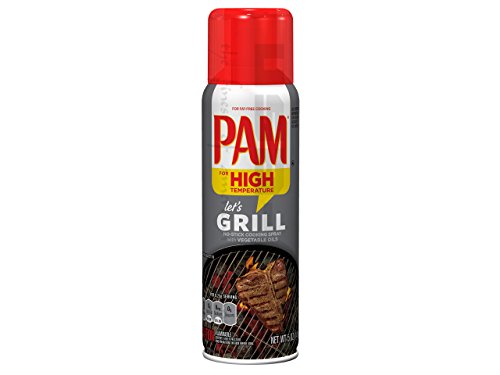
No-stick cooking spray, for fat free cooking.
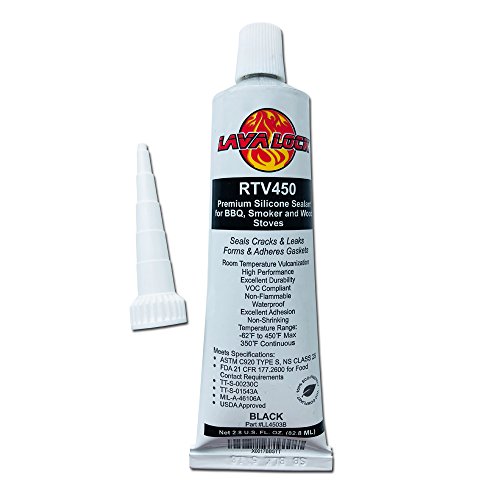
🔥 【FOOD CONTACT SAFE】 Meets Specs for and requirements for Food Contact Safe High, temp BBQ smoker grill & wood stove sealer
Maintenance Tips for Long-Term Grill Protection
You’ll dramatically extend your grill’s lifespan through four critical maintenance practices: strategic cleaning and seasoning, moisture management, protective covering, and prompt rust remediation.
Implement weekly cleaning routines using nylon-bristle brushes to prevent metal contamination while removing grease buildup. Apply vegetable oil coating options after each use—three heated applications with cooling intervals create durable seasoning layers that enhance component longevity. Using a barbecue cover will protect your grill from environmental elements and significantly reduce rust formation.
Empty ash and grease traps immediately after cooking, as moisture accumulation accelerates oxidation. Store pellet grills without pellets during humid conditions or winter months. Deploy UV-resistant, waterproof covers that fit securely to prevent water pooling and extend the protective lifespan of your grill investment. When selecting a cover, checking UV and mildew ratings ensures your protective investment withstands prolonged exposure to sun and moisture. For enhanced surface protection beneath your grill, consider installing fire-resistant grill pads to prevent damage to grass or decking from heat and grease drips. Ensure your grill mat has a nonslip backing and raised lip to effectively catch spills and maintain stability on your deck or patio. Baking soda serves as a powerful natural cleaner that can eliminate rust buildup when heated directly on the grill surface. For optimal protection, measure your grill including any side shelves to ensure your cover achieves a snug fit that prevents wind from displacing it during storage.
Position your grill away from coastal salt spray and chlorine exposure. Address emerging rust immediately using wire brushing or vinegar solutions, then reapply protective oil coatings. Consistent maintenance proves substantially more effective than reactive rust removal.
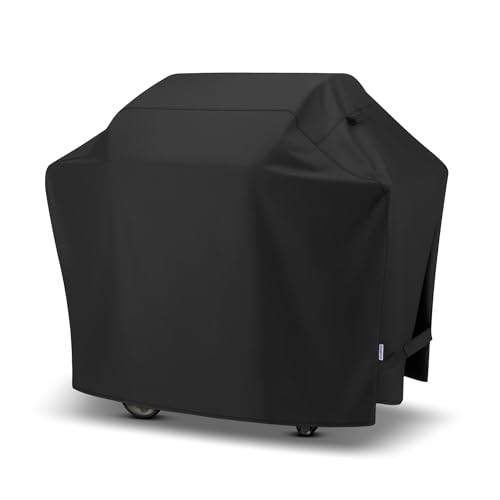
Grill Cover Dimension - 55"W x 23"D x 42"H, compatible for most 3-burner and 4-burner BBQ gas grills in width from 48" to 53", like Weber Charbroil Kenmore Nexgrill Napoleon Broil King and so on. Be sure to measure your grill size before purchasing and choose a cover with space to spare.

[Waterproof & Weather Resistance]: Made of polyester waterproof material, it has the function of waterproof in rain and dustproof and anti-UV in sunny day. No matter what the weather, it can prevent strong wind, rain, storm, intense sunshine, dust, snow, etc., and keep it clean
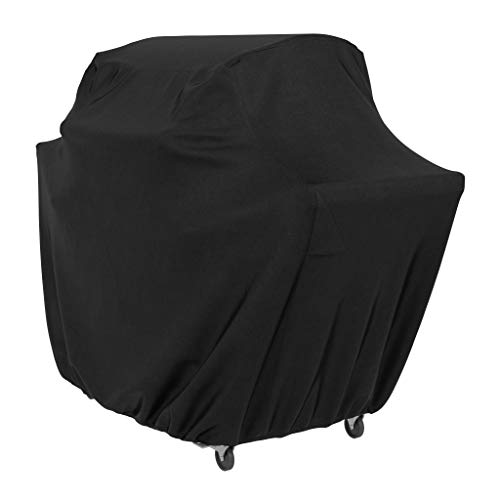
Medium outdoor cover fits most gas grills up to 60 x 28 x 46 inches; ideal for everyday use; particularly useful during the off season
Choosing Rust-Resistant Grill Materials
Strategic maintenance can’t overcome poor material selection, so your grill’s baseline construction determines how effectively protective measures work. You’ll find that 304 stainless steel balances affordability with reliable corrosion resistance, making it suitable for most backyards. If you’re in coastal areas with extended exposure times to salt spray, upgrade to 316 stainless steel, which incorporates molybdenum for superior chloride resistance.
For superior longevity, consider Corten steel. It develops a protective rust layer that outperforms stainless in durability without requiring coatings. Corten steel’s self-healing oxide layer ensures long-term protection even in harsh outdoor environments. Cast aluminum resists corrosion effectively for high-exposure settings when properly maintained. Unlike cast iron, cast aluminum requires less frequent seasoning to maintain its protective surface.
Evaluate thermal conduction properties alongside material composition. Stainless heats quickly but retains less heat than cast iron, which demands more rust prevention. Cast iron grates offer excellent heat retention and searing ability, making them a popular choice despite their higher maintenance requirements. Match your material choice to your climate and cooking frequency for ideal performance.

Large Size Package: Larger size stainless steel wire mesh can meet your needs in more environments, you can also save it for future use or share the leftover wire mesh with your friends, in short, enough size to meet more matches, ideas and inspirations.

Perfect Fit for Weber 22” Charcoal Grills Designed specifically forWeber 22” / 22.5” charcoal grills, this hinged cooking grate fitsOriginal Kettle, Original Kettle Premium, Master-Touch, Performer and Bar-B-Kettle series. Please confirm your grill model before ordering.Not compatible with Weber Smokey Mountain Cooker.

Advanced Broil Zone & Precision Heat Control: Broil Zone sears fast and adjusts for even heat. This 4-burner propane grill hits up to 500°F in just 5 minutes on full blast—while adjustable burners let you fine-tune the heat for everything from perfect steaks to tender vegetables. Every BBQ session is efficient, flavorful, and fully under your control.