You’ll extend your grill’s lifespan by establishing immediate after-use cleaning. Close both dampers to halt heat buildup, then brush grates back-to-front with moderate pressure using bristle-free brushes or wooden scrapers. For gas grills, run maximum temperature for five minutes to carbonize debris before scraping. Apply oil afterward to prevent rust formation. Thoroughly dry all components and use a waterproof cover for protection. The systematic approach you’re about to uncover will transform your maintenance routine.
Close the Dampers and Initial Cooling
Once you’ve finished cooking, you’ll want to close your grill’s dampers to extinguish the coals safely and initiate a controlled cooldown. Start by closing your bottom dampers first, which restricts oxygen supply to the fire. Next, close your top dampers to halt exhaust venting and reduce airflow circulation.
This two-step approach prevents residual heat buildup that could overcook remaining food. By adjusting optimized airflow through partial damper closure, you’ll slow the burn rate considerably. Full closure of all vents guarantees the fire dies completely without requiring external smothering methods. Closing the top vents with a well-sealed grill will extinguish the fire more efficiently than relying on bottom vent closure alone.
Allow your grill to cool gradually with dampers closed. This controlled process protects your equipment from thermal stress while preventing dangerous flare-ups during the cooling phase. Closing the dampers reduces the convection and radiation that kept your grill hot during cooking. For optimal grill maintenance, use mild detergents and proper cleaning materials when removing debris from interior surfaces. Consider routine grill maintenance practices such as cleaning grates and removing ash to support optimal grilling performance. After the grill has cooled completely, you should scrape away debris from the interior surfaces to prevent buildup. Unused charcoal can be preserved for future use by keeping the grill sealed during the natural cooling process. Periodically remove and inspect the ash deflector stone during this cooling period to assess charcoal consumption and ensure proper debris collection.
Brush and Scrape Technique
After you’ve closed the dampers and allowed your grill to cool, you’ll want to prepare your grates for thorough cleaning. Start with bristle identification—inspect your brush for loose or compromised bristles before use, discarding any showing wear to prevent ingestion risks.
Begin scraping each grate back to front using moderate pressure application, working methodically across the entire surface. For stubborn residue, repeat passes on sticky spots as needed. Industrial wire brushes provide durability, though they pose bristle-shedding hazards on food surfaces. To maximize brush lifespan, consider a model with an interchangeable head to only replace the worn component rather than discarding the entire tool.
Consider safer alternatives: bristle-free coil or chainmail brushes offer effective cleaning with lower risk of stray bristles contaminating your food. Crumple aluminum foil into a ball and scrub with tongs, use wooden scrapers on porcelain coats, or apply pressure washers to removed grates. Specialized metal scrapers that wrap around rods provide excellent grime removal without the bristle risks associated with traditional brushes. Nylon-bristle brushes are safer around food surfaces than metal wire alternatives. When dealing with particularly stubborn buildup, spray water on hot grates with a spray bottle to help loosen debris before scraping. The oiled onion method works effectively for light cleaning on hot surfaces. For maximum safety and durability, hybrid designs balancing power and safety eliminate the concerns of traditional wire brushes while maintaining effective cleaning performance. Choose your technique based on your grate material and buildup severity.
Hot Blast Cleaning for Gas Grills
Because high heat effectively carbonizes stuck-on food debris, you’ll find that setting your gas grill to its maximum temperature provides an efficient preliminary cleaning method. Allow approximately five minutes for the heat blasting duration to fully loosen residue across all cooking surfaces.
Once heating completes, employ heat resistant scraping tools specifically designed for this task. Standard kitchen utensils will damage your grill’s finish and won’t effectively remove carbonized material. Metal scrapers with specially-engineered heads work ideally on hot grates and bars, lifting away loosened debris without scratching surfaces. Regular grill maintenance should include inspecting all burner holes to ensure they remain open and unobstructed. For additional protection during storage, consider using heavy-duty grill covers to shield your cooking surfaces from weather damage, with many quality options providing UV-resistant and waterproof construction for long-term durability. Using grill mats during cooking can also help prevent grease buildup and reduce the frequency of deep cleaning sessions.
Work systematically across the entire cooking area, applying firm downward pressure. The combination of extreme temperature and mechanical scraping removes stubborn buildup that brushing alone cannot address. This intermediate step prepares your grill for subsequent chemical treatment** and final polishing. For a sparkling finish after scraping, specialized products like stainless steel cleaner and polish** can remove remaining residue and leave a protective shine. After scraping, you can follow up with cleaning liquid spray and wipe down the surfaces for a thoroughly clean finish.

Can withstand temperatures of up to 500°F

【What You Will Receive】You will receive two plastic grill scrapers, measuring 7.09 × 1.97 × 0.59 inches and 3.15 × 3.15 inches respectively, suitable for replacement or sharing. These universal grill scrapers are perfect for everyday grilling and cleaning.

Thickened Stainless Steel: Heavy duty griddle spatula scraper made of high quality stainless steel, 1.5mm thickness, providing superior strength and rust-proof performance for handling stubborn residue on commercial griddles with ease
Cold Cleaning Method for Neglected Grills
When your grill’s been sitting idle for weeks or months, the hot blast method won’t suffice—you’ll need the cold cleaning approach instead. This method works perfectly on already-cool grills, eliminating safety concerns and allowing you to begin immediately.
Start by applying BBQ cleaning liquid to all affected surfaces. Remove grates and soak them in warm soapy water—a 30-minute soak duration breaks down accumulated grease effectively. For optimal results, consider using specialized grill cleaner products like Carbona’s 2-in-1 formula, which can cut through grime on cold grates in just five minutes. Meanwhile, scrub stationary components with a wire brush or specialist scraper. For best results, use a bristle-free or soft-bristled brush to avoid damaging the grill surfaces. Wooden scrapers like The Great Scrape Woody Shovel offer superior safety by eliminating the risk of wire bristle ingestion. Bristle-free brushes eliminate the risk of wire bristle ingestion, a safety hazard posed by traditional wire brushes. Natural alternatives like baking soda and vinegar paste can also effectively break down stubborn grime without harsh chemicals.
After soaking completes, your residue removal methods intensify. Use mechanical scrubbing action with repeated passes across heavily soiled areas. For stubborn deposits, apply extended pressure and multiple scrubbing motions. A protective layer of cooking oil applied after cleaning helps prevent future rust formation. Finally, rinse thoroughly with clean water and dry completely to prevent rust formation. Thorough drying is especially important as it prevents rust, which can compromise your grill’s structural integrity and lifespan.
Oil Application and Seasoning Protection
Now that you’ve thoroughly cleaned your grill, you’ll want to safeguard those freshly scrubbed gates with proper oiling and seasoning. Start by applying a high-heat oil like canola or peanut oil to a cotton cloth wrapped securely with twine. Soak the cloth in your oil reservoir, then wipe it across the cool grates to achieve even oil distribution. Use a rocking motion with a perforated silicone brush if preferred, wiping away excess oil to prevent dripping.
Heat your grill to high temperature for 15-20 minutes. The oil will smoke and burn off, creating a protective seal. Monitor your grates for darkening to brown or bronze tones, indicating consistent grate color and proper seasoning completion. This protective coating prevents rust, eliminates food sticking, and guarantees superior cooking results. For the best results, choose natural hardwoods over charcoal products with additives or fillers. Avoid using softwoods like pine as they produce bitter residue that can negatively affect your food. For optimal flavor enhancement during grilling, consider using wood pellets like apple or cherry to infuse your meats with a delicious smoky taste. Fruit woods like apple are particularly excellent for lighter meats and poultry, offering a mild and complementary smoke flavor. For longer cooks and bolder smoke profiles, hardwoods like hickory provide sustained heat and deeper flavor development.

Graza Frizzle Oil Made from 100% Olives: A neutral-flavored, high heat cooking oil made from 100% peak harvest olives. With a smoke point of up to 450 degrees, Frizzle is your high-heat kitchen hero. 1 bottle/750ml.

Healthy High Heat Oil: Expeller-pressed from fresh avocados and protected in our iconic light-blocking tin, this smooth, neutral oil preserves freshness and flavor. Fire up the grill, sear the perfect steak, or master a golden, crispy fry — all without losing the natural taste of your ingredients. With a high smoke point and everyday versatility, Sear & Sizzle should be every kitchen’s secret weapon.

All-Natural Ingredients: Made with pure oil, free of additives and artificial flavors.
Ash Removal and Interior Maintenance
With your grill’s exterior and grates properly seasoned, you’ll need to address ash buildup inside the firebox to maintain ideal performance and longevity. Use a wet/dry shop vac for complete ash removal—the most effective method available. Before vacuuming, spray ashes with water to cool them and prevent airborne particles. After vacuuming your PK Grill, clean the filter immediately to maintain ash vacuum maintenance productivity. For hot ash storage containers, employ locking lid cans like Behrens to safely contain debris. Position a large trash bag around your apparatus when tilting to contain dust clouds. Empty accumulated ash periodically from containers such as Kingsford bags. Ash can accumulate over 4-5 cooks when using lump charcoal, so plan your cleaning schedule accordingly. Finally, inspect your firebox to guarantee proper airflow restoration before your next cook. Protect your patio or deck during ash removal by using fire-resistant grill pads underneath your grill to prevent damage from debris and spills. For composite decking surfaces, select mats made from PVC or silicone materials to avoid discoloration or sticking issues. Proper ash disposal is critical when using charcoal grills to prevent potential fire hazards and ensure safe operation. Never use water to extinguish active charcoal fires, as water can damage the grill’s finish and compromise its structural integrity. Keep a Class B fire extinguisher readily accessible near your grill in case of unexpected flare-ups or grease fires. After removing ash and debris, re-season the grill to protect it from rust formation and maintain its protective non-stick surface.
Timing Your Cleaning for Optimal Results
The ideal cleaning window arrives immediately after you’ve finished cooking, when your grates remain warm but safe to handle—typically within minutes of turning off heat. This timing leverages managing heat gradient effectively—warm surfaces prevent food residue from congealing while remaining safe for scrubbing. You’ll remove debris with minimal effort compared to cooled grates.
Before your next cooking session, preheating impacts your maintenance routine considerably. Running your grill on high for 10-15 minutes burns off residual food naturally, reducing manual scrubbing requirements. For gas grills, make certain burners are completely off before cleaning. For charcoal grills, wait until coals cool entirely. After cooling, wipe down grates with a paper towel dipped in oil to prevent rusting. Regular cleaning after each use prevents grease buildup and potential fire hazards that can compromise your grill’s safety. For deep cleaning once or twice per grilling season, consider soaking grates in vinegar and baking soda to remove stubborn buildup. When tackling stubborn stains on stainless steel surfaces, soft brush or microfiber cloths prevent scratching while effectively removing buildup. Always disconnect the propane tank before beginning any cleaning work to ensure safety. To extend the lifespan of your grates, consider investing in stainless steel or porcelain-coated grates which offer superior rust resistance compared to standard materials.
This strategic approach eliminates stubborn buildup accumulation. Quick post-cook maintenance takes approximately one minute, preventing the oxidation and bonding that deferred cleaning allows. Consistent immediate attention dramatically reduces your overall seasonal maintenance burden. For cast iron grates specifically, this immediate cleaning is especially critical due to their porous nature and susceptibility to rust formation.
Wire Brush Selection and Proper Usage
Selecting the right brush dramatically impacts your cleaning efficiency and grill safety. While generic plastic-handled wire bristle brushes effectively remove debris from grates, they present notable bristle safety concerns. Detached bristles can lodge in food, posing health risks even from trusted brands like Weber and GRILLART.
Bristle free performance offers a superior alternative. Grill Rescue provides the safest, most effective option with its innovative design. BBQ Daddy’s sponge-wrapped construction delivers comparable cleaning power while eliminating hazards. Both options feature built-in metal scrapers with grooves that fit between grates for thorough coverage. However, bristle free brushes tend to perform worse than traditional wire bristle brushes at removing stubborn carbon deposits and debris buildup. For heavily caked-on residue, consider supplementing your brush with pumice-based grill cleaning bricks that efficiently remove stubborn buildup without scratching steel surfaces. You can also apply a chemical degreaser before scrubbing to break down baked-on grease and improve cleaning results. Stainless steel grates particularly benefit from proper material-matched cleaning tools that won’t compromise their corrosion resistance.
After cleaning your grates thoroughly, re-seasoning with high-smoke point oil applied to a dry surface and heated will restore the non-stick surface and prevent future rusting. When selecting your brush, prioritize bristle free models equipped with long, unscrew-able handles for convenient storage. The firefighter-grade sponge head design used in premium bristle-free brushes maintains cleaning effectiveness while protecting your family from potential bristle contamination. These designs keep your grill in optimal condition while ensuring safety.
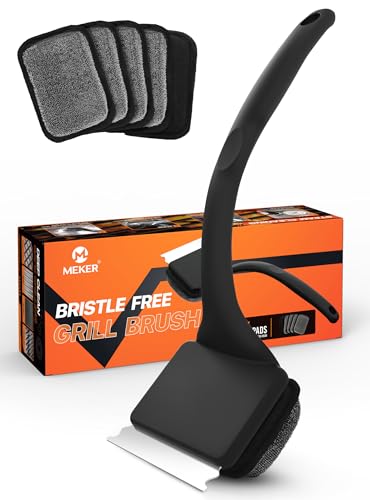
【ULTRA SAFE CLEANING】BBQ is a wonderful thing, but cleaning the grill can be a challenge! MEKER Grill Cleaner Brush can help you! Our grill cleaner brush ensures a bristle-free cleaning experience, eliminating the risk of swallowing dangerous metal bristles. Enjoy safe, worry-free grilling with our innovative design.

【BRISTLE-FREE & COLLAPSIBLE DESIGN】Experience worry-free grilling with the MEKER grill brush bristle-free design. Say goodbye to dangerous metal bristles and hello to a safe cooking environment for you and your family. The foldable bucket offers hassle-free storage by folding flat, making it an ideal outdoor water container for grilling adventures at home or on the go. Say goodbye to bulky options with this compact dunk tank

【The Safest Bristle Free Grill Cleaner】:No wire bristles at all, no melting like nylon grill brushes; With this safe grill brush and scraper, your food will stay 100% Bristle Free. No more worry about swallowing some metal pieces, Let's free to gobble up some favorite barbecue! Save your effort and time, let’s just have fun! (PATENTED design)
Chemical Treatment and Soaking Process
Once you’ve selected your bristle-free brush and scraped away surface debris, chemical treatment tackles the grease and carbonized buildup that mechanical cleaning alone can’t remove.
You’ll choose between commercial degreasers like Zep, which require 40 minutes of contact time, or natural solutions such as baking soda paste, needing only 15-20 minutes. Chemical treatments for deep cleaning should sit at least 10 minutes on grates. Extended soaking periods of 20-30 minutes loosen stubborn debris more effectively. Consistent post-use brushing makes these deeper chemical treatments much more effective by preventing buildup from hardening permanently. For cast iron and porcelain-coated grates, regular brushing and proper drying during the periodic deep cleaning process prevents rust and sticking issues.
Natural cleaning agents like baking soda, lemon juice with salt, and white vinegar are environmentally friendly alternatives that won’t leave chemical residue affecting food flavor. For optimal grill maintenance, consider seasoning your grill grates with high smoke point oils after cleaning to create a protective layer. Wear safety gloves and contain grates in large tubs during soaking. For flat top griddles, stainless steel scrapers with durable handles are equally essential for removing stubborn residue before chemical treatment. After treatment, prioritize rinsing effectiveness by thoroughly flushing all chemical residue with clean water. Drying time considerations are critical—ensure complete drying with microfiber cloths before operating your grill. Never expose burners to water or chemical solutions. For tough grease and rust buildup, Bar Keepers Friend provides an effective alternative that requires thorough rinsing and drying after application. Soaking your grill grates, drip tray, and heat baffle in an all-natural degreaser helps remove accumulated grease buildup while maintaining your grill’s longevity.
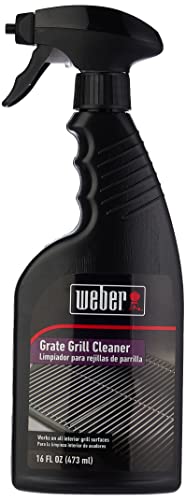
This 16 oz spray bottle of Weber Grill Grate Cleaner was engineered for use on cooking grate surfaces, including stainless steel and porcelain-enameled, cast-iron grates
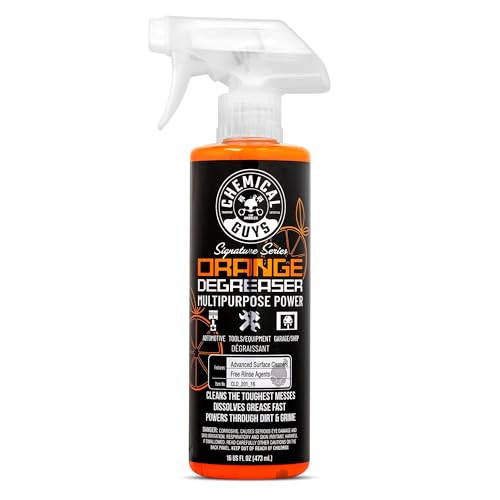
Powerful Degreaser (CLD_201_16SW) - Signature Series Orange engine cleaner and degreaser spray quickly breaks down grease, oil, grime, and dirt on engines, tires, undercarriages, tools, and more for a deep professional clean

Citrusafe BBQ Grill Grate Cleaner, 23 FL OZ
Preventing Rust and Extending Grill Lifespan
After you’ve completed your chemical treatment and thoroughly dried your grates, establishing a consistent maintenance routine becomes essential for rust prevention and long-term grill performance. You’ll want to implement moisture monitoring as your primary defense mechanism, since moisture exposure accelerates oxidation on metal surfaces. Apply oil seasoning immediately after cleaning—vegetable oil works effectively, though animal fat provides superior protection. Consider using a quality waterproof grill cover to shield your equipment from environmental exposure. Your rust prevention strategies should also include prompt debris removal and regular inspection for early discoloration signs. In coastal areas or near pools, increase washing frequency to counteract salt and chlorine exposure. Rust corrodes metal over time and weakens the grill’s structure, potentially leading to costly repairs or replacements. Draining water from the firebox prevents wet ash accumulation that can cause rust formation. Allow the grill to burn until the oil begins to smoke, which typically takes 15–30 minutes after application. For a chemical-free alternative, try the onion cleaning method before applying oil seasoning, as it effectively removes light carbonization and charred food without harsh chemicals. For cast iron grates specifically, repeating the oil application and heating steps several times builds a durable protective coating. Stainless steel and cast iron materials require different maintenance approaches due to their varying durability characteristics. By combining these methodical approaches, you’ll vastly extend your grill’s lifespan while maintaining excellent cooking performance.

[Waterproof & Weather Resistance]: Made of polyester waterproof material, it has the function of waterproof in rain and dustproof and anti-UV in sunny day. No matter what the weather, it can prevent strong wind, rain, storm, intense sunshine, dust, snow, etc., and keep it clean

58 Inch Grill Cover Dimension : This gas grill cover measures 58 x 24 x 45 inches, suitable for most 3-5 burner grills up to 58'' wide. The barbecue cover fits for Weber Sirit E-210, E-310, E-315, E-330, E-335, S-315 and Char-broil, Monument, Brinkmann, Dyna-glo, Nexgrill, Holland, Jenn Air, and more. Please kindly measure your BBQ grill to ensure a proper fit

Sized for most 4 burner flat top Without Hood: Measures 65"(width)x22.5"(depth)x26"(height), this griddle cover is sized for Blackstone 36" Outdoor Cooking Gas Grill Griddle Model 1554/1560/1565/1825/1836, for Blackstone 1819 Griddle Charcoal Combo, for Blackstone 1868 36" Griddle With Air Fryer, for Camp Chef(such as FTG600), Weber 36" Griddle 44310401 and most 4 burner flat top grill griddle. Does not fit for Blackstone 36”ProSeries Griddle. Please measure your grill before purchasing