
To safely extinguish your grill fire, first turn off the burners if you can safely reach them. Close the lid immediately to smother flames and cut oxygen supply. Next, shut off your propane tank by turning the valve clockwise. If the fire persists, use a dry chemical ABC fire extinguisher with the P.A.S.S. technique—pull, aim, squeeze, sweep. Never use water on grease fires. Keep an extinguisher within 30 feet of your grill. Understanding what caused your fire prevents future incidents.
Gas Grill Fire Extinguishment Techniques
When a gas grill fire flares up, you’ll want to act decisively to regain control. Your quick action steps begin with turning off the burners if the knobs are safely reachable, then closing the grill lid to limit oxygen and reduce flames. Next, shut off the propane tank valve by turning it clockwise if you can access it without risk.
If these immediate measures don’t contain the fire, employ proper extinguisher selection by using a dry chemical fire extinguisher. Apply the P.A.S.S. technique: pull the pin, aim low at the fire’s base, squeeze the handle, and sweep side to side. Experts recommend keeping a 5-pound ABC model stationed within 30 feet of your grill for quick access. After extinguishing the flames, switch off any remaining burners. Keep your extinguisher accessible near the grill always. Never use water to extinguish a gas-fueled fire, as it will spread the flames and make the situation more dangerous. Using water can also damage the grill finish, similar to how it affects charcoal grills when improperly doused. Once the emergency has passed, regular maintenance with a bristle-free grill brush helps prevent future grease buildup that can lead to dangerous flare-ups. Always remember to disconnect the propane tank before performing any cleaning or maintenance on your grill. Maintaining clean grates is essential for preventing grease fires, and you should also check for rust buildup which can degrade your grill’s performance and structural integrity. If the fire becomes uncontrollable, evacuate immediately and contact your local fire department rather than continuing to fight the flames.
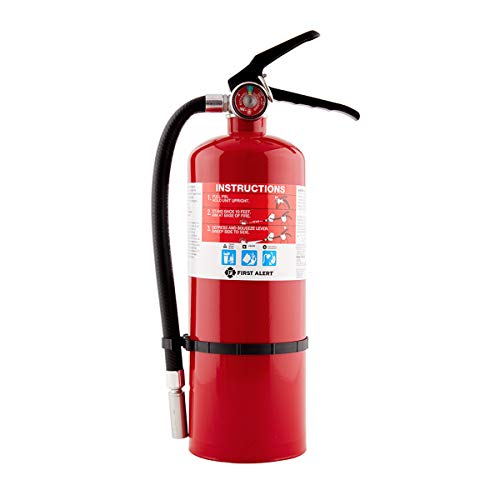
The First Alert HOME2PRO Fire Extinguisher is UL rated 2-A: 10-B:C and meets minimum 2-A: 10-B:C code requirements; It features durable all-metal construction with a commercial-grade metal valve and trigger

IMMEDIATE RESPONSE FROM A SAFE DISTANCE WITH PATENTED HANDLE DESIGN:Act swiftly from a safe distance up to fifteen feet when alarm rings at night or smoke fills a room; patented handle lets anyone—whether grandparent or child—activate the fire extinguisher without training, avoiding panic in emergencies

IMMEDIATE RESPONSE FROM A SAFE DISTANCE WITH PATENTED HANDLE DESIGN:Act swiftly from a safe distance up to fifteen feet when alarm rings at night or smoke fills a room; patented handle lets anyone—whether grandparent or child—activate the fire extinguisher without training, avoiding panic in emergencies
Charcoal Grill Fire Management Methods
Charcoal grills require a fundamentally different fire management approach than their gas counterparts, primarily because you’ll be controlling heat through oxygen regulation and coal placement rather than burner adjustments. Start by closing your lid during flare-ups to smother flames and cut oxygen supply—never use water, which creates dangerous ash clouds. For temperature monitoring adjustments, manipulate your vents: open them fully for higher heat or partially close them to reduce temperature gradually. Abundant oxygen makes coals burn hotter and faster, so understanding this relationship is key to effective temperature control. Coal replenishment techniques involve adding unlit briquettes atop lit ones; they’ll ignite within 15 minutes naturally. Alternatively, use a chimney starter to light new coals before adding them. Remove red-hot briquettes to quickly lower temperature. Position a drip pan beneath food to catch fats and minimize flare-ups. Trim excess meat fat beforehand for additional prevention. The porous nature of charcoal allows oxygen to penetrate and influence how quickly and intensely the coals burn. When charcoal burns effectively, it produces embers that emit intense radiant heat upward, which is why proper oxygen control through vent management directly impacts your grill’s cooking temperature and performance. Many experts recommend keeping bottom vents fully open for good airflow and modulating heat via the top lid damper to achieve your desired cooking temperature. Lump charcoal burns hotter and faster than briquettes, making it especially suitable for high-heat searing but requiring more frequent monitoring during fire management. Routine maintenance practices such as removing ash from the grill help maintain good airflow and support consistent heat levels during cooking. After the fire is completely extinguished and the grill has cooled, dispose of leftover charcoal properly to prepare your grill for the next use.
Grease Fire Prevention and Response
Grease represents the most significant fire hazard in gas grill operation, accounting for the majority of residential grill fires and causing an estimated $37 million in annual property losses. You’ll prevent dangerous accumulation by regularly monitoring grease volume in collection cups and performing grease composition analysis to identify when fat buildup reaches critical levels. Inspect burner tubes monthly for insect nests that obstruct gas flow and cause flashback fires. Check flames for uneven, yellow coloring, which signals blockage requiring immediate cleaning. During operation, watch for excessive flare-ups and smoke exceeding normal levels. According to fire safety data, gas grills involved in approximately 9,287 home fires annually, making regular maintenance and vigilant monitoring essential during grilling season. Never store or operate a propane-powered gas grill indoors as this poses serious safety risks. If a fire develops, smother small flames with a spray bottle or turn off the grill immediately. Never use water on substantial grease fires. Wait five minutes before relighting to prevent reignition. Avoid lining grates with foil as this can trap grease underneath and increase the risk of dangerous flare-ups. Proper maintenance not only reduces fire risk but also extends your grill’s lifespan, with well-maintained gas grills lasting between 5 to 15 years depending on quality and care.

Fire Retardant & Widely Applied - Our heavy-duty fiberglass blanket is fire retardant, effectively preventing accidents, injuries, and property damage caused by sparks, flares, and splatter. It serves not only as a reliable welding blanket for draping over equipment or floors but also as an emergency survival fire blanket or a vertical shield. Plus, it’s an excellent protective mat for outdoor camping and barbecues.

Compatible with Most Blackstone Grills: Each grease drip pan measures 8 x 3 x 3.7 inches, compatible with Blackstone 28-inch,30-inch and 36-inch griddles liners, also compatible with the Blackstone 22-inch and 17-inch foil grease tray cup liners. (This grease tray liner is NOT compatible with 28-Inch and 36-Inch griddle with 5.5"x 3.5" side grease cup)

UNIVERSAL COMPATIBILITY: Fits most popular grill brands including Weber, Char-Broil, and Kenmore models for hassle-free grease management
Preventative Maintenance Protocols
While grease fire prevention forms your first line of defense, you’ll only achieve lasting safety and performance through consistent preventative maintenance. Establish equipment inspection checklists aligned with your grill’s usage frequency. For regular use, conduct monthly deep cleans targeting burners, ignition systems, and interior carbon buildup. Implement grate rotation schedules to guarantee even wear and prevent weak spots that compromise structural integrity. Empty and inspect your grease tray weekly, removing accumulated residue that fuels potential fires. Check burner flames monthly—they should display blue color with yellow tips; clean immediately if uneven or largely yellow. Test gas connections seasonally using soapy water to detect leaks. Replace worn components promptly, including burner tubes and igniters that degrade over time and increase fire risk. When cleaning burner tubes, use a gentle brush approach to avoid damaging the ports and compromising gas flow. For stainless steel exterior maintenance, apply commercial grill cleaners or create a paste from Bar Keeper’s Friend powder to remove stubborn grease stains and restore shine without scratching surfaces. For cold grates, invest in mess-free oven rack cleaners that cut through baked-on grime in minutes without intensive scrubbing, suitable for both porcelain and stainless steel surfaces. Clean and oil your grates regularly to prevent rust formation that can compromise their integrity and create fire hazards. Use a grill cover to protect your equipment from external weather elements and debris accumulation. Invest in heavy-duty vinyl covers with fire-retardant and heat-resistant properties that prevent cracking, fading, and weather damage while ensuring your grill remains protected during storage periods. This systematic approach eliminates fire hazards while extending your grill’s operational lifespan considerably.

2-piece kit includes venturi brush and maintenance brush

CLEARS SPIDER WEBS & BLOCKAGES - The FryOilSaver Company B76C gas grill venturi tube brush removes spider webs, grease, and debris that clog burner pipes, restoring proper gas flow and preventing dangerous flare-ups. Ideal for homeowners and BBQ enthusiasts who grill year-round and need reliable maintenance for safe, even heating.
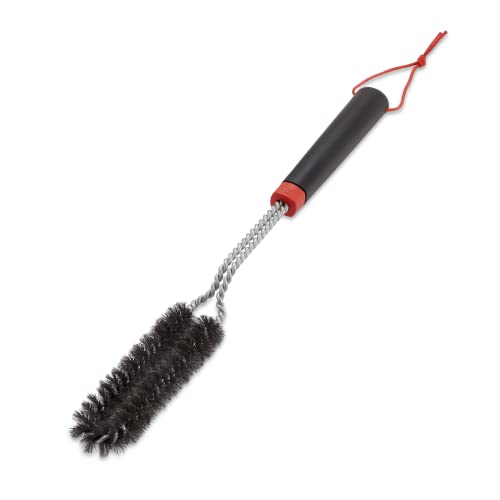
18 in. handle helps reach and clean interior grill components
Safety Equipment and Preparation
Beyond routine maintenance that prevents fires from starting, you’ll need to establish a detailed safety infrastructure that lets you respond immediately when flames do ignite. Position Class BC or multipurpose ABC extinguishers within arm’s reach of your grilling station, keeping them visible and unobstructed. Place fire blankets nearby for backup containment, and maintain a spray bottle filled with water for smaller flames. Stock heat-resistant gloves and long-handled tools to protect yourself during operation. Never leave your grill unattended while it is in use, as constant supervision is essential for catching fires before they spread. Keep your grill in a well-ventilated outdoor space away from flammable materials to reduce fire risk and ensure proper air circulation.
Ensure proper ventilation placement by verifying your hood and duct systems function correctly. Supplement your physical equipment with supplementary training tools—train yourself and staff on the PASS technique and proper use of each extinguisher type. Understanding gas leak detection and evacuation protocols, plus distinguishing between fire types, prepares you for any emergency scenario your grill might present. If placing your grill on a raised surface, use non-combustible materials like cinder blocks that won’t catch fire or warp from heat exposure. Keep a GreenFire® Fire Suppressor nearby as a cleaner and safer alternative to traditional dry chemical extinguishers for effectively extinguishing multi-class fires while preventing re-ignition. For additional protection, place a fire-resistant mat underneath your grill to shield decks, patios, or grass from heat damage, grease drips, and potential fire hazards. Choose a mat with non-slip textures to keep your grill stable and prevent shifting during use. Regularly cleaning the drip pans prevents dangerous grease fires by removing accumulated grease buildup that can easily ignite during high-heat cooking.