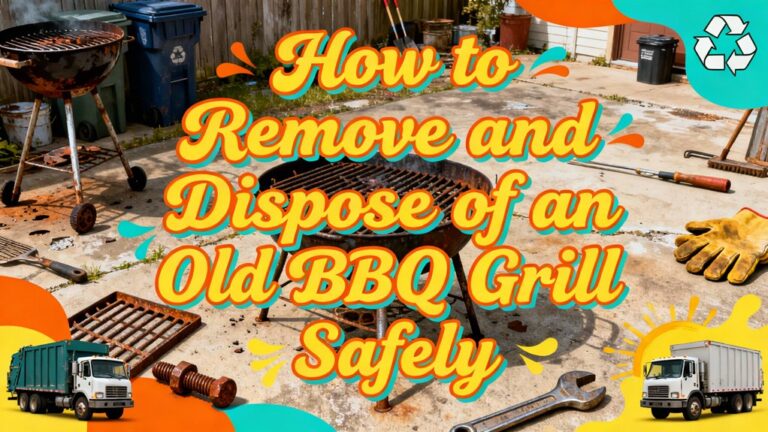

You’ll need to cool your grill completely, then remove ash and debris from interior surfaces using a plastic putty knife and stainless steel brush. For cast iron grates, soak them in a 50/50 vinegar solution for eight hours before scrubbing with brass bristles. Clean the lid with mild detergent and warm water, applying vinegar to stubborn grease spots. Dry everything thoroughly and apply protective oil coating to prevent rust. These foundational steps set the stage for maintaining peak performance and food safety throughout grilling season.
Preparation and Pre-Cleaning Steps
Before you start cleaning your charcoal grill, you’ll need to take several critical safety and preparatory steps. Begin with cool down verification by allowing the grill to reach completely cool temperature before proceeding. Check that no hot ash remains in the bowl or interior surfaces, and confirm all charcoal has stopped burning. Close the dampers to suffocate any remaining fire. Wait until coals and ash cool completely to the touch before removal. This oxygen deprivation method safely extinguishes any remaining coals while preserving unused charcoal for future use.
Next, inspect your grill’s structural components. Check wheels and legs for sand and dirt accumulation, then spray them with a hose to clear debris. Verify the grill moves freely on its support structure. Examine all other structural parts for damage or excessive buildup. Wipe down the grill body with a damp cloth to remove surface dust and grime before beginning deeper cleaning work. For optimal grill performance during future cooking sessions, ensure your grill vents are clear of any debris or ash buildup that may have accumulated. Maintaining clear vents supports stable heat control during your next grilling session. Transfer excess ash and charcoal to an ash bucket to prevent scattered debris during the cleaning process. Inspect grill grates for rust buildup and plan to address any corrosion before your next cooking session. Keep a fire extinguisher nearby during all grill maintenance work to ensure quick response in case of any unexpected flames. Finally, guarantee you’re using appropriate safety equipment usage throughout this preparation phase to protect yourself from residual heat and sharp edges.
Cleaning Grates Effectively
Since charcoal grill grates accumulate stubborn grease and carbonized food residue, you’ll need to select a cleaning method suited to your grate material and the buildup severity. For cast iron grate care, apply a 50/50 vinegar and water solution, soaking for eight hours minimum to dissolve rust and grease. Use brass-bristle brushes to protect the seasoning while removing debris, then apply vegetable oil to preserve the protective coating.
For steel grates, mix equal parts baking soda and water into a paste, let it sit 15-20 minutes, then scrub with stainless steel scrapers. Commercial degreasers like Zep penetrate stubborn buildup effectively; allow 40 minutes for breakdown before scrubbing. Proper cleaning methods are essential because heated grill residue can lead to carcinogenic substances when combined and exposed to high temperatures. For routine maintenance, heat your grill and use a grill brush to remove light debris after each use. Consider preheating your grill to high temperatures around 500-550°F before brushing to loosen stubborn grime more effectively. For families concerned about safety, bristle-free coiled designs eliminate the risk of stray bristles contaminating food while maintaining effective cleaning power. Alternative methods such as vinegar with bicarbonate of soda have proven effective at removing grime and can be paired with specialized wipes for optimal results.
After cleaning, implement proper grate storage solutions by drying thoroughly and applying light oil coating to prevent rust formation during off-season storage. Additionally, ensure all parts are rinsed and air-dried thoroughly before storage to maintain the grill’s longevity and prevent corrosion.

You Want A Clean Grill Without Having To Worry About Your Family's Safety: We get it. Bristles are great for cleaning your grill, but are a HORRIBLE addition to your deliciously grilled meal. That’s why Grillaholics Essentials Grill Cleaning Brush is built from heavy duty stainless brass and triple machine tested to the highest safety standards. Our brushes are 50% stronger and last 25% longer than other inferior grill brushes.

This grill brush features a black body with a grey grip.

NON-SCRACH BRASS BRISTLES - The high tensile strength brass bristles bbq brush are long lasting without falling apart, and will not scratch or damage your weber porcelain coated and cast-iron grill grates, unlike Steel Wire Bristles
Interior Cleaning Techniques
Now that you’ve restored your grates to pristine condition, you’ll want to focus on the grill’s interior where ash and carbonized debris accumulate. Start by removing the ash catcher and using a small brush with dustpan to extract loose ash. For food particles removal, scrape larger chunks with a plastic putty knife or grill scraper along the bowl interior.
Next, tackle smoke residue management by brushing carbonized grease from interior surfaces using a stainless steel grill brush. Scrub the interior with hot soapy water and a sponge, paying special attention to tough spots. For stubborn grease buildup, consider using a vinegar solution to break down carbonized residue effectively. Apply degreaser or vinegar solution on stubborn grease, letting it sit briefly before scrubbing. Avoid using abrasive tools that can scratch stainless steel surfaces during the scrubbing process. To further protect your grill’s interior, apply a protective layer of cooking oil after cleaning to prevent rust formation. Storing your grill in a dry, covered space between uses will help prevent the rapid accumulation of ash and debris. The type of charcoal you use, such as lump charcoal or briquettes, can also influence the amount of ash residue your grill produces. Regular interior cleaning ensures even heating and prevents hot spots that can affect cooking performance.
Finally, rinse thoroughly with clean water and dry completely with a dry rag to prevent rust and mold formation. After cleaning, apply a thin layer of high-smoke point oil and heat the grill to season the interior surfaces and maintain long-term protection.

HIGH QUALITY STAINLESS STEEL BRISTLES - Easily Removes Food, Grease, and Debris from all type of Grill Grates without Scratching or Damaging the Surface.

【The Safest Bristle Free Grill Cleaner】:No wire bristles at all, no melting like nylon grill brushes; With this safe grill brush and scraper, your food will stay 100% Bristle Free. No more worry about swallowing some metal pieces, Let's free to gobble up some favorite barbecue! Save your effort and time, let’s just have fun! (PATENTED design)
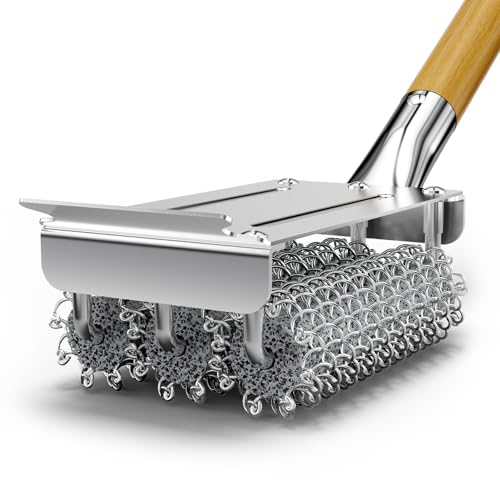
Bristle-free Safety: This grill brush features a patented stainless steel design with no loose wires or sharp edges, helping reduce the risk of broken grill brush bristle ending up in food. Designed with family health in mind, it offers a safer approach to BBQ cleaning.
Lid and Interior Details
Your grill’s lid requires dedicated attention because it accumulates grease and carbon deposits that’ll eventually flake onto your food if left unaddressed. These deposits form naturally from smoke and grease interacting with high temperatures—they’re non-toxic but still need removal.
Start by allowing your lid to cool completely, then use a stainless steel bristle brush to scrub away loose debris. Apply mild detergent and warm water, scrubbing with heavy-duty sponges for stubborn buildup. For heavy grease, use white vinegar applied directly and allow it ten minutes before scrubbing. Ensure your grill is warm, not hot when cleaning to avoid damaging the coating while still allowing effective debris removal. For particularly stubborn baked-on buildup, consider using specialized grill cleaners designed to cut through carbon deposits without requiring excessive scrubbing.
Your porcelain coating protection depends on proper post seasoning care. Dry the lid thoroughly with clean rags to prevent rust and corrosion. Regularly seasoning the BBQ helps maintain the protective finish and prevents deterioration over time. For optimal results, apply high-temperature cooking oils after cleaning to create a protective barrier on your grill’s surfaces. For an alternative approach to harsh brushes, try using aluminum foil as a scrubbing tool, which safely removes grime while preserving your grill’s coating. Regular maintenance after each use prevents excessive accumulation, keeping future cleaning efforts minimal and manageable. This consistent approach to grill maintenance ensures better cooking results and extends your grill’s lifespan significantly.
Exterior Cleaning Methods
While your grill’s interior demands frequent attention, the exterior finish also requires regular care to maintain its appearance and protect against corrosion. You’ll start with a soap and water method using warm water and degreasing dish soap on painted surfaces, then rinse and dry thoroughly. For stubborn grime, spray degreaser or a vinegar-baking soda solution, scraping with a plastic putty knife before scrubbing with a soft cloth. Routine maintenance prevents buildup when you wipe post-grilling with paper towels. For stainless steel, polishing methods using vinegar or grill-safe cleaners followed by microfiber buffing eliminate streaks and maintain corrosion resistance. Products like Trinova Stainless Steel Cleaner offer effortless smudge and streak removal while leaving a protective finish without buffing. Specialized cleaners like Bar Keepers Friend tackle rust and tough spots effectively. Covering your grill when not in use protects the chromium oxide layer that provides essential corrosion resistance. If rust damage becomes severe on grill grates, you should consider replacing the grates with stainless steel or porcelain-coated options for better long-term rust resistance. These materials offer superior durability and corrosion protection compared to standard steel grates. Always avoid abrasive scrubbers that damage finishes. For painted exterior surfaces that need restoration, high heat spray paint designed for metal can refresh your grill’s appearance while providing corrosion protection.
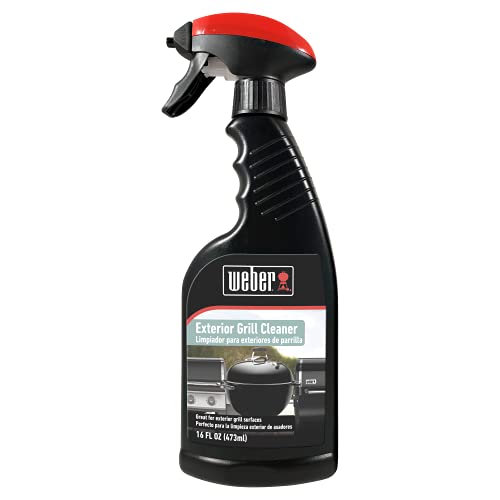
Removes dirt and grime build-up, and is great for everyday cleaning on any exterior grill surface
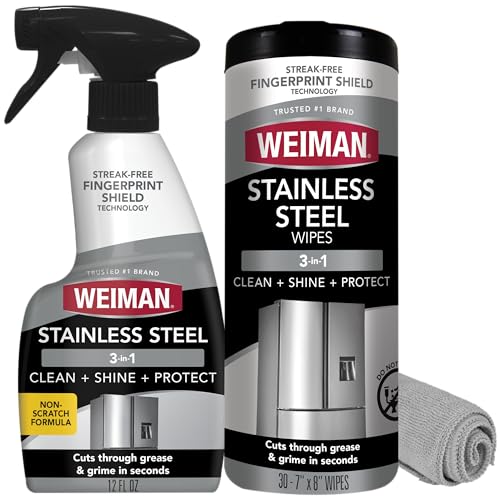
Cleans, polishes & protects stainless steel: Our stainless steel cleaner for appliances removes fingerprints, grease, residue, and water spots. This kit includes spray, which won a 2026 Good Housekeeping Cleaning Award, cloth & appliance wipes that leave a streak-free shine and a protective barrier that helps prevent future smudges.

2-in-1 benefits clean while preventing future fingerprints and smudges.
Ash Removal Best Practices
Proper ash removal begins with patience—you’ll want to let ash cool in your grill for 24–48 hours after use before handling it. Stir the ash gently to disperse residual heat, then verify complete cooling with a metal tool to confirm no embers remain.
For removal, scoop cooled ash into a heat-resistant metal container with a tight-fitting lid, or use a shop vac equipped with an air filter. Never dump hot ash into flammable containers. A Behrens Locking Lid Can provides added safety with its secure sealing mechanism for storing cooled ash. Improper disposal of untreated ash can lead to pollution of nearby water sources if ash makes its way into local waterways.
Consider ash disposal locations carefully: seal unsuitable ash in metal containers for waste facilities, or transport cooled ash to trash. For propane or gas grills, ensure you follow proper disconnection procedures before any maintenance or disposal work. Before disconnecting your propane tank, remember to turn off the gas supply at the tank’s valve to prevent leaks. Similar to how grease catchers prevent debris accumulation in pellet grills, proper ash management keeps your charcoal grill functioning efficiently and safely. Just as a grill mat protects your deck surface from heat damage and stains, proper ash containment protects your yard and surrounding areas from heat and residual debris. Alternatively, explore ash reuse applications—sprinkle untreated ash on icy paths as an eco-friendly traction aid, add small amounts to compost for nutrient enrichment, or mix sparingly into soil for pH balance. Avoid using aluminum foil liners in your charcoal grill, as they can restrict airflow and heat distribution, resulting in uneven cooking and hotspots.

FIREPLACE ASH BUCKET - Tote hot ashes from your wood stove, fireplace, or firepit to a safe disposal spot with this metal ash bucket. The smart design with lid and shovel keeps ashes inside while in transit and enables quick, easy, and safe cleanup.

『Generous 5.5-Gallon Capacity』 With a large 5.5-gallon capacity (12.8" diameter x 13" height), this ash bucket holds plenty of ashes from multiple fires, reducing the need for frequent disposal. Its generous size is ideal for family use, long camping trips, or outdoor gatherings, allowing you to manage your ashes effortlessly during those extended outdoor sessions or cold winter months

MATERIAL - Durable aluminum. aluminum tin containers are dynamic storage jars used to package a wide array of handmade lotions, creams, salves, balms,etc.
Maintenance Tips for Longevity
Once you’ve mastered ash removal, you’ll want to establish a consistent maintenance routine that keeps your charcoal grill performing reliably for years. Conduct rust inspection every few weeks, scrubbing affected areas with a wire brush and applying a baking soda-water paste for stubborn spots. Keep your grill dry and covered to prevent corrosion. Perform component lubrication on hinges, handles, and axles every few months to guarantee smooth operation. Tighten loose screws and replace worn parts like igniters promptly. Inspect burners and moving parts regularly for dirt or cracks. Following expert advice from certified pitmasters, deep-clean your grates with a quality degreaser and soft-bristle brush to keep them in top shape. For a chemical-free cleaning option, try rubbing your grates with an onion to remove light carbonization and charred food buildup. When dealing with heavier baked-on deposits, consider using stronger degreasers designed specifically for grill surfaces to achieve better results. For grate cleaning, nylon-bristle grill brushes offer a safer alternative to metal wire brushes while still providing effective cleaning performance. Bristle-free grill brushes like the Grillaholics Bristle-Free Grill Brush eliminate the risk of loose bristles contaminating your food. Regular maintenance using mild detergents and careful handling will ensure your grill remains functional and hygienic before each use. Store your grill in a dry place like a garage, shed, or covered porch when not in use to protect it from the elements and pests. These proactive measures prevent costly repairs and extend your grill’s lifespan considerably.
Deep Cleaning for Heavy Buildup
When your charcoal grill’s grates and interior surfaces accumulate stubborn grease, carbon, and caked-on residue, you’ll need to move beyond routine cleaning to restore ideal performance. Start by soaking heavily caked grates in hot soapy water to loosen buildup. Scrub with a stainless steel brush and heavy-duty sponge, adding baking soda for enhanced scouring power. For the bowl interior, knock loose carbon deposits with a coal cleaning brush, then vacuum debris.
Chemical cleaner application proves essential for persistent carbon residue on lid surfaces and cooking grates. Apply degreaser generously and let it penetrate before scrubbing. Use a stainless steel bristle brush to maintain optimal cleaning performance on all interior surfaces. This surface disinfection process eliminates grease and smoke deposits effectively. While traditional wire-bristle brushes clean effectively, consider bristle-free coil or chainmail alternatives to reduce the safety risk of stray bristles contaminating your food. For stubborn, caked-on residue that resists scrubbing, pumice-based cleaning bricks offer an effective alternative that removes buildup without scratching steel surfaces. Wooden grill scrapers provide another excellent option, with customized grooves that form to grill grates for effective cleaning of stubborn residues without the risks associated with wire bristles. For superior heat retention and searing performance after cleaning, cast iron grill pans offer even heating and durability that complement your charcoal grill’s capabilities. Clean while surfaces are warm to prevent reaccumulation of buildup and ensure better long-term performance. To maintain optimal airflow and heat distribution, empty the ash catcher regularly throughout the cleaning process. Rinse thoroughly with plain water and dry completely before reassembling components.

Upgraded Quality Materials: Our BBQ grill bricks are made of 100% ecological material, safe for people, animals, plants and water. The upgraded material is more wear-resistant and durable. It doesn't fall apart even when fully submerged in water and does not absorb grease. Compared to traditional wire grill brushes, there are no loose wires to fall off, ensuring safe, fast and effective cleaning.

SAFE MATERIAL: Our BBQ grill stones are made of ecological material do not absorb the grease and gunk and safe for people, animals, plants and water safer than traditional wire grill brush, no loose wire falling off, safe, fast and effective cleaning

Safety: Our grilling bricks are made from non-toxic materials,can safely be used on hot grill tops to remove grime and stains.