
A hibachi grill is a portable Japanese cooking device you’ll heat with charcoal to reach temperatures between 200–570°F. You cook on either an open grate for meats and skewers or a flat iron surface for vegetables and noodles. The firebox contains flames while maintaining ventilation for consistent heat. You’ll position food strategically since vegetables cook faster than meat. Natural hardwood charcoal gives you authentic smoky flavor and superior heat retention. There’s much more to master about optimizing your hibachi’s performance.
The Origins and Evolution of Hibachi
During Japan’s Heian period (794-1185 AD), hibachi emerged as a practical heating device—the term itself meaning “fire bowl” in Japanese. You’ll find that early designs utilized cypress wood lined with clay, as metal remained scarce during this era.
As trade routes expanded, metal availability transformed hibachi construction. You adapted these portable vessels from simple heating tools into cooking instruments, initially reserved for samurai and wealthy classes. The shift emphasized controlled heat, which became fundamental to influence on Japanese cuisine, preserving delicate flavors through precise temperature management.
Adaptations for portable use remained central to hibachi’s design philosophy. You could move these compact charcoal grills between rooms, making them indispensable household items. Modern hibachi grills continue this tradition of portability and efficient charcoal management, allowing contemporary users to enjoy the same convenient heating and cooking capabilities. Like contemporary options such as portable hibachi grills, historical hibachis were designed to be moved easily between different spaces and outdoor entertaining areas. Similar to the heat retention qualities valued in modern portable charcoal grills, traditional hibachis maintained consistent temperatures for reliable cooking performance. Like smokeless fire pit grills, traditional hibachis were engineered to optimize fuel efficiency while minimizing unwanted byproducts during the cooking process. When selecting a hibachi for your needs, consider the cooking surface size and materials that best suit your entertaining style. Over time, hibachis became more ornamental as they transitioned into homes of lower social classes. The modern hibachi grill emerged during the Meiji era, featuring enhanced metalwork and refined cooking surfaces. By the Edo period (1603-1868), hibachi had evolved into essential cooking vessels, demonstrating how practical innovation shaped Japanese culinary traditions.
Understanding the Key Components
Now that you’ve seen how hibachi evolved from a simple heating device into a sophisticated cooking instrument, it’s time to examine what makes it function so effectively. You’ll find cast iron or 304 stainless steel bodies that retain and distribute heat efficiently. The firebox safely contains flames while maintaining proper ventilation for consistent temperatures. Your cooking surface options range from iron griddles to metal grates, offering 252 square inches of space for high-temperature cooking. Durable materials like traditional Noto Peninsula clay or modern stainless steel guarantee longevity. Portable options feature heat-resistant bases with integrated handles for easy repositioning. Adjustable vents and dampers let you control heat precisely, while accessories like drip trays manage grease effectively, maximizing both performance and maintenance ease. The open flames provide high temperatures for searing that are essential for achieving the perfect teppanyaki results. Essential hibachi grill parts including stainless steel griddle spatulas and charcoal baskets enhance your cooking versatility and efficiency.

Foldable Portable Charcoal Grill | Compact for Travel & Limited Spaces This fold-flat tabletop charcoal grill collapses completely slim in seconds for hassle-free storage in car trunks, RVs, camping gear, or tight apartment closets. Lightweight and easy to carry, it’s ideal for camping trips, tailgating events, beach days, backyard patios, apartment balconies, and impromptu picnics anywhere.

Powerful Large Griddle: Power: 1600 W. Cooking Size: 21x12 inch / 540x300 mm. Cooking Plate Thickness: 0.4 inch / 10 mm. Our electric griddle with a built-in heating tube provides even heat distribution for thorough cooking and enough cooking space at once, saving a lot of time on cooking large amounts of food.

【Dimensions】The griddle measures 23" wide x 16" deep, Universal bbq griddle, fits for most gas grills and other grills with larger cooking area.
The Cooking Process and Heat Management
Mastering heat control separates competent hibachi cooking from exceptional results. You’ll achieve ideal performance by maintaining grill temperatures between 420-450°F, identified through oil smoke point indicators. Modern grills provide precise temperature control ranging from 200°F to 570°F, enabling you to adjust accordingly.
Heat zone manipulation allows you to customize cooking strategies. Position middle burners at medium-high while maintaining higher temperatures on outer burners, creating distinct cooking areas. This strategic placement lets you manage vegetables and proteins simultaneously—placing slower-cooking items in hotter zones and delicate items in moderate areas. Remember that vegetables cook faster than meat, so adjust your placement and timing accordingly. Unlike traditional grills that use medium heat between 300 and 400 degrees Fahrenheit, hibachi grills operate at significantly higher temperatures for their specialized flat-top cooking style. For optimal results, divide your vegetables evenly among foil packets to ensure consistent cooking throughout your meal. Protecting your deck from grease splatter and heat damage is essential, so consider using a heat-resistant grill mat underneath your hibachi to catch spills and extend the lifespan of your outdoor surface. These mats are made from fire-resistant materials such as recycled tire rubber that prevent damage while lasting for years. Choose mats with nonslip backing to keep your hibachi stable during cooking and prevent accidents.
Your flat griddle surface distributes heat evenly across the cooking area, preventing hot spots that create undercooked or overcooked sections. Preheat your grill thoroughly before placing food, then apply oil to prevent sticking. Spreading oil on the grill ensures maximum heat transfer and prevents food from adhering to the cooking surface. This systematic approach guarantees consistent, professional-quality results every time you cook.
Hibachi Versus Teppanyaki: What’s the Difference
Though both cooking methods originated in Japan, hibachi and teppanyaki represent fundamentally different approaches to table-top cooking that’ll yield distinct results based on your equipment and technique. Hibachi’s open grate design suits small meat cuts, vegetables, and skewers, while teppanyaki’s flat iron surface accommodates finer cuts, rice, and noodles simultaneously. You’ll appreciate hibachi’s portable design considerations—traditional models move easily, unlike fixed teppanyaki setups. Heat control differs considerably: hibachi relies on charcoal or wood for smoky flavor with less temperature precision, whereas teppanyaki uses gas or electricity for even heating. Consider ventilation requirements carefully; hibachi produces more smoke from open flames, demanding robust exhaust systems. For optimal results with charcoal-powered hibachi, selecting natural hardwood charcoal without additives ensures clean burning and authentic flavor development. Top charcoal brands like FOGO and Jealous Devil offer lump charcoal options that deliver the high heat and minimal ash production ideal for hibachi cooking. When sourcing charcoal, prioritize high-quality fuel from trusted retailers to avoid inferior products that may contain mold or impurities affecting your cooking results. For safer and more controlled charcoal lighting, consider using a chimney starter to ignite your fuel before adding it to the hibachi grate. Like premium kamado grills, hibachi grills benefit from superior thermal mass that enhances heat retention and fuel efficiency during cooking. Teppanyaki’s theatrical presentation contrasts hibachi’s intimate, flavor-focused dining experience, making your choice dependent on desired atmosphere and menu variety. The literal translation of hibachi is Fire Bowl, reflecting its origins as a portable heating device dating back centuries in Japanese history. Hibachi grills are traditionally powered by charcoal fuel, which imparts a distinctive smoky character to grilled foods that gas or electric alternatives cannot replicate.

Heads Up! This hefty cast iron grill isn’t for lightweight seekers. Prone to rust without care (needs quick brush, dry, and oil wipe)—but with basic upkeep, it lasts a lifetime! Ideal for 2 people—too small for big groups. We’re transparent to help you find your perfect match.
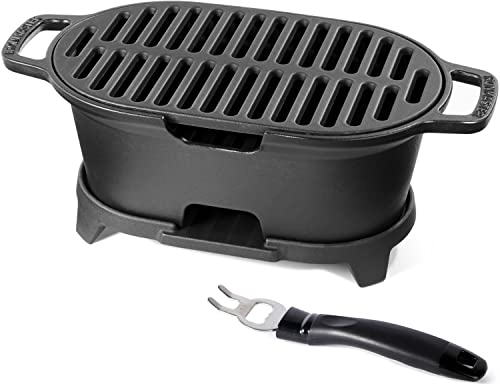
Heads Up! This hefty cast iron grill isn’t for lightweight seekers. Prone to rust without care (needs quick brush, dry, and oil wipe)—but with basic upkeep, it lasts a lifetime! Ideal for 2 people—too small for big groups. We’re transparent to help you find your perfect match.

Heads Up! This hefty cast iron grill isn’t for lightweight seekers. Prone to rust without care (needs quick brush, dry, and oil wipe)—but with basic upkeep, it lasts a lifetime! Ideal for 2 people—too small for big groups. We’re transparent to help you find your perfect match.
Modern Hibachi Grills and Contemporary Applications
Today’s hibachi grills showcase remarkable engineering advances that make them far more versatile than their traditional counterparts. You’ll find tabletop models that facilitate interactive dinner parties while portable grilling experiences let you enjoy authentic cooking at camping trips and tailgating events. Modern designs incorporate hybrid systems combining charcoal, propane, and electric elements, giving you flexible fuel options.
Indoor cooking options expand your possibilities with electric elements that enable year-round grilling where permitted. Multi-function units serve simultaneously as grills, smokers, and firepits, maximizing your investment. Griddle stations replicate restaurant hibachi experiences, transforming your backyard setup into an entertainment destination. Adjustable air vents allow for better temperature control, enabling chefs to fine-tune the grilling environment for optimal cooking results. These designs are resistant to rusting and corrosion, ensuring long-term durability for regular outdoor use.
Lightweight aluminum construction and stainless steel builds enhance portability without sacrificing durability. Storage compartments keep accessories organized, while heat-resistant bamboo bases protect your surfaces. These contemporary applications transform hibachi grills from traditional cooking tools into versatile entertaining centerpieces.
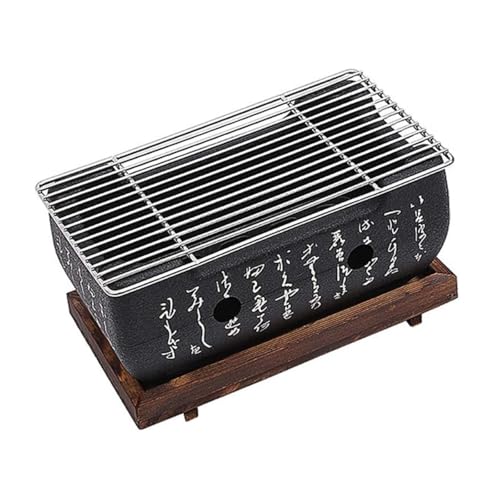
[Important Reminder] - This is a compact tabletop mini hibachi grill, designed for skewers and small food portions only. Please review the dimensions carefully before purchase to confirm it fits your intended use.

INNOVATIVE DESIGN:The patented S6 hibachi grill features a rotatable damper for easy airflow control and a height - adjustable grate for precise temperature management. Ideal for searing steaks or slow - roasting veggies, it’s designed to help you cook like a pro.

【Durable Smokeless Tabletop Grill】 Crafted with premium cast iron and Japanese-style wooden framing, this portable hibachi grill combines authentic design with modern durability. The aerospace-grade aluminum alloy base ensures stability for indoor/outdoor charcoal BBQ sessions, from balcony dinners to camping adventures.