
A standard 20-pound propane tank lasts approximately 10-20 hours on your gas grill, depending on heat settings and grill size. You’ll get roughly 10-11 hours on high heat, while medium settings extend that to 18-20 hours. Compact grills with fewer burners consume fuel more efficiently than premium models with high BTU output. Your actual runtime varies based on weather conditions and burner usage. Understanding how specific factors influence consumption helps you optimize your grilling season.
Understanding Standard Tank Specifications
If you’ve ever wondered why most gas grills use the same tank size, it’s because the 20-pound propane cylinder has become the industry standard for residential outdoor cooking. You’ll find that these tanks typically measure 18 inches in height with a 12-inch diameter, making them compact enough to fit most grill storage compartments. The tank weight reaches 37 pounds when full, containing approximately 4.6 gallons of propane. Manufacturers fill tanks to 80% capacity for safety reasons, allowing room for propane expansion. Understanding these tank dimensions and tank weight helps you assess whether your grill setup meets your needs. Alternative sizes exist—30, 33, 40, and 100-pound tanks serve different purposes—but the 20-pound cylinder remains the go-to choice for standard backyard grilling. Tank size depends on the number and size of appliances using propane, so selecting the right capacity ensures adequate supply for your outdoor cooking needs. For portable grills or backup options, 1 lb refillable cylinders offer a lighter alternative that can be refilled from your standard 20 lb tank. When storing your propane tank, keep the tank valve closed until you’re ready to connect it to your grill’s regulator for optimal safety. Geographical location and local climate also affect propane tank size requirements for optimal performance. Proper connection fittings ensure secure attachment between your tank and grill regulator to prevent leaks and safety hazards. The 20-pound tank typically provides 18-20 hours of grilling on medium-sized models, making it ideal for weekend cookouts and regular backyard entertaining. Propane’s higher BTU output compared to natural gas makes the 20-pound tank particularly efficient for achieving quick preheating and strong peak heat during your cookouts. Above-ground propane tanks are weather-resistant and easy to service, making them ideal for residential grill setups in outdoor environments.
Propane Weight and Capacity Breakdown
Understanding the relationship between tank size, weight, and propane capacity is essential for managing your grill’s fuel supply effectively. A standard 20-lb tank holds 4.7 gallons of propane and weighs 37-39 pounds when full, with an empty tare weight of 17-18 pounds. This difference lets you calculate remaining fuel by weighing your tank. For those needing additional tanks, Precision Filled Spare Tank Delivered options are available for convenient backup fuel storage without requiring an exchange.
When planning seasonal usage patterns, recognize that a filled 20-lb tank provides sufficient fuel for most residential grilling needs. Selecting the appropriate propane regulator based on your grill’s BTU output ensures optimal performance and safety throughout the grilling season. Popular grill models like the CharBroil Performance Series and Napoleon Prestige 500 showcase how stainless steel construction enhances durability and heat distribution for consistent grilling results. Premium grills such as the Weber Genesis SX-335s feature multiple burners with high BTU outputs that demand careful fuel management. Grills with higher BTU outputs and multiple burners will consume propane more rapidly than compact models with fewer burner count and BTU specifications. For storage recommendations, keep your tank upright in a well-ventilated area away from direct sunlight. Remember that propane expands with heat, so never fill tanks beyond 80% capacity. Understanding these weight specifications helps you monitor fuel levels accurately and refill before running empty during important cookouts. You can also tap the tank with a tool to listen for the sound, which indicates whether propane remains inside. For precise fuel level monitoring, propane tank gauges provide reliable readings to prevent unexpected empty tanks during your cookout.
Cooking Duration on Medium-Sized Grills
How long you’ll grill on a standard tank depends on several interconnected factors: your grill’s size, heat setting, and burner configuration. With a 20-pound propane tank, you’ll achieve 18 to 20 hours of cooking time on medium-sized grills operating at medium heat. Tank capacity optimization becomes essential when you’re planning extended grilling sessions. By practicing efficient heat control—maintaining medium rather than high settings—you’ll maximize your tank’s lifespan considerably. For context, medium heat settings consume approximately two pounds of fuel per meal on standard grills. A larger grill may deplete a 20-pound tank in about 10 hours of continuous high-heat cooking. Understanding this relationship between heat output and fuel consumption allows you to stretch your propane reserves further, ensuring your grill performs reliably throughout your cooking event without unexpected interruptions or premature tank depletion. Using a Bluetooth propane tank gauge provides real-time monitoring of your fuel levels, preventing unwanted runouts during your grilling sessions. Premium grill models feature internal temperature probes that help you monitor cooking performance while managing fuel consumption more effectively.
Expected Runtime for General Use
Because propane consumption varies considerably based on heat settings and grill configuration, you’ll want to understand what “general use” actually means for your specific situation. For typical household grilling, you can expect a standard 20-pound tank to provide 18 to 20 hours of cooking time on medium-sized grills. This estimate assumes moderate heat settings rather than continuous high-heat operation. Weather conditions drastically influence actual runtime—cold temperatures reduce propane vaporization efficiency, effectively shortening usable fuel duration. To avoid mid-event fuel depletion, monitor your tank gauge regularly and plan your refilling process accordingly. A medium-sized grill on high heat uses approximately 2 pounds of propane per meal, which can help you better estimate your consumption patterns. For portable grilling adventures, consider models with foldable design and easy transport capabilities to manage your fuel supply in remote locations. Portable gas grills like the Weber Traveler offer built-in cart systems that simplify fuel management during camping trips. Key selection criteria such as portability and cooking area should influence your choice of grill when planning extended outdoor cooking. Standard grill-size propane tanks fit most standard grills, making replacement straightforward when you need to refuel. Before connecting a new tank, ensure you follow proper propane tank connection procedures to maintain safety and prevent leaks. Keeping a backup cylinder readily available guarantees uninterrupted grilling throughout your season. Exchange stations at grocery stores offer convenient refilling options for managing your propane supply efficiently.
How Grill Size Impacts Fuel Consumption
While monitoring your tank gauge helps prevent unexpected fuel shortages, the size of your grill fundamentally determines how quickly you’ll deplete any tank you own. Your grill’s heating surface directly correlates with propane consumption rates and propane tank storage requirements.
Small grills with lower BTU outputs extend tank life considerably. A medium grill on high heat consumes roughly two pounds per meal, depleting a 20-pound tank in 18-20 hours. Larger grills dramatically reduce this timeframe to approximately 10 hours because multiple burners and increased heating surfaces intensify grill heating demands. Industry standards recommend maintaining 75 to 100 BTUs per square inch of cooking surface for optimal performance and fuel efficiency. When comparing gas burners with different specifications, consider how even heat distribution across your cooking surface impacts both fuel efficiency and cooking results. For residences with small propane needs, smaller tanks like the 100lb propane tank offer convenient storage solutions. Selecting a grill with the right number and type of burners ensures you’re not paying for excess heating capacity you won’t use. Models like the Monument Mesa showcase how multiple burners and higher BTU ratings significantly increase fuel consumption rates. The Weber Spirit E-210 exemplifies how exceptional temperature control can optimize fuel efficiency without sacrificing cooking performance. Premium gas grills such as the Weber Genesis SX-335s demonstrate how advanced burner technology and construction quality influence both fuel efficiency and long-term performance.
Your grill’s total BTUs scale inversely with runtime. A 30,000 BTU medium grill lasts longer than a high-output commercial model. Understanding your specific grill’s BTU rating helps you select appropriate propane tank storage capacity and anticipate refill frequency accurately.

Designed for Outdoorsmen: Make your outdoor cooking sessions more enjoyable and cook like a pro with the Gas One outdoor burner propane! Our single propane grilling side burner is durable, reliable and safe, making cooking more enjoyable during your outdoor adventures!
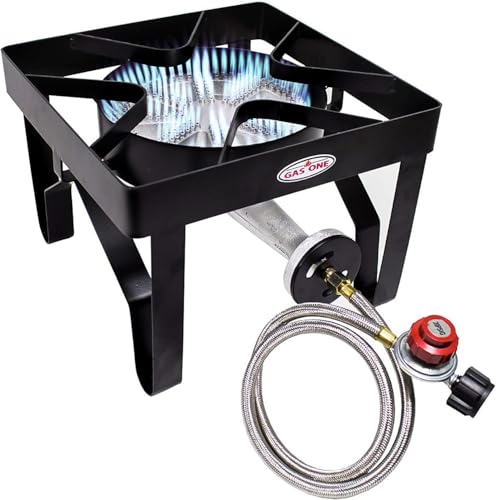
A Professional Choice: If you love outdoor cooking, it’s time to make it even more enjoyable and fun with Gas One! Our single grilling side burner outdoor stove is designed to impress with its high 200,000 BTU heat output, robust construction and reliable construction that elevates any cooking adventure!
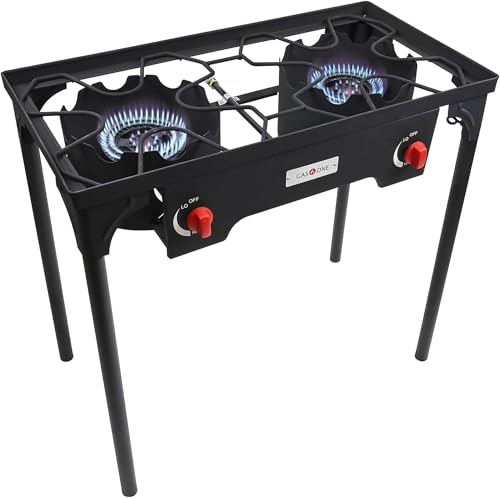
PROPANE DOUBLE BURNER FOR OUTDOOR COOKING - Equipped with two burner heads, Gas One’s Double Burner provides extreme heat for various different cooking scenarios. From tailgating to catering, this burner stands out for those looking for a little more range in their heat
The Effect of Heat Settings on Tank Life
Your heat setting is one of the most significant variables controlling how long your propane tank will last. When you operate on high heat, you’ll deplete a standard 20-pound tank in approximately 10-11 hours. Conversely, reducing to medium settings extends your runtime to 18-20 hours—nearly doubling your tank’s lifespan.
Temperature control strategies like lowering BTU output dramatically improve efficiency. At lower settings, you’ll consume 30-50% less propane hourly compared to maximum output. For example, a Weber Q1200 running at 8,500 BTUs achieves roughly 60 hours of runtime. Medium heat ranges typically fall between 325 to 375 degrees Fahrenheit, which provides an ideal balance for cooking without excessive fuel consumption. A medium grill can handle 8 to 10 full-meal cooking sessions at high heat per tank before requiring a refill.
Heat setting adjustments offer practical benefits beyond extended tank life. Switching between medium and high settings mid-meal balances cooking efficiency with fuel conservation. This approach lets you achieve searing temperatures when needed while preserving propane for sustained cooking sessions. For versatile grilling options in small spaces, consider compact models like the Weber Spirit II E-210, which heats quickly to high temperatures when needed. Models with rust-resistant stainless steel burners deliver reliable performance across various heat settings without degradation. Tabletop grills like the Weber Q1200 are specifically designed for portability without sacrificing cooking power. The burner count and cooking area of your grill directly impact how efficiently heat distributes across your food. Side burners and additional accessories can significantly increase propane consumption, so consider disabling features you’re not actively using to maximize your tank’s duration.

Fits Standard Propane Cylinders: Flexible tabs securely fit standard 12" diameter 20 lb. and 30 lb. propane cylinders for a snug, reliable hold. Measures 15" (W) x 4½" (H) with an 11 5/8" inner diameter.

FITS TWO (2) 20LB Steel Propane Tanks – Designed for a perfect fit on RVs, trailers, and other dual-tank setups.

Compatible with 5LB, 10LB, 20LB, 30LB and 40 lb Propane tanks * High precision weight sensor
Calculating Meals Per Tank
Understanding how many meals you’ll get from a standard 20-pound propane tank requires knowing both your tank’s usable fuel capacity and your grill’s consumption rate. You’ll divide your remaining pounds by two to estimate meals on a medium grill at high heat. A full 20-pound tank yields approximately 10 meals using this calculation method.
For precise measurement techniques, weigh your tank and subtract the Tare Weight (typically 17 pounds) stamped on the handle. This gives you exact usable fuel remaining. Cross-check your estimate by dividing available cooking hours by your meal duration. Most tanks are stamped with both water capacity and tare weight specifications to help you accurately determine remaining propane. Installing a digital propane tank scale provides a digital readout of your exact gas fill percentage for more convenient monitoring between grilling sessions.
Adjust expectations downward for larger grills, which double fuel consumption. For shorter camping trips, 16-oz cylinders offer excellent portability and are ideal for tabletop models. Natural gas grills equipped with low-pressure regulators operating around 0.4 PSI ensure steady gas flow and optimized fuel efficiency compared to mismatched regulator setups. Ensure your regulator and hose sizes match your grill’s BTU demand to optimize fuel efficiency and performance. Placing your grill on non-combustible materials like cinder blocks provides a stable and safe base for consistent fuel performance. Keep a 5-pound ABC extinguisher nearby to safely handle any propane-related emergencies during your grilling sessions. By combining weighing methods with consumption rates, you’ll achieve ideal fuel management and accurate meal planning from your propane investment.
Factors That Reduce Propane Efficiency
Even with a full 20-pound tank, you won’t achieve maximum cooking efficiency unless you understand what drains your propane supply faster than necessary. Poor fuel quality control compromises combustion, forcing your burners to work harder and consume more propane. Leaving your grill lid open during cooking releases trapped heat, extending cooking times considerably. Operating all burners simultaneously when preparing minimal food wastes propane unnecessarily. Higher temperature settings increase consumption compared to lower heat alternatives. Regulator malfunctions and hose leaks restrict gas flow or force complete shutdowns. Burner clogs from fuel impurities prevent proper gas distribution. Regular appliance maintenance—cleaning grates, burners, and drip pans—ensures even heat distribution and ideal combustion efficiency, directly extending your tank’s lifespan. Removing debris from burner ports prevents blockages that compromise gas flow and heating performance. Deep cleaning your grill grates and burners periodically removes buildup that can interfere with proper heat distribution. Using heat plates over your burners can help shield them from flare-ups and improve heat distribution efficiency. Keeping your stainless steel grill exterior clean with appropriate stainless steel cleaner prevents corrosion that can affect overall appliance performance. Preheating your grill to the appropriate temperature before cooking, similar to how medium-high heat optimizes food preparation, helps maximize propane efficiency. Always turn off propane at the tank after you finish grilling to prevent accidental waste and safety hazards. Monitoring your propane tank regularly helps identify signs of depletion before they interrupt your grilling sessions.

NEVER RUN OUT OF PROPANE - Grill, camp, and heat with ease without the worry of running out of propane; the propane gauge will show when you're running low, so you never run out

🟢【Accurate Monitoring】 Stop guessing! This propane tank gauge level indicator features a color-coded dial (Green/Yellow/Red) to show fuel levels at a glance, so you never run out of gas during a BBQ.
NEVER RUN OUT OF PROPANE - Grill, camp, and heat with ease without the worry of running out of propane; the propane gauge will show when you're running low, so you never run out
Methods for Monitoring Propane Levels
How do you know when it’s time to refill your propane tank? Several practical methods help you monitor fuel levels accurately.
The warm water method offers a quick, tool-free estimate—pour warm water down your tank’s side and feel for temperature changes indicating propane levels. For precision, use a dedicated propane scale, subtracting the tare weight stamped on the collar to calculate remaining fuel. Knowing your tank’s propane level allows you to plan refills before your outdoor cooking is interrupted.
Built-in tank gauges provide convenient at-a-glance readings, while digital gauges deliver the highest accuracy with real-time measurements. Some models include Bluetooth connectivity for remote monitoring. Many retail partners throughout the region offer convenient tank exchange services to ensure you never run out mid-cookout. Wireless monitoring systems like grill thermometers with remote alerts can also help track cooking progress and fuel management simultaneously. Modern propane grills increasingly incorporate WiFi connectivity similar to advanced pellet smokers, allowing you to monitor tank levels and cooking temperatures through smartphone apps. Precision temperature monitoring during your cook ensures optimal results while you manage propane consumption. For the most accurate real-time tracking of your grill’s performance, consider pairing your propane monitoring with wireless meat thermometers that provide app-guided cooking feedback.
Magnetic level sensors work well for multiple tanks, eliminating manual lifting. Advanced propane monitoring systems paired with instant-read thermometers enable simultaneous tracking of both fuel and cooking temperatures for complete grill management. Consider tank insulation factors and ambient temperature effects when interpreting readings, as these influence propane consumption rates and accuracy of monitoring devices. The weighing method provides a clear and accurate measurement for determining exactly when to schedule your next refill.
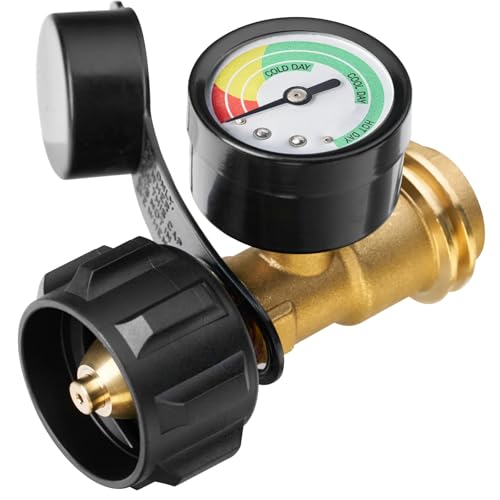
WIDELY SUITED - Compatible with all appliances with a QCC1 / type1 connection and 5 lb to 40 lb propane tanks, and can be worked with propane tank cylinders, propane regulator with hose and propane adapter

WIRELESS PROPANE GAUGE - This digital propane tank gauge is an essential tool for anyone who enjoys outdoor cooking or using propane-powered patio heaters. The Mopeka tank sensor connects to your phone through a mobile app, providing you with real-time updates on the propane level.

ALWAYS HAVE PROPANE READY: Don’t worry about running out of propane again! With this digital gas indicator, you can track and monitor the levels of your large or small tank, so you never run out of gas in the middle of a good barbecue!
Best Practices for Tank Maintenance and Exchange
Now that you’re confident monitoring your propane levels, you’ll want to guarantee your tank stays in top condition through proper maintenance and timely exchanges. Inspect your tank regularly for rust, damage, or leaks using soapy water on connections. Close valves completely after each use to prevent waste and component wear.
During seasonal storage maintenance, keep your tank upright on level surfaces in cool, dry, well-ventilated areas away from heat sources. Apply protective covers to shield it from elements and humidity. Just as cleaning your grill prevents rust and corrosion that degrades structural integrity, maintaining your propane tank prevents similar deterioration that compromises safety and performance. When storing your grill during off-season, remember to cut off oxygen supply by closing all vents to prevent any accidental ignition. Protect your hands with grill mitts when performing any maintenance or inspection tasks on your grill and tank connections. For extended storage periods, ensure your tank reaches an internal temperature below 100°F to maintain optimal safety conditions. Consider exchanging your tank at Sweetwater Propane locations to ensure you always have a reliable propane supply without the burden of maintenance concerns. Store your propane tank with a protective cover to minimize exposure to harsh weather during off-season periods, choosing fire-retardant, heat-resistant materials for maximum durability.
Follow safe transport procedures by securing tanks upright in vehicle beds, never in enclosed compartments. Replace worn seals and O-rings promptly. Schedule professional requalification every 10-12 years, then every five years thereafter, ensuring your tank remains safe and functional.

【Fits Most 20 LB Propane Tanks】This propane tank cover is designed for standard 20 lb propane tanks.Size:13 x 18 inch.Please measure your tank before purchase to ensure a proper fit.
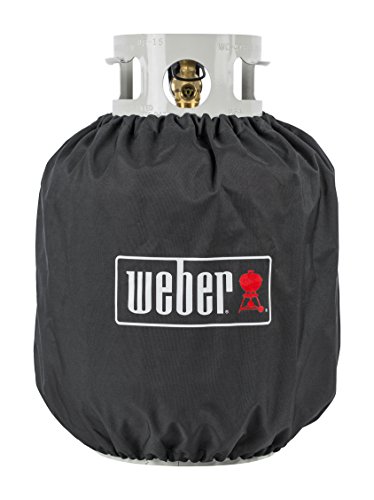
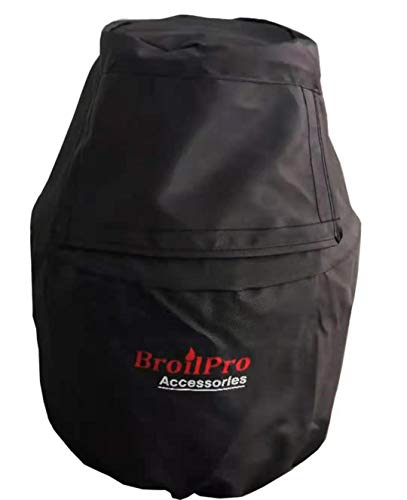
Material:Heavy Duty Vinyl With 300D Polyester lining.


