
You can place your gas grill on cinder blocks, but you’ll need to follow strict safety protocols. Maintain proper clearances—30 inches above the cooking surface and 10 feet from combustible structures. The critical concern: moisture trapped in porous cinder blocks can create explosion hazards when exposed to intense heat. Use a concrete pad instead, or implement heat barriers rated 1,500°F or higher. Proper ventilation and gradual heating diminish risks considerably. Understanding the specific thermal and structural challenges involved will help you build a safer setup.
Understanding Clearance Requirements for Cooking Appliances
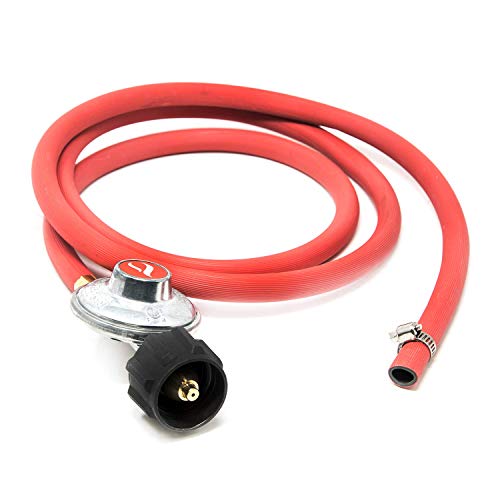
When you’re installing a gas grill on cinder blocks, you’ll need to understand the clearance requirements that govern all cooking appliances—whether they’re indoor ranges or outdoor grills. You must maintain a minimum of 30 inches of vertical clearance above the cooking surface to any combustible materials, including framing and finishes. Additionally, you’ll want to guarantee adequate horizontal clearance between your grill and surrounding structures to permit proper heat dissipation and air circulation. Building code compliance demands you follow manufacturer specifications for your specific grill model. An accessible gas shut-off valve should be positioned within 6 feet of your grill installation for emergency safety purposes. Consider the structural load capacity of your cinder block foundation to safely support your appliance’s weight. According to NFPA 96 standards, you must maintain a minimum 16 inch clearance between your gas grill and any open flame appliances to prevent ignition of grease-laden vapors. For outdoor installations, maintain at least 10 feet from combustible structures whenever possible to reduce overall fire risk. Proper airflow around your grill is also critical, as restricted airflow can result in uneven cooking and increase fire hazard risks. Matching your regulator and hose sizes to your grill’s BTU demand ensures safe and efficient operation while preventing pressure-related complications. Keep a 5-pound ABC extinguisher rated for Class B and Class C fires within 30 feet of your grill to handle potential grease flare-ups or propane leaks. For added safety during emergencies, familiarize yourself with the P.A.S.S. method (pull, aim, squeeze, sweep) for properly operating your fire extinguisher in case of a gas grill fire. These clearance standards reduce fire hazard risk and verify your grill operates safely within established guidelines.

EASY INSTALLATION:The NO WORRIEZ automatic shut off gas timer is compatible with both natural gas and propane. Simple steps to install—just plug in and use.

EASY INSTALLATION:The NO WORRIEZ automatic shut off gas timer is compatible with both natural gas and propane. Simple steps to install—just plug in and use.

Automatic Gas Shut Off Valve - When the knob is turned to the “OFF” position, This gas shut off timer automatically cuts off propane or natural gas after the preset time, helping prevent forgotten burners, unattended grills, and gas waste. Ideal as a stove shut off device for seniors, or busy households
Non-Combustible Properties of Cinder Blocks
Cinder blocks are inherently non-combustible, meaning they won’t ignite or contribute to flame spread even when exposed to extreme heat from your gas grill. Their composition—primarily cement and aggregates—prevents any flammable reaction. You’ll benefit from their high thermal mass, which absorbs and dissipates heat effectively up to 2,000 degrees Fahrenheit. Cinder blocks maintain their structural integrity during and after exposure to extreme temperatures without deformation or collapse risk. Like mineral wool insulation used in non-combustible construction systems, cinder blocks do not require flame retardants to achieve their fire-resistant properties.
Beyond safety, cinder blocks maintain structural integrity post-fire without deformation or collapse risk. Their density and thickness create a reliable physical barrier against heat transfer. To keep your grill in optimal condition, you can use natural cleaning methods with household items like white vinegar, salt, and baking soda to remove grease and buildup from cooking surfaces. Additionally, proper maintenance of your grill—such as regularly cleaning grates to prevent rust buildup—will help ensure both the safety of your cooking surface and the longevity of your equipment. To maximize your grill’s performance and safety, consider deep cleaning your grill at the start of summer season and applying a protective layer of cooking oil to prevent rust formation. While their aesthetic appearance may seem utilitarian, their non-combustible properties and durability make them a technically superior choice for supporting cooking appliances safely.
Thermal Risks and Heat Damage Concerns
Why does prolonged exposure to your grill’s intense heat pose structural concerns despite cinder blocks’ non-combustible nature? While cinder blocks won’t combust, their heat absorption characteristics and surface area considerations create significant vulnerabilities. Repeated heating cycles cause thermal expansion and contraction, generating microscopic cracks that progressively compromise structural integrity. Your blocks can withstand temperatures up to 1,200°F initially, but sustained exposure degrades their load-bearing capacity over time. Thermal shock from rapid temperature fluctuations accelerates damage, particularly when moisture converts to steam within the block’s porous structure. This expansion mimics explosive failure mechanisms. Heavy grill weight compounds these stresses, potentially causing foundation collapse. Without proper heat barriers rated 1,500°F or higher and adequate base preparation for heat dissipation, you’re risking both structural failure and serious injury. For permanent installations, consider alternatives like commercial park grills that are engineered for sustained heat exposure and long-term durability. Cinder block construction requires pouring a concrete footing below the frost line to ensure a level and stable base that can handle concentrated heat loads. Like fire pits made from cinder blocks, gas grills require fire-rated material lining to protect the underlying blocks from sustained thermal exposure and ensure long-term structural integrity. Premium gas grills with even heat distribution capabilities minimize temperature fluctuations that accelerate thermal damage to cinder block foundations. Models like the Weber Searwood 600 feature advanced temperature control technology that reduces thermal stress on supporting structures. A properly engineered outdoor grill station with roof provides superior protection and structural stability compared to improvised cinder block foundations. For optimal results, explore purpose-built combo fire pit-grills designed specifically for outdoor entertaining with integrated heat management systems.

Ceramic Fiber Insulation is high-temperature resistance, insulated, and fireproof. It is rated to 2400F so that it can maintain complete shape and size after the fire burns.

【Fireproof & Heat Resistant】Our heat resistant mats for countertop is made of fiberglass, heat resistant silicone resin coated on both sides, which can provide heat resistance up to 550℃/1022℉.

ULTIMATE PROTECTION FOR YOUR OUTDOOR SPACES - Protect your deck, patio, or lawn from oil, grease, and stains while grilling. Our 48 x 30 inch under grill mat for deck provides coverage for most grills, large or small, keeping your outdoor environment hygienic and free from mess, reducing cleanup time so you can fully enjoy your BBQ.
Explosion Hazards With Moisture Retention
Although cinder blocks won’t spontaneously combust, moisture trapped within their porous structure presents a distinct explosion hazard you shouldn’t dismiss. When damp blocks experience sudden intense heat, water converts to steam, creating trapped steam pressures that exceed the material’s structural capacity. This moisture-related failure mode occurs because the blocks function like sealed containers when steam generation outpaces escape routes.
You’ll face heightened risk during rapid heating cycles, which compound thermal shock stress on already-compromised blocks. However, testing reveals that gradual heating considerably reduces this danger. Concrete blocks used repeatedly in fire pits demonstrate how prolonged exposure can weaken structural integrity over time. For optimal safety, ensure your grill is placed on a concrete pad rather than cinder blocks to provide a stable, non-porous foundation. Verify your blocks are thoroughly dry before installation, inspect them for pre-existing cracks, and avoid wet conditions near your grill. These precautions effectively mitigate moisture hazards while ensuring your setup remains stable and safe.

Fire Retardant & Widely Applied - Our heavy-duty fiberglass blanket is fire retardant, effectively preventing accidents, injuries, and property damage caused by sparks, flares, and splatter. It serves not only as a reliable welding blanket for draping over equipment or floors but also as an emergency survival fire blanket or a vertical shield. Plus, it’s an excellent protective mat for outdoor camping and barbecues.

Perfect addition to your grilling arsenal - Say goodbye to worries about high temperatures and food stains with our premium Large Grill Mat. Designed to keep your outdoor area clean and safe, it's the perfect addition to your grilling arsenal.

UBeesize Grill Mat: Its size is 36*48 inches, which can protect the area below the fireplace from bursting embers or fire, keeping the environment hygienic and tidy after an outdoor barbecue. This reduces the cleaning burden and allows you to fully enjoy the outdoors.
Proper Build Practices for Cinder Block Structures
Constructing a safe cinder block base for your gas grill demands adherence to proven handling, design, and structural practices that minimize risk during assembly and long-term use. You’ll want to employ proper lifting techniques when handling blocks, keeping them close to your body and avoiding twisting motions. During block transportation, stack units on a level, firm base without double-stacking to prevent collapse. Position your work area at comfortable heights between chest and knee level, eliminating unnecessary bending and strain. Select the lightest blocks meeting performance requirements, and arrange them in running bond with proper horizontal offset for structural integrity. Repetitive block handling over time can cause musculoskeletal strain if proper ergonomic practices are not maintained throughout the assembly process. Wear long sleeves and alkali-resistant gloves when handling cinder blocks to protect your skin from abrasion and irritation. For added protection and durability, consider using grill mats designed with flame-retardant materials and nonslip backing as an additional protective layer on top of your cinder block base to further protect the surface and improve grill performance. Fire-resistant mats made from recycled tire rubber provide excellent protection from grease, oils, and heat damage while maintaining easy maintenance. When selecting your mat, prioritize options with heat and grease resistance ratings appropriate for your grill type to ensure maximum durability and safety. High-quality grill covers with fire-retardant materials can also protect your entire setup from weather elements and UV damage when not in use. You must guarantee your completed base sits on solid, level ground to prevent shifting or tipping that could destabilize your grill.
Preheating Procedures to Prevent Steam Buildup
Once you’ve established a structurally sound cinder block base, you’ll need to focus on the critical startup phase where proper preheating procedures prevent hazardous steam and gas accumulation. You must guarantee adequate ventilation through louvers or openings that allow oxygen flow while exhausting heat from the island during initial burner ignition. Implement flame monitoring techniques to watch for trapped gas sparks, and use pressure buildup detection by observing for unusual hissing or irregular combustion patterns. You’ll want to preheat charcoal halfway up block holes to leverage initial flames efficiently. Add fuel incrementally during extended preheats rather than overloading, and position fans nearby to circulate air and reduce localized intensity. Since cinder blocks are non-combustible materials, they provide a safer foundation that eliminates the need for an insulated jacket during this critical preheating phase. Light-colored surfaces around your grill setup will reflect more heat than darker materials, helping to maintain cooler operating temperatures during the preheating process. The circulating air from nearby fans also supports convection heat transfer, which helps cook food more evenly by moving heated air throughout the grill chamber. For optimal results, consider upgrading to raised-panel grate systems that improve heat distribution and searing performance during the preheating phase. If you’re converting a gas grill to charcoal, using charcoal conversion trays offers an innovative hybrid solution for those seeking the flexibility of multiple fuel types. Proper preheating ensures that your grill reaches optimal searing temperatures necessary for safe and consistent cooking results. For cast iron grates, applying high smoke point oil during the preheating process helps establish the protective non-stick surface needed for optimal performance. Constant supervision remains essential throughout this phase.
Testing Results and Performance Data
To verify whether your cinder block grill setup truly delivers on its promise of safe, reliable cooking, you’ll want to examine the extensive testing data that demonstrates both thermal performance and structural integrity. Test results confirm that cinder blocks withstand operational temperatures up to 1000°F without oxidation or structural failure. Your improved temperature distribution benefits from modified flame tamers with larger holes, which reduce front-to-back temperature differences substantially. Even heating performance improves when you incorporate side-turned blocks for balanced air intake across the pit. The 507 square-inch cooking surface supports consistent results, with expanded metal surfaces maintaining reliable heat across the entire grill area. When you add pavers around the cinder blocks, heat retention increases significantly, creating a more efficient cooking environment. Construction with 8 x 8 x 16 inch cinder blocks provides versatility to customize the pit dimensions to suit individual cooking needs. For precision temperature management, consider incorporating adjustable grate systems to fine-tune your heat control during different cooking phases. Proper smoke management becomes increasingly important when using cinder block construction to ensure optimal airflow and combustion efficiency. Budget-conscious builders appreciate that cinder block construction costs significantly less than high-end professional grills while still delivering reliable performance. These findings validate cinder block construction as a durable, thermally efficient alternative to conventional gas grills.
Ventilation and Safety Considerations
While cinder block construction offers proven thermal performance and durability, your grill’s safety ultimately depends on proper ventilation and strategic placement. You’ll need bottom ventilation to prevent propane pooling—a critical hazard since propane’s density causes it to sink and accumulate dangerously. Position vents at least 6 inches below the island top to guarantee adequate gas escape. Your equipment inspection and maintenance protocols should verify that standard vents aren’t blocked by debris or structural gaps. Before connecting your propane tank, ensure the propane valve is turned off and conduct a leak test to confirm a secure connection. When reattaching your tank after maintenance, remember to keep the tank valve closed until the regulator is securely connected. Preserve ¼–½ inch front clearance under your grill for ideal airflow. Additionally, position your setup at least 10 feet from buildings and combustible surfaces, accounting for wind direction. Compliance with local building codes ensures your installation meets safety regulations specific to your area. Unlike smokers that use indirect heat for slow cooking, gas grills employ direct-heat cooking which requires additional ventilation considerations to safely manage propane combustion. Regular grill maintenance ensures burners and ventilation systems remain clear of debris that could compromise safety. To extend your grill’s life and performance, disconnect the propane tank before performing cleaning the grates and other routine maintenance tasks. For outdoor kitchens installed under a roof or covered structure, a stainless steel outdoor vent hood is required to pull hot air away and prevent trapped heat and grease fire concerns. These precautions work together to prevent explosive gas accumulation and protect your property.

Available for 20,000 to 30,000 BTU vent free units

Heavy Duty Construction: The GPT-17B barbecue grill in Tan Brown is made of premium grade, highly durable non-rust materials, a combination of heavy duty stainless steel burner head and porcelain coated non-stick grilling grate, easy to clean and designed to withstand the test of time.
Long-Term Durability and Crack Formation
Because cinder blocks resist freeze-thaw cycles and moisture infiltration better than wood or metal alternatives, they’ll likely outlast other grill island materials by years. However, you’ll need to prioritize proper construction integrity during installation. Correct mortar mixing and precise brick alignment directly determine your structure’s longevity and crack resistance.
Your material compatibility considerations matter greatly. Concrete blocks remain immune to wood rot, swelling, and metal corrosion, but firebricks demonstrate superior durability under high temperatures. To prevent crack formation, you should seal countertops promptly after installation and allow at least 24 hours curing time before use. Proper maintenance and care can help extend the lifespan of your grill structure significantly. Regular cleaning and storage practices will preserve the cinder blocks from weather exposure damage, and using a microfiber cloth for routine grill maintenance helps prevent corrosion and deterioration of all exterior surfaces. For deep grill cleaning, specialized metal scrapers outperform traditional brushes and stones by removing stubborn grime without causing bristle fragments that contaminate food. For optimal results, consider using products like Carbona’s 2-in-1 cleaner which cuts through grime on cold grates in just five minutes. Starting your grill cleaning process while the grill is still warm but safe to handle improves the effectiveness of removing buildup and extends your grill’s lifespan. Consider investing in a quality grill cover to provide additional weather protection during extended periods of non-use.
Professional mason installation guarantees structural reliability. Grouting gaps between firebricks and applying sealant protects against moisture penetration that causes deterioration. With these precautions, your cinder block grill installation will maintain its integrity for decades.
Best Practices for Gas Grill Installation on Cinder Blocks
Now that you’ve guaranteed your cinder block structure will stand the test of time, you’ll want to focus on installing your gas grill safely and correctly within that foundation. Before positioning your grill, read the manufacturer’s manual thoroughly to understand specific installation requirements. When you’re ready to install, you’ll need a helper to safely lower the heavy grill into the opening, ensuring ledges rest securely on block supports. For propane storage options, position tanks in a side compartment with adequate ventilation rather than underneath the structure. Verify appliance accessibility by confirming gas controls remain reachable after integration. Finally, inspect the clearance zone surrounding your grill to eliminate any flammable materials that could pose fire hazards during operation. Consider using galvanized metal wall ties to reinforce the connection between your brick facade and cinder block foundation for enhanced structural integrity. Fill the interior firebox cavity with paver gravel in 5-inch layers, tamping and leveling each layer to create a stable base for your grill installation. After installation is complete, maintain your grill’s cleanliness with bristle-free coiled designs that safely remove debris without leaving residues in your food. Matching your grill selection to the dimensions of your cinder block opening ensures proper fit and allows you to plan for side burners or storage compartments that enhance your outdoor cooking functionality.