
You’ll transform your gas grill by disconnecting the propane and letting it cool completely. Remove grates and components, then soak them in vinegar-baking soda solution for twelve hours. Scrub with brass or nylon bristles, avoiding abrasive tools that scratch surfaces. Clean heat shields and burners with mild degreaser. Wipe the exterior with stainless steel cleaner following the grain. Dry everything thoroughly before reassembly. These systematic steps’ll restore your grill’s precision cooking capabilities, though the complete process involves several additional techniques worth exploring.
Gathering Your Cleaning Supplies
Before you’ll need to assemble the right tools and materials. You’ll gather brushes, scrapers, and microfiber towels for various cleaning methods. Stock chemical and natural agents—dish soap, baking soda, vinegar, degreasers, and Bar Keepers Friend—depending on buildup severity.
Protect yourself with heavy-duty and rubber gloves for safe handling procedures. Prepare protective coatings: vegetable, canola, grapeseed, avocado, or peanut oil for post-cleaning grate protection. High-quality grill brushes will help you avoid loose bristles that can contaminate your food. Consider bristle-free or replaceable-head designs for routine cleaning to minimize safety risks while maintaining effective performance. Top options like the Grillaholics Bristle-Free Grill Brush feature innovative designs such as triple helix construction for superior cleaning results.
Equip yourself with specialized items: two buckets, a spray bottle, wrench, burner brushes, and venturi tube brushes. Have heavy-duty paper towels, shop vac, garbage bags, and drip pan replacements ready. Don’t forget to turn off the gas supply before beginning any cleaning work on your grill.
This systematic approach guarantees you’ll access everything needed before starting, preventing interruptions during your deep clean.
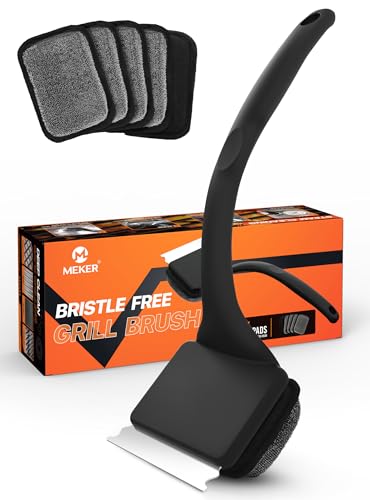
【ULTRA SAFE CLEANING】BBQ is a wonderful thing, but cleaning the grill can be a challenge! MEKER Grill Cleaner Brush can help you! Our grill cleaner brush ensures a bristle-free cleaning experience, eliminating the risk of swallowing dangerous metal bristles. Enjoy safe, worry-free grilling with our innovative design.

【The Safest Bristle Free Grill Cleaner】:No wire bristles at all, no melting like nylon grill brushes; With this safe grill brush and scraper, your food will stay 100% Bristle Free. No more worry about swallowing some metal pieces, Let's free to gobble up some favorite barbecue! Save your effort and time, let’s just have fun! (PATENTED design)

【BRISTLE-FREE & COLLAPSIBLE DESIGN】Experience worry-free grilling with the MEKER grill brush bristle-free design. Say goodbye to dangerous metal bristles and hello to a safe cooking environment for you and your family. The foldable bucket offers hassle-free storage by folding flat, making it an ideal outdoor water container for grilling adventures at home or on the go. Say goodbye to bulky options with this compact dunk tank
Preparing Your Grill for Deep Cleaning
To guarantee a safe and effective deep clean, you’ll start by disconnecting your propane tank and shutting down the gas line completely—verify that all burners are in the off position to prevent accidental ignition. Follow manufacturer safety guidelines throughout this process.
Next, allow your grill to completely cool after any prior use. Wait until all surfaces are no longer hot to touch, which typically takes 30-60 minutes post-heating. This critical cooling period reduces burn risks during handling and interior access. Ensure you use all-natural cleaning products to protect your food and grill surfaces during the deep cleaning process.
While cooling occurs, protect your surrounding area by positioning buckets to catch runoff water and covering nearby surfaces from debris. Vacuum the storage area beneath your grill and clear your workspace for component access, using a 1.65L container under the grill for drips. Pre-heating your grill on high heat for 15 minutes before the deep clean will loosen leftover food and grease, making debris removal significantly easier during the subsequent cleaning stages. Regular removal and cleaning of drip pans and burners helps prevent dangerous grease fires during your cooking season.
Removing Grates and Components
Now that your grill’s cooled to 250-300 degrees Fahrenheit, you’ll safely remove the interior components that trap grease and debris. Pull the entire grill interior out as a single unit for easier access, then detach grates one segment at a time to prevent dropping or damage. Simultaneously scrape heat shields and flavorizers with a plastic scraper, taking care to preserve protective coating maintenance on heat distribution surfaces.
Before soaking, photograph grate positions and document component conditions to establish your baseline. This part inventory tracking guarantees proper reinstallation and identifies replacement needs. Group similar components together—grates in one container, heat shields in another—and keep them near a water source. Consistent post-use brushing makes deeper cleanings much easier, so organize your components to prepare for thorough soaking. Store gas connections and burner tubes separately to protect them from water and cleaning chemicals during the removal process. Disconnecting the grill from the gas source ensures your safety while working with internal components and prevents accidental ignition. For stubborn buildup, use mild degreasers on removable parts to dissolve grease and food residue more effectively. Soaking grill grates in soapy water helps loosen stubborn grime and makes the subsequent scrubbing process more efficient. For difficult-to-remove residue, consider specialized tools like metal scrapers designed to wrap around rods for more effective grime removal. Avoid using abrasive tools that can scratch stainless steel surfaces on your grates and heat distribution components. Regular maintenance helps prevent buildup of food residue and grease that can compromise your grill’s performance over time.
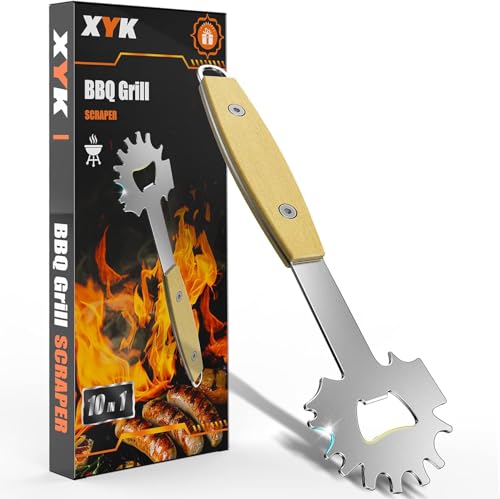
【Ideal BBQ Tool Gift】: Fathers Day Gifts from daughter wife and son, the grill scraper fits most indoor and outdoor grills, kitchen, outdoor, backyard can be used, bbq grill scraper is an ideal BBQ gift Christmas stocking stuffers for men women husband wife dad mom, a must have for men Grill gadgets. It is also a special gift for family and friends.
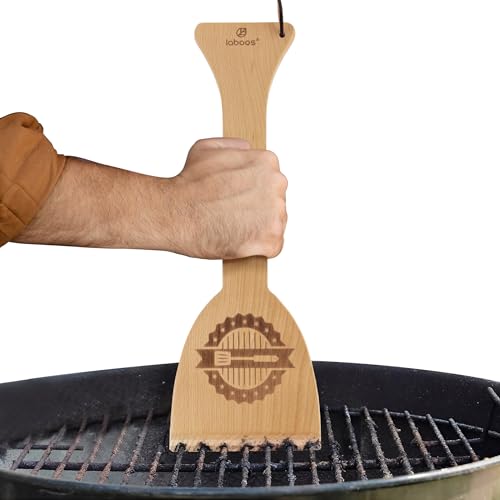
UNIVERSAL FIT FOR POPULAR GRILLS - Fits Traeger 20, 22, 30, 34, 850, 1300 series grills and other similar grill models.

No Wire Bristles, Safer for Every Meal: Designed to eliminate loose metal bristles, helping you grill with confidence for family and friends
Scrubbing and Soaking the Grates
With your grates safely removed and organized, you’re ready to tackle the buildup that’s accumulated on their surfaces. You’ll find several effective methods depending on your grate material and debris severity.
For a chemical soak duration of at least 12 hours, combine two cups vinegar and one cup baking soda in a sealed bag with your grates. This overnight soak breaks down stubborn grease and rust effectively. For even better results with heavily soiled grates, consider using PBW overnight soaking which is particularly effective in cleaning crevices and hard-to-reach areas.
After soaking, employ brass bristle scrubbing to remove loosened debris without damaging your grates. While wire brushes can clean effectively, bristle-free coiled designs are recommended for safety and durability when scrubbing grill grates. Nylon bristles offer a safer alternative to metal that prevents dangerous bristles from contaminating your food. You can also use aluminum foil as a scrubbing tool for a natural and safer cleaning option. For wooden scrapers, oak construction with customized grooves forms to your grill grates for effective removal of stubborn residues. For cast iron, use a 50/50 vinegar-water solution for eight hours. Proper cleaning method selection based on your specific grate material prevents damage to protective coatings and maintains the integrity of your equipment.
Alternatively, apply commercial degreaser and let it sit 40 minutes before scrubbing. For lighter cleaning needs, pumice-based grill cleaning bricks offer an eco-friendly option that removes grease and rust without scratching surfaces. Rinse thoroughly with cold water, then pat dry completely before reinstalling your cleaned grates.

You Want A Clean Grill Without Having To Worry About Your Family's Safety: We get it. Bristles are great for cleaning your grill, but are a HORRIBLE addition to your deliciously grilled meal. That’s why Grillaholics Essentials Grill Cleaning Brush is built from heavy duty stainless brass and triple machine tested to the highest safety standards. Our brushes are 50% stronger and last 25% longer than other inferior grill brushes.

This grill brush features a black body with a grey grip.

NON-SCRACH BRASS BRISTLES - The high tensile strength brass bristles bbq brush are long lasting without falling apart, and will not scratch or damage your weber porcelain coated and cast-iron grill grates, unlike Steel Wire Bristles
Degreasing Flavorizer Bars and Heat Shields
Your grill’s Flavorizer bars serve as critical heat shields that protect the burners from grease drips and flare-ups, making their maintenance essential for both performance and longevity. Start degreasing by wiping the bars with a warm wet sponge or crumpled aluminum foil to eliminate surface grease effectively. For stubborn buildup, scrape with a plastic putty knife, then apply a vinegar solution application combined with baking soda paste to dissolve stubborn stains. Chemical free degreasing alternatives like these preserve your equipment while delivering results. Soak removable bars in soapy water for deep cleaning, then rinse thoroughly to remove all residue. Dry completely before reinstalling to prevent rust formation. When tackling heavier carbonized deposits, consider using stronger degreasers like industrial-strength dish soap for more effective removal of baked-on grease. For particularly stubborn grime, specialized grill cleaners designed for cold grates can dissolve baked-on deposits with minimal scrubbing effort. Complement your deep cleaning efforts with routine light cleaning after each use to maintain consistent performance between seasonal deep cleans. After cleaning, brush the flavorizer bars with a stainless steel grill brush to ensure any remaining debris is removed before reinstallation. When reinstalling your bars, apply a thin protective layer to maintain the chromium oxide layer that provides corrosion resistance and keeps your equipment protected from rust and discoloration. When selecting replacement bars, consider materials like stainless steel versus porcelain-coated options, as they offer different levels of durability and corrosion resistance. Monitoring bars for signs of wear, such as rust or cracks, ensures you catch problems early before they compromise heating performance. Proper heat shield maintenance guarantees flare-up prevention and extended bar lifespan.

【GreaseKiller Spray Grill Cleaner】Custom formulated exclusively for outdoor grills, smokers and all outdoor cooking gear. This professional grease cutting spray effortlessly dissolves thick food residues, built-up dirt and aged grease deposits, drastically simplifying weekly grill maintenance without tedious pre-scraping.

Powerful degreasing formula easily dissolves tough burnt grease, carbon and BBQ stains on ovens, grills and countertops without strenuous scrubbing.

【HEAVY-DUTY GREASE REMOVAL】Helps loosen grease, food residue, and everyday cooking buildup on grills, grates, smokers, and other cooking surfaces for easier cleaning
Cleaning the Interior and Firebox
Once you’ve restored your Flavorizer bars to their original condition, it’s time to tackle the interior and firebox—the heart of your grill’s performance. Start by using a wire brush on side walls to prevent corrosion and maintain structural integrity. Scrub the underside of the hood and firebox walls thoroughly, then wipe away loosened debris with damp paper towels. For stubborn buildup, apply a baking soda and water paste, letting it sit 10–15 minutes before scrubbing. These natural abrasive pastes are effective at breaking down tough grime without exposing you to harsh chemical cleaners. Clean the temperature probe with Carbon-Off and a soft cloth if carbon-coated. Use a stiff bristle brush on all interior surfaces, controlling corrosion while achieving that stainless steel shine. Avoid using caustic oven cleaners as they can damage your grill’s components and surfaces. For grates showing rust damage, consider replacing grates if the deterioration is severe rather than attempting repair. Regularly empty the ash catcher beneath your firebox to maintain proper airflow and heat distribution. To prevent grease fires and maintain consistent cooking quality, wipe down the interior surfaces with a natural cleaner or mild soap-vinegar solution. Deep cleaning should be performed every 5-10 uses to ensure safe and optimal cooking conditions. This systematic approach guarantees ideal heat distribution and cooking performance.
Maintaining Your Burners
Because burners are the foundation of your grill’s heat generation, they’ll demand meticulous attention to maintain ideal performance. Start by disconnecting your gas tank and removing the cooking grids, grates, and flame tamers to access the burners fully.
Remove the burners according to your manufacturer’s manual and inspect them systematically. Look for signs of corrosion, cracks, or blockages that compromise functionality. Managing debris accumulation requires wiping down surfaces with cloth to remove loose particles. Burners are typically manufactured using cast iron, cast brass, or stainless steel to withstand high temperatures and repeated use. Stainless steel tube burners offer particularly strong rust resistance and even heat distribution for long-term reliability. If you notice erratic flame patterns or uneven heat distribution, your burners likely need deeper cleaning intervention.
Pay particular attention to flame ports—the primary clog locations. Use pipe cleaners or thin wire to clear food buildup and grease residue. For tube, flat, or U-shaped burners, employ drill bits or toothpicks to unclog holes. Regular cleaning also prevents pest nests from blocking your venturi tubes, which are critical for proper fuel-and-air delivery. Consider installing ceramic briquettes as heat distribution aids to help prevent future grease and debris from reaching your burners directly. You can also use burner covers to provide additional protection from weather and debris when your grill is not in use.
Finally, check your venturi tube for blockages and guarantee all connections remain clear before testing. Ensuring your propane hose fittings match your grill’s connection type will prevent leaks that compromise both performance and safety.

COMPATIBLE MODELS-Fits Nexgrill 720-0830H, 720-0783E, 720-0864, 720-0864M, 720-0888, 720-0888A, 720-0888N, 720-0830A, 720-0898, 720-0830D, 720-0864R, 720-0882S, 720-0894F, 720-0896CA, 720-0925S, 720-0958A, 730-0898 Models

➤ The Burner Tubes Dimensions: 14 7/8" x 1", The Pipe Tube Material: Stainless Steel, ➤Includes 5 Grill Burner Tubes. ➤ Cooks better, Lasts longer, Extend the life of your grill, Exact-fit parts.

Dimensions: 16 3/4" x 1"; Material: Stainless Steel
Finishing the Exterior
After you’ve methodically restored your burners to peak performance, the grill’s exterior deserves equally thorough attention to maintain its appearance and protect against the elements. Begin by wiping the exterior with soapy water using a soft microfiber cloth, following the grain of the stainless steel finish side to side. For stubborn grease, apply a grill-safe degreaser like Zep. Rinse thoroughly with low-pressure water, ensuring you remove all soap residue to prevent water stains. Dry immediately with a clean cloth, reaching into crevices for complete moisture removal. Consider polishing stainless steel with a dedicated stainless steel cleaner using a microfiber towel to remove smudges and leave a protective finish. Finally, applying protective coating creates a barrier against rust and oxidation, enhancing your grill’s longevity and maintaining its professional appearance. For painted or metal surfaces exposed to high heat, high heat spray paint like Rust-Oleum can provide durable corrosion resistance when properly applied. When not in use, a fire-retardant grill cover will shield your grill from weather elements and extend its lifespan significantly. Ensure your grill is placed on non-combustible materials to prevent fire hazards and maintain safety around your outdoor cooking area. Wiping down the grill after each use prevents buildup that compromises both aesthetics and functionality. Regular exterior cleaning helps keep your grill looking new while protecting your investment from premature corrosion and rust.
Seasonal Maintenance Schedule
Your grill’s longevity depends on aligning your cleaning routine with seasonal demands and usage patterns. In spring, you’ll perform thorough inspections of all connections, burners, and the propane tank while testing igniter functionality. During midsummer, increase your maintenance frequency to weekly deep cleanings when using your grill regularly, focusing on grease buildup and burner performance. Fall requires complete winterizing: empty the grease trap, disconnect gas supply, and apply protective coatings after inspecting for rust and corrosion. Between seasons, you’re checking for wear and damage before every use. Every ten cookouts, remove grates for soaking and clean metal components thoroughly. When preparing for hibernation, ensure you close and disconnect the gas supply to prevent safety hazards during storage. Before storing your grill long-term, consider disconnecting propane tanks properly to eliminate potential gas leaks and safety risks. For charcoal grills entering storage, remember that cutting off oxygen supply by closing vents helps preserve unused fuel for future use. Keep a fire extinguisher nearby during grilling season for quick response to any unexpected flare-ups or fires. This systematic approach prevents deterioration, guarantees consistent performance, and maximizes your grill’s operational lifespan. Additionally, using a grill cover] during storage and between seasons protects your grill from weather damage and extends its functional life. Select a cover with durable, weather-resistant materials like polyester with PU coating or vinyl to ensure maximum protection through changing seasons. Stainless steel components require particular attention since stainless steel grills can last 10 to 15 years with proper care, making the investment in quality covers and consistent maintenance especially worthwhile.