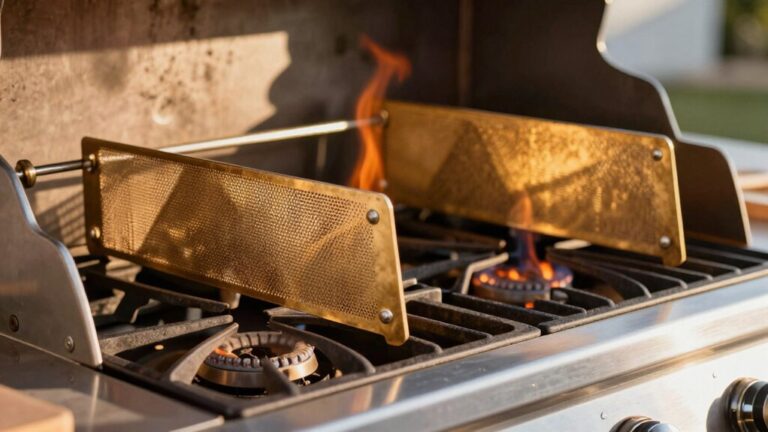

You’ll transform your gas grill into a smoke powerhouse by using wood chips in a smoker box placed directly over the heat source. Soak your chips for 30 minutes to an hour before grilling—they’ll ignite quickly and produce intense smoke within minutes. Prepare your meat the night before with a dry rub, then place it on indirect heat to absorb maximum flavor. Using hardwoods like hickory or oak creates bold, classic barbecue profiles. There’s much more you can uncover about wood combinations, smoke intensity control, and custom blends.
Understanding Wood Types and Their Smoke Profiles
You’ll find that selecting the right wood makes all the difference when adding smoke flavor to your gas grill. Understanding wood types helps you master smoke permeation methods and achieve desired flavor intensity.
Fruitwoods like apple and cherry deliver mild, sweet smoke perfect for poultry and seafood. Nutwoods such as pecan provide medium-heavy characteristics ideal for ribs and brisket. Hardwoods—hickory, oak, and mesquite—create bold, classic barbecue profiles for extended low-and-slow cooks. Different wood forms like chips work best for gas grills since they ignite quickly and produce smoke efficiently on high-heat cooking surfaces.
Wood moisture content considerations greatly impact smoke production. You’ll want properly seasoned wood with 20-30% moisture for ideal combustion and consistent smoke rather than excessive steam. Kiln-dried chunks that are bug- and mold-free ensure consistent smoke quality without unwanted flavors or contaminants. Sourcing from trusted retailers like Best of the West or Bear Mountain BBQ guarantees access to high-quality, 100% natural chips without quality compromises. Avoid softwoods like pine or cedar as they contain resin that can ruin your meat and damage your grill. Blending woods allows you to balance smoke intensity and create more complex flavor profiles tailored to your specific cooking needs. Experimenting with wood pairings to meats helps you discover your preferred flavor combinations.
Match lighter meats with milder woods and heavier proteins with robust varieties. Blending complementary woods creates balanced, nuanced flavors that enhance your grilling results.
Selecting the Right Wood Chip Format for Your Gas Grill
How do you decide between wood chips, chunks, and specialized containers when your gas grill’s setup demands a specific approach? Your choice hinges on cook time and consistency.
For quick sessions, wood chips deliver intense smoke in 5–20 minutes. You’ll benefit from determining preferable soaking times—typically 30 minutes to an hour—to slow their rapid burn. Evaluate chip size preferences based on your grill’s capacity and desired smoke intensity. Unlike wood chunks, wood chips burn faster and provide immediate smoke, making them ideal for shorter grilling sessions.
Wood chunks suit longer cooks, burning steadily for hours without soaking. They’re suitable for brisket or ribs when you need sustained flavor. For enhanced results, natural hardwood pellets can also be used in a smoker box to deliver consistent smoke throughout your cook. Top performers like Traeger and Lumberjack are recognized for their clean-burning performance and bold smoky flavors across various meat types. Match the wood intensity to your meat type, as heavier woods for beef and pork versus lighter options provide better flavor balance. Dedicated smoke box features on quality grills allow you to burn lump charcoal or wood chunks for more authentic smoke flavor.
Consider using a smoker box for convenience and reusability, or opt for disposable foil packs and pans. Foil packets with holes offer a simple and inexpensive alternative to commercial smoker boxes. Cast-iron and stainless-steel smoker boxes each provide distinct advantages—cast-iron boxes excel at retaining heat for long-lasting smoke, while stainless-steel options resist rust for easier maintenance. Each method controls smoke output differently, so match your equipment to your cooking duration and desired results.

Thicker sturdy stainless steel construction will hold up great under the heat of the grill. With the unique hinged design, you can easily add or remove wood chips from the smoker box while in use.

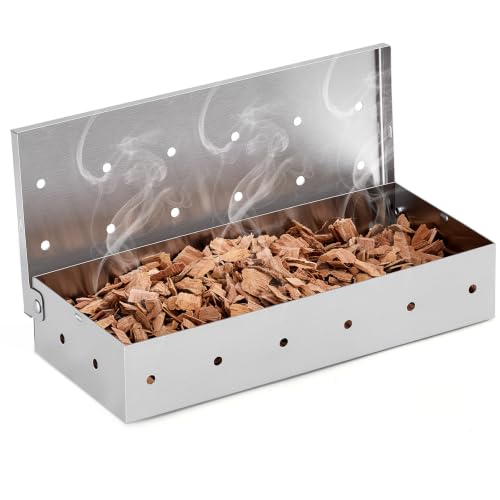
HEAVY-GAUGE STAINLESS STEEL BUILD: Made from thick stainless steel for reliable performance under high heat. Resists warping and rust for long-term use on gas grills and charcoal grills
Preparing Your Meat for Maximum Smoke Absorption
What separates a subtly smoky dish from one bursting with authentic flavor? Proper meat preparation.
Start by applying a dry rub the night before smoking. This surface preparation technique creates texture variations that enhance smoke compound adhesion. Refrigeration allows rub ingredients to penetrate meat fibers, establishing a more receptive surface.
For poultry, split birds in half to maximize surface area—more exposed surfaces mean thorough flavor development. Consider moisture injection inside the meat to maintain internal juices supporting deeper smoke penetration.
Your resting duration optimization matters too. Allow meat to reach room temperature before placing it on the grill. This guarantees consistent smoke absorption across all surfaces during that critical early cooking phase when raw meat surfaces absorb flavor most effectively. Use a quality digital thermometer to verify internal temperature as the meat cooks to ensure the smoke has properly penetrated throughout. For the most accurate readings during long cooks, consider wireless meat thermometers that allow remote monitoring without opening the grill, with 300-foot range capabilities ideal for serious pitmasters managing multiple grills. Select a thermometer with multiprobe capability to monitor temperature at multiple points simultaneously for even smoke penetration. The ThermoWorks Thermapen ONE offers fast and accurate instant-read measurements for quick temperature verification between smoke checks. Trimming excess fat and removing silver skin or tough membranes also prepares the surface for optimal smoke adhesion.
Techniques for Enhancing Smoke Flavor Delivery
Once you’ve prepared your meat properly, the real magic happens in how you deliver smoke flavor to your gas grill. For maintaining smoke delivery consistency, you’ll want to use a smoke tube with pellets—it burns steadily without requiring constant attention. This set-and-forget approach guarantees even flavor distribution throughout your cooking time. Remember that smoke adheres better to cold, wet meat surfaces, maximizing the flavor absorption during the initial stages of cooking.
Controlling smoke duration depends on your food type. Apply the 20-minute to 2-hour rule with indirect heat, adjusting based on what you’re cooking. Soaked cedar or maple planks provide lighter woody notes for delicate proteins. For robust flavors, combine mesquite or hickory with foil packets positioned on heat diverters. A foil smoke pouch filled with soaked wood chips creates steady smoke by smoldering on your grill grates without the need for specialized equipment. Hexagon-shaped smoke tubes offer non-rolling stability and consistent smoke output compared to other tube designs. For longer cook times, consider using 12-inch tubes to maintain consistent smoke output for 4–6 hours without refilling. Models like A-MAZE-N smoke tubes are popular choices among grillers for their reliable performance and smoke consistency. Beyond tubes, consider that smoke tubes outperform trays in environments that don’t retain smoke well. Avoid using softwoods as they can produce unpleasant flavors and unwanted chemical compounds during combustion.
The key is matching your smoke delivery method to your specific cut and desired intensity level.

✅ This accessory is designed to WORK IN ANY GRILL (gas, electric or charcoal) and with any smokers. It ADDS GREAT FLAVOR for your meat or fish and exposes them to a tasteful smoke of smoldering wood. Perfect for smoke cheese.
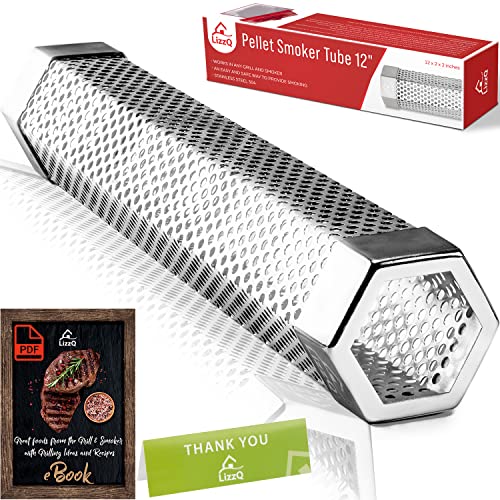
✅ This accessory is designed to WORK IN ANY GRILL (gas, electric or charcoal) and with any smokers. It ADDS GREAT FLAVOR for your meat or fish and exposes them to a tasteful smoke of smoldering wood. Perfect for smoke cheese.

【304 Stainless Steel Materiai】This smoker tube is made of 100% high-quality 304 stainless steel, anti-rust and heat-resistant, durable and sturdy, not be broken or bent easily after repeated use. With 1 12inch heat resistant 304 stainless steel smoker tube, 1 tube brush for efficient cleaning,1 oil brush, so you brush oil more convenient, 1 S hooks for hanging the smoker tubeKeep you and your family in healthy
Incorporating Herbs and Aromatics Into Your Smoke
Beyond wood chips alone, you’ll find that layering herbs and aromatics into your smoke dramatically elevates the complexity of your grilled dishes. Rosemary, thyme, oregano, and basil represent ideal smoking herb varieties, offering robust, woody characteristics that burn steadily. Fennel and bay leaves add distinctive depth without overwhelming your food. Freshly picked herbs provide the most robust flavor and impact compared to those stored for extended periods.
For smoke production optimization methods, use dried herbs rather than fresh ones—they burn slower and more controllably. If you prefer fresh herb sprigs, soak them 30 to 60 minutes beforehand to prevent rapid combustion. Separate stems from leaves to fine-tune burning rates and intensity. Complementary wood and herb choices can enhance the overall flavor profile of your grilled dishes. When blending aromatics with smoking woods, aim for thin blue smoke rather than thick white smoke to prevent harsh flavors from overpowering your food.
Fill your smoker box with herb stems and wood chips, positioning it directly over heat elements. For optimal seasoning results on cast iron grates, consider that refined oils with high smoke points allow your grill to reach proper smoking temperatures without degradation. Cast iron’s heat retention makes it particularly effective for achieving superior searing results during the smoking process. Maintaining a clean grill grate] ensures even heat distribution and prevents flavor contamination from leftover residue. To preserve the bright finish of your grill’s stainless steel exterior while focusing on interior cooking performance, incorporate regular stainless steel maintenance into your grill care routine. Add your blend just before grilling begins, then close the lid to trap aromatic smoke around your food.
Managing Smoke Intensity and Preventing Over-Smoking
Getting the smoke level right separates mediocre results from truly smoked meats—too little and you’ll miss that essential flavor, too much and you’ll end up with acrid, bitter food that’s worse than no smoke at all.
Start by maintaining ideal vent positions to control smoke density. Increase airflow if you’re over-smoking, and use drier wood that burns cleaner. Reduce the amount of wood you’re adding and consider burning a hotter fire to consume excess smoke efficiently. Thin blue or invisible smoke is the optimal indicator that your fire is burning cleanly and producing the best flavor.
Avoiding excessive smoke buildup requires strategic planning. Add wood chunks every 45 minutes rather than continuously, and employ the two-phase approach: smoke heavily for 3-4 hours, then finish without wood. Keep a spray bottle nearby to extinguish flaming wood that creates acrid smoke. For electric options, consider using electric charcoal starters to achieve consistent heat for your smoking setup. Meat absorbs smoke flavor best when raw and moist on the surface, so time your wood additions during the early stages of cooking. Different wood types produce varying smoke characteristics, so experimenting with hardwood pellet flavors like hickory and apple can help you achieve your desired taste profile. For superior results, select pure hardwood pellets with no additives to ensure clean, flavorful smoke throughout your cooking session. Top-performing brands like CookinPellets and Lumber Jack offer 100% hickory pellets without fillers for optimal burn quality and bold smoky flavor. While both smoking and grilling can produce carcinogenic compounds, managing smoke intensity and avoiding excessive charring helps minimize these health risks. Monitor your results closely and adjust accordingly.
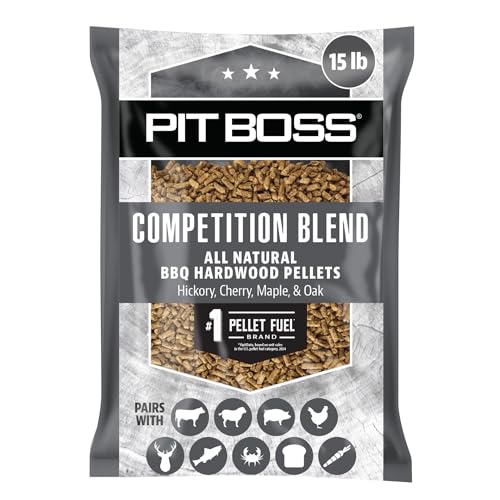
Pit Boss pellets are the #1 pellet fuel brand* Americans trust

AMAZING PURE SMOKE FLAVOR - Stop using "upcycled" sawdust swept off of factory floors to "flavor" your food. Kona best BBQ smoking pellets start in retired orchards and sustainably harvested forests. Each tree is hand selected and processed with the sole purpose of creating the best tasting smoking pellets in the world.

100% Natural Hardwood – Made from premium kiln-dried hardwood, with no additives or binders, for a clean and natural burn.
Experimenting With Wood Combinations and Custom Blends
Why settle for single-wood smoke when you can craft a signature flavor that’s uniquely yours? Blending woods opens endless creative smoking applications tailored to your preferences and proteins. Start with tried combinations like hickory and apple for balanced robust smoke on ribs, or cherry and pecan for rosy nutty sweetness on poultry. The Grillmaster blend of maple, cherry, and hickory provides reliable balance across any smoke session.
Experiment systematically by testing two-wood pairings before advancing to three-wood combinations. Proper storage of wood chips in airtight containers preserves flavor integrity between sessions. Document your ratios and results to identify winning formulas worth repeating. Oak’s medium-to-strong, clean smoke makes it an excellent addition to experimental blends seeking steadier burning performance. Cherry wood imparts a mild, sweet, fruity smoke that pairs beautifully with poultry and can be blended with stronger woods for added complexity. Pure cherry pellets deliver milder, fruit-forward notes while blended cherries mixed with maple or hickory add depth and stronger smoke intensity. For best results, always use seasoned hardwoods rather than softwoods, which can produce undesirable flavors and inconsistent burns. Different woods impart various flavors, from sweet to savory] depending on their composition and burning characteristics. Consider lump charcoal burns hotter than briquettes when selecting your base fuel for more consistent temperature control during extended smoking sessions. For optimal purity and performance, prioritize kiln-dried, MDA-certified hickory to ensure your wood blends are free from contaminants that could compromise your smoke profile. This methodical approach transforms gas grilling into a personalized culinary craft.
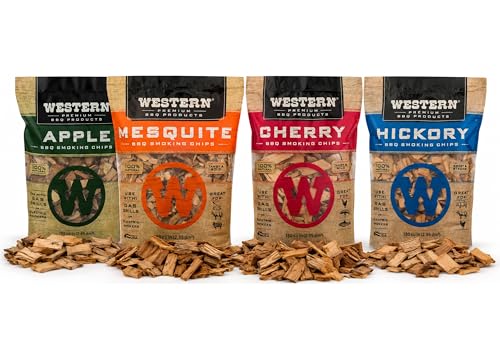
Western BBQ Smoking Wood Chips Variety Pack Bundle (4)- Apple, Mesquite, Hickory, and Cherry Flavors (Original Version)

Made In the USA: Celebrate homegrown quality with these premium wood chips made in Arkansas and Missouri

3-PACK VARIETY OF PREMIUM SMOKING WOOD CHIPS – Elevate every barbecue with this ultimate smoking wood chip bundle, featuring three 1.8 lb bags of premium, all-natural wood chips. Includes Hickory for bold, classic BBQ flavor, Applewood for a subtly sweet and fruity aroma, and Mesquite for deep, earthy smokiness—perfect for ribs, brisket, poultry, pork, seafood, lamb, and game meats. Ideal for use in charcoal grills, gas grills, electric grills, and smokers, this variety pack delivers rich, versatile flavor options for backyard BBQs, camping trips, and tailgates.