

You’ll achieve ideal results using a two-zone setup: sear chicken breasts at 450–500°F for 1–2 minutes per side, then finish at 350–375°F over indirect heat. Pull breasts at 155°F internal temperature for carryover cooking to 165°F. Dark meat requires higher temperatures—target 175°F for thighs to break down collagen into gelatin. Always use an instant-read thermometer for accuracy, then rest your chicken 5–10 minutes to lock in juices. Proper technique and temperature monitoring transform your grilling game.
Setting Up Your Grill for Success
You’ll want to master the two-zone setup before you fire up any chicken. This configuration lets you sear quickly without burning while finishing through indirect heat.
Position your hot zone directly over coals or one side of gas burners, reaching 450–500°F for searing. Create your cool zone offset from direct heat, maintaining 300–350°F for finishing. Proper grate preparation starts with brushing away debris, then light oiling to prevent sticking.
Preheat your grill 10–15 minutes at target temperature. Use a grill surface thermometer to verify consistent zone temperatures across both areas. This accuracy prevents temperature fluctuations that compromise your chicken’s texture and moisture. Close your lid during indirect cooking to trap heat and retain moisture throughout the process. Many grillmasters find that air-drying chicken overnight in the refrigerator before grilling enhances the final texture and allows for better seasoning absorption. Consider using wooden skewers to hold chicken pieces together if preparing kabob-style preparations. For maximum juiciness, consider brining the chicken beforehand to enhance tenderness and moisture retention. Grilled chicken’s high protein content supports metabolism and muscle growth while keeping your meal nutritious. According to the USDA, chicken reaches food safety at an internal temperature of 165°F. An instant-read thermometer is essential for checking that your chicken reaches the proper internal temperature without relying on guesswork or timing alone.
Achieving the Right Temperature for Chicken Breasts
With your two-zone setup dialed in, it’s time to focus on the specific temperatures that’ll deliver perfectly cooked chicken breasts every time.
Start by searing chicken breasts on direct heat at 450°F for 1-2 minutes per side to develop appealing grill marks. Then move them to indirect heat at 350-375°F to finish cooking through without drying out. This approach prevents the exterior from overcooking while the interior reaches the target 165°F at the thickest part.
Consider brining chicken breasts beforehand—this enhances moisture retention during grilling. Monitor internal temperature with a meat thermometer rather than relying on timing alone, since thickness varies. Remove breasts at 155°F; carryover cooking will raise the temperature 5-7°F during resting. Preheat your grill for 10-15 minutes before placing chicken on the grates to ensure consistent heat throughout the cooking process. Indoor electric grills like the Philips Smokeless Grill offer superior temperature control for achieving these precise cooking conditions. Tent with foil for five minutes minimum to lock in juices and prevent dryness. Pat chicken dry before grilling to ensure better heat contact and more effective browning on the grill grates. For bone-in cuts like thighs, expect a longer cooking time of 20 to 25 minutes using a combined direct and indirect heat method. Even thickness is critical for uniform cooking, so consider pounding chicken to even thickness before grilling to avoid undercooked or overcooked sections. Boneless chicken thighs, by contrast, cook faster and remain juicier than bone-in cuts while still requiring careful monitoring. After grilling, allow your chicken to rest for 5-10 minutes to allow the juices to redistribute for maximum juiciness.

OUTDOOR GRILLING, INSIDE: Our indoor smokeless grill allows you to enjoy the flavors of grilling anywhere, anytime. This convenient countertop grill instantly adds cooking space to your kitchen and creates delicious dinners in no time.

EXTRA-LARGE COOKING SURFACE: The 10 x 20 inch indoor grill provides plenty of space to cook up big batches for a crowd or a complete meal.

Mastering Dark Meat Cooking Temperatures
Dark meat’s higher fat content and connective tissue demand fundamentally different cooking approaches than the white meat you’ve already mastered. You’ll achieve ideal doneness at 175°F (79°C), where collagen fully breaks down into gelatin, creating that silky texture. Bone-in thighs require 180–185°F to guarantee marrow cooks completely and juices run clear.
Optimizing cooking duration depends on your cut’s size and bone structure. Bone-in thighs need 35–45 minutes at 350°F indirect heat, while boneless versions finish in 20–25 minutes with flipping every 7–8 minutes. Temperature monitoring supersedes timing for preventing overcooking, which transforms tender meat into rubbery disappointment. Check that the internal temperature reaches 165°F to ensure food safety and proper doneness. Using a reliable instant read thermometer will help you verify accuracy across different pieces.
Always measure temperature at the thickest part of the thigh, away from bone, for accuracy. This precision guarantees you’ll consistently deliver juicy, perfectly cooked dark meat.

Fast & Accurate: Get precise readings in just 1 second with ±0.9°F accuracy. NSF Certified for trusted food safety, this digital food thermometer features a 4.3 inches food-grade stainless steel meat probe, perfect for grilling, frying, baking, making candy and more

【8X Faster + 4X More Precise】: Upgraded with an industrial-leading professional thermocouple sensor, Themomonster meat thermometer digital with NIST certified ±0.5℉ precision provides you the accurate temperature of your food in just 0.5 Seconds.

【Fast & Accurate】Our meat thermometer digital delivers accurate readings within ±1°F in just 1–2 seconds, with a wide temperature range of -58°F to 572°F (-50°C to 300°C). No more waiting over the heat - know your food's exact temperature instantly.
Timing Your Chicken to Perfection
Pound boneless breasts to uniform 1/2-inch thickness for even moisture levels throughout. Sear them 2-3 minutes per side on high heat, then move to indirect until they reach 155°F—carryover cooking brings them to safe 165°F. This method locks juices inside. For optimal results, let acid-marinated chicken breasts set for 30 minutes to 1 hour before grilling to ensure the meat absorbs the marinade flavors evenly.
Employ proper marinating technique beforehand to enhance retention. Monitor temperature every minute post-sear for accuracy. Total time runs 12-16 minutes at 425-450°F. Wings require 20-25 minutes, flipped every five minutes, targeting 175°F. Maintaining appropriate grill temperature throughout the cooking process ensures even heat distribution and prevents undercooked or overcooked spots. Letting the meat rest for 5 to 10 minutes after cooking helps retain juiciness before serving. Each cut’s timing differs; respecting these intervals separates perfectly juicy chicken from disappointingly dry results. Brine chicken breasts before grilling for extra juiciness that noticeably improves the final texture and flavor profile. For thicker pieces, consider using indirect heat initially to thaw them while cooking, ensuring even heat distribution throughout the meat. You can also brush chicken with your preferred sauce during the last minute or two of grilling to enhance flavor. Chicken thighs benefit from slower cooking at 375°F to 450°F with indirect heat to ensure the meat reaches an internal temperature between 160°F and 185°F for optimal juiciness and doneness.
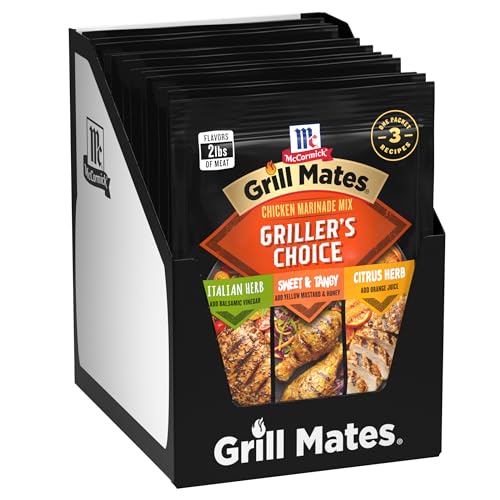
Chicken marinade packet from McCormick Grill Mates lets you choose the flavor you want
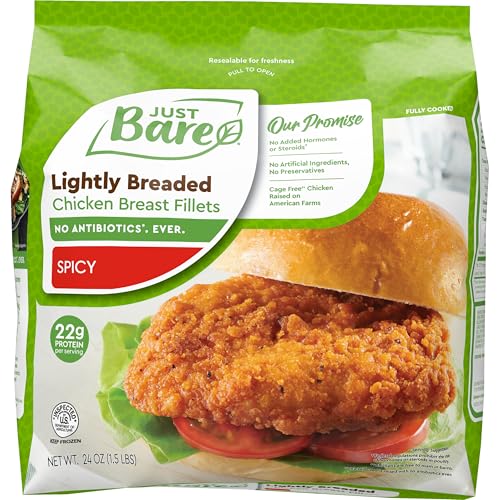

Meets standards for animal welfare, feed, and more, so you can know about what you're buying (and eating)
Testing Doneness and Resting Your Chicken
Timing your cook is only half the battle; you’ll also need reliable methods to ascertain that your chicken’s reached safe temperatures without overcooking the meat. Use internal probes by inserting your thermometer into the thickest portion, avoiding bone contact. Check every 8-10 minutes during indirect heat. For accuracy, measure the lowest temperature point in breasts, as thermal gradients create variation. Calibrating thermometers guarantees precision—verify accuracy before grilling. Models like the Thermapen ONE offer one-second readings and auto-rotating displays for quick, dependable temperature checks. For wireless monitoring during longer cooks, consider app-enabled dual-probe setups that allow you to track multiple temperature points simultaneously from a distance. Wireless thermometers using radio-frequency technology provide superior range compared to Bluetooth-only models, making them ideal for monitoring chicken on larger grills from inside your home. For low-light grilling conditions, ensure your grill area has adequate integrated lighting or grill lights so you can accurately read thermometer displays and verify doneness without guesswork. Instant-read thermometers like the ThermoWorks Thermapen ONE deliver fastest and most accurate readings for quick verification of doneness. Remove breasts at 155°F to leverage carryover cooking‘s 5-7°F rise. Tent with foil for at least one minute, allowing thermal gradients to equalize while pasteurizing the meat safely. This resting phase prevents moisture loss and delivers tender, juicy chicken at safe minimum temperatures. A Thermapen is essential for finding the lowest temperature in the meat and ensuring safety. Chicken breasts should reach 165°F internal temperature before being removed from the grill to ensure they are fully cooked and safe to eat.