

You’ll grill boneless chicken thighs for 8-12 minutes over direct medium-high heat at 375-400°F, flipping halfway through for even browning. Pat them dry first, season generously, and brush lightly with oil to prevent sticking. Check that they’ve reached 155-160°F internally using a meat thermometer. Let them rest 5-10 minutes after grilling so juices redistribute throughout the meat. Several variables can adjust your timing, though, depending on thickness and your specific grill setup.
Preparing Your Boneless Chicken Thighs
Why does proper preparation matter before grilling? You’ll achieve superior results by executing two critical steps: trimming excess fat and applying seasoning correctly.
Start by removing large fat pockets from your boneless chicken thighs. This prevents flare-ups and guarantees even cooking throughout. Pat the thighs dry afterward—moisture inhibits proper browning and seasoning adhesion.
For seasoning application techniques, you’ve got flexibility. Apply salt, black pepper, and garlic powder to both sides, or use BBQ seasoning liberally across all surfaces. Brush lightly with oil to prevent sticking, then rub seasonings into the meat for complete coverage. Using paprika and parsley will enhance the flavor profile of your marinade for an even more delicious result.
If you’re marinating, coat thighs thoroughly and refrigerate for at least 30 minutes. You can extend this to overnight for intensified flavor. A Worcestershire and teriyaki blend will infuse each bite with bold flavor that dry rubs cannot achieve. Pat dry before grilling for ideal grill contact and superior crust development. For thicker cuts, you can pound to even thickness to ensure uniform cooking throughout. Preheating the grill ensures consistent temperature control and helps create an optimal cooking environment. After grilling, let the chicken rest for 5 to 10 minutes to allow the juices to redistribute for maximum juiciness. Always use a meat thermometer to verify doneness and ensure food safety. Insert the thermometer in the thickest part to get an accurate reading and avoid undercooking or overcooking your chicken.
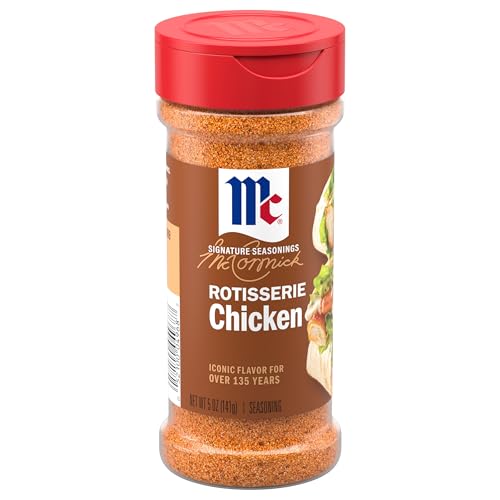
McCormick Rotisserie Chicken Seasoning brings rotisserie-style flavor to chicken thighs, chicken drumsticks, cornish hens

Fresh Chicken Boneless, Skinless Thighs

Meets standards for animal welfare, feed, and more, so you can know about what you're buying (and eating)
Preheating and Setting Up Your Grill
Before you place your prepared chicken thighs on the grill, you’ll need to preheat and configure your cooking surface properly. Grill preheating techniques differ between fuel types. For gas grills, run all burners on high for 10-15 minutes, then reduce to medium heat. With charcoal, light a three-quarters-full chimney starter and wait until briquettes turn white with ash before spreading them in a single layer across half your grate.
Both methods require managing temperature zones for ideal results. Create a two-zone configuration by keeping one side hot for searing while maintaining the opposite side cooler for gentler cooking. This setup reduces flare-ups and prevents burning. Set the grill for direct medium heat at approximately 350°F to ensure your chicken thighs cook through evenly without drying out. A single-zone grill setup with coals a few inches below the grates is sufficient for grilling chicken thighs. Keep the vents opened during preheating to maintain consistent airflow and temperature control. Charcoal grilling relies on radiant heat from glowing embers to cook food directly, which is the primary heat transfer method in this style of grilling. After preheating stabilizes, brush grates clean and lightly oil them immediately before placing your seasoned chicken thighs on the cooking surface. If you have a gas grill with side burner, you can use it to prepare sauces or sides while your chicken cooks on the main grates. Proper temperature monitoring throughout the cooking process is essential to avoid dryness and ensure your chicken thighs remain tender and flavorful. This temperature range provides enough heat to brown and tenderize your chicken without harsh charring that can occur at higher settings.

Large Display: Features a 2 3/8 inches large face for clear visibility; Stem length of 2 7/8 inches enhances accessibility; Enables easy classification of food temperatures in various cooking environments

BBQ / Grill pit thermometer, safe and environmentally friendly.

【2-Pack Value Set + Large Easy-Read Display】Comes with 2 grill thermometers, each featuring a 2 3/8" oversized dial and 2 7/8" stem length—clear numbering ensures quick temperature reading, even from a distance, and the long stem enhances accessibility in various cooking environments.
Direct Heat Grilling Methods
Once your grill’s prepped and your chicken thighs are positioned on the grates, you’ll apply direct heat to develop that golden-brown exterior and achieve proper doneness. Maintain medium-high heat between 375-400°F for ideal cooking, using a grill thermometer to verify accuracy before placing thighs. This temperature range guarantees faster searing while preventing uneven cooking and undercooked spots.
Your seasoning recommendations should complement the dark meat’s natural richness—consider dry rubs with paprika, garlic, and herbs. If you’ve chosen marinating options, pat thighs dry beforehand to maximize browning potential. Cook boneless thighs 8-12 minutes total over direct heat, using either a single flip halfway through or the 3-3-3-3 pattern with flips every three minutes. Single flipping maintains even heat exposure, while multiple flips create consistent browning across surfaces. Monitor resistance when flipping; thighs release easily from grates when properly cooked. Boneless thighs should be flipped after 4-5 minutes on the first side to achieve optimal grill marks without charring. Use a meat thermometer to check for 155-160°F internal temperature for perfectly cooked chicken. For enhanced juiciness and flavor depth, consider applying frequent flipping during the grilling process to achieve perfectly crispy skin and tender meat. For those seeking enhanced flavor from live-fire cooking, direct grilling over coals in a portable kettle grill delivers superior taste compared to gas alternatives. If desired, brush the thighs with your preferred sauce during the last minute or two of grilling to add extra flavor without burning the sugars. After cooking, let the chicken rest for 5-10 minutes to redistribute juices for maximum flavor and tenderness. This resting period allows juices to redistribute throughout the meat, ensuring each bite remains moist and flavorful.

Meets standards for animal welfare, feed, and more, so you can know about what you're buying (and eating)

Fast & Accurate: Get precise readings in just 1 second with ±0.9°F accuracy. NSF Certified for trusted food safety, this digital food thermometer features a 4.3 inches food-grade stainless steel meat probe, perfect for grilling, frying, baking, making candy and more
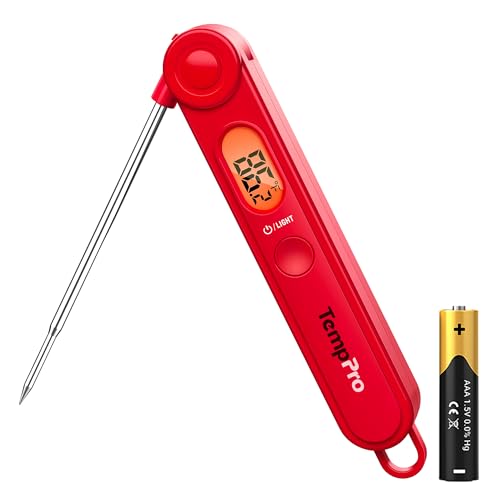
【Easy to Use】Easily release the meat probe at the push of a button, and control the backlight or power with another button. With TempPro, cooking becomes a seamless, stress-free experience
Indirect Heat Grilling Methods
Two key setups create your indirect heat zone: on charcoal grills, you’ll arrange coals exclusively on one side, while gas grills require you to light only one side of multiple burners. Position a drip pan beneath the unlit side to catch fat drippings and prevent flareups.
For indirect temperature management, preheat to 300°F for bone-in thighs. Place thighs skin-side up over the indirect zone with the lid closed. Cook for 30-45 minutes, rotating occasionally until skin browns thoroughly. The closed lid retains heat circulation, ensuring even cooking. Boneless chicken thighs can be prepped and marinated the night before for easy cooking on the grill.
During the final 15 minutes, flip and baste with sauce. Add wood chips to coals for smoke flavor enhancement. Monitor internal temperature—aim for 175°F in the thickest part. Using a probe thermometer ensures accurate temperature readings throughout the cooking process. For charcoal grills, maintain steady heat by keeping bottom vents fully open and adjusting the top lid damper as needed. This method renders fat while crisping skin, preventing burnt exteriors and undercooked interiors. After removing from the grill, let the chicken rest for a few minutes before serving to allow juices to redistribute for maximum flavor. Once you’ve finished grilling, brush off debris from the grates while they’re still warm for easier maintenance.

Steakhouse Sear At Home: The Lodge Square Cast Iron Grill Pan delivers high-heat searing and bold grill marks while channeling excess grease away


Cast Iron Grill Pan: This 11-inch square grill pan, a part of Lodge's Chef Collection, is a durable cast iron pan ready to help you experiment in the kitchen like a pro
Understanding Target Internal Temperatures
Temperature precision separates juicy, fall-apart chicken thighs from rubbery disappointment. You’ll need to understand two critical benchmarks: the minimum safe temperature and the ideal serving temperature.
The USDA establishes 165°F as your minimum safe temperature for all poultry, eliminating harmful bacteria like Salmonella and Campylobacter. However, boneless chicken thighs reach their ideal serving temperature at 170–175°F, where collagen melts and fat renders without drying the meat. Pushing boneless thighs beyond 175°F causes them to dry out quickly, negating the tenderness benefits of higher temperatures.
You should use an instant-read thermometer to verify internal temperature at the thickest point, away from bone. Insert the probe horizontally for accuracy. For reliable readings, models like the ThermoWorks Thermapen ONE deliver ±0.5°F accuracy with 1-second read times, ensuring you hit your target temperature precisely. Budget-conscious grillers can achieve solid results with the ThermoPro TP20, which offers dual probes and a 300-foot wireless range for under $45. For hands-off monitoring during longer cooks, wireless probes with apps provide grilling precision without constant manual checks. If you need extended range throughout your home, consider thermometers using radio frequencies like 433/900 MHz instead of Bluetooth-only models for more reliable connectivity. A digital meat thermometer helps you accurately monitor internal temperature and avoid overcooking your chicken thighs. The monounsaturated fat in chicken thighs provides health benefits while enhancing juiciness at these optimal temperatures. Brining beforehand—for 1–2 hours or overnight—retains moisture and enhances tenderness at these elevated temperatures.
This precision guarantees food safety while delivering perfect texture and flavor.
Flipping Techniques for Perfect Grill Marks
How do you transform simple grill marks into the coveted cross-hatch pattern that signals a perfectly seared chicken thigh? You’ll execute consistent rotation patterns by rotating 90 degrees without flipping after your initial 4-minute sear. Two-minute intervals between rotations complete the first-side searing. This technique prevents multiple flips on the same side while ensuring even heat distribution.
After completing both rotation intervals, you’ll perform your first flip. Here’s where targeted sauce application becomes critical: apply your reserved marinade immediately after flipping to prevent burning. Wait 5-6 minutes depending on thickness before your final flip, allowing 1-2 minutes for sauce caramelization. This strategic sequence develops proper browning and char while achieving the distinctive cross-hatch appearance that indicates successful technique execution. Since boneless skinless chicken thighs are more forgiving and can withstand slight overcooking without drying out, you have flexibility in your timing if needed. Ensure your grill reaches 400-450 degrees before you begin for optimal searing and char development. For best results, flip frequently to maintain even cooking and develop consistent color across both sides. Position thighs away from direct flames to minimize flare-ups and prevent charring. Throughout the grilling process, maintaining grill temperature is essential to achieve tender, flavorful chicken with a perfect crust. Proper preheating of your grill also helps prevent food from sticking to the grates and reduces food safety risks. Always verify doneness with internal temperature using a meat thermometer rather than relying solely on cooking time, as thickness variations affect how quickly chicken reaches safe consumption levels.
Managing Heat and Preventing Overcooking
Once you’ve mastered the cross-hatch sear, controlling your grill’s heat zones becomes the deciding factor between juicy, perfectly cooked thighs and dry, overdone meat.
Start with medium-high heat at 375-400°F for initial searing. You’ll grill 4-6 minutes per side, flipping once to develop color without charring. Hot spot management is critical—if browning accelerates too quickly, move thighs to a cooler zone immediately.
Combine this direct heat phase with indirect cooking to prevent overcooking. After marinade application and your initial sear, shift thighs to the indirect zone for 350°F cooking to ensure even results. This approach guarantees even cooking while preserving moisture. Using a meat thermometer to verify doneness eliminates guesswork and ensures consistent results every time.
Monitor internal temperature relentlessly. Remove boneless thighs at 160°F—carryover heat reaches your target 165°F. This prevents the tough, stringy texture that plagues overcooked poultry while maintaining food safety standards. Allowing the thighs to rest before serving helps redistribute juices and ensures maximum tenderness. Grilled chicken is a lean protein source that supports muscle growth and metabolism while remaining low in saturated fat. Flavorful rubs and proper seasoning applied before grilling will enhance the taste and create a complex flavor profile. Add sauces later in the grilling process to avoid burning and ensure the flavors properly complement your chicken. For optimal results, consider investing in a quality grill like the Weber Genesis SX-335s known for its even heat distribution across the cooking surface.

One package of Boneless Skinless Chicken Thighs, Teriyaki

One package of Boneless Skinless Chicken Thighs, Lemon Herb

Contains 5 pounds of boneless skinless chicken thighs, packaged fresh and refrigerated
Factors That Affect Grilling Time
Several variables’ll determine how long your chicken thighs actually spend on the grill, and mastering these factors eliminates guesswork from your cooking process.
Thickness directly impacts cooking time variations—boneless thighs cook faster than bone-in counterparts due to uniform heat distribution. Your grill type matters greatly: electric grills reduce duration compared to gas or charcoal models. Environmental conditions significantly affect results; cold weather slows cooking while high humidity accelerates temperature rise. Using a food thermometer ensures you verify doneness regardless of environmental variables.
Preparation methods influence timing too. Brining 30-60 minutes promotes even cooking, while pounding with a tenderizer reduces grilling duration by breaking muscle fibers. Temperature monitoring proves essential—preheat your grill to 400°F for proper searing without excessive time extensions. For boneless chicken thighs, plan for 10-15 minutes of direct heat cooking to achieve optimal caramelization and juiciness. Maintaining consistent heat distribution across your cooking surface ensures all pieces finish simultaneously without hot or cold spots. BTU output affects how quickly your grill reaches and maintains target temperatures, with higher BTU ratings typically delivering faster preheating and better heat recovery when you add cold food.
Avoid overcrowding your grates to guarantee consistent heat exposure and accurate cooking time predictions. If you’re using a portable propane grill, a standard 16-oz cylinder typically provides 1.5–2 hours of cooking time on high heat, which is more than sufficient for grilling multiple batches of chicken thighs. Look for grills with reliable ignition systems to minimize delays and maintain consistent cooking schedules from the moment you’re ready to start. For outdoor cooking scenarios like camping or tailgating, a compact tabletop model offers portability without sacrificing the even heating needed for perfectly cooked chicken.
Testing for Doneness
Determining when your chicken thighs reach perfect doneness requires multiple validation methods to guarantee both food safety and ideal juiciness. You’ll achieve the best results by inserting an instant-read thermometer into the thickest part of the meat, avoiding bone, and pushing slowly through to capture thermal gradients accurately. Boneless skinless thighs should reach 175°F, while bone-in varieties benefit from 195°F for fall-off-the-bone tenderness. A reliable thermometer is essential for monitoring these temperatures accurately throughout the cooking process.
Complement thermometer readings with visual inspection by piercing the thickest section with a fork. Clear juices confirm doneness; pink juices signal additional cooking time. Slice the meat to verify white, opaque interior without any pink coloring. The texture should feel firm yet yielding, never rock hard. Using a meat thermometer ensures chicken reaches a safe internal temperature and prevents undercooked poultry. After cooking, clean your grill thoroughly by removing debris and washing all components to ensure proper functionality and hygiene for your next grilling session. For routine maintenance, consider using bristle-free brushes to safely remove stuck-on food without the risk of stray wire bristles contaminating your next meal. The Grillaholics Bristle-Free Grill Brush features a triple helix design and 18-inch handle that allows for thorough cleaning while keeping your hands safely away from heat. Traditional wire brushes clean effectively but pose safety risks when bristles detach and potentially contaminate food. Before your next grilling session, season your grill grates with high-smoke-point oils like refined avocado or canola to prevent sticking and build a durable nonstick surface. These combined checks prevent foodborne illness while preserving consummate juiciness.
Resting and Serving Your Grilled Thighs
After you pull your chicken thighs off the grill, resist the urge to slice into them immediately. Instead, place them at your resting location—a clean cutting board or plate—and tent them loosely with foil for 5–10 minutes. This pause allows residual heat to reach safe temperatures while juices redistribute throughout the meat, ensuring every bite stays moist and tender.
During this critical window, the proteins and collagen break down into gelatin, enhancing texture and preventing moisture loss that occurs with premature cutting. For boneless thighs, confirm they’ve reached 165°F internal temperature before resting to guarantee food safety.
Once rested, slice crosswise into ½-inch strips for your serving presentation. Use plastic or wooden utensils when handling the chicken to avoid damaging any non-stick surfaces. Arrange on plates alongside sides, salads, or grain bowls, then drizzle with BBQ vinaigrette or your preferred sauce. This technique guarantees superior juiciness and maximum flavor retention in every portion. Boneless skinless chicken thighs pair exceptionally well with fresh greens and acidic dressings for a balanced meal. If you have leftovers, reheat grilled chicken properly by using an air fryer, oven, or stovetop with added liquid and proper covering to maintain moisture and prevent drying out. Store any remaining grilled chicken in the refrigerator at or below 40°F and consume within three to four days to ensure food safety. For longer storage, freeze leftover chicken on the day of cooking in airtight containers or freezer bags to maintain quality and prevent freezer burn.