
You’ll preserve your grilled chicken’s moisture by using steam-based methods that prevent protein denaturation. The oven method‘s your best bet: reheat at 325°F in a foil-wrapped dish with added broth for 15–20 minutes. Alternatively, use your stovetop with a tight-fitting lid and minimal liquid on medium-low heat for about six minutes. Both techniques maintain internal juices while reaching the safe 165°F temperature. Each method offers distinct advantages worth exploring further.
Why Moisture Matters When Reheating Grilled Chicken
When you reheat grilled chicken, moisture loss breaks down the meat’s texture and flavor. Heat exposure causes protein denaturation—your proteins contract and expel internal juices that made the chicken succulent originally. Without a steam environment, moisture evaporation accelerates, leaving you with dry, stringy meat.
Several factors compound this problem. Uneven heat diffusion creates dry outer layers while interiors remain lukewarm. Overcooking beyond 165°F squeezes out additional moisture. Exposure to dry air post-cooking further accelerates moisture evaporation. Additionally, if your chicken was processed using water bath chilling, it may have absorbed extra moisture that gets expelled during reheating, requiring careful temperature monitoring to retain juiciness. The oven method with added liquid provides a steam environment that prevents excessive moisture loss during the reheating process.
You’ll notice grilled chicken becomes rubbery and fibrous when reheated without moisture retention. The crispy exterior you loved disappears, replaced by a disappointing texture. Similar to how overheating salmon can cause albumin leakage and dryness, excessive heat transforms the chicken’s proteins in ways that compromise texture. Understanding these mechanisms helps you implement proper reheating strategies that preserve juiciness and restore the chicken’s original quality. Properly reheated chicken should reach an internal temperature of 165°F or higher to ensure food safety and eliminate any harmful bacteria that may have developed during storage. If you’re not planning to eat your leftovers immediately, grilled chicken can be safely refrigerated for three to four days when stored at or below 40°F. Once properly reheated, you can incorporate the chicken into pasta dishes, wraps, or salads to create entirely new meals. Adding ingredients like broth or stock to your reheating dish helps maintain moisture and can even enhance the flavor of your leftover chicken.
The Oven Method for Superior Results
Because direct heat accelerates moisture loss, the oven method offers superior control over your reheating environment. You’ll want to preheat your oven to 325°F specifically for grilled chicken, which prevents drying while maintaining ideal results.
Arrange your chicken in a single layer within an oven-safe baking dish, then wrap it with aluminum foil to create a sealed humid chamber. Add a splash of chicken broth or water—less than one inch covering the dish bottom generates steam that locks in juices. Remember to only reheat the amount of chicken you plan to eat at this time to ensure food safety and prevent waste.
Your temperature settings and cooking time adjustments depend on chicken type. Grilled pieces require 15-20 minutes at 325°F; check after 10 minutes. Larger bone-in portions need 20-25 minutes at 350°F. For best results, remove the chicken from refrigeration beforehand to allow it to reach room temperature, which promotes even warming throughout the meat. Verify doneness using a meat thermometer reading 165°F internally before serving. Just as with freshly grilled chicken, using indirect heat during reheating helps maintain moisture and prevents the meat from becoming tough. Proper temperature monitoring ensures your chicken reaches the safe internal temperature without overcooking. Insert your meat thermometer in the thickest part of the chicken to get an accurate reading. After removing the chicken from the oven, let it rest for 3-5 minutes to help redistribute juices and keep the meat tender. For enhanced flavor, consider adding fresh herbs like rosemary or thyme to the baking dish during the reheating process.
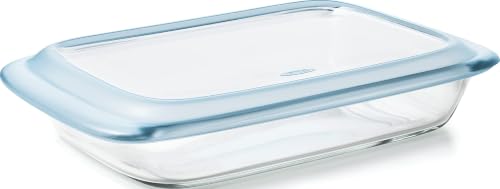
FREEZER-TO-OVEN: Thermal shock-resistant borosilicate glass allows this baking dish to go from the freezer directly to the oven without cracking. Ideal for meal prep, potlucks, entertaining, and convenient for everyday cooking and storage needs.

6-PIECE BAKEWARE SET: 6-piece set of 3 oven-safe glass baking dishes and 3 lids for making casseroles, desserts, stews, and more

Meet Your Daily Needs: DOWAN larger and deeper ceramic baking dish measures 15.6"L x 9.3"W x 3.1" H (including handle size)-135 OZ, sized perfectly for cooking lasagna, casseroles, chicken, roast, bread, pasta, beef, and more. Whether you're cooking a family dinner or serving food, this versatile casserole dish has got you covered.
Quick Stovetop Reheating Techniques
While the oven method demands patience and planning, you’ll find stovetop reheating offers a faster alternative that delivers equally moist results in just 6-15 minutes. Start by heating a small amount of water in your ideal reheat vessel—a skillet with a tight-fitting lid. Medium-high initial heat shifts to medium-low once you add chicken pieces, preventing moisture loss.
Add 1-2 tablespoons of liquid, whether water, broth, or stock, creating essential steam for retaining liquid within the meat. Cover tightly and check temperature after 6 minutes, flipping pieces for even heating. Boneless, skinless pieces work best via this method. Remove chicken immediately upon reaching 165°F internal temperature, leaving pieces in the liquid until serving to maximize juiciness. For bone-in chicken varieties, the oven remains the superior choice for maintaining both moisture and skin texture. This technique eliminates drying concerns while accommodating your schedule. Grilled chicken’s high protein content makes it particularly important to reheat properly to preserve its nutritional benefits and texture. Let the reheated chicken rest for at least 5 minutes before serving to allow the juices to settle back into the meat. Just as with freshly cooked chicken, resting after reheating helps redistribute the juices for optimal flavor and moisture. Use plastic or wooden utensils when handling the chicken in your skillet to protect the non-stick surface from scratches. Since grilling at high temperatures can form carcinogens like HCAs, reheating gently with moist heat is a safer approach that won’t introduce additional harmful compounds. If you have extra grilled chicken you won’t use within a few days, tightly wrap it in plastic wrap followed by aluminum foil before freezing to prevent freezer burn.

Eco-friendly Granite Nonstick Material: Nonstick granite material. Less oil needed & less smoke released, our frying pan provides your daily cooking always safer and healthier. Excellent non stick performance keeps food sliding smoothly along the surface for easy clean.
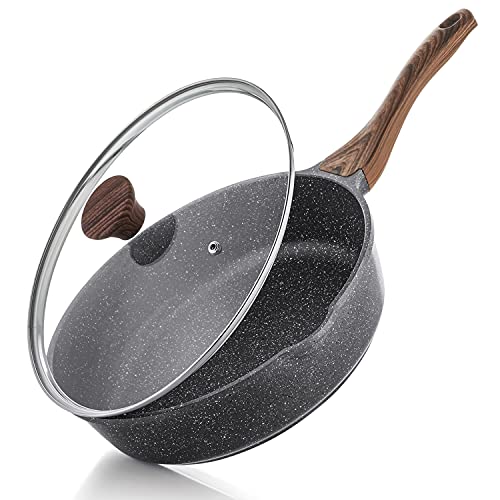
Swiss Non-Stick Coating - Switzerland ILAG nonstick granite coating, free of intentionally added PFOA. Smokeless, safe, and healthy—cook with 80% less oil for a healthier diet.
Eco-friendly Granite Nonstick Material: Nonstick granite material. Less oil needed & less smoke released, our frying pan provides your daily cooking always safer and healthier. Excellent non stick performance keeps food sliding smoothly along the surface for easy clean.
Using Your Microwave Effectively
Though microwaving grilled chicken requires careful attention to prevent drying, you can achieve excellent results by following a strategic approach. You’ll start by arranging uniform portion sizing on a microwave-safe plate, positioning smaller pieces centrally and larger pieces along the outer edge. This distribution guarantees even heating considerations throughout the reheating process.
Next, you’ll add moisture by drizzling water over the chicken or including 1-2 tablespoons in the dish to generate steam. Cover your plate with microwave-safe wrap or a damp paper towel to trap moisture effectively.
Set your microwave to medium-high power and heat for 2-3 minutes initially, checking progress frequently. Use 10-30 second increments afterward, flipping pieces midway for consistent results. Verify the internal temperature reaches 165°F before serving. Just as with freshly grilled chicken, using an instant-read thermometer ensures your reheated chicken has reached the safe internal temperature of 165°F throughout. Models like the ThermoWorks Thermapen ONE deliver results in just 1 second with exceptional accuracy. For more precise monitoring during future grilling sessions, consider investing in a wireless grill thermometer that allows you to track temperature from anywhere in your home. Budget-conscious grillers can achieve similar accuracy with options like the ThermoPro TP20, which features dual probes and a 300-foot range at under $45.
If you’re using a George Foreman grill to reheat your chicken instead, remember to clean it afterward with a nonmetallic pad and warm soapy water to remove any residue.

Easy to Clean: Simply rinse the cover under running water or place it in the dishwasher for a hassle-free clean. It’s designed for your convenience.

Microwave Cover: This extra-large microwave splatter cover keeps your microwave spotless while heating food evenly, with a clever vented design that releases steam perfectly every time you reheat last night's leftovers or warm up family meals

Collapsible with Easy Storage: This microwave splatter cover is designed to collapse and expand easily, allowing for compact storage when not in use and convenient usage when needed. When not in use, the microwave cover can be folded down to a compact size, allowing it to be stored conveniently in cabinets, drawers, or even hung on hooks
Air Fryer for Crispy Perfection
If you’re seeking restaurant-quality results with minimal effort, the air fryer delivers superior outcomes compared to microwave reheating. Start by establishing your ideal temperature range between 360°F and 400°F, adjusting based on desired crispiness levels. Your preheat duration should span 4-5 minutes, ensuring even hot air circulation around the chicken. The circulating hot air ensures precise temperature control to avoid drying out your grilled chicken while maintaining its smoky flavor.
Arrange pieces skin-side up in a single layer without overlapping to promote consistent air exposure. Lightly spray oil on the skin to enhance browning while preventing dryness. Reheat small-medium breasts for 4-5 minutes, checking at the 4-minute mark. Large pieces require 5-6 minutes total. Apply sauce during the final 1-2 minutes if desired. Coating with sauce will lock in moisture and prevent the chicken from drying out during reheating. This cooking method shares similarities with air frying other proteins, where preheating the air fryer helps achieve consistent results in under 10 minutes.
Verify your chicken reaches 165°F internally using a thermometer. For maximum flavor enhancement, you can create a simple mixture of olive oil and lemon juice to brush on the chicken before reheating, similar to how grilled salmon fillets are prepared with marinades. If you don’t have access to an outdoor grill, consider investing in an electric grill with superior temperature control for consistent results when cooking chicken from scratch. Modern electric grills with dual digital temperature zones allow you to reheat multiple pieces at different temperatures simultaneously for optimal results. You can also use a grill pan on your stovetop to achieve those signature grill marks when cooking chicken from scratch. Tap the skin with a fork to confirm golden-brown crispiness. Flip halfway through for even results.

𝘼𝙞𝙧 𝙁𝙧𝙮𝙚𝙧 𝙐𝙥𝙜𝙧𝙖𝙙𝙚: Innovative TurboBlaze Technology delivers a powerful 3600 rpm fan speed and temperatures up to 450℉, achieving crispy, juicy results every time
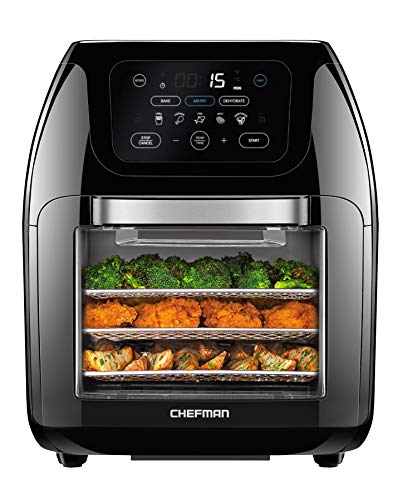
Versatile countertop cooking: Air fry, bake, dehydrate, rotisserie, or roast to crispy perfection in one convenient appliance

FAST AND EASY: This compact air fryer handles any culinary challenge. Customize cooking time and temperature with the digital touch screen display or use one of four preset functions for quick, one-touch meals. Perfect for serving 3-5 people.
Sous Vide for Restaurant-Quality Texture
Precision and consistency define sous vide reheating, a method that’ll preserve your grilled chicken’s moisture while delivering restaurant-quality results. You’ll reheat vacuum-sealed chicken at ideal reheating temperatures of 60°C (140°F)—five degrees below original cooking temperature—for 25 minutes minimum. This controlled approach prevents overcooking while maintaining pasteurization safety at 60-65°C for 180g portions.
When considering reheating duration considerations, remember that smaller portions reheat similarly to original cooking times. You’ll use an oven in sous vide mode at 130°F with 100% steam, monitoring internal temperature with a probe at the thickest section. If your chicken was previously chilled in ice water after its initial sous vide cooking, you can reheat on a smoker to add additional flavor complexity before the final sear. For optimal results, store your cooked chicken in the pouches within the refrigerator until you’re ready to reheat. Just as with smoking at a steady 225°F, maintaining consistent temperature throughout the reheating process ensures even heat distribution and prevents hot spots that could dry out portions of the meat.
After reheating, dry your chicken thoroughly and sear it 1-2 minutes per side in a hot pan for a golden, crispy exterior. Just as you would monitor salmon with a meat thermometer for accuracy, using this tool ensures your chicken reaches the proper internal temperature without overcooking. Similar to finishing smoked meats, a high-heat sear develops the ideal crust and exterior texture. Serve immediately to maintain that coveted restaurant-quality texture.
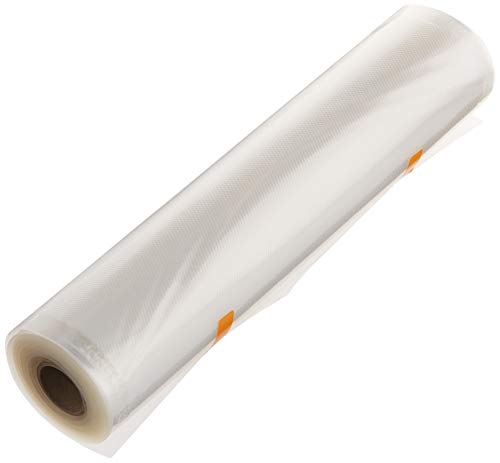
ROLL OUT: Including 2 rolls measuring 11" x19. 6' each, you have the ability to custom cut your bags to any length you wish. A perfect option for the cook who likes to keep their options open.
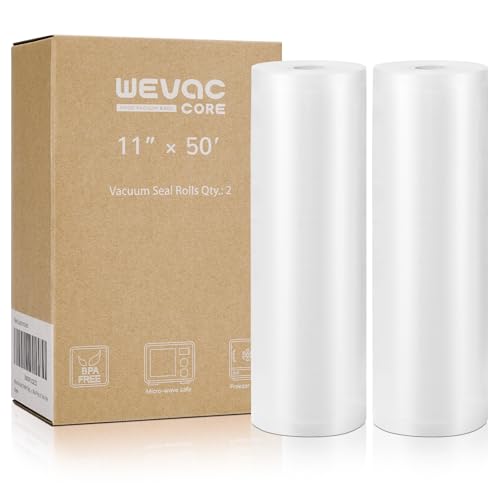
HEAVY DUTY AND PUNCTURE PREVENTION - 2 pack of 11 inch by 50 feet rolls with embossed channels to increase suction, keep fresh without freezer burn or dehydration

✔️【Wide Range of Use】Made of PE/PA food grade material, FIRAWER sous vide cooking bags are reusable up to 10 times, can keeps fresh for meat, seafood, vegetables, fruits, grains, nuts snacks and sandwiches, ect. Suitable for kitchen, camping, spring outing, travel and other scenes.


