You’ll cook pre-cooked smoked sausage in your air fryer at 375°F for 10-12 minutes, then reduce heat to 350-360°F for 6-7 minutes for whole links. For sliced pieces, cook 1/2-inch to 1-inch thick slices at 375°F for 8-10 minutes, or 1-inch slices at 400°F for 8 minutes. Always verify an internal temperature of 160°F using a meat thermometer. Arrange sausages in a single layer without overlapping, flip halfway through, and lightly oil them first. For ideal results and variations based on your specific cuts and preferences, there’s considerably more technique to explore.
Preparation Steps for Smoked Sausage
You’ll want to start by cutting your smoked sausage into appropriately sized pieces, as this directly impacts cooking consistency and texture. Research shows that 1-inch thick slices provide ideal results for standard air fryer cooking, though half-inch rounds work well for quicker preparation. For bite-sized portions, cut 2-inch pieces instead.
Next, prepare your air fryer basket by spraying it with cooking oil. Then apply suitable oil application to your sausage pieces using approximately ½ teaspoon of avocado, canola, vegetable, or olive oil. This light coating enhances browning and prevents sticking without excess. Oils with high smoke points are ideal for this step since they can withstand the elevated temperatures of air fryer cooking. The oil spray crisps the sausage on the outside while keeping the interior moist and flavorful. Place a slice of stale bread in the bottom to prevent smoking during the cooking process. A non-slip textured surface in your air fryer basket can also help keep sausage pieces from shifting during cooking. For best results, ensure your sausage pieces are fresh by checking that unopened sausage hasn’t exceeded its sell-by date before air frying. Since air fryers generate significant heat, positioning your grill or cooking appliance on non-combustible materials like cinder blocks can provide a stable and safe foundation for your cooking setup.
Finally, poke multiple holes across each pre-cooked sausage using a fork or knife. This critical step prevents the sausage from exploding during air frying. Repeat poking several times across the entire surface of each piece. Remember that checking internal temperature with a meat thermometer ensures your sausages reach the proper doneness level for food safety.

All-Natural Ingredients: Made with pure oil, free of additives and artificial flavors.

One 6 oz. can of PAM Air Fryer No-Stick Cooking Spray

AIR PRESSURE ONLY: Pompeian cooking sprays contain no propellants or additives, providing you the best-tasting, highest-quality oil to help you Eat and Live Well.
Cooking Temperatures by Sausage Type
Since different sausage varieties have distinct fat content and casing thickness, they’ll cook ideally at slightly different temperatures and times. Polish sausage performs best at 350-400°F for 5-12 minutes, while andouille sausage reaches optimal grilled-style flavor profiles at 400°F for 10 minutes. Kielbasa requires 6-8 minutes at 350-400°F, though you’ll reduce heat to 380°F when cooking alongside other ingredients. Beef, turkey, and chicken sausages cook at 370-400°F for 5-10 minutes depending on form. Chorizo follows the standard 350-400°F range for 5-12 minutes. These temperature variations account for nutritional content differences and fat distribution across varieties. You’ll flip your sausages halfway through cooking for even browning and guarantee internal temperatures reach 160°F for food safety, which ensures they are safe and juicy. For added moisture and flavor, consider cooking with beer or broth to enhance the final result. Since smoked sausage is pre-cooked, you don’t need to worry about extended cooking times. For those seeking alternative cooking methods, propane smokers offer consistent low-and-slow cooking without electricity or charcoal. Using two temperature probes inserted into your sausages allows you to monitor doneness accurately and ensure even cooking throughout the batch. Parboiling sausages before air frying can also help firm up the casing to prevent bursting during cooking. Always ensure your air fryer is positioned in a well-ventilated outdoor space to safely disperse heat and smoke while cooking.
Cooking Times for Whole Links
Now that you understand how different sausage varieties perform at specific temperatures, whole links deserve particular attention because they retain their juices and develop superior texture compared to sliced sausages.
You’ll cook pre-cooked smoked sausage whole links at 375°F for 10-12 minutes. For link variations and cooking adjustments, you can reduce temperature to 350-360°F and cook for 6-7 minutes instead. The general rule: pre-cooked links finish in 5-6 minutes total under 10 minutes.
Arrange links in a single layer without touching. Poke holes with a fork to prevent bursting. Shake the basket halfway through for even browning, or flip manually. Add 1-2 minutes if you prefer crispy skin. Since most smoke sausages come fully cooked, there’s no need to worry about cooking them through completely, just focus on achieving your desired level of browning and crispness. Similar to grilling techniques that emphasize hot and fast cooking to preserve moisture and texture, air frying sausages benefits from proper heat management to avoid drying out the meat. For a 14-ounce package of smoked sausage, you may need to cook in batches if your air fryer basket is smaller. Many backyard cooks also prepare sausages using propane gas grills for an alternative cooking method that delivers excellent results, with portable gas grills offering convenient options for outdoor entertaining. Models like the Weber Traveler provide ample cooking space for preparing sausages alongside other foods for family gatherings.
Verify your sausages reach internal temperature of 160°F using an instant-read thermometer before serving.

One 4 count package of Aidells Smoked Chicken and Apple Sausage Links

One 4 count package of Aidells Cajun Style Andouille Smoked Pork Sausage Links

One package of Hillshire Farm Hot Beef Smoked Sausage Links (6 Count)
Cooking Times for Sliced Pieces
How does slice thickness affect your air fryer results? Your cook time adjustments depend directly on how you cut your sausage. At 375°F, half-inch to one-inch thick slices need 8-10 minutes for ideal browning. If you’re using 400°F instead, expect faster cooking—roughly 8 minutes for one-inch slices or 6 minutes for half-inch rounds. Thicker two-inch pieces require the full 10 minutes at the higher temperature.
Regardless of thickness, flip or shake your basket midway through cooking to achieve uniform browning on all sides. This methodical approach guarantees consistent golden-brown results. Monitor your sausage closely during the final minutes; you’ll know it’s done when the exterior turns crispy and golden. The intense radiant heat from the air fryer’s heating element works similarly to how charcoal embers emit heat upward to cook food directly. Don’t overcrowd your basket, as pieces need space for proper air circulation and browning. Just as managing airflow through vents and dampers is essential in offset smoking, ensuring adequate air circulation in your air fryer basket is critical for achieving evenly cooked and browned sausage. For smoked sausage specifically, consider that the smoke intensity from your preparation method may influence how you monitor the final browning stage. Like investing in a flat-top griddle, choosing the right air fryer can significantly enhance your outdoor and indoor cooking versatility.
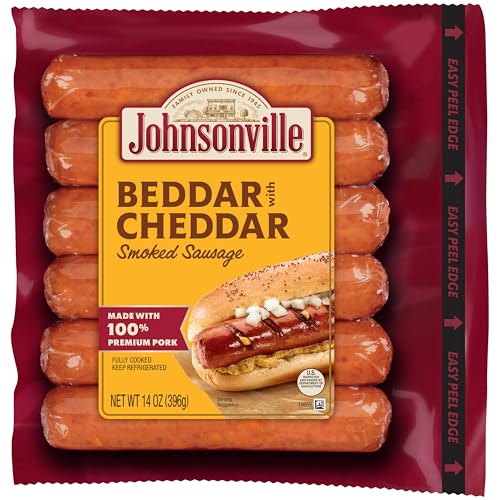
Made with 100% Premium Pork
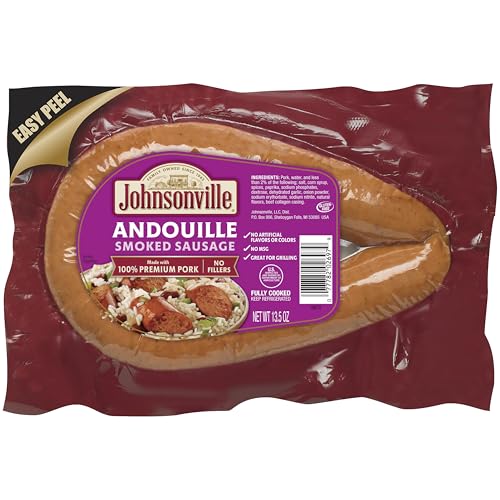
Made with 100% Premium Pork

Premium Smoked Beef Hot Sausage
Safety and Internal Temperature Guidelines
Achieving proper internal temperature is the most critical step in safely cooking smoked sausage in your air fryer. You’ll want to reach a minimum of 160°F for uncooked pork or beef sausage, or 165°F if it contains poultry. Internal temperature monitoring eliminates guesswork and prevents food safety concerns associated with undercooked meat.
Use an instant-read thermometer inserted into the sausage’s center to verify doneness. For the best results, consider investing in a high-accuracy instant-read thermometer that provides fast temperature readings to minimize heat loss during measurement. The most reliable options feature one-second readings and auto-rotating displays for easy visibility in high-heat cooking environments. The ThermoWorks Thermapen ONE is widely recognized as one of the fastest and most accurate instant-read thermometers available for meat cooking applications. Wireless thermometers with wireless range reliability can also help you monitor sausage temperature from across your kitchen, especially models using radio-frequency technology for consistent signal strength. Flip your sausages halfway through cooking to guarantee even heat distribution and accurate readings. For fully cooked smoked sausage, heat through to 160°F minimum. Consider cooking sausage in batches to ensure even browning and accurate internal temperature verification across all pieces. Monitor temperature closely during final cooking to prevent both undercooking and overcooking your sausages. Don’t rely solely on browning or appearance—precise thermometer use confirms safe consumption while preventing overcooking. This systematic approach assures both safety and ideal texture every time.
Tips for Achieving Crispy Results
To bring out the best texture in your air-fried smoked sausage, you’ll want to dial in three key variables: temperature, preparation, and positioning. Start by preheating your air fryer to 400°F—this temperature achieves ideal char and crispiness. For oil quantity adjustments, lightly spray your basket first, then apply a thin coating directly to sausage pieces. This promotes browning without excess grease.
Arrange sausages in a single layer without overlapping, ensuring air circulates freely around each piece. Halfway through cooking, shake the basket or flip pieces to brown both sides evenly. These texture enhancement techniques—strategic oil application and proper spacing—work together systematically. Monitor the final minutes closely, as air fryer variations affect results. Plan for 8-10 minutes total cooking time, adjusting based on thickness and desired crispiness level. For even heat distribution similar to tabletop propane grills, air fryers use consistent heating elements to cook food thoroughly. If you’re cooking in a smaller space like an apartment or balcony, consider whether a compact electric grill might offer a good alternative for sausage preparation, as electric heating elements provide consistent and convenient outdoor cooking options. For best results, cut sausage into 1/2-inch rounds before placing them in the air fryer basket. When selecting cooking equipment for small spaces, portability and cooking area are essential factors to consider for your specific setup. Like portable flat top grills, air fryers prioritize convenience for compact outdoor or indoor cooking scenarios.

Large Size for Family or Entertaining: OPENICE air fryer basket for oven measuring 15.3x11.0 Inch means you can cook more food at once, saving you time and energy. Whether you're feeding a family or entertaining guests, this oven crisper tray and pan set can handle it all.

Durable Construction: Made from aluminum with a non-stick copper coating for long-lasting use.

Applied to: The air fryer replacement basket bottom size is 9.4 x 8.66 inch,height is 4.5 inch,air fryer replacement basket only compatible for Power Air Fryer XL 5.3qt,for Gowise USA Air Fryer 5.8qt.Please confirm the size before purchasing. This air fryer replacement basket only have two screw holes,Please confirm the air fryer basket screw hole before purchasing
Serving Suggestions and Pairings
Your air-fried smoked sausage pairs exceptionally well with complementary dipping sauces and side dishes that enhance its savory, smoky profile. Ranch sauce and honey sriracha complement sliced sausage effectively, while hot mustard and barbecue sauce offer distinct flavor contrasts.
For vegetable pairings, combine your sausage with broccoli florets and mushrooms seasoned with Cajun spices. Sweet potato cubes or baby red potatoes, tossed in olive oil with smoked paprika, Italian seasoning, and black pepper, create balanced meals. You can also incorporate sausage into pasta dishes or serve it over rice with peppers. Since smoked sausage is pre-cooked, it requires minimal cooking time and pairs well with both fresh and roasted vegetables for quick, satisfying meals.
For casual dining, place whole links on buns as traditional hot dogs, or slice and top with sautéed onions and peppers for enhanced entree variations. The cooking time for sausage in an air fryer is typically 5 minutes when added with other vegetables at 390°F. If you have leftover sausage, store it in the refrigerator at or below 40°F and consume within three to four days to maintain food safety. Proper refrigeration temperatures between 0-3°C help prevent the growth of harmful bacteria that can compromise your food safety. To ensure your cooking equipment is sanitary and safe, regularly maintain your grill by removing rust buildup that can corrode metal surfaces. For longer storage, consider freezing cooked sausage] in airtight containers for extended shelf life that can last up to 2 to 3 months or longer when vacuum-sealed.
Batch Cooking and Air Fryer Best Practices
Most home cooks can substantially streamline their meal prep by mastering batch cooking techniques that maximize both air fryer capacity and cooking consistency. You’ll achieve ideal results by loading 6 cups of sausage-vegetable mixture per batch in a single layer arrangement. Pre-portion smoked sausage into uniform sizes to guarantee even cooking across multiple batches.
For batch size optimization, divide large mixtures in half and freeze one batch immediately in labeled bags with cooking instructions. You’ll cook batches at 380°F for initial crisping, adjusting to 400°F during the final 2 minutes. Toss halfway through cooking for uniform browning. Like the bacon sausage bites that cook at 380°F for 10 minutes, proper temperature control ensures consistent results across all your sausage preparations. Using a meat thermometer inserted into the thickest part of your sausage is crucial to verify doneness without overcooking. Multiple batch freezing enables convenient meal preparation—simply confirm all batches reach 160°F internal temperature using an instant-read thermometer before serving. Similar to techniques that slowly release moisture during cooking, allowing sausage to rest briefly after air frying helps retain juices and improves texture. Ensuring even patty thickness across all sausage portions promotes consistent cooking results similar to burger preparation methods. Avoid using aluminum foil to line your air fryer basket, as restricting airflow can result in uneven cooking and hotspots. Be cautious about sharing your cooked sausage with pets, as high fat content in processed meats can pose digestive risks for some animals.



CRISP YOU CAN COUNT ON: Enjoy delicious and extra-crispy meals in a fraction of the time; with a powerful 450°F max temperature, this compact air fryer cooks quicker than a traditional oven and lower-powered air fryers.