
You can safely store unopened smoked sausage in your refrigerator for 2-3 weeks beyond the sell-by date when kept below 40°F. Once you’ve opened the package, you’ll need to consume it within 7 days. Vacuum-sealed varieties may last slightly longer. Always inspect for sliminess, discoloration, or off-odors before eating. Proper storage conditions and timely consumption are critical for food safety. Understanding the nuances of storage methods can substantially extend your sausage’s usability.
Unopened Smoked Sausage Shelf Life
How long you can safely store unopened smoked sausage depends largely on its processing method and packaging. Unopened packaging attributes—particularly vacuum sealing and modified atmosphere packaging—significantly extend refrigerator life. You’ll find that unopened smoked sausage typically lasts 2-3 weeks beyond the sell-by date when kept below 40°F in its original packaging.
Unopened safety factors include the curing process and fat content, which naturally inhibit bacterial growth. Commercial vacuum-sealed products offer superior protection, potentially reaching 6-7 days compared to standard packaging. Hard, dry varieties like salami store even longer unopened. However, you shouldn’t rely solely on dates; always inspect for off-odors or discoloration before use. A MAP blend of 70% CO₂ and 30% N₂ can extend cooked sausage shelf life to 28 days at 4°C when properly applied to commercial packaging. The salt curing and fermentation process that creates the tangy flavor also serves as a natural preservation method that extends shelf life significantly. Proper refrigeration just above freezing around 0-3°C ensures optimal storage conditions for unopened smoked sausage. Smoking fresh sausages to an internal temperature of 160°F ensures the sausages are properly cooked before storage, which contributes to food safety during refrigeration. While the smoking process itself kills surface bacteria temporarily, curing significantly extends shelf life beyond what smoking alone can achieve. When properly stored below 40°F in airtight containers, unopened smoked sausage maintains its quality similar to how cold smoked products preserve their characteristics over time. For quick meal preparation, unopened smoked sausage can be air fried] in under 18 minutes when you’re ready to use it. Maintain consistent cold chain compliance and label your unopened packages with purchase dates for accurate tracking.

🌭High quality edible sausage casings material with HALAL certificate,Grade A, safe and non-toxic, vacuum sealed package.
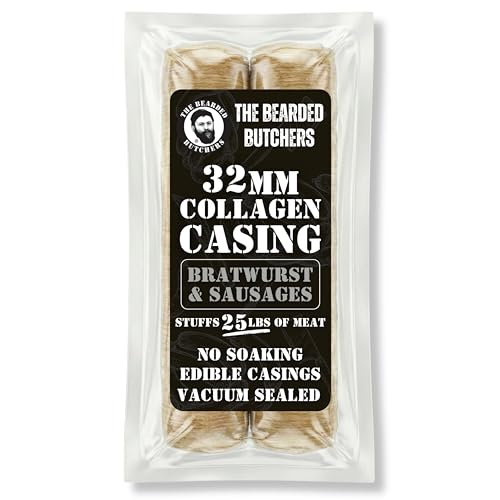
PREMIUM FRESH SAUSAGE SIZE: These 32mm edible beef collagen casings are specifically designed for dinner-sized links, making them the perfect choice for Italian sausage, bratwurst, chorizo, and stadium-style dogs.

Made with 100% Premium Cuts of Meat
Opened Smoked Sausage Storage Duration
Once you’ve opened your smoked sausage package, you’re working within a narrower window than unopened smoked sausage handling allows. You’ll need to consume the sausage within 7 days when refrigerated at 40°F or below. Proper sausage packaging techniques are critical—wrap the opened sausage tightly or transfer it to an airtight container immediately after use. This prevents bacterial growth and oxidation that accelerate spoilage. Without proper packaging, moisture loss degrades texture quickly. Before consuming, inspect for texture changes, unpleasant odors, discoloration, or slime formation. These indicators signal bacterial overgrowth. If any of these signs of spoilage appear, discard the sausage immediately rather than risk foodborne illness. If you’re uncertain about safety, discard the sausage rather than risk foodborne illness. For optimal results when reheating cooked sausage, use low temperature steam reheating methods to retain moisture and flavor. For added food safety assurance, remember that leftover cooked meats should be reheated to at least 165°F before consumption. Just as a tank valve controls gas flow in propane systems, proper storage controls the conditions that affect sausage safety. When storing sausage in the freezer, maintain temperatures of 0°F or lower to prevent bacterial growth and maintain quality. Similar to how rust corrodes metal over time and weakens a grill’s structure, improper storage of sausage allows bacterial growth to compromise food safety. When you can’t finish within 7 days, freeze the wrapped sausage for up to 6 months to extend its usability significantly.

Airtight seal keeps food fresh: Keeps deli items like meats, cheeses, and bacon fresh longer with an airtight silicone seal and leak-resistant clasp. Perfect for keeping your kitchen neat and refrigerator organized.

1/2 cups, 4.7 fluid ounces

Exceptional Culinary Convenience: Our edible Collagen Casings provide an easy-to-use solution for creating perfect sausages every time. No preparation is needed; slide them onto your stuffing tube and watch as uniformly-sized sausages emerge!
Vacuum-Sealed and Packaged Cooked Sausage
Why does vacuum-sealed smoked sausage outlast conventionally packaged varieties? Vacuum sealing removes oxygen, which prevents oxidation that degrades sausage texture and aroma. This oxygen reduction also minimizes bacterial growth, extending your refrigerator storage considerably.
When you vacuum-seal cooked sausage properly, you’ll maintain quality for 1+ years under proper freezer conditions, compared to standard packaging’s 6-month limit. The sealing technique matters—ensure complete oxygen removal for maximum preservation. Your vacuum-sealed smoked sausage retains its original texture and aroma far longer than products stored in ordinary plastic bags. Proper labeling of your vacuum-sealed bags with the sausage type and sealing date is important for food safety and tracking storage duration. However, vacuum sealing does not eliminate refrigeration requirements for smoked meats.
Storage temperature consistency remains critical for vacuum-packed products. Keep your refrigerator at 40°F or below, and your freezer at 0°F or lower. Maintain temperature gauges on both appliances to monitor proper cooling conditions. Position your refrigerator and freezer in a well-ventilated space away from heat sources to ensure optimal performance. Protect your stored sausage by using grill mitts when handling frozen packages to prevent contamination. For propane-based outdoor grills, ensure proper tank removal and storage away from food preparation areas to maintain a safe kitchen environment. Initial sausage freshness also determines how long your vacuum-sealed product remains viable, so start with quality meat for excellent results. Always check that your sausage shows no signs of high fat content or spoilage before consumption.

These plastic vacuum seal bags can be used to store fruits, vegetables, meat, duck's neck and other foods as you like. It also ideal for storing, packaging, sampling, displaying, kitchen storage or home organization.

HEAVY DUTY AND PUNCTURE PREVENTION - 8x12 pre-cut Quart bags with embossed channels increase suction, keep fresh without freezer burn or dehydration
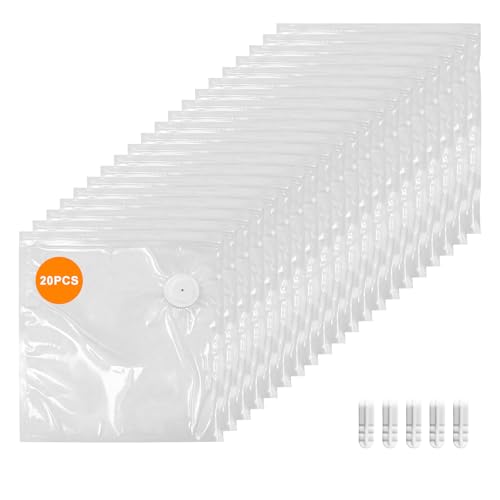
20-Bag Set: Includes twenty 8.5 x 8.5 in reusable vacuum zipper bags and five sealing clips for food storage
Signs of Spoilage and Food Safety Indicators
Several reliable indicators can help you determine whether your smoked sausage’s still safe to eat. Visually inspect for sliminess, discoloration, or mold spots—these signal bacterial growth and spoilage. You should also check for texture changes and liquid separation, which indicate quality deterioration.
Trust your nose. Sour, rancid, or ammonia-like odors suggest microbial contamination. Any “off” smell differing from normal sausage aroma warrants disposal. Keep a fire extinguisher nearby when cooking sausages on your grill to handle potential grease fires safely. Just as cleaning interior grill surfaces with baking soda removes grease buildup, odor detection helps identify dangerous bacterial growth.
However, remember that some pathogens produce no visible or olfactory signs before causing illness. Anaerobic bacterial risks exist in sealed packages without obvious spoilage indicators. Additionally, heat distribution and airflow impact how bacteria develop in food storage environments. Cross contamination sources like packaging materials can introduce harmful organisms undetected. Regular maintenance of your refrigerator’s cleanliness and organization helps prevent bacterial growth on stored foods. For proper preparation of sausages, consider alternative stovetop techniques to ensure thorough cooking and food safety.
When uncertainty exists about storage duration or conditions, discard the sausage. Visual inspection alone doesn’t guarantee safety.

AUTHENTIC WESTERN FLAVOR – Hi Mountain’s Original Spice Blend provides that timeless classic summer sausage taste you crave. These authentic Western flavors will transport your taste buds to the heart of the Wild West.

AUTHENTIC WESTERN FLAVOR – Hi Mountain’s Hunters Spice Blend is a special combination of seasonings that feature garlic, pepper, a hint of hickory and finishing with some heat. These authentic Western flavors will transport your taste buds to the heart of the Wild West.

AUTHENTIC WESTERN FLAVOR – Hi Mountain’s Original Spice Blend provides that timeless classic summer sausage taste you crave. These authentic Western flavors will transport your taste buds to the heart of the Wild West.
Freezer Storage and Long-Term Preservation
Freezing is your most effective method for extending smoked sausage’s shelf life well beyond refrigeration limits. At 0°F (-18°C), you’ll maintain quality for 1-3 months, though vacuum-sealed sausage lasts up to two years from the package date.
Use airtight, freezer-safe containers and label everything with dates. Store in your freezer’s coldest section to maximize preservation. For ideal thawing methods, thaw overnight in the refrigerator—never at room temperature, which promotes bacterial growth. Allow 24 hours for complete thawing and guarantee air circulation around the meat. Vacuum sealing significantly extends the preservation period during frozen storage. Similar to how temperature stability is critical when cold smoking cheese, maintaining consistent freezer temperatures ensures optimal preservation of your smoked sausage. Consider using pellet storage buckets designed for airtight organization to keep your freezer compartment well-arranged. Tightly wrapping your sausage in plastic wrap followed by aluminum foil or placing it in airtight freezer bags minimizes air exposure and prevents freezer burn. Match your storage method to your freezer’s pressure ratings to ensure optimal seal integrity. Just as non-slip textures and liquid dam borders protect outdoor surfaces from grease and spills, proper wrapping barriers protect your sausage from freezer burn and oxidation.
After thawing, consume your smoked sausage within one to two days. Watch for freezer burn and discard affected portions. You can cook directly from frozen if needed, reaching 165°F internal temperature.

VACUUM SEALER BAGS ROLLS: 8"x20' 3rolls+11"x20' 3rolls, XinBaoLong Food Saver Bags Rolls, Commercial Grade, Heavy Duty, BPA Free for Vac Storage, Kitchen Gadgets, Kitchen Accessories

Effortless and Precise Cutting: The 11-inch x 150-feet vacuum sealer rolls include a cutter for maximum convenience. Simply mount the cutter onto the box, pull a portion of the roll through the top opening, and easily customize the size you need. This can ensure smooth, even and straight cuts, significantly faster and more accurate than using scissors, making the process simpler and saving your time.

ECONOMICAL & & TIME SAVING: Total 150 count Bonsenkitchen 20 Gallon 11" x 16"+ 90 Quart 8" x 12"+ 40 Pint 6" x 10" vacuum sealer bags are different sizes of packaging, meet your different usage needs. Vacuum bags are pre-cut and ready-to-use, saving you time whenever you’re preserving leftovers, preparing make-ahead meals, and portioning bulk items in the freezer.Just pull out and use, no need to cut, no need to seal one side before putting food in
USDA Guidelines and Refrigeration Best Practices
While freezing offers extended preservation, your refrigerator’s daily storage conditions matter equally for food safety. You’ll want to maintain an appropriate refrigerator temperature of 40°F or below to maximize sausage shelf life. Position your sausage on the refrigeration shelf placement in your coldest section—typically the back of lower shelves—where temperature consistency remains ideal.
Keep unopened smoked sausage packages in their original packaging until you’re ready to use them. Once opened, consume within seven days. Hard sausage presents an exception, lasting three weeks after opening. Just as proper maintenance extends the lifespan of outdoor equipment, consistent refrigeration practices are essential for preserving food safety and quality. Similar to how raised ridges on grill pans help excess fat drain away for healthier cooking, proper refrigeration spacing allows cold air to circulate freely around stored foods. Premium grill construction using 304 stainless steel materials demonstrates how quality equipment design supports better cooking outcomes and longevity.
Refrigerate leftovers within two hours of cooking; reduce this to one hour if temperatures exceed 90°F. Never rely on smell to judge sausage safety. Instead, follow strict time guidelines and maintain proper temperatures to prevent salmonella and listeria contamination. Keeping a fire extinguisher nearby during food preparation emergencies ensures quick response to any cooking-related incidents. According to a 2023 USDA FSIS study, 22% of home fridges operate above the safe temperature threshold, which accelerates bacterial growth and spoilage. Perishable foods kept in the danger zone temperature range of 41-135°F for extended periods create ideal conditions for harmful microorganisms to multiply rapidly.