

You’ll keep unopened vacuum-sealed smoked salmon fresh for 14-45 days refrigerated, depending on whether it’s hot-smoked or cold-smoked. Once you open it, you’ve got just 3-5 days before it deteriorates. Store it in airtight containers at 35-38°F and watch for discoloration, slime, or off odors. For longer storage, freeze unused portions. Understanding the differences between smoking methods helps you maximize your salmon’s freshness and quality.
Unopened Vacuum-Sealed Smoked Salmon Storage Duration
How long you can safely store unopened vacuum-sealed smoked salmon depends primarily on whether it’s been hot or cold smoked. Hot-smoked vacuum-sealed salmon lasts 14-45 days in your refrigerator according to the USDA Foodkeeper App, while cold-smoked varieties remain fresh for 21-30 days under the same conditions. Your unopened shelf life extends further when you maintain sealed package integrity by storing the product in your fridge’s coldest section, ideally between 35-38°F. Always check the manufacturer’s printed date on your package, as specific brands vary their recommendations. Never open the vacuum-sealed packaging until you’re ready to consume the salmon. Hot-smoked salmon is typically cooked at 200-225°F for 1-6 hours depending on thickness, while cold-smoked salmon requires 6-12 hours at much lower temperatures. If you smoke your own salmon at home, using an electric smoker with precise low-temperature control helps ensure consistent results and proper food safety. To maximize freshness and prevent spoilage, watch for signs such as unpleasant or sour odor, which indicates the salmon has deteriorated and should not be consumed. Proper packaging and refrigeration just above freezing help prevent the growth of harmful bacteria like Clostridium botulinum. While smoked salmon is safe for human consumption when properly stored, the high sodium content in smoked meats makes them unsuitable for pets. If you don’t plan to eat the salmon within its refrigerated timeframe, freezing unopened vacuum-sealed salmon can extend its storage life significantly. When freezing, ensure the salmon is tightly wrapped in its original packaging or placed in an airtight freezer bag to minimize air exposure and avoid freezer burn. Proper refrigeration from your purchase date guarantees maximum freshness and safety throughout the storage period.

Responsibly Farmed or sustainable wild-caught

Farmed in norway

DELICIOUS FLAVOR: Lightly seasoned and gently cured under carefully controlled humidity and temperature conditions. It’s then slowly cold-smoked at 80° F over a fire of locally sourced hardwood to create delicate flavor that is melt-in-your-mouth delicious.
What to Expect After Opening Your Smoked Salmon
Once you’ve opened your vacuum-sealed smoked salmon, the clock starts ticking on its refrigerator shelf life. You’ll typically have 3-5 days to consume it if you reseal it tightly and keep it refrigerated at or below 40°F.
Before eating, inspect your salmon carefully for spoilage indicators. Check for discoloration signs like browning or graying, which suggest bacterial growth. A slimy texture indicates deterioration and means you should discard it immediately. Trust your nose too—an off or foul odor is your primary warning sign. Different types of smoked salmon have varying shelf lives, with organic smoked salmon requiring consumption within just 2 days after opening.
Store opened salmon in an airtight container or wrap it tightly in plastic wrap to minimize air exposure. Refrigerate promptly after each use. Proper storage also requires consistent refrigeration temperatures to maintain quality and prevent spoilage. Hot-smoked salmon that’s properly wrapped can maintain its quality for versatile use in salads, pasta, or as an appetizer. Homemade smoked salmon requires the same careful attention and can last up to one week when stored correctly with proper curing and smoking techniques. If you smoke your own salmon on a pellet grill, ensure it reaches an internal temperature of 145°F during the cooking process for food safety. Whether you’re grilling fresh salmon or storing smoked varieties, using a meat thermometer helps ensure proper food safety temperatures are achieved. For optimal results when smoking salmon at home, allow the fish to rest after smoking to enhance juiciness and preserve its delicate texture. If you won’t finish within a week, freeze it in moisture-proof packaging for up to three months.
Cold Smoked Salmon vs. Hot Smoked Salmon Shelf Life
Because cold-smoked and hot-smoked salmon undergo fundamentally different processing methods, they’ll have markedly different shelf lives in your refrigerator and freezer. Cold-smoked salmon, processed below 90°F, remains uncooked and lasts only one week refrigerated or up to one month frozen. Hot-smoked salmon, smoked above 120°F, undergoes full cooking and pasteurization, extending refrigeration to two weeks and freezer storage up to twelve months.
Your choice between these flavorful smoking techniques depends on both longevity and preference. Cold-smoked varieties deliver a fresher taste with silky texture but require prompt consumption. Hot-smoked salmon offers ideal smoky intensity with a flakier texture and superior preservation properties, making it ideal if you prefer longer storage options or belong to vulnerable populations requiring fully cooked products. Maintaining temperature control at 4°C (39°F) or below is essential for safely extending your smoked salmon’s shelf life. Proper storage in airtight containers prevents freezer burn and maintains quality during extended freezing periods. If you’re smoking salmon on a grill, ensure your grill grates are free from rust buildup, as this can affect food taste with metallic off-flavors and compromise the quality of your finished product. When seasoning your grill grates before smoking, use high-smoke-point oils like refined avocado, canola, or grapeseed to create a durable, non-stick surface that won’t burn during the smoking process. After applying oil to your grates, allow the grill to heat until the oil begins smoking, which typically takes 15–30 minutes to properly season the surface. Installing heat tents above your gas grill burners helps prevent flare-ups and ensures even heat distribution during the smoking process. Using a grill mat on your deck protects the surface from grease splatters and heat damage while you prepare your smoked salmon outdoors.
Best Practices for Refrigerating Smoked Salmon
Three critical factors—temperature control, proper packaging, and timely consumption—determine whether your smoked salmon stays fresh or spoils.
You’ll maximize freshness by maintaining ideal temperature between 32–38°F in your refrigerator’s coldest section. Position your salmon on lower shelves where temperature remains most consistent and stable.
For unopened packages, reseal them properly or transfer to airtight containers to prevent contamination. If you’ve opened your salmon, wrap it tightly in plastic wrap or place it in ziplock bags, eliminating excess air exposure. Store your salmon in airtight containers or freezer bags to prevent freezer burn if you plan to freeze portions for later use.
Proper refrigerator placement matters decisively—avoid storing salmon near the door where temperature fluctuates. Follow the USDA guideline of consuming opened salmon within 3–4 days, though you can stretch to five days maximum. For unopened vacuum-sealed packages, you’ll have up to two weeks before quality deteriorates. Store smoked fish within 3 hours of purchase to ensure optimal freshness and safety. Just as regular maintenance extends the life and performance of equipment, consistent monitoring of storage conditions preserves the quality of your smoked salmon. Between storage cycles, clean your refrigerator shelves with baking soda and vinegar to eliminate odors and prevent bacterial growth that could compromise your salmon’s freshness. Always use a meat thermometer to verify that your refrigerator maintains the proper temperature range for safe food storage. Invest in heavy-duty vinyl food storage bags that resist cracking and weather elements to protect your salmon during outdoor storage or transport.

Airtight seal keeps food fresh: Keeps deli items like meats, cheeses, and bacon fresh longer with an airtight silicone seal and leak-resistant clasp. Perfect for keeping your kitchen neat and refrigerator organized.
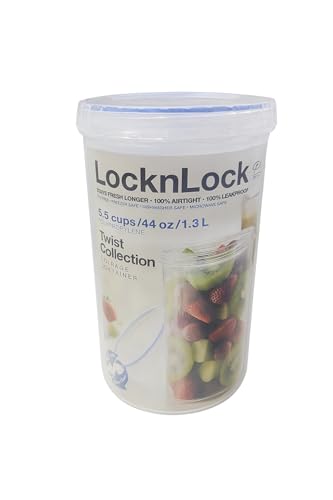
SMART STORAGE: The Easy Essentials Twist 44-ounce storage container provides fresh, stackable storage with an easy-open, easy-close sealing lid

LocknLock Easy Essentials Pantry Airtight Rectangular Tall Food Storage Container, Pasta Box 67.63-oz/ 8.45-cup
Freezing Smoked Salmon for Extended Freshness
While refrigeration works well for short-term storage, freezing dramatically extends your smoked salmon’s shelf life when you won’t consume it within a few days. You can freeze smoked salmon for up to three months with standard wrapping, or six months with airtight storage using vacuum-sealed or ziplock methods.
For the proper freezer storage method, you’ll want to wrap your salmon tightly in plastic wrap or aluminum foil, then place it in a freezer-safe container. Double-wrap with cling film for maximum protection. Label everything with dates using a permanent marker. Minimizing handling reduces the risk of contamination and helps maintain the quality of your frozen smoked salmon. When thawing frozen smoked salmon, thaw in the refrigerator rather than at room temperature to preserve quality and safety.
Maintain ideal freezing temperature range at 0°F or below. Rapid freezing minimizes ice crystal formation, preserving flavor and texture. Freeze in portion sizes before the use-by date for best quality results. When removing frozen portions for use, remember to keep connections clean between your storage containers to prevent cross-contamination. If you smoke your own salmon at home using a kamado grill, proper freezing technique becomes even more important to preserve the unique flavors you’ve created. Consider using accessories like heat deflectors to achieve consistent indirect smoking temperatures that produce the best results for home-smoked fish. For camping trips or outdoor events, portable pellet grills offer excellent temperature control and consistent smoke flavor for preparing fresh salmon on-site. If you frequently prepare large batches of smoked salmon outdoors, investing in a covered grill station can provide weather protection and dedicated prep space for your smoking operations.

Universal Design: Compatible with All 'Clamp Style' Vacuum Sealer Machines

ECONOMICAL & & TIME SAVING: Total 150 count Bonsenkitchen 20 Gallon 11" x 16"+ 90 Quart 8" x 12"+ 40 Pint 6" x 10" vacuum sealer bags are different sizes of packaging, meet your different usage needs. Vacuum bags are pre-cut and ready-to-use, saving you time whenever you’re preserving leftovers, preparing make-ahead meals, and portioning bulk items in the freezer.Just pull out and use, no need to cut, no need to seal one side before putting food in

HEAVY DUTY AND PUNCTURE PREVENTION - 8x12 pre-cut Quart bags with embossed channels increase suction, keep fresh without freezer burn or dehydration