
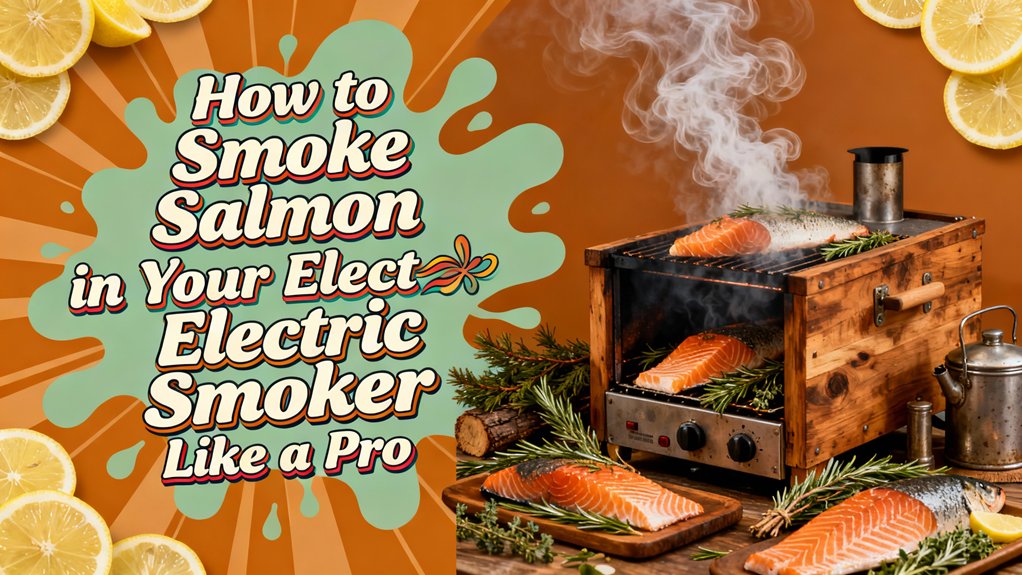
You’ll achieve restaurant-quality smoked salmon by starting with thick King or Atlantic fillets and applying an even dry rub of brown sugar, kosher salt, black pepper, and dill. Set your electric smoker to 160-180°F and use alder wood for delicate, buttery smoke. Monitor the internal temperature until you’re reaching 140°F, then glaze lightly with butter during the final 30 minutes. Let your salmon rest before serving. There’s considerably more technique involved in mastering each stage.
Selecting and Preparing Your Salmon
Before you fire up your electric smoker, you’ll want to choose the right salmon species for the job. King salmon delivers rich, buttery smoke flavor thanks to its high oil content, while Atlantic salmon provides versatility and prevents drying with its fatty composition. If you’re prioritizing wild caught sustainability, opt for wild Coho, though it requires careful handling due to its leaner nature, and avoid using wild-caught Sockeye salmon for smoking as it is not ideal for this preparation method.
Once you’ve selected your species, prepare your fillets properly. Choose large, meaty cuts with adequate fillet thickness considerations—thinner fillets cook too quickly and dry out. Remove pin bones using pliers for clean presentation, then trim any excess belly fat to guarantee even smoking and consistent flavor distribution. Leaving the skin on can help retain moisture during the smoking process, which is especially beneficial when working with an electric smoker. To develop optimal texture and appearance, chill your brine in the freezer or refrigerator until completely cold, then submerge the salmon fillet for up to 12 hours before rinsing and patting dry. Like grilling on cedar planks, proper moisture retention is essential for achieving professional results. For smoking salmon, alder, apple, and cherry wood are ideal choices that complement the fish’s delicate flavor without overpowering it. Using a digital meat thermometer will help you monitor doneness and ensure your salmon reaches the proper internal temperature. For any leftover smoked salmon, store it in the freezer using airtight freezer bags to minimize air exposure and prevent freezer burn. Proper preparation sets the foundation for professional results in your electric smoker, and avoiding overheating during smoking] will prevent albumin leakage and maintain the moisture content of your finished product.
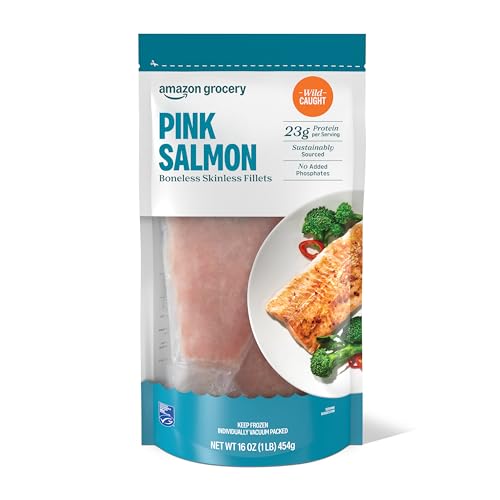
1-pound resealable bag of pink salmon skinless fillet portions, individually vacuum sealed

WHAT'S INSIDE: 1-pound resealable bag of frozen sockeye salmon boneless, skin-on fillet portions

Brought to you by Whole Foods Market. Our standards are what set us apart, and our quality is what keeps us Stocking pantries, fridges and freezers with the best natural and organic 365 Everyday Value products every day.
Mastering the Dry Rub and Seasoning Technique
Now that you’ve selected and prepped your salmon fillets, you’re ready to build layers of flavor through seasoning.
Start by patting your salmon completely dry with paper towels—this guarantees optimal rub adhesion. Mix your base ingredients: 1-3 tablespoons brown sugar, 1 teaspoon kosher salt, and ½-1 teaspoon black pepper. Add 1 teaspoon dried dill weed for classic herbal notes, adjusting to ⅓ teaspoon if you prefer gentler flavors.
Apply the mixture evenly across the flesh side, concentrating on thicker portions for consistent flavor distribution. Your seasoning application timing matters vastly: refrigerate for one hour minimum, or up to 24 hours for deeper penetration and pellicle formation. Cast iron griddles excel at maintaining even heat distribution across protein surfaces, which similarly applies to achieving consistent seasoning penetration throughout your salmon. For even more depth of flavor, you can substitute maple syrup for the brown sugar in your rub mixture. Using high smoke point oils can enhance your seasoning mixture if you prefer a paste-like consistency for better adhesion. Consider how handle design and grip comfort affect your ability to apply seasonings evenly across larger salmon fillets. A non-slip texture on your work surface helps prevent fillets from shifting during the seasoning application process. The 486 square inches of cooking surface on professional-grade griddles demonstrates the importance of even heat distribution when working with precision seasoning techniques.
With rub ingredients optimization, consider adding 1-1.5 teaspoons smoked paprika or garlic powder for complexity. This methodical approach transforms your salmon into a professionally seasoned centerpiece.

Delicious Seasoning for Salmon and all kinds of seafood

Classic Salmon Rub – Made in the PNW, this dry rub was inspired by the Northwest’s favorite fish and adds amazing smoky flavor to any meal.

Bold Flavor for Seafood Lovers: Whether you're grilling, baking, or pan-searing, Salmon Magic Seasoning brings out the best in every bite; This seafood seasoning is crafted for salmon but works just as well on shrimp, crab, and other fish, making every dish taste special
Understanding Your Electric Smoker Equipment
Your electric smoker’s control panel is your command center for precision cooking, and mastering it guarantees you’ll achieve consistent results every time. Press the on/off button to display current temperature, then use the temperature button to set your desired level—typically 160°F for smoking salmon. Use the clock-shaped time button to set your cooking duration up to 24 hours.
Understanding controlling temperature swings is essential. Char-Broil smokers commonly exhibit 20-25°F differences between your set temperature and internal readings. Adjust air vents from wide-open to nearly closed to stabilize heat. Setting the smoker 10°F over your intended cooking temperature helps ensure consistent smoking and prevents wood chip combustion issues. For added convenience, consider models with Bluetooth remote temperature control to monitor and adjust your smoker from a distance. To verify which reading is accurate, test your probes in boiling water at your elevation to identify any calibration discrepancies between sensors. Top electric smokers now offer WiFIRE technology for seamless remote monitoring and control via smartphone apps. Before initial use, inspect and clean the interior surfaces to prevent residue from affecting food quality. Like pellet grills, properly seasoning your smoker before first use will burn off any manufacturing residues that could impact your food. Models with reliable Wi-Fi or Bluetooth connectivity paired with quality app functionality allow you to make real-time adjustments without opening the smoker door. Use independent digital thermometers rather than relying solely on your smoker’s sensor for accurate meat temperature monitoring smoke output. This dual-monitoring approach safeguards perfectly smoked salmon every time.


Product Applications: 1650W Universal Electric Heating Element for Electric Smokers and Electric Grills. Compatible with Smoke Hollow, Masterbuilt, Char-Broil, Cuisinart, and Dyna-Glo. Please ensure it matches your model number

Alarm Output: With 1 alarm relay output, AC250 V, 3 A (Resistive load), ON or NC, you can wire a buzzer
Choosing the Right Wood Chips for Flavor
What separates mediocre smoked salmon from exceptional results? Your wood chip selection. Alder wood stands as the gold standard, delivering delicate, buttery smoke that complements salmon’s natural flavor. Apple wood offers subtle sweetness with cooler burn characteristics, while cherry provides more intense fruity notes and beautiful red coloration.
For electric smokers, you’ll want quality wood chips sized for shorter smoking times and consistent smoke generation techniques. Maintain your wood moisture content at the ideal level—neither too wet nor bone-dry—to ensure controlled, even smoking throughout your session. Mild wood flavors like alder, cherry, and maple work best for salmon and should be your primary consideration when selecting from available options. Pecan wood, while slightly hotter burning than maple, can add a hint of nuttiness to your smoked salmon if you prefer more robust flavor development. Always avoid softwoods such as pine or cedar, which cause flare-ups and bitterness that will compromise your salmon. Pay attention to pellet quality and consistency as these factors directly affect smoke quantity and flavor intensity in your smoker. Always source high-quality, fresh, 100% natural chips from trusted retailers to avoid mold or pests that can compromise your smoking results. Look for wood with low moisture content to ensure clean burns and optimal smoke production throughout your smoking session.
Consider blending woods to develop custom profiles. Combine alder with oak for balanced intensity, or add fruitwoods for enhanced complexity. Oak’s medium smoky profile pairs particularly well with alder for creating layered salmon flavors. This methodical approach lets you craft signature flavor profiles while respecting salmon’s delicate nature.
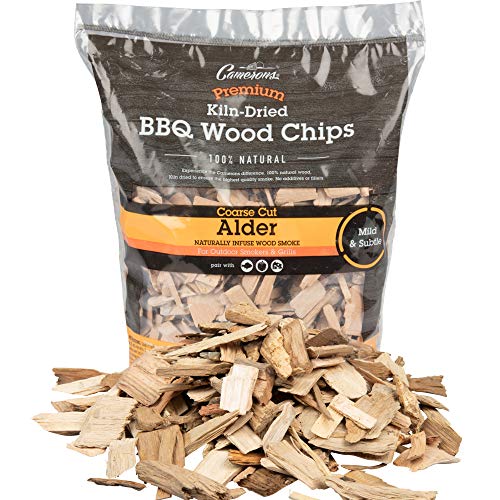
Alder BBQ Smoker Wood Chips. Ignites quickly and combusts completely to create a delicate smokey flavor. The essential fuel for your best BBQ yet - perfect for Memorial Day kick-offs, Father’s Day gifting, 4th of July feasts, and every backyard celebration through the height of grilling season.

Alder Flavor

Natural Alder Hardwood Pellets: Made from all-natural alder hardwood sawdust with no fillers, binders, or additives, providing a clean-burning pellet fuel for consistent outdoor cooking and smoking
The Low-Temperature Smoking Phase
Once you’ve prepared your salmon and selected your wood, the low-temperature smoking phase becomes the foundation of exceptional results. You’ll maintain your electric smoker between 65°F and 85°F, never exceeding 86°F to prevent premature cooking. Position your fillets skin-side down on oiled grates, ensuring they’re elevated for complete smoke circulation around each piece.
During this critical phase, you’ll monitor temperature fluctuations closely, inserting a thermometer into the fillet’s center without disrupting placement. Continuous smoke flow is essential—your generator must sustain steady smoldering throughout the 12-16 hour duration. Proper airflow maintenance allows smoke to envelope the salmon while supporting ember sustainment. Avoid using softwoods like pine or cedar as they contain resin compounds that impart undesirable flavors to your delicate fish. For optimal results, seek out 100% natural hardwoods like those recommended for premium smoking to enhance flavor development during your 12-16 hour smoking session. Mixing hardwoods with mild fruit woods such as alder can provide an ideal balance of smoke intensity specifically suited for delicate seafood. For optimal results, smoke your salmon for 12 hours typically to achieve the desired balance between flavor development and texture. This methodical approach prevents albumin bleed while dehydrating and lowering pH through smoke exposure, creating that distinctive cold-smoked character you’re after. The omega-3 fatty acids in salmon are preserved through this low-temperature process, maintaining the nutritional benefits that make smoked salmon a healthy choice. Cold-smoking at these low temperatures also allows you to achieve safe internal temperature development gradually without the risk of overcooking your delicate fillets.
Transitioning to Secondary Heat and Monitoring Progress
After your salmon’s spent 12-16 hours in the low-temperature phase, you’ll gradually raise the smoker temperature to avoid albumin bleed—that white protein exudation that compromises both appearance and texture. Shift from 120°F to 150-160°F over two hours, then increase to 175°F for the final 1-2 hours.
Use temperature monitoring techniques to track progress. Insert an instant-read thermometer into the thickest section, checking for 145°F internal temperature. Employ the flake test—properly cooked salmon separates easily with a fork. Observe the center for translucency; opaque flesh indicates doneness. A properly formed pellicle creates a protective barrier that further prevents albumin from surfacing during the smoking process. For best results, choose a mild hardwood like alder or maple to maintain the subtle smoke flavor throughout this critical phase. When selecting between fruitwoods and traditional smoking woods, mild, sweet fruitwoods pair exceptionally well with delicate fish like salmon. Alder wood is particularly prized for smoking fish due to its delicate, slightly sweet flavor profile that complements the natural richness of salmon without overpowering it.
Your heat alteration adjustments should remain gradual and deliberate. Maintain skin-side-down placement for even exposure. Keep smoke consistent throughout this phase, selecting high-quality pellets with minimal ash to ensure clean, reliable combustion during the extended cooking time. For optimal smoke delivery, consider using a hexagon-shaped smoke tube that provides consistent smoke output without taking up excessive grill space. Like cheese smoking, allowing your salmon to rest after cooking helps the smoke flavor mellow and integrate more thoroughly into the flesh. Then rest your salmon 5-10 minutes on a cooling rack post-cooking.
Glazing and Flavor Enhancement Strategies
Apply glazes after your first hour of smoking to avoid excessive charring while balancing thickness—thin layers build complexity better than heavy coatings. Baste every 30 minutes for candied textures, or every 10 minutes for glossy finishes. This frequent application prevents drying by maintaining surface moisture throughout your smoke. The maple orange glaze should be brushed onto your salmon every hour during the smoking process to develop both flavor and texture. A maple syrup, thyme, and minced garlic glaze creates an excellent balance of sweetness and savory notes for a sophisticated flavor profile.
Consider maple syrup combined with orange juice for classic synergy, or add honey-thyme-garlic for herbal depth. Hoisin-sriracha glazes deliver umami heat if you prefer savory profiles. Like bacon smoking, resting your salmon on paper towels after removal helps drain excess moisture and prevents a greasy finish. Soaking glazed proteins in salted water before smoking, similar to steaming in husks, can enhance moisture retention during the cooking process. Apply your final layer immediately after removal for a tacky, smoke-infused finish. Proper storage in an airtight container refrigerated below 40°F will help maintain the quality of your smoked salmon after smoking is complete, with refrigerated smoked salmon typically remaining fresh for up to 4 days when stored properly. To prevent the growth of harmful bacteria and ensure food safety, inspect your smoked salmon daily for any signs of mold or spoilage. Your wood choice matters too—applewood complements maple beautifully, while cherry and pecan add complexity.

DEVELOPED WITH ACCLAIMED ARTIST - Formulated in partnership with ceramic artist, Nancy Sowder
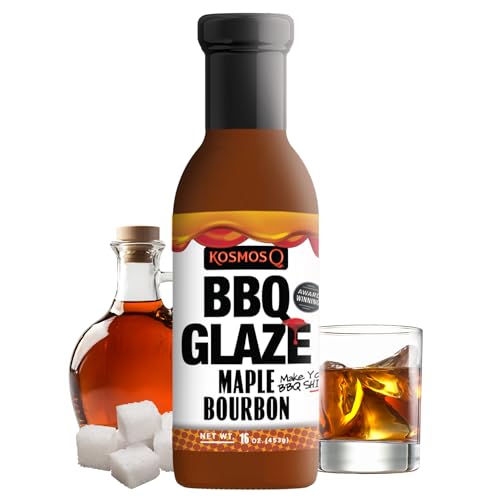
SWEET & SAVORY MAPLE BOURBON FLAVOR: Crafted with rich maple syrup and authentic Kentucky bourbon, this BBQ glaze adds bold sweetness and subtle smokiness to every bite.

Stackable cones are easy to store
Determining Doneness and Internal Temperature
How you determine when your salmon’s perfectly cooked separates mediocre results from exceptional ones. You’ll insert your meat thermometer into the thickest part of the fillet for proper thermometer placement, guaranteeing accurate readings. Aim for 120-125°F internally—this delivers moist, flaky flesh without the sawdust texture that 145°F produces.
Account for carryover cooking impact, which continues raising temperature slightly after you remove salmon from heat. Pull your fillet at 120°F for rare or 125°F for medium-rare, allowing residual heat to work in your favor. Since salmon has typically been frozen for weeks before smoking, this preprocessing helps combat botulism when combined with proper curing and salt application. Wild salmon cooks faster due to its lower fat content, so monitor your smoking times accordingly. Using a meat thermometer to monitor internal temperature ensures consistent results across different smoking conditions. A quality thermometer with one-second readings will help you quickly verify your salmon reaches the target temperature without prolonged probe insertion. Allowing the salmon to rest after smoking helps redistribute juices before serving, similar to proper resting techniques used with other proteins. Using a foil packet method can help retain moisture and prevent the salmon from drying out during the smoking process.
Don’t rely on visual cues alone. Flaking appearance doesn’t guarantee food safety. While smoked meats can contain mild carcinogens, continuous temperature monitoring throughout smoking rather than depending on time estimates, ascertains you’ll achieve your desired doneness level consistently.
Resting, Serving, and Storage Tips
Once you’ve pulled your salmon from the smoker at the perfect temperature, the resting phase determines whether you’ll enjoy moist, tender flesh or dry, disappointing results. Let your salmon rest for 10 minutes, then transfer it to a platter and cover it loosely with foil for 15-20 minutes. This loose foil covering technique prevents steaming while allowing carryover cooking and juice redistribution. Next, position your salmon on a cooling rack for 5-10 minutes before serving. For storage, cool it completely on the rack for a full hour before refrigeration. You’ll achieve ideal texture through even heat distribution and proper cooling rack positioning. Like turkey, using a digital probe thermometer ensures you remove your salmon at the optimal internal temperature for both safety and moisture retention. For the most precise temperature monitoring, consider models with ±0.5°F accuracy and wireless range capability to guarantee your salmon reaches the ideal doneness without overcooking. Once rested, slice or portion your salmon to maintain moisture, then refrigerate wrapped in plastic for up to 10 days or freeze for extended preservation.