
You’ll smoke baked potatoes to perfection in 3–4 hours at 225°F, 60 minutes at 375°F, or 1.5–2 hours at 275–400°F. Target an internal temperature of 205–210°F in the thickest center using an instant-read thermometer—don’t rely solely on elapsed time. Coat your russet potatoes with olive oil, poke steam vents, and season generously with garlic salt and pepper. Your ideal cooking method depends on whether you prioritize crispy skin or speed, and understanding these variables transforms your smoking results considerably.
Temperature and Doneness Indicators
How do you know when your smoked potatoes have reached perfect doneness? You’ll target an internal temperature of 205-210°F in the thickest center section—this range guarantees starches fully gelatinize while maintaining desirable moisture. Use an instant-read or leave-in probe thermometer for consistent temperature monitoring consistency. Insert your probe into the potato’s center, checking multiple potatoes individually to achieve probe placement consistency across your batch.
Beyond thermometer readings, verify doneness through tactile assessment. Your fork should pierce the flesh with minimal resistance, similar to room-temperature butter. The skin should appear crispy and dried, while the interior remains firm yet yielding. Steam escaping from vents signals advanced cooking stages. The radiant heat from the smoke chamber penetrates the potato’s interior, cooking it evenly from the outside in. Like turkey smoking, maintaining consistent smoker temperature between 250°F and 275°F ensures even cooking throughout your batch. For optimal results, rotate potatoes periodically to ensure even heat distribution and consistent browning. Quality grills like the Weber Genesis SX-335s offer even heat distribution that supports reliable potato smoking. Combine temperature verification with these physical indicators to confirm your potatoes have reached perfection before serving. Smoking potatoes at the right temperature with fruit wood creates the ideal sweet smoke flavor that enhances the velvety texture. Testing doneness through fork tenderness checks ensures your baby potatoes achieve the ideal texture without undercooking. For best results, serve potatoes immediately or allow them to cool completely before storing for later reheating.
Low and Slow Smoking Method (225°F)
Once you’ve confirmed your potatoes are approaching that 205-210°F target, the low and slow smoking method at 225°F becomes your primary approach for achieving perfectly smoked baked potatoes. This temperature range optimizes smoke ring development while preserving the potato’s inherent moisture retention. You’ll maintain consistent heat without overcooking the interior texture, which becomes problematic at higher temperatures.
Plan for 3 to 4 hours minimum, adjusting based on potato size. Smaller varieties finish in 2 hours, while larger russets demand 6-8 hours. Your smoker’s accuracy matters greatly, as temperature fluctuations directly impact cooking duration. Implement moisture retention techniques by coating potatoes with olive oil before seasoning—this prevents excessive drying while promoting skin crispness. For superior results, consider the twice baking method which creates a crispy skin and fluffy interior that surpasses single-bake potatoes. Like brisket smoking, achieving perfect results requires precise temperature control to ensure even cooking throughout. Adding wood chunks such as mesquite or oak will enhance the smoke flavor of your potatoes. The stall phenomenon, where cooking slows due to moisture evaporation similar to the brisket temperature plateau, may also occur with potatoes requiring patience and monitoring. Like smoking brisket, factors such as potato size, smoker type, and heat consistency can affect total cooking time. After smoking is complete, remember to safely cool your smoker by closing all vents to cut off the oxygen supply and allow the coals to extinguish naturally. Monitor internal temperature carefully rather than relying solely on elapsed time.

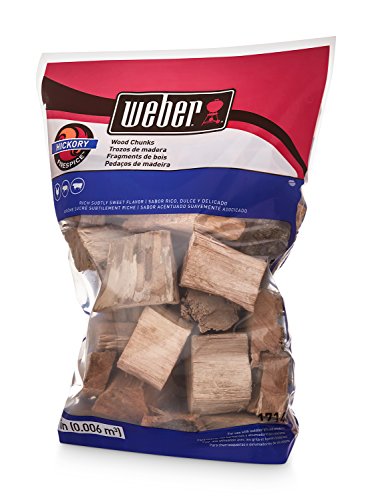

Hot and Fast Smoking Method (375°F)
For quicker results without sacrificing that coveted crispy exterior, the hot and fast smoking method at 375°F drastically reduces your cook time to approximately one hour. You’ll achieve superior crispy skin texture by maintaining steady, high-temperature heat that renders the potato skin effectively.
Start by preheating your pellet smoker to 375°F, ensuring even heat distribution throughout the cooking chamber. Place prepared potatoes directly on grill grates with the lid closed for the initial 30 minutes. Rotate them halfway through to guarantee consistent cooking across all surfaces. Monitor probe temperatures every 15 minutes, as they may shift during the cooking process. For best results, rub the potato skin with oil or tallow before placing them on the smoker to enhance crispness and help the seasonings adhere. For outdoor cooking setups, stainless steel griddles can also be used as an alternative cooking surface for potatoes if you prefer a flat cooking platform. Consider adding mesquite or maple smoking wood to impart your preferred flavor profile to the potatoes. Refined oils with high smoke points are ideal for this preparation, as they allow the oil to withstand the elevated smoker temperatures without burning. You can further elevate your smoked potatoes by pairing them with a melted herb butter infused with garlic, honey, and herbs.
Target an internal temperature of 205°F for ideal tenderness. Your potatoes’ll be ready in considerably less time than traditional low-and-slow methods, making this technique perfect when you’re pressed for time.

Graza Frizzle Oil Made from 100% Olives: A neutral-flavored, high heat cooking oil made from 100% peak harvest olives. With a smoke point of up to 450 degrees, Frizzle is your high-heat kitchen hero. 1 bottle/750ml.

Light Buttery Flavor That Elevates Every Meal: Algae Cooking Club Chef-Grade Algae Oil enhances every dish with subtle richness. Its neutral profile makes it ideal for searing, baking, and dressings, transforming everyday meals into gourmet experiences.

America's #1 Avocado Oil for Cooking — Every batch of Chosen Foods avocado oil is independently tested to confirm 100% pure avocado oil with no fillers or seed oil blends. Our purity standard was verified by UC Davis as one of only two avocado oil brands to pass their rigorous quality test. This bottle delivers the clean, neutral taste and consistent high-heat performance that has made Chosen Foods the avocado oil of choice for home cooks, professional chefs, and clean-eating households across the United States.
Medium Heat Smoking Method (275-400°F)
The medium heat smoking method strikes an ideal balance between the low-and-slow approach and high-temperature cooking, offering you flexibility across a 275–400°F range that’ll accommodate various timing needs and desired skin textures. At 375°F, you’ll achieve completion in approximately 60 minutes while developing excellent smoke ring development. Lower temperatures like 275°F extend cooking to 1.5–2 hours but yield superior tenderness. Maintaining optimum humidity levels inside your smoker prevents excessive moisture loss while promoting crispy exteriors. Monitor internal temperatures starting at the 45-minute mark, targeting 205–212°F for perfectly fluffy potatoes, similar to how fall-off-the-bone tenderness is achieved when cooking other foods to their ideal internal temperature. Oil-brushed, fork-perforated unwrapped potatoes cook faster and develop crispier skin. Using Russet potatoes ensures consistent results due to their low moisture and high starch content. This medium heat range provides enough heat to brown and tenderize food without harsh charring, ensuring your potatoes develop excellent flavor and texture. Keeping your smoker lid closed as much as possible while monitoring with lid thermometers or digital probes stabilizes temperature and ensures even cooking throughout the smoking process. Set a leave-in probe thermometer to alert you when potatoes reach the target temperature for precise doneness monitoring. Proper heat distribution and vent management across your smoker chamber helps prevent hot spots that can cause uneven cooking, much like how consistent smoker temperature is critical when smoking brisket to avoid the stall phase that can extend total cooking time. This versatile range lets you adjust based on potato size and your schedule without compromising quality results.

More Stable Than Bluetooth: Our advanced RF technology ensures a stronger, more reliable connection than Bluetooth. This smoker thermometer provides the freedom to move around without losing connection! Monitor your BBQ from up to 1,000 feet away!

BBQ HI/LOW temp range alarm: Set your desired food temp and HI/LOW temp range for your grill or smoker to know when to add more fuel smoker thermometer will flash and beep to remind you if the temperature ever goes out your set range; HI/LOW temp range alarm is specifically designed for usage with smokers, grills and BBQs

Bluetooth Monitor Remotely: Govee Bluetooth meat thermometer lets you check the temperature of your grill, smoker, or oven from your phone. With this smart BBQ thermometer, you can multitask while grilling.
Preparation and Setup
Before you fire up your smoker, you’ll want to nail down your potato selection and prep work—this foundation determines whether you’ll achieve that perfect balance of crispy skin and fluffy interior. Select medium to large russet potatoes, guaranteeing proper potato storage in cool, dark conditions beforehand. Wash each potato thoroughly under running water, removing all soil and debris. Employ effective drying techniques by patting surfaces completely dry with paper towels or clean cloth—moisture interference compromises seasoning adherence and skin crisping. Poke 4-10 fork holes across the entire surface to allow steam escape during smoking. For quicker cooking and more even texture, consider cutting potatoes in halves or quarters rather than smoking them whole. Apply 1-2 tablespoons of olive oil or bacon fat per potato, coating all surfaces evenly. If you’re smoking on a deck, consider using a grill mat for decks to protect your outdoor surface from grease and spills. A grill gazebo with hardtop can also provide excellent weather protection and a dedicated cooking space for your smoking setup. A perforated grill basket can also help maximize surface area exposure to smoke for more even cooking and better char development. Liberally season your potatoes with garlic salt and black pepper to create a well-seasoned exterior that will develop into a flavorful, crispy coating during the smoking process. For easy cleanup after smoking, ensure your grill mat is non-absorbent to grease and oils so spills wipe away effortlessly. This preparation ensures optimal smoke penetration and consistent results.

100% Safe & Non-Stick: 100% Non-Stick bbq grill mat mean you could grill without grease.The copper grill mat prevents even the smallest morsels from falling through the grates. Keep your grill looking like brand-new and no more clean-up of your dirty grill
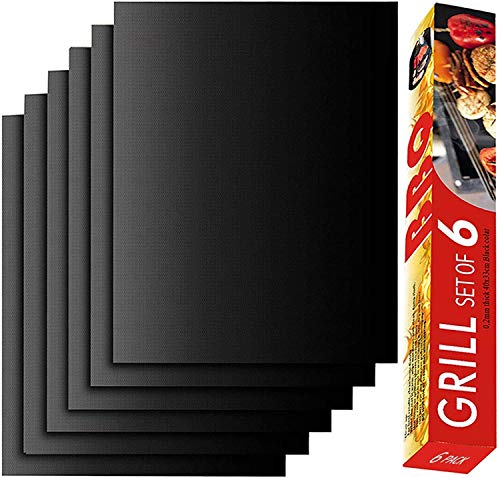
1.NO BETTER CHOICE - Thicker does not mean better. Our grill mat is thin enough to leave grill marks and flavor intact,and thick enough to provide ultimate heat resistance and durability.6 pack of grill mats can meet the needs of the dinner from time to time; when they are spare, you can cut them to any size or shape to fit any need. Also doubles as a bake mat
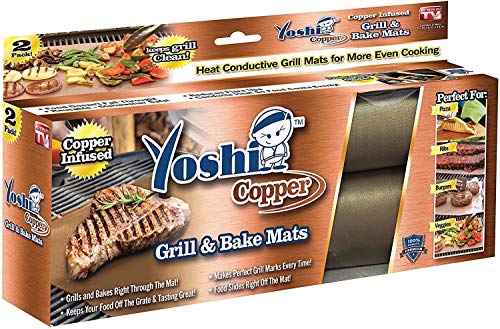
Complete Set for Grilling and Baking: Includes 2 copper-infused grill and bake mats in each box, with each mat measuring 15.75 inches by 13.1 inches for versatile cooking applications
Resting and Serving Guidelines
After you’ve removed your potatoes from the smoker, resist the urge to cut into them immediately—you’ll want to let them rest for 10-15 minutes depending on their size. This resting period allows starches to stabilize, preventing a gummy texture that results from premature cutting. Temperature equilibration occurs throughout the potato’s interior during this window, while trapped steam releases gradually rather than escaping violently when you slice. The National Center for Home Food Preservation emphasizes that internal temperatures above 205°F ensure complete starch gelatinization and eliminate any food safety concerns before serving. Like smoking meat, proper rest times after cooking are essential for optimal results. Just as brisket requires low and slow cooking to break down collagen effectively, potatoes benefit from the same patient approach to achieve ideal texture. Using a reliable probe thermometer will help you verify that your potatoes have reached the optimal temperature throughout. The key metric] for determining doneness is reaching the proper internal temperature rather than strictly adhering to cooking time. Maintaining consistent smoker temperature throughout the cooking process ensures even doneness and helps achieve that perfect tender texture.
Once cooled slightly, slice potatoes open and fluff interiors with a fork for restaurant-quality presentation. This technique increases surface area for topping absorption. When selecting flavor pairings, embrace lighter options—sour cream and chives, smoked bacon bits, or caramelized onions—that complement without overwhelming the smoke’s subtle wood notes. Russet potatoes absorb these toppings exceptionally well due to their ideal starchy composition. Preserve your smoked potato’s natural character as the star component.
Choosing the Right Smoking Temperature for Your Needs
Once you’ve mastered basic technique, selecting your smoking temperature becomes the primary lever for controlling both flavor intensity and cooking duration. Your ideal temperature ranges span from 225°F for subtle smoke infusion intensity to 400°F for expedited results with crispy exteriors.
At 225°F, you’ll achieve fork-tender potatoes in roughly two hours while maximizing smoke absorption. Medium temperatures (250-275°F) balance cooking speed and flavor development within two hours. Higher ranges (325-375°F) reduce cooking time to 90 minutes while producing crispier skin. At 400°F, you’ll finish unwrapped potatoes in just one hour with favored texture. For optimal smoke flavor, consider using Hickory or competition blend pellets that provide the strong smoky taste that complements baked potatoes. Top brands like CookinPellets 100% Hickory deliver premium quality with minimal ash and bold smoky-sweet flavor. Avoid softwoods like pine or cedar, as resinous softwoods create bitter, unpleasant smoke that will negatively impact your potatoes. Different pellet blends can significantly enhance your results depending on your grill’s smoking characteristics. Lump charcoal generally burns hotter and cleaner than briquettes, which can affect your temperature control strategy. For consistent medium heat and longer burn times, briquettes work well in offset smokers and other low-and-slow setups. Pierce each potato with a fork before smoking to ensure even heat penetration and consistent doneness throughout.
Match your chosen temperature to your priorities: prioritize smoke infusion with lower temperatures, or prioritize speed and skin crispness with higher settings. All methods target 205-210°F internal doneness.

HICKORY WOOD FIRED FLAVOR: Traeger Hickory Hardwood Pellets are great for naturally enhancing beef, chicken, pork, and veggies with full-bodied, bold flavor. So it should come as no surprise that Hickory’s assertive flavor is one of the most popular choices for classic BBQ cooking.

Premium Blend Composition: Features a carefully crafted mixture of maple, hickory, and cherry hardwoods designed specifically for competition-level BBQ grilling, delivering a balanced and complex smoke flavor profile to enhance your meats and other grilled foods

KINGSFORD CRAFTSMOKE PREMIUM WOOD PELLETS: Introducing Craftsmoke, the premium line of natural hardwood pellets, crafted in small batches for the chef in all of us; pack may vary
Common Mistakes to Avoid When Smoking Potatoes
Five critical mistakes’ll sabotage your smoked potato results, and most stem from overlooking fundamental preparation and technique. First, you’ll compromise moisture content by selecting inconsistent potato sizes, causing uneven cooking across your smoking equipment. Second, improper hole-puncturing creates problems—too few holes risk steam buildup and bursting, while excessive poking dries out interiors. Third, wrapping potatoes in foil eliminates wood smoke flavor absorption entirely, defeating your smoking purpose. Fourth, inadequate oil and seasoning leave surfaces dry with poor adhesion. Finally, temperature errors prove costly; smoking below 225°F yields dense, off-white interiors, while insufficient time at correct temperatures leaves potatoes hard and undone. Test doneness with a fork and maintain consistent sizing for predictable results across your batch. For best results, consider using quality equipment like a gas grill with sear burner to maintain precise temperature control throughout the smoking process, similar to how premium grills feature high searing performance for optimal cooking results. Starchy potato varieties like Russet or Idaho potatoes break down easily during smoking for a fluffy, creamy texture that waxy potato types cannot achieve. Smoking potatoes on medium-high heat around 400°F to 450°F creates an ideal environment for developing smoky flavors while ensuring even cooking throughout your batch. Proper heat distribution across your smoking chamber ensures that all potatoes cook uniformly without hot spots that could char some while leaving others undercooked. Just as expert sources recommend grilling steaks at higher temperatures for better sear, maintaining proper heat levels is essential for achieving optimal texture and flavor development in smoked potatoes.