You’ll achieve perfectly smoked meat by mastering three critical variables: temperature, timing, and internal doneness targets. Most meats thrive between 225°F and 250°F, though you’ll adjust based on your smoker type. Beef brisket demands 10–20 hours, while pork butt requires 1.5 hours per pound. Always use a calibrated thermometer to verify internal temperatures—brisket hits 190°F–205°F, poultry reaches 165°F. Maintain temperatures above 140°F for food safety. The specifics vary considerably across different cuts and proteins.
Understanding Smoker Temperature and Timing Basics
Since mastering temperature control is fundamental to smoking meat successfully, you’ll want to nail down the ideal ranges before you fire up your smoker. You’ll find the excellent range spans 200° to 220°F for low and slow cooking, though most meats thrive between 225°F and 250°F. Smoker type considerations noticeably affect your approach—some models run efficiently at 250°F while others maintain steadier results at lower temperatures. Budget-friendly options like the Pit Boss 440 SERIES offer reliable digital temperature control for consistent results throughout your smoking session. Models with PID temperature controllers provide enhanced stability for maintaining your target cooking temperature throughout the smoking process. Pellet grills, in particular, excel at maintaining precise temperature settings with minimal manual adjustment required during your cook. Before your first smoking session, consider seasoning your grill to burn off any manufacturing residues and ensure the purest smoke flavor. Most pellet grills use an automatic startup procedure that feeds hardwood pellets into the fire pot through an auger system, eliminating the need for manual ignition.
Smoke timing variations depend heavily on size, thickness, and your target internal temperature. You’re looking at roughly 1 to 1.5 hours per pound for brisket and pork butt at 225°-250°F. Remember, thermometer verification always overrides time estimates. Your meat’s doneness matters far more than the clock, so invest in a reliable thermometer and monitor progress consistently throughout the smoking process. Striking the right balance in temperature ensures you achieve both safety and the best possible flavor development. Internal temperatures between 145°F and 165°F ensure your meat is safe to eat while achieving optimal flavor and texture.
Beef Cuts: From Brisket to Prime Rib
Five distinct beef cuts’ll deliver dramatically different results when you’re smoking, each requiring tailored temperature control and timing adjustments. You’ll want to maintain 225°F–250°F across all beef varieties, but cooking duration varies considerably.
Beef brisket ideal methods demand 10–20 hours at 225°F, reaching 190°F–205°F internal temperature. Beef brisket wrap techniques help retain moisture during extended cooks. For optimal results, allow the brisket to rest wrapped in foil and towels for 1 to 2 hours before slicing thinly against the grain. Prime rib cooks faster—45 minutes to 3 hours per pound—targeting 130°F–135°F for medium-rare. Tri-tip requires just 1 hour smoking plus high-heat searing, finishing at 130°F–135°F. Short ribs need 6–8 hours until bones separate easily. Back ribs cook quicker at 3–4 hours. Top round roasts require 4–6 hours, resting minimum 3 minutes post-cook to retain juices and maintain tenderness throughout. Like charcoal grilling, smoking benefits from setting up indirect heat zones to cook meat slowly before applying direct heat for finishing touches. Most pitmasters benefit from using a reliable thermometer to ensure accurate doneness assessment rather than relying solely on feel. For serious grilling applications, consider instant-read thermometers that provide fast temperature verification to minimize heat loss during the smoking process. Wireless thermometers with multiprobe capability allow you to monitor multiple cuts simultaneously without opening the smoker repeatedly. Use thermometers to constantly monitor internal meat temperature throughout the smoking process to ensure accurate doneness assessment.

Fast & Accurate: Get precise readings in just 1 second with ±0.9°F accuracy. NSF Certified for trusted food safety, this digital food thermometer features a 4.3 inches food-grade stainless steel meat probe, perfect for grilling, frying, baking, making candy and more

【8X Faster + 4X More Precise】: Upgraded with an industrial-leading professional thermocouple sensor, Themomonster meat thermometer digital with NIST certified ±0.5℉ precision provides you the accurate temperature of your food in just 0.5 Seconds.

【Fast & Accurate】Our meat thermometer digital delivers accurate readings within ±1°F in just 1–2 seconds, with a wide temperature range of -58°F to 572°F (-50°C to 300°C). No more waiting over the heat - know your food's exact temperature instantly.
Pork Cuts: Achieving Tender and Flavorful Results
While beef requires precision timing across its various cuts, pork offers you more flexibility in achieving consistently tender, flavorful results—though you’ll still need to respect temperature ranges and target doneness levels specific to each cut.
You’ll smoke most pork cuts between 225-250°F. Pork butt demands the longest commitment: 1.5 hours per pound yields pulled pork at 195-205°F. Baby back ribs finish in 4-5 hours at 180°F, while spare ribs require 5-7 hours reaching 180-185°F. Pork loin cooks faster—1.5-3 hours to 140-145°F—so avoid overcooking’s dryness risk. Pork tenderloin reaches its target internal temperature of 165°F in approximately 4-6 hours when smoked at 250°F.
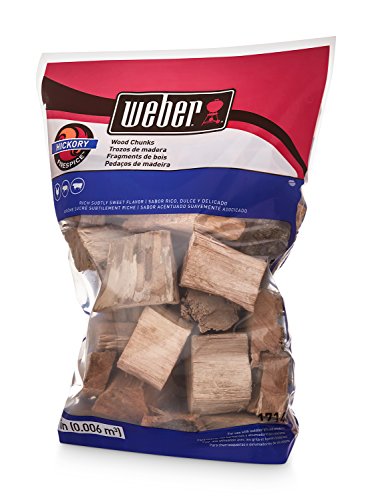
For superior results, employ slow cooking techniques paired with flavor-enhancing brines beforehand. Trimming the fat cap to 1/4 inch helps achieve optimal texture and tenderness in your pork butt. Using wood chunks like hickory or apple adds smoky aroma while spritzing with a vinegar-water mix maintains moisture throughout the cook. Wrapping ribs in foil during the cook enhances tenderness and moisture retention. Many pitmasters finish their smoked ribs on the grill with sauce application for added caramelization and depth of flavor. Like poultry such as chicken drumsticks, pork benefits from low and slow smoking to achieve maximum tenderness and juiciness. Pork chops and steaks smoke 45 minutes to 2 hours depending on thickness. Investing in a quality smoker ensures consistent heat distribution and smoke circulation for reliable results across all your pork smoking projects. Tenderness determines completion across all cuts, making your patience rewarding.


Poultry: Smoking Chicken and Turkey to Perfection
Poultry demands a different approach than the forgiving nature of pork—you’re working with leaner meat that’ll dry out quickly if you’re not careful, yet you’ve got the advantage of faster cooking times and more straightforward food safety guidelines. Smoke turkey at 225°F to 250°F for 30-40 minutes per pound, targeting 165°F internal temperature in the thickest breast section. Employ brining techniques before smoking to lock in moisture and enhance flavor development. A proper brine of water, apple juice, and kosher salt should be maintained for 3-4 days typically to achieve optimal seasoning penetration. Injection marinades with butter and broth provide additional juiciness. Use a meat thermometer for verification—color alone misleads. For optimal results, spatchcock your turkey to promote even cooking and increase efficiency throughout the smoking process. Many experts recommend around 250°F as the optimal smoking temperature for achieving tender, juicy poultry. Adding apple wood chips to your electric smoker enhances smoke flavor and complements poultry beautifully. Incorporate a water pan into your setup to maintain moisture levels and enhance the smoke flavor throughout the cooking process. Rotate the bird periodically during smoking to ensure even heat distribution across all surfaces. Resting the bird for 15-20 minutes after smoking allows the juices to redistribute] throughout the meat before carving. After smoking, rest your bird 15-20 minutes to redistribute juices. For crispier skin, finish at 350°F following your low-temperature smoke phase.

Made In the USA: Celebrate homegrown quality with these premium wood chips made in Arkansas and Missouri

1.8 LB APPLE WOOD CHIPS FOR SWEET & FRUITY SMOKE FLAVOR – Elevate your grilling and smoking with this 1.8-pound bag of premium apple wood chips, ideal for infusing meats, poultry, seafood, and veggies with a mild, sweet, and fruity aroma. Perfect for use in charcoal grills, gas grills, electric grills and smokers, these high-quality smoking chips deliver consistent flavor and slow, even smoldering for delicious results.

Lamb and Game Meats: Specialty Cuts for Adventurous Pitmasters
Ready to push beyond the conventional cuts? Lamb and game meats demand precision and respect. You’ll smoke lamb leg at 225-250°F until it reaches 140-150°F for medium doneness—typically 4-8 hours. Bone-in cuts like lamb shoulder deliver superior flavor; target 170°F after 5-5.5 hours of smoking. Lamb shanks require higher temperatures (225-250°F) to reach 190°F, allowing connective tissues to melt properly over 4-5 hours.
For lamb racks, lower your smoker to 200-225°F and pull at 135-140°F for medium-rare in just 1.25 hours. Position fat caps downward to shield meat from direct heat. Employ aromatic marinades before smoking to enhance complexity. A boneless leg of lamb is easier to carve and seasons more evenly when prepared for smoking. Like grilling vegetables such as yellow summer squash, smoking lamb requires proper heat management and direct heat positioning to achieve optimal results. Preheating your smoker with open vents ensures even cooking temperature throughout the process. Protect your smoking area with a heat-resistant grill mat to guard your deck from grease splatters and heat damage. Pellet grills like the Traeger Woodridge Pro offer precise temperature control ideal for achieving consistent results with specialty meats. An offset smoker with charcoal and wood is preferred for superior smoke flavor and temperature control. For outdoor entertaining, consider pairing your smoking setup with luxury outdoor kitchen designs that integrate seamlessly with your patio or garden space. Always verify doneness with a meat thermometer, then rest your lamb in a cooler to retain moisture before serving.

Keep Food Safe & Mess-Free: Prevents fish, shrimp, vegetables, wings, and other small items from falling through grill grates

Enhanced Ventilation with Grid Design: Our mesh grill mat features a unique grid design that effectively enhances ventilation, ensuring even heating of the food and avoiding issues such as localized overheating or uneven cooking.
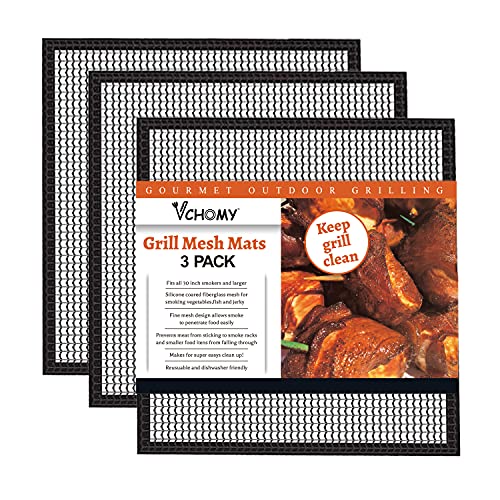
NO MESS AT ALL - You can enjoy your Barbecue without any worry about food falling from the grill grate. You can grill chicken, fish, steak, vegetables or even porns and eggs.
Seafood: Smoking Fish and Shellfish
Smoking fish and shellfish requires a fundamentally different approach than land meats—you’re working with delicate proteins that cook quickly and demand precision to avoid drying out. Select oily smoking fish types like salmon or mackerel, which absorb smoke flavor effectively, while lean varieties need brining for moisture retention. Prepare fillets to consistent 1- to 1.5-inch thickness and form a pellicle by air-drying after brining. For smoking seafood techniques, employ hot smoking at 150-200°F for fully cooked results or cold smoking below 85-90°F for flavor without cooking. Salmon fillets require 3-4 hours at 150°F, while thinner fillets finish in 1-2 hours. Pat the salmon dry before placing it skin-side down on the smoker rack to ensure proper smoke adhesion and even cooking. Overheating your salmon can cause albumin leakage and dryness, so monitor internal temperatures carefully to maintain moist, flaky results. Smoking fish dates back thousands of years as early civilizations discovered this preservation method extended their catches far longer than fresh storage allowed. This ancient technique works by reducing moisture content and inhibiting bacterial growth, which naturally preserves the fish without refrigeration. For properly stored smoked salmon, unopened packages can last up to two weeks in the refrigerator past the best by date when kept below 40°F. When you have leftover smoked salmon, you can freeze it for up to three months by wrapping it tightly and storing it in an airtight container to preserve quality. Maintain steady temperatures, baste with honey every 45 minutes, and use alder wood chips for ideal results. Electric smokers with precise low-temperature control help achieve the consistent heat necessary for perfectly cooked, moist smoked salmon every time.

Naturally smoked Atlantic salmon

Farmed in norway

Traditional Native American Style Smoked Salmon (not lox) hand-filleted and soaked in a traditional Native American brine; Each fillet is inspected before being sealed in a gold foil pouch
Processed Meats: Sausages, Hot Dogs, and Meatloaf
While seafood demands delicate handling and precision timing, processed meats like sausages, hot dogs, and meatloaf present an entirely different set of challenges—you’re managing fat content, casing integrity, and the risk of ground meat contamination. Maintain 225°F as your standard smoking temperature, though you’ll want to keep it below 160°-165°F during the smoking phase to prevent fat from melting through casings. Sausage smoking duration typically runs 2-3 hours depending on size and fullness. Remove sausages from refrigeration beforehand and employ proper sausage preparation techniques: use a meat thermometer to verify 160°F internal temperature rather than relying on timing. For enhanced results, implement two-stage smoking with an ice bath cooling phase between sessions, then dry with paper towels for ideal snap texture. Many expert sausage makers recommend smoking fresh sausages without any cures to achieve optimal flavor development. A brief parboil before grilling can help firm up the casing to prevent bursting and lock in juiciness. For added moisture retention, consider pan-frying with beer to keep your sausages juicy while developing a nicely browned exterior. Using seasoned maple wood will impart a subtle sweetness to your smoked sausages without overpowering the meat’s natural flavors. Heat-resistant gloves and long sturdy tongs will help you safely manage the sausages throughout the smoking and finishing process, similar to how proper equipment enhances outdoor cooking versatility. Once your smoked sausages are finished, store unopened sausages in the refrigerator shelf life for 2-3 weeks beyond the sell-by date.
Vegetables and Side Dishes for the Smoker
Once you’ve mastered protein smoking, vegetables deserve equal attention on your smoker grate. Your veggie smoking techniques should prioritize proper preparation—cut bell peppers, squash, and onions into uniform 1-inch pieces, while slicing carrots thin for even cooking. Halve Brussels sprouts and remove stems for consistent results.
Employ flavor infusion methods by coating vegetables with olive oil and your chosen seasonings. Create a marinade using 2-3 tablespoons olive oil, balsamic vinegar, minced garlic, and smoked paprika. Preheat your smoker to 225°F, where low heat infuses authentic smoky flavor without overcooking delicate produce. For enhanced flavor complexity, you can customize your marinade with apple cider vinegar as an alternative to balsamic vinegar for a brighter taste profile.
Timing varies by density: tomatoes require half the smoking duration of squash, while hearty carrots and root vegetables need extended exposure. Mushrooms, corn, eggplant, cauliflower, and broccoli florets all respond excellently to smoking, providing diverse sides that complement your smoked meats perfectly. For maximum moisture retention and flavor, consider wrapping delicate vegetables in heavy-duty foil packets during smoking, a technique that also helps achieve charred and caramelized exteriors. Using a grill basket designed for vegetables can also help prevent smaller pieces from falling through the grate while ensuring even heat distribution. Plan for 30-45 minutes at 350°F to achieve properly caramelized and tender vegetables for optimal results. Similar to grilling whole sweet potatoes, wrapping vegetables tightly in foil ensures even cooking and helps retain moisture throughout the smoking process. For eggplant specifically, salting and draining the slices beforehand will remove excess moisture and prevent sogginess.
Internal Temperature Guidelines for Food Safety
Three critical factors determine whether your smoked meat is safe to eat: internal temperature, cooking duration, and proper temperature validation. You’ll need a calibrated thermometer to monitor internal temps accurately—visual cues like color and juices are unreliable indicators of food safety.
You must maintain smoking temperatures above 140°F to prevent danger zone exposure, where pathogenic bacteria multiply rapidly between 40°F and 140°F. Never leave meat in this zone longer than two hours. Instant-read thermometers provide quick, accurate readings within 1% margin of error to ensure precise temperature monitoring. For the fastest readings, consider models like the Thermapen ONE that deliver results in just one second. Additionally, never smoke partially cooked or frozen product to maintain pathogen-free results throughout the smoking process. While smoking at lower temperatures can reduce the formation of carcinogenic compounds, maintaining proper internal temperatures remains your primary food safety priority. The low and slow cooking method at around 225°F helps achieve both food safety and optimal tenderness in your smoked meats.
Your target temperatures vary by meat type: beef and pork reach safety at 145°F with a 3-minute rest, ground meats require 160°F, and poultry demands 165°F. For chicken specifically, boneless skinless breasts should reach 165°F to 170°F for optimal juiciness and safety. Wireless thermometers with app integration offer hands-off monitoring throughout extended cooks, allowing you to track internal temperatures remotely without opening the smoker. Thermometer calibration validates accuracy, while danger zone monitoring prevents bacterial contamination. Verify internal temperature at the thickest point before serving.
Tips for Consistent Results Across Different Cuts
Achieving consistent results when smoking different cuts hinges on mastering temperature control, timing calculations, and cut-specific techniques. You’ll need accurate temperature measurement with a reliable smoker thermometer to prevent hot spots that cook unevenly. Monitor fluctuations closely—anything above 10°F disrupts collagen breakdown and throws off your timing estimates.
You should apply the 1.5 hours per pound rule for large cuts like brisket and pork shoulder at 225-250°F, but adjust downward 20-30% for boned-out pieces. Separate cuts by size during smoking to avoid overcooking smaller items. Use the skewer tenderness test hourly to track progress per pound, accounting for 10-20% variance based on thickness rather than weight alone. Low-and-slow cooking at 225°F melts collagen more effectively than rushing higher temperatures. For beef ribs, smoking at lower temperatures around 250°F for extended periods ensures probe-tender results with proper fat rendering. For best results with brisket, wrap the meat in pink butcher paper once it reaches an internal temperature near 165-175°F to retain moisture during the final cooking phase. Always use a meat thermometer to cook by internal temperature rather than relying solely on time estimates for the most accurate doneness. For optimal results, reduce cooking time by approximately 30 minutes per 50°F temperature increase to prevent overcooking when smoking at higher heat settings. Proper airflow management through vent adjustment helps maintain consistent heat transfer throughout the smoking chamber, ensuring even cooking across all portions of your meat. Positioning wood logs strategically in the firebox optimizes smoke distribution and maintains the steady temperatures needed for predictable cooking times across different meat cuts. Managing your offset smoker’s reverse-flow design can significantly reduce hot spots and promote more uniform heat distribution throughout the cooking chamber.