
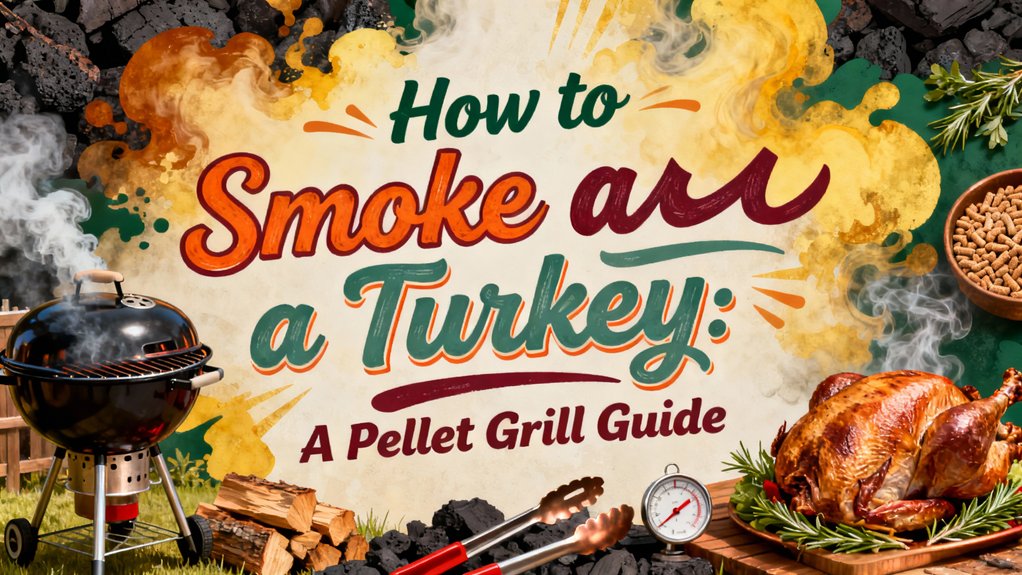
You’ll start by brining your 12-16 pound turkey overnight, then pat it dry before smoking. Set your pellet grill to 250°F and smoke for two hours, spritzing hourly with pineapple juice. After two hours, increase the temperature to 350-375°F to crisp the skin. Monitor your internal temperatures—aim for 160-165°F in the breast and 170-180°F in the thighs. Let it rest 30-40 minutes under foil before carving. There’s much more to master about pellet selection, grill setup, and carving technique.
Preparation Essentials
You’ll want to start by selecting a fresh turkey weighing between 12-16 pounds, as fresh birds deliver superior results compared to their frozen counterparts. If you’re working with a frozen bird, guarantee adequate turkey thawing duration—plan several days in your refrigerator for proper defrosting.
Remove the giblets before proceeding. Next, prepare your wet brine using precise brine ingredient ratios: combine 8 quarts cold water, 1.5 cups kosher salt, and 0.5 cup cane sugar. Add quartered oranges, lemons, red onion, peppercorns, bay leaves, and cloves for depth. Submerge your turkey breast side down overnight in the refrigerator, ascertaining it’s fully submerged under ice and additional water. Brining the turkey beforehand helps retain moisture during the smoking process, ensuring juicier meat throughout. For optimal results, plan 1 additional day for brining after your turkey has completely thawed. The seasoning and cooking techniques you employ during preparation will significantly impact the final flavor profile and texture of your smoked turkey. Finally, pat the turkey completely dry before seasoning—this step proves critical for achieving crispy skin during smoking. Patting skin dry and rubbing with butter or oil will enhance the skin’s ability to crisp during the smoking process. After seasoning, use a probe thermometer to monitor the internal temperature accurately throughout the cooking process. Position your turkey breast side down on the smoker grate to allow natural juices to flow into the breast meat, keeping it moist during the lengthy cooking process. Allow the meat to rest 15 to 20 minutes after removing it from the smoker to retain juices before carving.
Selecting the Right Pellets
Once your turkey’s prepped and ready for the smoker, selecting the right pellets becomes your next critical decision. You’ll want kiln-dried pellets like Western Wood that burn clean without residue, ensuring ideal pellet density factors for consistent heat and smoke production.
Consider your flavor profile carefully. Pecan delivers nutty, rich flavors ideal for turkey, while fruitwoods like apple and cherry provide delicate, mild sweetness. For complexity, try blended options—Traeger’s Turkey Blend combines maple’s subtle sweetness with hickory’s classic barbecue notes for balanced results. Mixing a mild fruit wood with a stronger post oak or hickory ensures you achieve your preferred taste. Proper pellet storage and handling will maintain their quality throughout your smoking season.
Regarding pellet quantity considerations, you’ll need approximately 1-1.5 pounds per hour of smoking. Always use cooking-specific pellets; avoid non-food woods entirely. Test versatile bags like cherry for multiple meats, but avoid mesquite’s overpowering intensity for poultry.

Festive Holiday Flavor: Holiday Turkey blend with Maple, Hickory & Cherry infuses a sweet, smoky flavor into turkey, lamb, pork, beef, veggies, and even desserts

100% Natural Hardwood – Made from premium kiln-dried hardwood, with no additives or binders, for a clean and natural burn.

Lignetics, 40 LB, Premium Quality Wood Pellet Fuel, For Use With Wood Pellet Stoves, Clean Handling, Smokeless, Pollution Free, No Chimney Problems
Setting Up Your Pellet Grill
Before firing up your smoker, proper setup guarantees consistent performance and safety throughout your cook. Position your grill at least 6 feet from your home, walls, and trees to prevent fire hazards.
Start by clearing debris from your pellet hopper loading area and filling it completely before ignition. Plug into a 240V power supply, turn the switch on, and verify the auger’s slow rotation and air flow into the fire-pot. Kingsford™ Hardwood Pellets deliver excellent performance in all pellet grills and are recommended for your turkey smoking session. Download the grill’s companion app before assembly to enable remote temperature monitoring during your cook.
For temperature maintenance, set your grill between 225°F and 275°F for smoking turkey. Use a laser thermometer for accurate grill-level readings rather than relying on built-in gauges. Different hardwood pellet flavors like hickory or apple can influence the smoke profile of your turkey, so select a blend that matches your taste preferences. Clean your burn pot and grates thoroughly to facilitate optimal heat distribution and prevent ash buildup that compromises performance. The digital controller monitors temperature via sensors and precisely regulates pellet feeding and airflow to maintain your target cooking temperature. Pellet grills reduce flare-up risks since they operate without open flames, making them safer for extended smoking sessions. Models with PID controllers offer superior temperature stability, maintaining consistent heat levels throughout long smoking sessions like turkey preparation. Look for pellets made from 100% natural hardwoods without fillers or additives to ensure clean-burning performance and bold smoky flavor.

Replaces 3 speed smoker control, compatible with Traeger wood pellet grill models (except PTG)
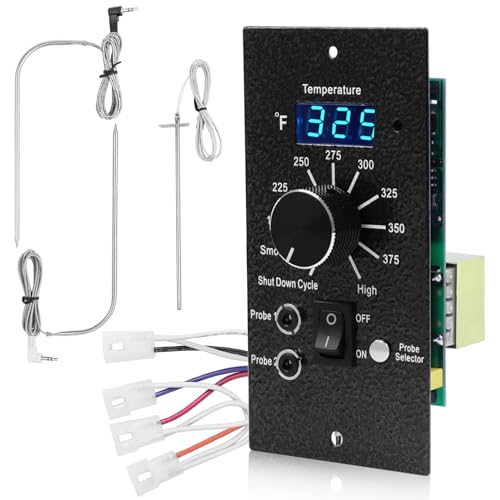
【COMPATIBILITY】: This Traeger Digital Controller kit replacement part compatible with most Traeger Wood Pellet Grills (except PTG), ideal replacement for Traeger Controller BAC365.

High mode can be used for highest heat possible. This product features auto start to self ignite your BBQ.
The Smoking Process
With your pellet grill properly calibrated and positioned, you’re ready to execute the smoking process that’ll transform your turkey into a perfectly smoked centerpiece. Start by smoking at 250°F for the first two hours, which establishes your smoke foundation. Maintain temperatures between 225-250°F throughout, allowing roughly 30-40 minutes per pound for even cooking.
Spritz your turkey hourly with pineapple juice to enhance moisture and bark development. Monitor your breast temperature, aiming for 100-120°F during this initial phase. Achieving desired smokiness requires thin blue smoke from quality fruit wood pellets—apple or cherry work exceptionally well. Plan to use approximately 1 lb of pellets per hour to ensure consistent smoke throughout the cooking process. For best results, avoid stuffing the turkey when smoking to allow heat and smoke to penetrate evenly. Consider applying a butter or oil coating before seasoning to help the spices adhere and promote even browning.
After two hours, increase your grill to 350-375°F to crisp the skin while maintaining proper temperature control until your breast reaches 160-165°F internally and thighs hit 170-180°F. For added flavor, consider stuffing the cavity with aromatic ingredients like apple, onion, and lemon before smoking. Remove the turkey when it reaches around 155-160°F to allow for carry-over cooking to the safe temperature of 165°F during the resting period. Allow the turkey to rest for 10-15 minutes after removing it from the smoker before carving to let the juices redistribute throughout the meat. Brining for up to 48 hours before smoking can significantly enhance moisture retention and overall flavor.
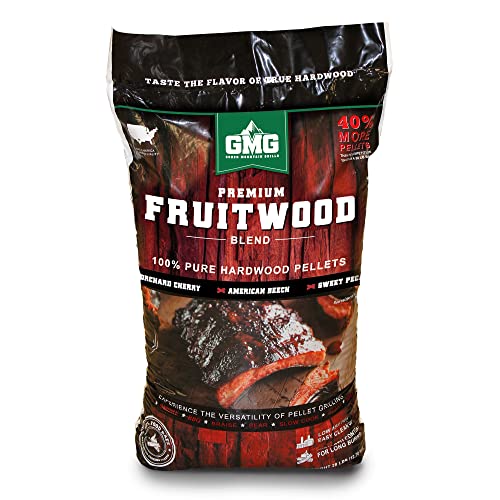
Green Mountain Grills Hardwood Pellets


Includes 1 pound bag of each flavor Apple, Hickory, Mesquite, Cherry, Pecan and Sugar Maple
Resting and Carving Your Turkey
How do you preserve all that smoky perfection you’ve worked so hard to achieve? You rest your turkey for 30-40 minutes under foil and towels. This extended resting period enables juice preservation by allowing muscle fibers to reabsorb moisture, preventing excessive loss when you slice.
Temperature verification comes first—confirm 165°F minimum in both breast and thigh sections before removal. Once verified, transfer your bird to a cutting board immediately for presentation preparation.
The foil tent maintains safe serving temperature while protecting surface moisture from evaporation. Allowing your turkey to rest and reach the proper internal temperature ensures the juices redistribute throughout the meat for maximum tenderness. For optimal results, let the turkey rest for 15 to 20 minutes before carving to allow the juices to redistribute evenly. Monitoring internal temperature is critical for achieving juicy, tender turkey regardless of the smoking method you choose. Using a meat thermometer inserted in the thickest part of the bird is the most reliable way to verify doneness. When you’re ready to carve, follow the turkey’s natural anatomical landmarks and separation points. This technique produces cleanly separated portions without damaging meat, ensuring ideal presentation for your guests. A sharp carving knife with ridges will help you execute clean cuts through the skin and joints with precision. If you have leftovers, reheating at low temperature around 300°F in a covered pan with broth will keep the meat juicy and flavorful. After your meal is complete, scrape the interior of your pellet grill to push ash and grease into the ash catcher for proper maintenance.