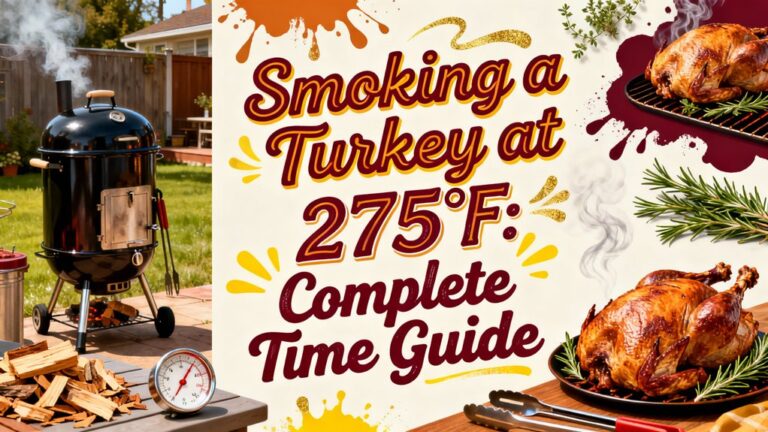

You’ll smoke your 14-pound turkey in 4 hours 40 minutes to 7 hours, depending on your smoker temperature. At 225°F, you’re looking at the longer timeline for incredibly moist results. At 250°F, you’ll cut that down to about 5 hours while maintaining quality. The key’s monitoring internal temperature with a reliable thermometer—pull it at 157°F for carryover cooking to 165°F. Brining beforehand and using a water pan keeps everything juicy. There’s quite a bit more to master about timing adjustments and technique refinements.
Understanding Smoking Temperature Guidelines for Turkey
You’ll find that smoking a turkey successfully hinges on mastering three critical temperature considerations: the internal temperature your bird must reach, the consistent smoker temperature you’ll maintain throughout, and the danger zone you’ll need to navigate safely.
Your ideal smoking time range falls between 225°F and 250°F. This temperature control consistency is non-negotiable—don’t let your smoker fluctuate more than 25°F above or below your target. Minimize lid openings to maintain stable heat. Properly cured meats have additional protection against certain bacteria like Clostridium botulinum, providing an extra safety margin during the smoking process. For a 14-pound turkey, you should plan for approximately 6.5 hours of smoking time at your target temperature.
Your 14-pound turkey must reach 165°F internally for food safety. Breast meat should pull at 160°F before resting, gaining 5–10°F carryover cooking. Thigh meat tolerates higher temperatures without drying out. Using a meat thermometer is essential to ensure proper cooking, as internal temperature—not time—is the most reliable indicator of doneness. Check the temperature in both the breast and thigh, making sure the lowest reading is above 165°F to ensure complete doneness and safety. The thickest part of the thigh should reach 180°F for optimal results.
Since your turkey must pass through the 40°F–140°F danger zone within four hours, maintaining steady smoker temperature prevents dangerously prolonged exposure to pathogenic conditions. The slow cooking over wood smoke develops a firmer texture and creates that characteristic dark, lacquered skin with a moist interior that distinguishes smoked turkey from its oven-roasted counterpart. After smoking, let your turkey rest to allow juices to redistribute, ensuring each slice remains moist and flavorful.
Cooking Time Calculations at Different Temperatures
How do you calculate the right smoking time for your 14-pound turkey? You’ll base your estimates on smoker temperature. At 250°F, plan 5.8–7 hours using the 25–30 minutes per pound guideline. At 275°F, you’ll reduce this to just 2.25–3 hours total. The impact of brine on cooking time is significant—brined birds cook faster and more evenly, so monitor internal temperature rather than relying solely on time estimates.
Temperature consistency matters more than the clock. Use a reliable thermometer to track progress. An electric smoker regulates heat well and maintains the steady temperatures needed for even cooking. If you’re adjusting time for high altitude above 5,000 feet, add 10–15 minutes per pound to compensate for lower air pressure affecting heat transfer. Spatchcocking your turkey can increase cooking efficiency and help you achieve more even results across the bird. Always pull your turkey at 157°F internal temperature, allowing carryover cooking to reach the safe 165°F during your 15–20 minute rest.
The 225°F Smoking Method: A Slow and Steady Approach
Smoking at 225°F lets you dial in a genuinely low-and-slow approach that’ll reward your patience with incredibly moist, tender turkey. This temperature range maintains consistent, even cooking throughout your 14-pound bird’s 4 hours 40 minutes to 5 hours 50 minutes smoking time.
Your wood selection directly impacts the final result’s flavor profiles. Fruit woods like apple or cherry offer mild sweetness, while hickory delivers bolder, more robust notes. Add wood strategically throughout the process to sustain steady temperature. A disposable aluminum pan placed beneath the turkey catches drippings and helps regulate heat distribution. Before you begin smoking, brine the turkey for up to 48 hours in a solution with at least 8% salt to prevent the meat from drying out during the long cook.
Monitor your smoker constantly, adjusting vents to keep heat at 225°F. Use a wireless meat thermometer in the thigh for accurate progress tracking. Once your breast reaches 160°F, pull the turkey and rest it loosely foiled for 30 minutes, allowing carryover cooking and juice redistribution. The internal temperature should reach 165°F in the breast and 175°F in the thigh to ensure food safety. Adding a water pan inside the smoker helps maintain moisture throughout the cooking process. Consider basting with apple juice periodically to add extra moisture and enhance the turkey’s flavor. After resting, slice against the grain to ensure tender, easy-to-eat portions.

Includes 4 boneless rib hooks, 2 leg racks, 6 easy-out rib hooks, 8 skewers, easy-load kabob holder and basket lifter

The Only Meat Smoking Guide Magnet You'll Ever Need: Unlike single-page magnets, this 4-side set includes smoking temps, cook times, meat temperature chart, pellet grill wood pairings, and a simple step-by-step How-To guide-all organized for quick use at the smoker. Everything you need, nothing you don't.

SIZE - The turkey roaster measures about 9.5″tall,The bottom ring is 7.1″diameter,the top ring is 2.5″diameter.You can roasting squab,game hen,chicken,turkey and don't worry about turkey roaster rack that cannot withstand roast chicken weights.
The 250°F Smoking Method: Balanced Speed and Quality
If you’re seeking a middle ground between the low-and-slow 225°F approach and faster cooking times, smoking at 250°F delivers balanced results without sacrificing quality. You’ll cook your 14-pound turkey in approximately 5 hours, making this method practical for most schedules.
Preheat your electric smoker to 250°F and load it with apple wood pellets. Precise temperature maintenance is critical—avoid frequent lid openings that cause heat loss and temperature fluctuations. Position your turkey breast-side up on the grates, and monitor internal temperature with a wireless thermometer. For optimal results, use pecan, maple, hickory, or cherry wood to elevate the smoky flavor profile of your turkey. Based on actual smoking experiences, a brined and stuffed turkey reaches the target temperature reliably at this heat level.
Even smoke distribution develops superior flavor while the moderate heat crisps skin better than lower temperatures. Pull the breast at 160°F, allowing carryover cooking to reach the target 165°F thigh temperature. Allowing the turkey to rest after smoking helps juices redistribute and the temperature rise an additional 5 degrees. Rest your turkey for 20 minutes before carving. Incorporating a water pan during the smoking process helps maintain moisture and enhances the overall smoke flavor. Round out your smoked turkey meal with versatile side dishes like baked beans or pasta salads that complement the rich, smoky flavors. For a slightly faster cook time while maintaining juiciness and achieving crispy skin, you can increase your smoking temperature to 275°F, which reduces the total duration to approximately 4 to 4.5 hours. Top-performing pellet options like Lumberjack or Bear Mountain deliver bold smoky flavors without fillers or additives for the best turkey results.

APPLE WOOD FIRED FLAVOR: With Traeger Apple Hardwood Pellets, naturally enhance baked goods, chicken, and pork with a subtly sweet, fruity flavor.

HICKORY WOOD FIRED FLAVOR: Traeger Hickory Hardwood Pellets are great for naturally enhancing beef, chicken, pork, and veggies with full-bodied, bold flavor. So it should come as no surprise that Hickory’s assertive flavor is one of the most popular choices for classic BBQ cooking.

PECAN WOOD FIRED FLAVOR: Traeger Pecan Hardwood Pellets offer an ultra-versatile, slightly nutty flavor that works with any meat, not to mention veggies, fish, and even baked goods.
The 275°F Smoking Method: Fast-Track to Dinner
While the 250°F method strikes a balance between quality and convenience, you’ll shave another 30 minutes off your cook time by bumping the temperature to 275°F—ideal when you’re working with a tighter schedule but won’t compromise on flavor or texture.
At 275°F, your 14-pound turkey reaches food-safe internal temperatures in roughly 5.5 hours. Pellet smokers serve as ideal fuel sources here, maintaining precise temperature control without fluctuations that extend cooking times. Charcoal models work adequately but demand closer attention.
The key to success involves moisture content optimization: maintain a water pan throughout smoking to prevent exterior drying while the higher heat crisps skin effectively. For best results, brine the turkey overnight before smoking to enhance flavor and juiciness. Remember to allow the turkey to rest for 30 minutes after smoking to retain all the flavorful juices before carving. Preheat your smoker thoroughly, monitor thickest breast and thigh sections with an instant-read thermometer, and pull meat at 160°F, allowing carryover cooking to reach the safe 165°F threshold during rest. Using a digital thermometer to check the internal temperature in the thickest part ensures your turkey is cooked perfectly. Monitor your smoker temperature carefully, especially in colder outdoor conditions that can cause heat fluctuations. Choose medium-smoking woods like pecan or hickory to add balanced flavor without overwhelming the turkey’s natural taste. Consider basting with butter or broth during the smoking process to help prevent drying and enhance moisture retention. Before smoking, create an herb-infused butter mixture and rub it carefully under the skin and on the outside of the turkey for maximum flavor penetration.

Festive Holiday Flavor: Holiday Turkey blend with Maple, Hickory & Cherry infuses a sweet, smoky flavor into turkey, lamb, pork, beef, veggies, and even desserts
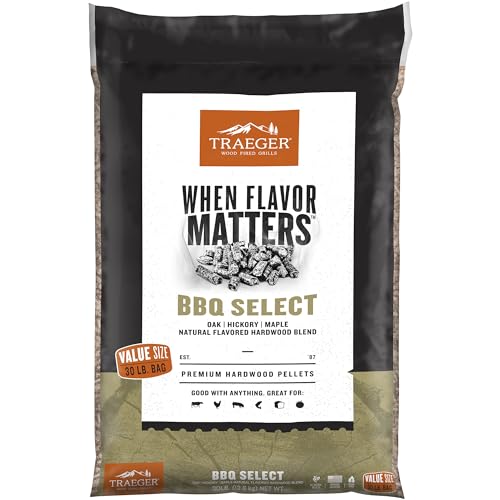
BBQ Select Wood Fired Flavor: Blend of oak, hickory and maple hardwood

Gourmet Blend Pellets: Bear Mountain all-natural hardwood BBQ pellets deliver a sweet, tasty finish to red meats, poultry, and vegetable dishes, supplied as two 20-pound bags.
Monitoring Internal Temperature for Food Safety
Your instant-read thermometer is the only reliable tool for confirming your turkey’s doneness and safety. Insert it into multiple locations: the thickest breast portion, the innermost thigh, and the wing joint—always avoiding bone contact for accurate readings. You’ll want to reach 165°F (74°C) minimum throughout all these areas, which instantly eliminates Salmonella and Campylobacter pathogens. For best results within your preferred smoking temperature range of 275°F, check the thigh separately, as it requires slightly longer cooking than the breast. Don’t rely on pop-up indicators alone; verify them with your thermometer. If you’ve stuffed your turkey, measure the stuffing’s center temperature independently to guarantee it also reaches 165°F. This universal gold standard ensures complete pasteurization and removes any guesswork from your holiday meal preparation. Remember to remove giblets from the cavity after your turkey has finished cooking so they can be prepared separately. Before smoking, ensure your grill grates are clean and rust-free to prevent metallic off-flavors and maintain optimal cooking performance. For monitoring ambient temperature during your long cook, consider using wireless probe systems that offer remote monitoring capabilities and ensure consistent heat throughout the smoking process. High-end options like the ThermoWorks Thermapen ONE deliver ±0.5°F accuracy with 1-second read times for serious pitmasters who demand precision. Premium wireless options such as the Fireboard Pulse excel in ambient temperature accuracy and can withstand high-heat conditions up to 1000°F for versatile cooking applications. After removing your turkey from heat, let it rest for 20 minutes before carving. Just as with smaller poultry, monitoring internal temperature with a meat thermometer throughout the smoking process ensures your bird reaches the safe zone without overcooking.
Essential Pre-Cooking Preparation Steps
Before you can accurately monitor your turkey’s internal temperature, you’ll need to properly prepare the bird for smoking. Start by following the correct thawing timeline—allow 24 hours per 4-5 pounds for your 14-pound turkey. Remove giblets and neck from both cavities, then pat the interior dry.
Next, consider your brining duration. A wet or dry brine applied 18-24 hours prior substantially enhances moisture retention and flavor. After brining, rinse thoroughly if you used a wet brine, then pat the turkey completely dry inside and out. Regular re-seasoning of your smoker grates is advised, especially after cleaning or every few months, to maintain the protective layer and prevent sticking.
Finally, apply your seasoning. Distribute softened butter under the skin, coat the exterior with your dry rub blend, and stuff the cavity with aromatic ingredients like onion quarters and fresh herbs. Tuck the wings underneath and tie the legs securely for even cooking. If you’re using a new smoker, make sure to season the grates beforehand by applying a thin layer of high smoke point oil and heating to create a protective, non-stick surface. For optimal texture and browning, ensure you truss the turkey before placing it on the smoker racks. After each smoking session, allow your grates to cool completely before scraping away debris to maintain performance and ensure cooking safety. For a thorough clean once or twice during the grilling season, soak your grates in a mixture of vinegar and baking soda to remove stubborn buildup. Remember to empty the drip pan after use to prevent attracting pests and maintain hygiene.

Tender & Juicy Results – Brining locks in moisture and enhances flavor, yielding a turkey that’s tender, juicy, and perfectly seasoned.

MAKE YOUR BEST TURKEY: In 5 simple steps, you'll have your best-tasting turkey ever. The brine ensures excellent flavor, and the bag keeps your turkey moist and tender. Our kit is gluten-free, non-GMO, and kosher.
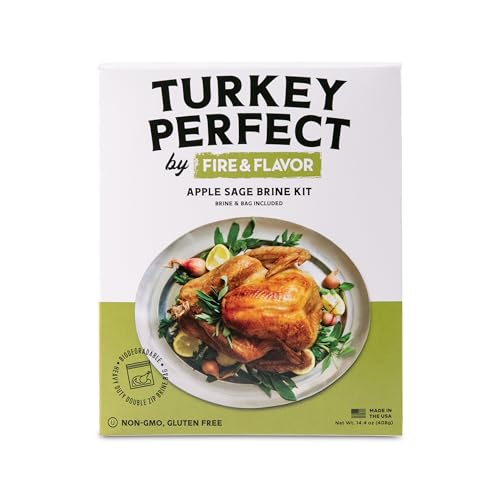
MAKE YOUR BEST TURKEY: In 5 simple steps, you'll have your best-tasting turkey ever. The brine ensures excellent flavor, and the bag keeps your turkey moist and tender. Our kit is gluten-free, non-GMO, and kosher.
Environmental and Equipment Factors That Affect Cooking Time
Success in smoking a 14-pound turkey hinges on understanding how smoker temperature, equipment setup, and external conditions interact to determine your total cook time. You’ll find that maintaining 250-325°F consistency prevents unpredictable cooking duration extensions. Your pre-smoking brine preparation and moisture control techniques work together to protect against dry skin during extended smoking sessions.
You should position your water pan halfway-filled on the lowest shelf, combining water with apple cider for ideal humidity levels. Place your drip pan above it to catch juices and prevent flare-ups. Your smoker type, ambient conditions, and meat thickness all influence actual cooking duration beyond the standard 30-40 minutes-per-pound guideline. Smokers with thin walls like WSM or kettle grills may require additional adjustments to maintain consistent temperatures throughout the smoking process. Always ensure your electric smoker is positioned outdoors away from wet weather conditions to maintain safe and consistent cooking performance. Before beginning your smoke, inspect and clean the interior surfaces to prevent residue from affecting your turkey’s flavor quality. After smoking season ends, remember to clean the grease tray and burner components to maintain your equipment’s performance for future cooking sessions.
You’ll need to monitor your digital dual-probe thermometer hourly, checking internal breast temperature in the thickest section without contacting bone until reaching 165°F for food safety. If you prefer crispier skin texture, consider raising your smoker temperature to 375-400°F for 10-15 minutes at the end of cooking to dry and brown the exterior properly. For extended outdoor cooking sessions, a grill gazebo with roof provides essential weather protection and keeps your workspace comfortable regardless of rain or intense sun conditions. Some pitmasters find that indoor electric grills offer a smoke-minimized alternative when outdoor smoking isn’t feasible due to apartment restrictions or inclement weather.

BBQ HI/LOW temp range alarm: Set your desired food temp and HI/LOW temp range for your grill or smoker to know when to add more fuel smoker thermometer will flash and beep to remind you if the temperature ever goes out your set range; HI/LOW temp range alarm is specifically designed for usage with smokers, grills and BBQs

Bluetooth Monitor Remotely: Govee Bluetooth meat thermometer lets you check the temperature of your grill, smoker, or oven from your phone. With this smart BBQ thermometer, you can multitask while grilling.

【More Stable Connection】Built-in Bluetooth 5.0 Tech enables the Bluetooth thermometer a remote range of up to 450 ft, a stronger signal and more stable connection to the smart App so you can go anywhere on your small suburban yard or anywhere in the house and it always stays paired
Resting and Carving Your Smoked Turkey
Once you’ve pulled your smoked turkey from the heat, you’re entering a critical phase that’ll make or break your final result. Rest your turkey for 20 minutes on a stable cutting surface—this resting period allows juices distribution during rest throughout the meat fibers, preventing moisture loss when you begin carving. For optimal results, consider resting your turkey for 60-75 minutes in a wrapped thermal bag or ice chest to achieve a more substantial carryover temperature rise and improved juiciness.
Position your knife halfway up the breast and slice downward with even, straight strokes. Your carving technique precision determines uniform pieces and minimal juice loss. Use a sharpened, straight-edge knife and carving fork to ensure clean cuts and better control throughout the carving process. Separate the breast, thighs, and drumsticks following anatomical lines, keeping knife contact with bones minimal to preserve meat quality. Using a digital meat thermometer during the smoking process ensures your turkey reaches safe internal temperatures before you begin the resting phase. Just as with smoked steaks, the reverse-sear technique can deliver superior results by combining low-temperature smoking with a final high-heat finish for added texture and flavor.
Room temperature turkey carves more easily than hot turkey, ensuring better juice retention and ideal flavor. Similar to grilled steaks, residual heat continues cooking your turkey during the resting phase, so factor this into your timing to avoid overcooking. Coordinate timing so you rest and carve shortly before serving, delivering hot, juicy turkey to your guests. If you’re using a propane-powered smoker, always ensure the tank valve is closed when you’ve finished smoking to prevent gas leaks and maintain safety. After completing your smoking session, protect your equipment with a heavy-duty vinyl cover that resists weather elements and UV damage for long-term durability.