You’ll need 6 to 10 hours to smoke a 4-5 lb brisket flat at 225°F, though timing depends on thickness, marbling, and your smoker’s temperature stability. Plan for 1.5 to 2 hours per pound, targeting an internal temperature of 203-205°F for proper collagen breakdown. You’ll encounter the stall around 170-195°F—a moisture-evaporation plateau requiring patience. Wrapping at 155-170°F with pink butcher paper and liquid accelerates progress while preserving bark. The specifics of temperature management, moisture retention, and wrapping techniques profoundly impact your final results.
Understanding Brisket Flat Cuts and Smoking Basics
The brisket flat, scientifically known as the pectoralis profundus, is the leaner, more uniformly rectangular portion of the brisket that sits beneath the point muscle. You’ll find it contains considerably less marbling than its counterpart, making fat trimming essential before smoking.
When you smoke a brisket flat, you’re relying on low-and-slow cooking to transform collagen breakdown into gelatin, creating that desirable tenderness. The flat’s uniform thickness works in your favor here—it cooks evenly throughout, unlike the knobby point muscle. Every animal and cut is different in terms of marbling and texture, so expect subtle variations between briskets even when following the same smoking method. This well-exercised muscle contains significant connective tissue that becomes tender and flavorful through extended smoking periods. The fat and connective tissues render properly during the extended cooking time, which is why most pitmasters recommend about 1.5 to 2 hours per pound at 225°F. During the cooking process, you may encounter the stall phase, where the brisket’s internal temperature plateaus and requires patient monitoring to push through. After the brisket reaches approximately 195–205°F internal temperature, it should rest for 1 to 4 hours to allow the connective tissues to break down fully. For best results, use a remote temperature probe to monitor doneness without opening the smoker frequently. Wrapping the brisket in butcher paper during the cook can help maintain moisture and develop a good bark.
You should trim the thick fat cap to a quarter-inch, allowing smoke penetration while maintaining moisture. The flat’s leaner composition means it dries out quickly, so proper fat trimming balances moisture retention with rendering. This precision approach yields perfectly sliced brisket every time.
Why 225 Degrees Requires Special Consideration
While that quarter-inch fat cap and uniform thickness make the brisket flat ideal for even cooking, you’ll discover that 225 degrees presents unique challenges you won’t encounter at higher temperatures. At this low temperature, lean flats struggle with moisture retention strategies since prolonged exposure prevents adequate fat rendering. Your flat lacks sufficient marbling for self-basting, creating rubberiness risks if you don’t monitor internal temperatures meticulately. Fat rendering challenges intensify because 225 degrees moves too slowly for ideal fat breakdown in lean cuts. You’ll need constant vent adjustments every 15 minutes and a water bowl to maintain temperature stability. The extended cook time—roughly 5 hours for a 4-5 pound flat—demands unwavering attention, making this temperature viable only for well-marbled briskets with proper moisture content. Consider that briskets from the lower chest of the cow require different temperature strategies depending on their fat composition and marbling characteristics. Maintaining consistent temperature control through proper charcoal arrangement and regular monitoring ensures the brisket cooks evenly throughout the extended smoking period. Using a water pan helps keep the meat moist and prevents drying out during the prolonged cooking process at lower temperatures. When smoking at low temperatures, the pink smoke ring that forms beneath the surface indicates proper smoke penetration and chemical reactions occurring in the meat. Similar to smoking other proteins, precise temperature control ensures optimal results when working with lean cuts over extended periods. Selecting Choice grade or higher meat becomes critical when smoking at this lower temperature to ensure the brisket retains enough fat for self-basting throughout the extended cooking process. Many pitmasters rely on internal temperature monitoring rather than cooking time alone to determine doneness, pulling the flat when it reaches the target temperature range of 190°F to 205°F.
Estimated Smoking Times at 225 Degrees
Nailing down your cook time requires understanding that brisket flats‘ll need roughly 1.5 to 2 hours per pound at 225°F, though this estimate shifts based on your smoker’s consistency and atmospheric conditions. A 4-5 lb flat typically requires 6-10 hours total to reach doneness, with thinner cuts drying faster at lower temperatures, effectively extending your cooking window.
When adjusting cook time for size, factor in that larger flats demand proportionally longer exposure. Achieving tenderness at low temps means targeting 203-205°F internal temperature, where collagen fully breaks down into gelatin. Since brisket flat is a lean muscle group that lacks intramuscular fat, you’ll need to monitor moisture levels carefully throughout the smoking process. A water pan placed in your smoker helps maintain consistent moisture during the entire cook. Consider wrapping the brisket in butcher paper or foil once it reaches 165°F to help retain moisture during the final stages of cooking. Using a remote thermometer allows you to track temperature without opening the grill and losing heat consistency. Wind factors and smoker fluctuations necessitate monitoring throughout, as inconsistent heat prolongs the process. Maintaining a steady smoker temperature similar to turkey smoking practices ensures more predictable results and better moisture retention. For the best texture and flavor, allow at least 15 minutes of rest time after removing the brisket from the smoker to let the juices redistribute throughout the meat, then slice against the grain. Plan conservatively—overshooting time beats undercooked results.

Winco products are made to meet the high demands of a kitchen


Fits Masterbuilt 30" Electric Smoker: Water bowl for Masterbuilt 30" electric smoker models, for Masterbuilt 30-inch Digital Electric Vertical BBQ Smoker. Replacement for Masterbuilt 9007170040 Water Bowl Part
The Stall: What to Expect and How to Handle It
After you’ve invested 6-10 hours of careful temperature monitoring, you’ll likely encounter the brisket stall—a frustrating plateau where your meat’s internal temperature stops climbing, typically around 160-165°F. This phenomenon results from evaporative cooling as moisture escapes the meat’s surface, preventing further temperature rise. Temperature variability across your cooking timeline depends largely on air velocity in your smoker. Pellet smokers with active fans may stall 25°F lower than traditional models due to accelerated evaporation rates. To push through the stall, wrap your brisket in heavy-duty foil at 160°F with beef broth, fundamentally braising the meat in its own juices. The wrapping method, known as the Texas Crutch, is the most effective technique for beating the stall and retaining moisture throughout the cooking process. Maintaining consistent temperature control through proper vent adjustment is essential for achieving steady results throughout your smoke. Many modern pellet grills with precise PID controllers can help maintain the exact temperatures needed for consistent smoking results. Unwrap near the end to restore bark crispness, similar to how bark formation develops on smoked pork through careful moisture management. Monitor continuously to prevent overcooking beyond 190°F, which yields dry, mushy results. Consider placing a grill mat underneath your smoker to protect your deck from grease splatters and heat damage during the long cook. Similar to smoking spare ribs, resting your meat allows the juices to redistribute throughout, ensuring maximum tenderness and flavor in every slice. Letting the brisket flat rest for an hour before slicing allows the juices to redistribute throughout the meat, ensuring maximum tenderness and flavor in every slice.

Package Includes: One (1) Reynolds Wrap Heavy Duty Aluminum Foil Roll measuring 50 feet long by 12 inches wide (50 square feet total)

EXTRA WIDE HEAVY DUTY REYNOLDS FOIL: This package contains one Reynolds Wrap heavy duty foil roll measuring 50 feet long by 18 inches wide (75 square feet total)
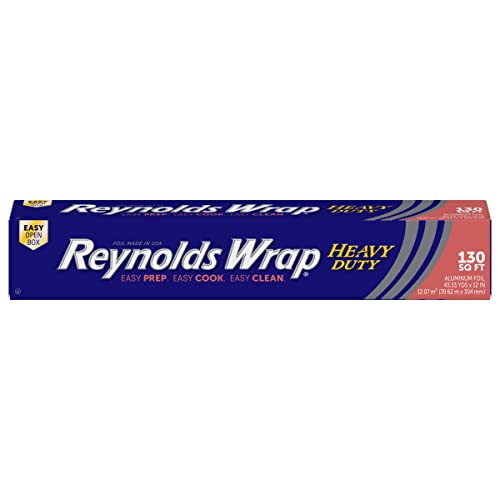
Package Includes-One (1) Reynolds Wrap Heavy Duty Aluminum Foil Roll measuring 130 feet long by 12 inches wide (130 square feet total)
Monitoring Internal Temperature Progression
Accurate internal temperature monitoring is your most reliable tool for smoking brisket successfully. You’ll achieve ideal probe placement by inserting your thermometer into the thickest part of the flat, guaranteeing consistent readings throughout cooking.
Invest in a wireless leave-in meat thermometer for continuous monitoring without opening your smoker. This eliminates temperature fluctuations that compromise your cook. Track progression through each phase: expect 140°F within four hours, then slower climbs through the plateau zone around 170°F-195°F. Once you breach 195°F, temperature typically accelerates toward your target of 205°F. The collagen breakdown into gelatin during this temperature range is what creates the tender, succulent texture that defines perfectly smoked brisket. Many championship BBQers rely on simple salt and pepper seasoning applied liberally before the smoke to enhance the natural flavors revealed during this critical temperature phase. For serious pitmasters, wireless models with 300-foot range capabilities ensure you can monitor your brisket from anywhere in your yard without compromising the cook. Consider models with app connectivity for real-time temperature alerts on your smartphone during extended cooks. High-end pellet smokers like the Yoder Smokers YS640S offer premium temperature control systems that maintain consistent pit temperatures essential for achieving perfect results. Brands like Traeger and Weber are known for their reliable temperature control and connectivity features that help maintain the consistent pit temperature essential for smoking brisket.
Use an instant-read thermometer to confirm doneness before removing meat from heat. This accurate temperature monitoring, combined with maintaining steady 225°F pit temperature, delivers predictable results and maximum tenderness every time.
Wrapping Your Brisket for Optimal Results
Wrapping your brisket strategically accelerates you through the stall while preserving the bark and moisture you’ve worked to develop. You’ll want to wrap when your brisket reaches 155-170°F internal temperature, timing this critical step to regulate both temperature and humidity.
Choose optimal wrapping techniques based on your priorities. Pink butcher paper balances moisture retention with breathability, maintaining firmness while trapping heat and juices. Foil creates a tighter seal but risks softening your bark if applied too early. Butcher paper wrapping allows brisket to breathe more and avoids over-steaming compared to full foil enclosure. Similar to smoking ribs, maintaining proper temperature and humidity throughout the wrapping phase ensures optimal tenderness and flavor development. Like the pre-cooking method used for ribs, wrapping your brisket helps render fat and tenderize the meat through controlled heat and moisture management. The visual cues of a mahogany color on your brisket indicate proper bark development before wrapping begins. Wood choices like apple, cherry, or oak contribute to the overall flavor profile of your smoked brisket.
For ideal moisture balance, add ½ to ¾ cup liquid based on brisket size—complements work with your rub while preventing oversaturation. Like smoking potatoes that benefit from moisture retention, wrapping your brisket with added liquid helps achieve maximum tenderness throughout the cook. Employ the burrito wrap method for a secure seal, folding sides tightly to lock juices fully inside. Allow the wrapped brisket to rest for at least 30 minutes before unwrapping to ensure the collagen and connective tissues have fully broken down. This meticulous approach guarantees consistent results across your smoke.

Designed specifically for the culinary enthusiast, our 18 paper roll dispenser is optimally crafted to handle barbecue butcher paper, thereby ensuring the authentic taste of your smoked meats is maintained. This is your ideal bbq wrapping paper for smoking

【PREMIUM NATURAL QUALITY】Made from premium virgin pulp, our butcher paper is unwaxed, uncoated, and unbleached for a natural and pure product. Ideal for grill masters seeking top-notch, food-safe paper to enhance their culinary creations.

【PREMIUM NATURAL QUALITY】Made from premium virgin pulp, our butcher paper is unwaxed, uncoated, and unbleached for a natural and pure product. Ideal for grill masters seeking top-notch, food-safe paper to enhance their culinary creations.
Preventing Dryness With Low and Slow Cooking
Your wrapped brisket’s success hinges on maintaining precise temperature control throughout the cook, since even minor heat fluctuations can undo all your moisture-preservation efforts. At 225°F, you’re allowing collagen to break down gradually without accelerating evaporation that higher temps trigger. Using a digital meat thermometer is the best way to ensure your brisket stays within the ideal temperature range and doesn’t exceed 205 degrees.
Choice-grade flats demand this gentle approach because they lack ideal fat content for faster cooking methods. Their lean structure means you’ll need roughly one hour per pound—a 15-pound flat requires approximately 15 hours at steady heat. To further protect against dryness, consider injecting lower grade briskets with moisture before the cook begins. For hands-off temperature monitoring throughout your extended cook, wireless meat thermometers with apps allow you to track both internal brisket temperature and smoker heat without constantly opening the lid.
The ideal collagen content converts to gelatin slowly under low temperatures, rendering the meat tender while retaining juices. Rushing the process or pushing temperatures higher tightens muscle fibers and forces moisture out, leaving you with a tough, dry result. Patient, consistent heat preserves everything you’ve worked to retain. Just as high-temperature searing can damage meat quality, low and slow smoking protects the structural integrity of your brisket by allowing gradual collagen conversion without forcing out precious moisture. Consistent maintenance of your cooking equipment, including safe grill cleaning, ensures your smoker performs reliably throughout the extended cook time required for brisket.

Smart Display Base with Control: The ThermoMaven G1 wireless meat thermometer features a versatile smart display base that offers real-time temperature readings and allows you to set temperatures directly on the device—no app required. With our user-friendly one-click setup, you can connect the probe, pair it with the base, and start cooking in seconds—no complicated setup needed!

PERFECT DONENESS, EVERY TIME: This smart cooking thermometer takes away guesswork with real-time internal temperature updates, flip reminders, rest timers, estimated cooking times, Guided Cooking recipes, and more!

SMART BASE CONTROL: Set temperatures, monitor progress, and receive alerts directly from the base without needing your phone nearby.
Resting and Slicing Your Finished Brisket
After you’ve pulled your brisket from the smoker, you’re not ready to slice—not yet. You’ll want to rest it for a minimum of one hour, though two to three hours yields ideal internal temperature stabilization and moisture retention techniques that make the difference between mediocre and exceptional brisket.
Wrap your brisket in foil and place it in an insulated cooler with towels. This method maintains safe temperatures while allowing collagen to continue gelatinizing and juices to redistribute throughout the meat. The cooling process reduces internal pressure, preventing moisture loss during slicing. Using a meat thermometer to monitor temperature ensures your brisket stays in the safe temperature zone throughout the resting period. Just as cleaning your grill’s interior requires patience and proper technique, allowing your brisket adequate resting time is essential for optimal results. Skipping this resting period means juices run out onto your cutting board, leaving the meat dry and tough regardless of your smoking technique. Remember that cutting off oxygen supply is similarly critical when you’re finished cooking and need to safely extinguish your charcoal grill.
After resting, your brisket will slice cleanly with retained juiciness. Consider using a specialized meat scraper to achieve clean, precise cuts through the finished brisket. Don’t rush this critical step—patience here separates great brisket from disappointing results. Proper finishing also protects your grill from food residue and grease buildup, which can affect future cooking performance. The probe-tender meat you’ve worked hours to achieve deserves proper finishing, much like how internal temperature monitoring ensures optimal doneness when smoking other cuts of meat.
Comparing 225 Degrees to Higher Temperature Methods
While low-temperature smoking at 225°F offers superior smoke ring development and deeper flavor penetration, it demands significant patience and precise temperature management. You’ll invest 8+ hours for larger briskets, risking dryness in lean meat during extended heat exposure.
Higher temperatures—250°F to 275°F—dramatically reduce cook time to roughly 10 hours while promoting superior bark formation. You’ll achieve juicier results through better fat rendering, though with slightly less pronounced smoke ring development. Using hardwood like oak and cherry will enhance the flavor complexity at these elevated temperatures. A thermometer is essential to accurately monitor your meat’s internal temperature throughout the smoking process. Avoid softwoods like pine, as they produce bitter residue that negatively impacts your final product.
At 275°F, you’ll complete a 4-5 lb flat in approximately 6 hours, eliminating overnight starts. The trade-off favors convenience without sacrificing quality. Both methods target 195°F-205°F internal temperature and wrap at 165°F-170°F, but your temperature choice fundamentally shapes cooking duration and final texture.

[4-Flavor Smoking Wood Chips Variety Pack for Smoker] This smoking wood chips variety pack includes Apple, Cherry, Hickory & Oak—four classic hardwood flavors designed to suit different meats and smoking styles. Ideal wood chips for smoker users who want flexibility, balanced smoke intensity, and authentic BBQ flavor across every cook.

Made In the USA: Celebrate homegrown quality with these premium wood chips made in Arkansas and Missouri