
You’ll smoke your pork tenderloin for 30 minutes per pound at 225°F, which typically yields perfectly tender results in 1-2 hours depending on thickness. Pull it when the internal temperature hits 140°F—carryover cooking will raise it to the safe 145°F standard. Use a digital thermometer inserted into the center for accuracy. After smoking, let it rest for at least 3 minutes before slicing. Mastering the timing and temperature monitoring separates mediocre results from restaurant-quality tenderloin.
Understanding Optimal Smoking Temperature Ranges
Getting your smoker to the right temperature is fundamental to success with pork tenderloin. You’ll want to maintain 225°F throughout your smoking process, preheating with the lid closed for 15 minutes to establish stability. If you’re working with time constraints, 250°F offers a suitable alternative for approximately one-hour cook times.
Temperature consistency matters greatly. Air circulation impacts how evenly heat distributes around your meat, affecting cook time and final texture. Your wood to smoke ratio influences both temperature maintenance and flavor delivery—apple wood is the preferred smoking wood for pork tenderloin, and lighter fruit woods like peach work remarkably well at these lower temperatures without overwhelming delicate pork. The meat finish temperature of 145°F ensures your pork tenderloin reaches proper doneness while maintaining optimal juiciness.
Consider using a remote digital thermometer to monitor pit temperature wirelessly. Weather conditions outdoors will impact your ability to hold steady temperatures, so adjust your setup accordingly for desirable results. You can also blend cherry and maple woods for additional sweet notes that complement pork without overpowering its natural flavor. Aim for thin blue smoke rather than thick white smoke to achieve clean combustion and prevent harsh, bitter flavors from developing on your pork. Quality 100% natural hardwood pellets from brands like Lumberjack or Bear Mountain deliver consistent heat and bold smoky flavor without fillers or additives. For longer smoking sessions, wood chunks burn longer than chips and provide more sustained smoke production. Experimenting with different pellet blends allows you to discover unique flavor combinations that enhance your pork’s natural taste.
Calculating Smoking Duration Based on Meat Thickness
Once you’ve established your smoker’s temperature stability, you’ll need to calculate your cook time based on your pork tenderloin’s thickness—the two factors work hand in hand to determine when your meat reaches the target 145°F internal temperature.
At 225°F, expect approximately 30 minutes per pound for uniform cuts. Thinner sections finish in roughly one hour, while denser profiles require up to two hours. Measure thickness at the thickest point and insert your probe there for accurate monitoring. Resting the pork loin after smoking is essential for maintaining juiciness and allowing carryover cooking to complete properly.
External conditions matter greatly. Cold weather extends cooking times considerably, so adjust expectations accordingly. The effects of spritzing every 30 minutes help maintain moisture during longer cooks without drying lean meat. For best results, use oak, pecan, hickory, apple, or cherry wood chips to enhance the smoke flavor throughout the cooking process. Always prioritize internal temperature over elapsed time, pulling at 135-140°F to account for carryover cooking to your target 145°F. Investing in a reliable thermometer ensures you accurately monitor doneness and achieve perfect results every time.
The Science Behind Carryover Cooking
Three critical factors—heat gradient, meat mass, and internal structure—determine how much your pork tenderloin’s temperature’ll rise after you pull it from the smoker. During smoking, residual energy accumulation occurs as heat penetrates from the surface inward, creating a thermal reservoir within the meat.
Pork tenderloins experience predictable temperature changes during rest. Because smoking typically occurs at lower temperatures than roasting, carryover cooking remains modest—typically 3-5°F. However, the meat’s density and bone structure affect heat distribution. Thicker sections retain more heat than thinner portions. According to the second law of thermodynamics, heat flows from hotter to cooler areas to reach equilibrium throughout the meat during the resting period. Unlike high-heat cooking methods such as grilling or roasting, low-and-slow smoking methods produce minimal carryover temperature increases.
You’ll achieve ideal results by removing your tenderloin 5°F below your target temperature. This accounts for the rise during resting. Monitor internal temperature with a probe thermometer to time your pull precisely, ensuring you capture perfect doneness without overcooking. Maintaining precise temperature control throughout the smoking process is essential for consistent results and helps you predict carryover effects more accurately. Letting the meat rest for 10 to 15 minutes before serving allows juices to redistribute, ensuring moist meat. Similar to how grills use vents to manage airflow and heat output, smokers rely on regulating airflow to maintain consistent cooking temperatures and control the intensity of heat transfer to your meat.
Achieving Safe Internal Temperature Standards
You’ll need to zero in on 145°F as your target internal temperature for pork tenderloin, following USDA guidelines that balance food safety with ideal flavor and moisture retention. Insert your digital probe into the center of the meat and set your alarm accordingly. Verify final temperature with an instant-read thermometer, maintaining thermometer calibration for accuracy. Monitor closely past 135°F to hit your exact target, as lean cuts dry quickly when overcooked. Some pitmasters pull at 140°F for increased tenderness, though this carries higher risk for immunocompromised individuals. After reaching 145°F, rest your tenderloin three minutes to confirm safety standards and allow carryover cooking to finish naturally. Achieving safe handling practices requires vigilance and precision throughout your smoking process. Consider injecting the tenderloin with melted butter before smoking to maintain juiciness and prevent the meat from drying out during the cooking process. Using a pellet smoker provides gentle cooking temperatures compared to direct high heat, making it easier to reach your target temperature without overshooting. Resting the meat covered in foil after smoking locks in moisture and allows the juices to redistribute throughout the tenderloin.

【Fast & Accurate】Our meat thermometer digital delivers accurate readings within ±1°F in just 1–2 seconds, with a wide temperature range of -58°F to 572°F (-50°C to 300°C). No more waiting over the heat - know your food's exact temperature instantly.

【8X Faster + 4X More Precise】: Upgraded with an industrial-leading professional thermocouple sensor, Themomonster meat thermometer digital with NIST certified ±0.5℉ precision provides you the accurate temperature of your food in just 0.5 Seconds.
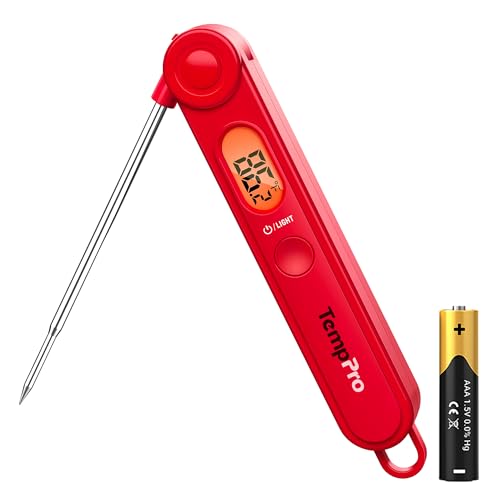
【Easy to Use】Easily release the meat probe at the push of a button, and control the backlight or power with another button. With TempPro, cooking becomes a seamless, stress-free experience
Selecting and Preparing Your Wood for Smoking
With your temperature targets locked in, wood selection becomes your next critical decision point—it’ll directly shape the final flavor profile of your pork tenderloin.
You’ll want to prioritize fruit woods like apple or cherry for optimal results. These milder options deliver clean, sweet notes without overwhelming the meat. For deeper complexity, consider blending hickory with cherry—this combination provides balanced sweetness and smokiness. Softwoods like pine and cedar should be avoided due to their resin content, which creates unpleasant flavors in your final dish. Cherry wood chunks offer a mildly sweet flavor while hickory wood chunks provide a stronger and bolder flavor profile.
Understand wood grain characteristics to guarantee consistent burning. Select kiln-dried chunks from reputable suppliers; they produce superior flavor without excessive ash. Avoid mesquite entirely—its bold intensity will dominate tenderloin. Cherry imparts an attractive mahogany color to the meat’s surface, making it an excellent choice for presentation alongside its mild, fruity smoke. Maple wood also works well for pork tenderloin, offering a subtle sweetness that complements the meat without overpowering it. Oak varieties like red oak serve as excellent base woods that can be blended with fruitwoods for milder profiles while maintaining slow, steady burns.
When seasoning wood types, use hickory sparingly to prevent overpowering your meat. Oak and pecan offer steady, non-intrusive smoke. Chunks work better than chips for extended smoking sessions, providing sustained heat and smoke throughout your cook. If you’re using a pellet smoker, look for 100% hardwood pellets with low moisture content to ensure consistent burn rates and optimal smoke production. Pair your wood selection with quality natural hardwood charcoal for clean burns and minimal ash production during low-and-slow cooking.

REAL CHUNKS, NOT CHIPS: 2"x3" pieces burn 30-60 min each. Chips burn out in 5 minutes

SWEET, SUBTLE SMOKE FLAVOR: Cherry wood chunks produce a mild, fruity smoke perfect for pork, poultry, seafood, and veggies

Versatile Use for Multiple Occasions: Whether you're having a party, enjoying a quiet night in, or cooking up a storm for your family and friends, our cooking wood is sure to make your event memorable
Essential Seasoning and Marinade Techniques
How you season your pork tenderloin determines whether it’ll have a memorable crust and deeply layered flavor or fall flat during smoking. Start by removing the silver skin, then pat the meat dry and brush it lightly with olive oil as a binding agent. Apply your dry rub—combining dark brown sugar, smoked paprika, chili powder, garlic powder, onion powder, cumin, and sea salt—ensuring even distribution across all surfaces. You can store the raw pork with the rub applied in your refrigerator for 2-3 days without any loss of quality.
For marinating, blend honey with Dijon mustard as your sweet-tangy base, then add apple juice for enhancing moisture levels. Fresh thyme contributes herbaceous complexity that pairs exceptionally with pork. Marinate for 2-12 hours under refrigeration to allow enzymatic tenderization. An Asian rub with five-spice powder, ground ginger, and Szechuan peppercorns offers an alternative approach that complements the smoky flavor beautifully. During smoking, spritz apple cider vinegar for controlling smoke intensity while maintaining juiciness and developing that coveted caramelized exterior. Consider adding a smoke tube alongside your pellet grill to intensify the wood-fired flavor throughout the smoking process. For consistently exceptional results, serious enthusiasts often turn to high-end pellet smokers that deliver precise temperature control throughout the smoking process. Models equipped with PID controllers ensure temperature stability that prevents fluctuations during long smoking sessions. Premium options like the Rec Tec Flagship 1100 maintain temperatures within 5 degrees, offering the same precision used for perfect brisket when smoking pork. Just like with smoking larger cuts, monitoring internal temperature is more reliable than relying solely on cooking time to achieve perfect doneness.

Pork rub with the right amount of sweetness

One 4.76 ounce container of Pork Rub & Seasoning

Award-Winning BBQ Seasoning – Famous for its balanced blend of savory, smoky, and mildly spicy flavors, trusted by championship pitmasters and backyard grillers alike.
Mastering Thermometer Usage and Monitoring
Getting your pork tenderloin to the perfect doneness hinges on precise temperature monitoring—there’s no guessing when it comes to food safety and texture. Proper probe placement is critical; insert your thermometer into the center of the thickest section, avoiding bones and fat pockets that skew readings. A remote digital thermometer like the Thermoworks Smoke lets you track both meat and smoker simultaneously without opening the lid.
Maintaining steady smoking temperature at 225°F guarantees predictable cooking. You’ll typically reach 145°F in one to two hours depending on size. Insert your probe before smoking begins for continuous oversight. Track the internal temperature rise until hitting 135°F, then apply sauce and finish to your target. Check multiple spots across the tenderloin for uniform doneness before resting. Using a meat thermometer inserted in the thickest part is crucial to ensure proper doneness without overcooking. For budget-conscious grillers, the ThermoPro TP20 offers dual probes and 300-foot wireless range for under $45. For quick temperature checks during the cook, an instant-read thermometer like the ThermoWorks Thermapen ONE provides the fastest and most accurate readings. If you need through-house range, consider upgrading to models with radio-frequency designs like the FireBoard Pulse or ThermoWorks RFX for more reliable long-distance monitoring. Just as reliable ignition systems like electronic ignition kits are essential for consistent grill performance, dependable temperature monitoring ensures perfect results every time. Remember that resting after cooking allows carryover cooking to continue raising the internal temperature slightly. For best results with pork tenderloins, remove from grill once the internal temperature reaches 145°F to ensure optimal juiciness and flavor.

Smart Display Base with Control: The ThermoMaven G1 wireless meat thermometer features a versatile smart display base that offers real-time temperature readings and allows you to set temperatures directly on the device—no app required. With our user-friendly one-click setup, you can connect the probe, pair it with the base, and start cooking in seconds—no complicated setup needed!

PERFECT DONENESS, EVERY TIME: This smart cooking thermometer takes away guesswork with real-time internal temperature updates, flip reminders, rest timers, estimated cooking times, Guided Cooking recipes, and more!

SMART BASE CONTROL: Set temperatures, monitor progress, and receive alerts directly from the base without needing your phone nearby.
Trimming and Preparing Your Tenderloin
Before you place that tenderloin in the smoker, you’ll need to prepare it properly—and that starts with removing the silver skin and excess fat that’ll otherwise compromise your final result.
Position your tenderloin horizontally on a cutting board and select a sharp fillet knife. Start with membrane removal by puncturing your blade tip under the silver skin’s edge, then angle upward and apply gentle pressure to lift and slice. Work methodically around the entire loin, minimizing meat loss while eliminating this tough, inedible layer. The iridescent sheen of silver skin makes it easy to identify before removal.
Next, employ precise cutting techniques to trim excess fat, leaving minimal bits for flavor. Work from one end to the opposite, using smooth, controlled strokes. Once trimmed, season with kosher salt and black pepper. Your tenderloin’s now ready for the smoker. A boning knife is the best tool for achieving these close, controlled trimming results. If you prefer to sear your tenderloin after smoking, a cast iron grill pan with tall ridges will produce excellent grill marks and superior heat retention. These pre-seasoned cast iron options resist metal utensils and build natural non-stick seasoning over time with simple maintenance. For stovetops, ensure your pan is compatible with your heat source whether gas, electric, or induction. A disposable pan beneath the tenderloin can simplify cleanup and catch drippings during the smoking process. After cooking, clean your grill grates with a wooden grill scraper to safely remove residue without the bristle risks associated with wire brushes.
The Critical Resting Period for Juiciness
Once you’ve pulled your tenderloin from the smoker at 140°F, you’re only halfway to a perfectly juicy final product—the resting period‘s what actually determines whether you’ll bite into succulent meat or a dry, disappointing result. During this critical window, carryover cooking elevates your meat’s internal temperature to approximately 145°F while muscle fibers relax and reabsorb redistributed juices throughout the meat. You’ll want to rest your tenderloin exposed for 5 to 10 minutes minimum, though 15 to 30 minutes yields ideal moisture retention. This exposed approach prevents steam accumulation that’d compromise your exterior texture. The salt from your rub helps bond juices inside the meat during resting, ensuring they remain distributed rather than pooling at the surface. Using a meat thermometer to monitor your pork’s temperature accurately throughout the cooking and resting process prevents both undercooking and overcooking. Similar to smoking chicken, allowing your meat to rest after smoking gives the juices time to redistribute properly before carving. Resting your meat for 15 to 20 minutes before carving ensures maximum juice retention throughout the tenderloin. Just as reheating until 165°F ensures food safety for leftover poultry, monitoring your rested pork’s final temperature confirms it’s reached the safe zone for consumption. For reheating any leftover pork tenderloin later, use low temperature heating around 300°F with a covered pan to maintain moisture and prevent drying. Temperature monitoring remains essential—extend resting beyond 30 minutes and you’ll sacrifice both safety and quality as the meat cools excessively.
Slicing, Serving, and Sauce Pairing Methods
Your rested tenderloin‘s now ready for the knife, and proper slicing technique‘ll determine whether you’ve preserved all that hard-won juiciness or compromised it in the final moments. Slice against the grain using clean, thin cuts—aim for three-quarters inch minimum thickness to retain moisture. Before slicing, apply trimming methods by removing silver skin with a boning knife, angling upward to minimize meat loss.
Follow serving guidelines by cutting perpendicular for chops or into cubes for kabobs. Present slices with clean edges, portioning roasts into thirds at 2.5-3 pounds each, feeding 5-6 people per section. For best quality results, consume your smoked tenderloin within 6 to 12 months if storing frozen portions with paper wrapping. If you’re refrigerating leftover smoked pork, store it at or below 40°F and use within three to four days for optimal safety. Finish with mild salt for subtle enhancement. To ensure optimal tenderness and even cooking throughout your smoked tenderloin, remember that equal thickness preparation during the initial setup prevents dry spots at the thinner end. If your grill grates need maintenance before your next cook, apply high-temperature cooking oils like vegetable or canola oil right before and after each use. For cast iron grates specifically, repeat the oil application and heating steps multiple times to build a durable protective coating that prevents rust and food from sticking. After grilling, perform routine light cleaning by brushing off debris while the grates are still warm to maintain optimal performance. Between cooks, empty and wipe down the drip pan to prevent grease buildup that attracts pests and compromises future smoking sessions. Pair your smoked tenderloin with creamy garlic sauce or complement its versatile, mild profile with complementary flavor profiles.