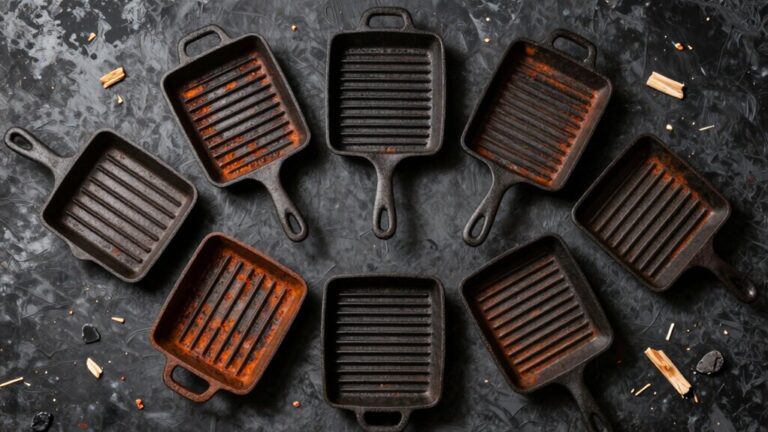

You’ll restore your grill grates by starting with the burn-off method to carbonize residue, then scrubbing firmly with a grill brush or foil ball. For stubborn buildup, apply a baking soda and vinegar paste, letting it sit 15-30 minutes before scrubbing. Commercial degreasers work well for heavy grease, while pressure washing tackles deep restoration. Always rinse thoroughly and dry completely before reassembly. Each method offers distinct advantages depending on your grate’s condition.
Post-Use Cleaning Techniques
You’ll want to start your post-use cleaning routine with the burn-off method, which leverages high heat to carbonize stuck-on residue. Turn burners to high, close the lid for 10-15 minutes, then cool your grill to 250-300°F before scrubbing.
Apply firm scrubbing motions with a grill brush or foil ball, working back-to-front across the grates. For a chemical-free alternative, cut an onion in half and rub the cut side along the grill grates following their lines to remove light carbonization and charred food. For effective soaking times, submerge heavily soiled components in soapy water to break down built-up fat. Use a stainless steel wire brush on flame tamers and undersides, and employ a toothbrush for detailed burner work.
After scrubbing, wipe grates with an oil-dipped towel using tongs to prevent sticking. Rinse thoroughly and dry completely before reassembly. For environmentally conscious grillers, a vinegar and water solution can effectively clean grill racks when sprayed on and left to dry for at least 10 minutes. You can also create a baking soda paste with water to tackle particularly stubborn buildup on grill grates. Bar Keepers Friend is particularly effective for removing tough grime and rust from stubborn stains on grates and other components. For heavy grease and carbonization, Dawn Powerwash is a seller-recommended option that effectively lifts baked-on deposits from interior grates. Always test-spot any cleaner on an inconspicuous area of your grates before applying it to the entire surface. Regular cleaning of burners and drip pans helps prevent dangerous grease fires during your summer cookouts. Finally, perform a 20-minute burn-off post-cleaning to guarantee your grill’s readiness.

DETACHABLE SPACE-SAVING DESIGN: Remove the handle after use and store this space-saving grill brush in drawers, cabinets, grill carts, RV compartments, and toolboxes for transport

PRACTICAL: Wire brushes are ideal for removing paint stains, rust, welding slag,solder,scale, Great for remove corrosion and more from parts, equipment, machinery and other surfaces. Also great for cleaning threads, grills or tile.

Extra Strong Ergonomic Handle - Still believe that as long as the bristles are stiff enough, the grill cleaning brush can live up to the name - a good barbecue brush? Of course not! A soft and sturdy handle with a stainless steel ring for hanging can make the clean work easier. No possibility such as the handle breaking up or snapped. You can succeed in using this BBQ cleaner for a very long time!
Natural Cleaning Methods With Baking Soda and Vinegar
Because chemical cleaners can damage certain grate finishes and leave harmful residues, baking soda and vinegar offer an effective, food-safe alternative that leverages natural chemical reactions to break down grease and burnt-on debris. You’ll create a paste by mixing 1.5 cups baking soda with 0.5 cups water, then apply it generously to your grates and let it sit 15-30 minutes. Next, you’ll spray white vinegar over the paste, triggering a fizzing reaction where these oxidizing agents work together as a degreaser and disinfectant. The bubbling action lifts stubborn residue mechanically. You’ll then scrub with a nylon brush, targeting oily areas where baking soda’s abrasiveness breaks down grease effectively. For extra stubborn buildup, consider leaving the vinegar and baking soda mixture on the grates for up to an hour before scrubbing to allow more time for the chemical reaction to penetrate tough, burnt-on debris. You can also use aluminum foil crumpled into a ball to scrub the grate wires for additional abrasive cleaning power. This lemon with aluminum foil combination has been tested as one of the top-performing natural cleaning methods for removing grime effectively. After scrubbing, remember to clean both sides of the grates to ensure all carbon buildup and grease residue is removed. These natural methods eliminate the danger of ingesting metal bristles that can break off from traditional wire brushes and contaminate food. For flat-top griddles and steel grill surfaces, pumice-based grill bricks provide an ecological alternative that removes grease and rust without scratching when used with only water and light pressure. If you’re dealing with rust on flat surfaces, you can use a green scouring pad with water to remove stubborn rust before re-seasoning the surface. Finally, rinse thoroughly and dry completely before applying vegetable oil to prevent rust.
Commercial Degreaser Applications
While natural methods work well for light buildup, commercial degreasers deliver superior cutting power against stubborn, baked-on grease and carbonized debris. High performance degreasers like Oil Eater Original Cleaner cut through tough residue efficiently when you apply them to soaked grates.
You’ll want to consider product safety considerations by selecting non-toxic, biodegradable formulas that won’t harm your family or environment. Spray-form applications allow quick coverage of grill surfaces. For ideal results, let citrus-based degreasers sit for approximately 10 minutes before scrubbing with nylon brushes. Citrus-based degreasers are particularly effective because their natural acidity helps break down stubborn carbonized buildup without damaging grate materials. Oil Eater® Cleaner & Degreaser is easy-to-use and makes the cleaning process more efficient for home grill owners.
After mechanical removal completes, you must rinse all degreaser residue thoroughly with a garden hose before cooking. This critical step prevents chemical contamination of your food. For heavy buildup situations, products like Carbona’s 2-in-1 Oven Rack and Grill Cleaner can tackle grime on cold grates in just five minutes with minimal scrubbing required. Complete water removal with shop towels protects against corrosion while preserving your grates’ integrity. Avoid using wire brush tools on stainless steel grills to protect their finish from scratches and damage. For ongoing maintenance between deep cleans, consider using a heat-resistant sponge brush that can withstand high grill temperatures and eliminates the safety risks associated with traditional wire bristles. Always protect your hands with grill mitts when handling cleaning tools and hot grill surfaces during the cleaning process. Once your grates are thoroughly cleaned and dried, protect them from the elements with heavy-duty grill covers that provide weather protection and extend the life of your equipment.

ZEP HEAVY-DUTY CITRUS DEGREASER: Natural citrus solvents remove adhesives, grease and oil from most surfaces

Great To Use On: Appliances, Grills, Stovetops, Concrete, Tools, Engines, Fiberglass, Aluminum, Stainless Steel And Kitchen Surfaces

Citrusafe BBQ Grill Grate Cleaner, 23 FL OZ
Pressure Washing for Deep Restoration
When commercial degreasers and manual scrubbing can’t conquer severely carbonized buildup, pressure washing offers the heavy-duty restoration your grill needs. You’ll achieve complete coverage by maintaining safe distances from sensitive components like knobs and burner controls, avoiding surface damage that weakens grates. Position removed grates on driveways or grass for direct pressure washing, targeting undersides and burner caps where grime accumulates heavily. Multiple passes over stubborn areas yield superior results compared to single applications. Lower pressure settings during final rinse cycles protect grate surfaces from potential harm. For cast iron grates, you can follow pressure washing with a wire wheel on drill to further remove rust and corrosion. Pressure washing significantly reduces rust formation by effectively removing corrosive debris and grease that would otherwise deteriorate your grates over time. After cleaning, apply a thin layer of cooking oil to prevent future rust, as cleaning and oiling grates regularly provides essential protection against corrosion. Use high-temperature cooking oils like vegetable or canola oil, which have high smoke points ideal for grill grate protection. For stainless steel grates, always scrub along the grain of the metal to prevent damage and maintain the protective surface finish. Once pressure washing is complete, wipe down and polish the exterior surfaces to restore shine and protect against the elements. Allow the grates to air dry completely before reassembling to ensure no moisture remains that could promote rust. For frequency recommendations, implement pressure washing quarterly or semi-annually, depending on usage intensity. This periodic deep cleaning prevents excessive carbon buildup, extending your grill’s lifespan considerably while maintaining excellent cooking performance.
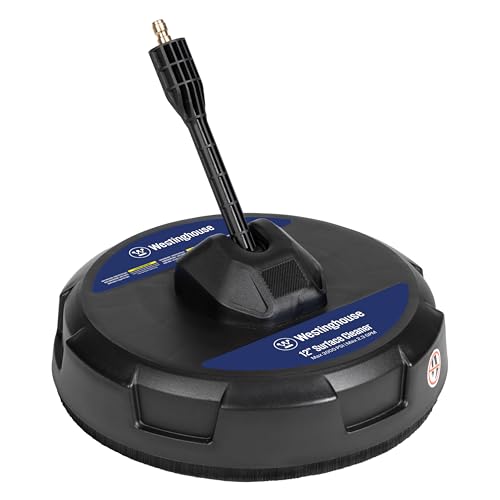
STREAK FREE CLEANING: Max 3000 PSI and max 2.3 GPM; This 12 inch surface cleaner delivers powerful, professional results on flat surfaces like decks, patios, driveways, sidewalks, walls and garage floors. Dual rotating jets spray evenly for a uniform blast in every pass of the wide cleaning deck
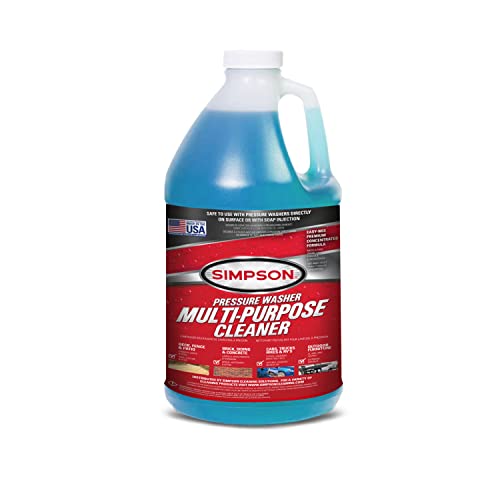
Multi-Purpose Cleaner: Non-butyl degreaser quickly cuts through tough oil and grease; eliminates the need to use several other products to get the cleaning job done
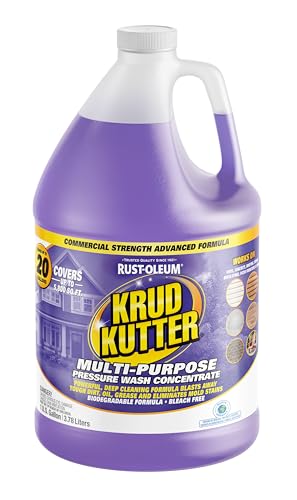
COMMERCIAL STRENGTH ADVANCED FORMULA: Penetrates and removes tough dirt, oil, grease, bird droppings, tree sap, and more
Material-Specific Care and Maintenance
Your grill’s grate material determines the most effective cleaning approach, and you’ll achieve superior results by identifying whether you’re working with stainless steel, cast iron, or porcelain-coated surfaces before applying any cleaning method. Stainless steel grates require gentle abrasion using aluminum foil and vinegar-baking soda paste, followed by vegetable oil protection. Cast iron demands high-heat burnoff and brass-bristle brushing, with post-cleaning oil application to maintain seasoning. Porcelain-coated grates need nylon brushes and baking soda solutions to avoid chipping.
Implement seasonal maintenance by applying thin oil coats to enhance non-stick properties and rust resistance across all materials. Regular deep cleaning prevents grease and fat buildup that can compromise grate performance over time. Stainless steel grates naturally resist rust due to their chromium content, making them lower-maintenance alternatives to cast iron for many grillers. For storage precautions, dry grates thoroughly and store in dry environments. After restoration, repeat the oil application and heating steps several times to build a durable coating that prevents food sticking and extends grate life. For cast iron grates with rust, soaking in vinegar effectively dissolves rust buildup before proceeding with scrubbing and re-seasoning. Perform post-cooking cleanup after every use to inhibit buildup and extend grate longevity. Understanding which components affect your grill’s performance helps you determine when cleaning is sufficient versus when parts need replacement, particularly when grates show signs of warping or extensive corrosion that compromises heat retention. Bar Keepers Friend powder mixed into a paste delivers superior results for cleaning stainless steel grill exteriors and restoring their original shine. For heavily damaged grates beyond restoration, consider applying Rust-Oleum High Heat spray paint to the exterior metal surfaces to prevent further corrosion and extend the grill’s lifespan.