
You’ll nail perfectly smoked ribs by mastering the 3-2-1 method: three hours unwrapped at 225-250°F, two hours foil-wrapped with apple juice, then one hour finishing unwrapped. Baby backs cook fastest, while beef ribs demand extended low-and-slow treatment. Target 190-200°F internal temp for fall-off-the-bone tenderness. Wind, cold, and humidity extend cook times by roughly 30%, so account for your environment. The specific techniques that separate competition-level ribs from mediocre ones reveal themselves through precise execution and intentional method selection.
Understanding Rib Types and Their Cooking Times
You’ll find that smoking ribs successfully hinges on understanding the specific characteristics of each cut you’re working with. Baby back ribs cook quickly due to their smaller, leaner composition, making them ideal for time-conscious pitmasters. Spare ribs demand longer cooking periods because of their increased meat density and size, while St. Louis-style ribs cook evenly thanks to their rectangular uniformity.
Beef ribs require extended low-and-slow smoking to achieve supreme tenderness. Consider cost effectiveness of rib selections alongside your available time—baby backs offer affordability and speed, whereas dino ribs demand substantial commitment but deliver unmatched flavor depth. Beef ribs are larger and meatier than pork alternatives, which directly impacts your smoking duration and temperature management. Wood smoke from post oak, hickory or mesquite adds signature depth and complexity to your smoked ribs. Quality charcoal grills with hinged grates make adding fuel during long smoking sessions far more convenient than constantly removing your cooking grate.
Rub composition variations differ regionally too. Memphis-style features paprika and cumin, while Kansas City employs spicy blends with tangy sauce. Baby back ribs typically require 4 to 5 hours at 225–250°F for optimal tenderness and flavor development. For those using gas grills, you can achieve tender ribs with indirect heat in about 1 hour at low temperature, monitoring until the internal temperature reaches 195°F to 200°F. Setting up a two-zone fire by piling lit charcoal to one side allows you to cook ribs on the cooler side away from direct flames. For best results, removing the membrane from the back of the ribs before seasoning allows your rub to penetrate the meat more effectively and improves the final texture. Comprehending these distinctions will ensure you’ll select the perfect cut and technique for your smoking goals.

PREMIUM MATERIALS - Cook or grill for years to come and never worry about rust or corrosion with an ultra-durable rib rack made out of stainless steel.

PREMIUM STAINLESS STEEL CONSTRUCTION Built to last through countless smoking sessions, this rib rack is crafted from food-grade stainless steel, offering exceptional durability, rust-resistance, and hassle-free cleanup in the dishwasher.

PREMIUM NON-STICK PORCELAIN COATING:Engineered with a heavy-duty food-grade enameled finish, this non-stick rib rack for smoking ensures effortless meat release without sticking or tearing. Free from PFAS, PFOA, and PTFE, the scratch-resistant coating protects your food while making cleanup a breeze. A reliable choice for your collection of smoking meat accessories and BBQ grill setups.
The 3-2-1 Smoking Method Explained
Now that you’ve selected your rib cut and understood its unique characteristics, it’s time to master the method that’ll transform those ribs into competition-quality results—the 3-2-1 smoking technique.
This six-hour process divides into three phases: three hours unwrapped smoking at 225-250°F, two hours foil-wrapped steaming, and one hour unwrapped finishing. Your rub application techniques determine bark quality—apply generously after patting ribs dry, letting it set 30 minutes to two hours beforehand. Throughout the first phase, maintain consistent temperature while managing smoke generation variables by shifting from direct to indirect heat positioning. This gradual smoke infusion breaks down connective tissues, reaching your 160-165°F stall point. The subsequent wrapping phase accelerates tenderness through moisture, while final unwrapping firms the exterior and caramelizes your sauce layers perfectly. Consider adding a splash of apple juice, beer, or BBQ sauce to the foil wrap to further infuse the meat with flavor during the steaming phase. For best results, flip ribs during each stage, positioning them meat side up initially, then meat side down during wrapping, and meat side up again for the final hour.
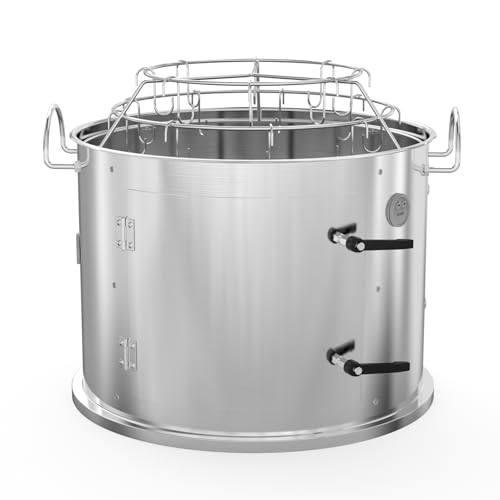
【Dimensions】Ring: 19" in diameter × 13.8" High. Rib rack: 17.5"in diameter × 7.2" high. Made of durable stainless steel, provides better heat resistance and last longer.

Ergonomic Design--Ofargo meat injector syringe plunger areas adopt flat design, greatly increase pressure surface, labor-saving and comfortable
Temperature Settings and Efficiency
Since temperature control‘s the backbone of smoking success, mastering the right heat range transforms your results dramatically. You’ll find that 250-275°F delivers ideal efficiency compared to lower temperatures, reducing total cook time while preserving moisture in lean cuts like baby back ribs.
Your preferred ramp up rates stabilize faster at these elevated temperatures, completing ribs in 4-5 hours versus the extended 5+ hour commitment at 225°F. The perfect temperature ranges prevent prolonged smoke absorption that risks bitter flavors while maintaining the collagen breakdown necessary for pull-apart tenderness. Tenderness serves as a better indicator of doneness than relying solely on internal temperature readings.
Monitor your smoker religiously with a reliable thermometer. You’ll achieve that perfect 190-200°F internal target without mushiness, maximizing efficiency without compromising quality. Higher heat means fewer variables threatening your final product. Wrapping your ribs in foil at halfway point protects the exterior from excessive smoke while the meat continues tenderizing inside. Your smoker’s adjustable vents and dampers play a crucial role in maintaining these precise temperature ranges throughout the cooking process. Opening the bottom and top dampers increases oxygen flow to boost heat when needed, while closing them reduces temperature for maintaining steady low-and-slow conditions. Understanding how radiant heat from burning charcoal or wood cooks your ribs helps you position the meat optimally for even cooking and proper smoke exposure. Grills with adjustable grates allow you to raise or lower your ribs relative to the heat source for superior temperature control throughout the smoking process. Quality charcoal baskets enhance fuel efficiency and airflow management, helping you maintain consistent temperatures throughout extended smoking sessions.

【Fast & Accurate】Our meat thermometer digital delivers accurate readings within ±1°F in just 1–2 seconds, with a wide temperature range of -58°F to 572°F (-50°C to 300°C). No more waiting over the heat - know your food's exact temperature instantly.

Instant Read Meat Thermometer | Our instant read thermometer features a temperature probe and advanced, highly accurate technology with a 1-2 second response time. Our instant read food thermometer comes pre-calibrated with instructions and a meat temperature chart, plus a recalibration feature if needed.
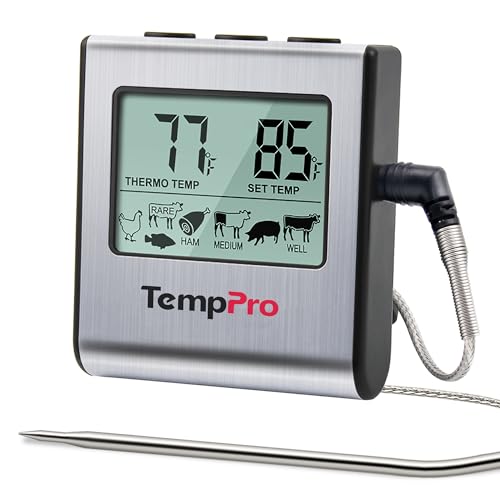
Cook mode with USDA preset temperature settings: TempPro cooking thermometer ideal for meat, oven, smoker or stove top; Programmable alert with preset temperatures for specific foods recommended by USDA; All of the preset temps can be reset to your desired tastes
Environmental Factors That Affect Cooking Duration
While mastering your smoker’s temperature control sets the foundation for consistent results, the environment surrounding your equipment plays an equally powerful role in determining your actual cook time. Wind and rain extend your total cooking duration by approximately 30% through heat loss and temperature instability. Cold conditions below 50°F demand extended resting periods up to 20 minutes, while temperatures above 90°F require reduced resting to just 10 minutes for food safety.
Your fuel quality directly impacts consistency—dry wood burns hotter and more readily than wet alternatives, maintaining stable cooking temperatures during adverse conditions. Atmospheric pressure variations and humidity levels influence moisture retention and bark texture, particularly when foil wrapping traps steam in warm, humid environments. Different rib types and cuts require varying smoking durations to achieve optimal results, so adjust your cooking time based on whether you’re smoking baby back ribs, spare ribs, or rib tips. St. Louis-style ribs typically require 4 1/2 to 6 hours of total smoking time when cooked at temperatures between 225°F to 250°F to achieve optimal tenderness. Resting ribs for 15 minutes allows muscle fibers to relax and redistribute juices throughout the meat, ensuring optimal tenderness. Before smoking, prepare your ribs by removing the membrane from the bone side to allow better seasoning penetration and improved tenderness. Strategic smoker placement away from wind exposure and precipitation prevents continuous temperature fluctuations that unnecessarily extend your smoking sessions. Managing airflow by adjusting vents helps you control oxygen supply and maintain stable temperatures throughout the cooking process. Just as heat tolerance matters when choosing between mayo and butter for grilled cheese, understanding your smoker’s temperature limits in different weather conditions prevents burning and ensures consistent results. Investing in a waterproof smoker cover with UV and mildew resistance protects your equipment from the elements and ensures consistent performance across multiple cooking sessions.
Doneness Indicators and Testing Techniques
Determining when your ribs’ve reached perfect doneness requires a multi-faceted approach that goes beyond a single indicator. You’ll employ bend testing techniques by lifting your rack with tongs—when it bends easily with slight surface cracking, you’re nearing completion. Simultaneously, use the toothpick test, inserting it between bones into the thickest meat; minimal resistance signals readiness.
Your texture evaluation methods should include the twist test, where meat pulls cleanly from bone without toughness. Monitor internal temperature between 195-203°F for ideal collagen conversion to gelatin, ensuring tender results without mushiness. Remember that color is not a reliable indicator of doneness on its own.
Visual cues matter too: watch for deeper reddish-brown coloring, rendered fat creating a glistening surface, and bone pull-back of quarter to half inch. The ribs should retain some bite rather than falling completely off the bone, which indicates the ideal tenderness you’re aiming for. This thorough assessment prevents undercooked, rubbery results while avoiding the mushy texture of overcooking. The color transitions from pale pink to deeper brown shades provide reliable indicators of your ribs’ progression toward completion.
Equipment Considerations for Consistent Results
Achieving those perfect doneness indicators you’ve just mastered depends entirely on the equipment you’re working with—your smoker type, temperature controls, and handling tools will make or break your results. You’ll need a reliable digital thermometer like a Thermapen to monitor your cook precisely, maintaining that critical 225-250°F range without constant lid openings that disrupt timing. Brands like ThermoWorks and Fireboard offer precise temperature monitoring that eliminates guesswork from the cooking process.
Your ventilation adjustments directly control smoke quality, preventing black smoke taint that ruins flavor. Implement moisture retention methods strategically: water pans in gas smokers create heat barriers, while drip pans preserve juices and cleanliness. Spritz bottles with apple cider vinegar enhance both moisture and taste throughout your cook. Different wood types like hickory and applewood impart distinct flavor profiles that complement your ribs based on your personal preferences.
Long-handled tongs, heat-resistant gloves, and heavy-duty spatulas protect you during manipulation. Consider rib racks to maximize capacity, especially if you’re smoking larger batches. For wireless monitoring setups, budget-friendly options like the ThermoPro TP20 deliver app-enabled dual-probe functionality with 300-foot range for hands-off temperature tracking. These equipment investments transform inconsistent results into reproducible excellence.

Wireless Meat Thermometer with 3 Connection Modes: Ideal for cooking in any environment—switch between 2.4GHz WiFi (long-range), Bluetooth 5.4 (300ft), or offline mode. No more rushing back to the kitchen to check temps when hosting guests!
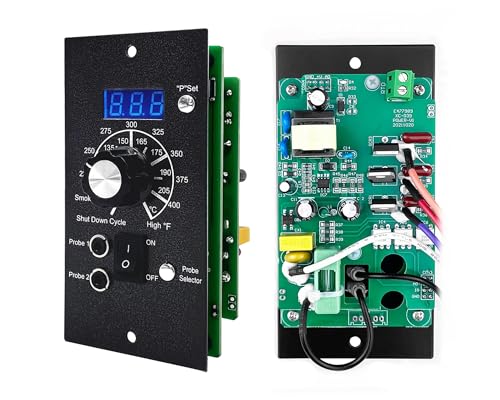
COMPATIBILITY: The grill digital thermostat is replacement for Traeger OEM part BAC365, BAC288, BAC236, fits 20, 22, & 34 Models, including Pro 20/22 34, Texas Elite 34, Lil Tex 22, JUNIOR ELITE 20, Ridgeland, Heartland, Mesa 22, Century 22/34, Silverton (2019), Select Pro, Eastwood 22/24(Not for PTG, Scout, Tailgater, or Bronson)

Bluetooth Monitor Remotely: Govee Bluetooth meat thermometer lets you check the temperature of your grill, smoker, or oven from your phone. With this smart BBQ thermometer, you can multitask while grilling.