
You’ll need roughly 30-35 minutes per pound when smoking a butterflied turkey at 225°F. For a standard 12-pound bird, that’s about 6-8 hours total. Use a meat thermometer to confirm the thickest breast section hits 165°F, accounting for 3-5°F carryover cooking. Maintain consistent smoker temperature between 225-250°F throughout. Keep a water pan inside to preserve moisture, and baste every 30 minutes with pan juices. There’s quite a bit more to master beyond the basics to nail that perfect smoked turkey.
Time Per Pound at 225°F
When you’re smoking a butterflied turkey at 225°F, you’ll typically need between 20 and 45 minutes per pound, though most pitmasters cluster around the 30-35 minute range for standard birds. The variation depends on several factors. If you’ve applied brining considerations beforehand, you might land on the lower end since the moisture retention shortens cooking time. For heat monitoring techniques, use a reliable meat thermometer rather than relying solely on time calculations—you’re targeting 165°F in the thickest breast section. Consistent smoker temperature maintenance between 225-250°F is critical for even cooking. A 12-pound butterflied turkey typically takes 4 to 5 hours at this temperature. Remember that wood selection and water pan placement influence how quickly your turkey smokes, so stay attentive throughout the process. Some pitmasters prefer to smoke at 225°F for initial smoke flavor before increasing the temperature to crisp the skin and finish cooking. Similar to other smoked meats, you can enhance flavor by using wood pellets such as apple or peach during the smoking process. Allowing the turkey to rest after smoking helps juices redistribute and the temperature rise an additional 5 degrees. Spatchcocking the turkey before smoking also eliminates the risk of contamination from stuffing, which is an added safety benefit to this preparation method. Do not discard the backbone, neck, and giblets as these components can be used to create gravy for serving alongside your smoked turkey. For larger birds, expect cooking times to extend to 6 to 8 hours at 225°F, so plan your smoking schedule accordingly. Using indirect heat ensures even cooking throughout the bird and prevents hot spots that could dry out the meat.

500FT Long Range: Compared with those Bluetooth meat thermometer on the market, this meat thermometer digital wireless equips itself with radio frequency technology that will ensure you stronger signal and more stable connection from up to 500FT

Bluetooth Monitor Remotely: Govee Bluetooth meat thermometer lets you check the temperature of your grill, smoker, or oven from your phone. With this smart BBQ thermometer, you can multitask while grilling.
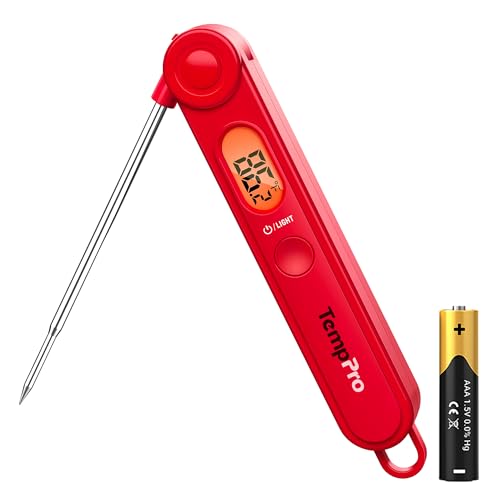
【Easy to Use】Easily release the meat probe at the push of a button, and control the backlight or power with another button. With TempPro, cooking becomes a seamless, stress-free experience
Calculating Total Cooking Time for Your Turkey
To determine your butterflied turkey‘s exact cooking time, you’ll need to account for three primary variables: the bird’s weight, your smoker’s temperature, and the critical difference between whole and spatchcocked preparation methods.
At 225°F, expect approximately 30-45 minutes per pound for your spatchcocked turkey. A 12-pound bird typically requires 6-8 hours total. However, you’ll achieve quicker results at higher temperatures: 250°F needs roughly 25 minutes per pound, while 275°F requires about 20 minutes per pound.
Monitor your oven chamber airflow to maintain consistent heat distribution across your flattened bird. Watch monitoring smoke intensity to guarantee flavorful results without oversmoking. Remember to factor in 30 minutes for preparation, 10-15 minutes for resting, and account for carryover cooking’s 3-5°F temperature rise. For optimal results, rest the turkey for 15-20 minutes after cooking to allow juice redistribution throughout the meat. Using pecan, maple, hickory, or cherry wood can elevate the flavor of your smoked butterflied turkey while you’re smoking. Consider placing a water pan in the smoker to help maintain moisture throughout the cooking process. Aim for an internal temperature of 165°F in the breast to ensure your turkey is properly cooked and safe to eat. Insert a digital meat thermometer in the thickest part of the breast for the most accurate temperature reading. The thigh should reach 180°F for optimal doneness and food safety. Remove the turkey at around 155-160°F internal temperature to allow for carry-over cooking to reach the safe 165°F threshold.

Made In the USA: Celebrate homegrown quality with these premium wood chips made in Arkansas and Missouri
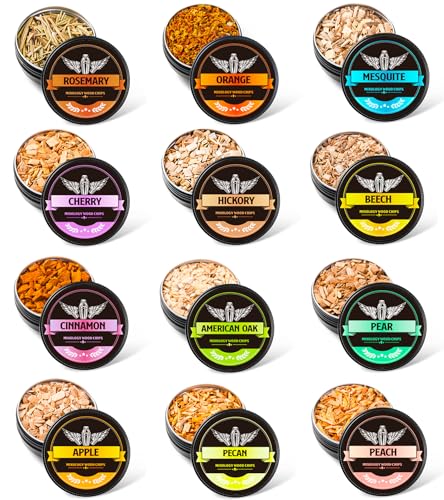
Assorted 12 Premium Smoking Flavors: This set includes 9 smoking wood chips of apple, cherry, oak, mesquite, pecan, pear, peach,hickory, beech wood and 3 herbs and spices including organge, rosemary and cinnamon,each offering its own distinct taste journey. Total 12 assorted of flavors allow you to explore infinite endless smoking possibilities

Kaluns Smoker Box For A Scrumptious Smokey Flavor Using Any Grill - Add delicious smokey flavor to your favorite piece of meat. Position our heavy-duty smoker box right underneath the grill grates for best results. l The holes around and on the lid of the box release tons of smoke within 10 minutes of the smoker box burning on the grill. Choose your favorite wood chip flavor,have it smoked up, and enjoy tasty smokey flavored Ribs, Chicken, Turkey
Temperature Consistency Requirements
Now that you’ve calculated your cooking timeline, guaranteeing steady heat throughout the smoking process becomes your next priority. You’ll need to keep your smoker locked at 225°F–275°F for the entire duration. This requires constant temperature adjustment and vigilant meat temp monitoring with a reliable thermometer.
Set up your smoker using indirect heat to distribute warmth evenly. If you’re using a pellet grill, preheat to high smoke or your 225°F setting. Gas grill users should run half the burners on medium-low. With charcoal, add fuel every 1–2 hours to sustain your target range. For enhanced monitoring accuracy, consider using a remote thermometer to track both your turkey’s internal temperature and smoker conditions throughout the cooking process.
Fluctuating temperatures push your turkey through the danger zone longer, risking bacterial growth. Check your thermometer frequently and adjust vents or burners as needed. Consistency is everything—this steady approach affirms your butterflied turkey cooks safely and evenly. Multi-probe systems with Wi-Fi connectivity allow you to monitor both meat and ambient temperatures without opening the smoker lid. For quick accuracy checks during your cook, an instant-read thermometer like the ThermoWorks Thermapen ONE delivers the fastest and most reliable readings. When smoking at low temperatures, ensure your smoker maintains the consistent heat needed to safely pass the meat through the danger zone within the recommended timeframe. For serious pitmasters who need to monitor from inside the house, radio-frequency thermometers provide superior range compared to Bluetooth models that often struggle through walls.

SMART BASE CONTROL: Set temperatures, monitor progress, and receive alerts directly from the base without needing your phone nearby.
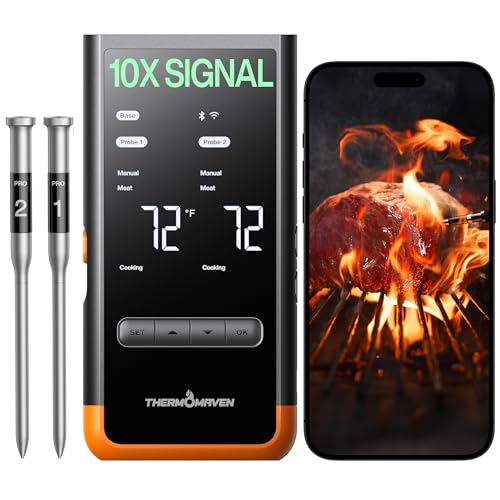
Unmatched Range and Wireless Freedom: Enjoy seamless cooking with Sub-1G technology, providing a 3000ft unobstructed range and 700ft in obstructed areas. Experience 100% wireless freedom with the ThermoMaven G2's Bluetooth connectivity, allowing you to roam freely while connecting effortlessly from the base to the probes.

Smart Display Base with Control: The ThermoMaven G1 wireless meat thermometer features a versatile smart display base that offers real-time temperature readings and allows you to set temperatures directly on the device—no app required. With our user-friendly one-click setup, you can connect the probe, pair it with the base, and start cooking in seconds—no complicated setup needed!
Preparing Your Smoker for Success
Before you even think about placing that butterflied turkey on the grate, you’ve got to start with a clean slate—literally. Remove all residue from prior cooks in your firebox and grates, then clean your drip pan thoroughly. This prevents grease buildup fires from turkey fat.
Next, focus on proper fuel management. Add newspaper to your charcoal chimney, fill it with briquettes, and light it. Burn those coals for 30 minutes until they’re ashed over. Meanwhile, soak apple or cherry wood chips in water for an hour—this smoke production technique extends burn time and guarantees consistent, mild flavor. For best results with poultry, select mild smoking woods that won’t overpower the delicate turkey meat. Avoid softwoods like pine which contain resins that produce harsh flavors and burn too quickly. If you’re using a pellet smoker, opt for 100% natural hardwoods without fillers or additives for clean-burning performance. For longer smoking sessions, consider using seasoned hardwood chunks instead of chips, as they provide a multi-hour burn with more consistent heat and smoke output. If you want wood smoke flavor combined with the heat performance of charcoal, consider charcoal pellet blends that incorporate hickory or cherry for enhanced smokiness on lower temperature settings. Both apple and cherry produce sweet fruity notes that complement the natural flavors of poultry without overwhelming the meat. A wireless thermometer will help you monitor that your smoker maintains the precise 225°F temperature needed for even cooking.
Position your lower grate, add the drip pan with two cups of water, then place your upper grate. You’re ready to preheat to 225°F.

3-PACK VARIETY OF PREMIUM SMOKING WOOD CHIPS – Elevate every barbecue with this ultimate smoking wood chip bundle, featuring three 1.8 lb bags of premium, all-natural wood chips. Includes Hickory for bold, classic BBQ flavor, Applewood for a subtly sweet and fruity aroma, and Mesquite for deep, earthy smokiness—perfect for ribs, brisket, poultry, pork, seafood, lamb, and game meats. Ideal for use in charcoal grills, gas grills, electric grills, and smokers, this variety pack delivers rich, versatile flavor options for backyard BBQs, camping trips, and tailgates.

[4-Flavor Smoking Wood Chips Variety Pack for Smoker] This smoking wood chips variety pack includes Apple, Cherry, Hickory & Oak—four classic hardwood flavors designed to suit different meats and smoking styles. Ideal wood chips for smoker users who want flexibility, balanced smoke intensity, and authentic BBQ flavor across every cook.

1.8 LB APPLE WOOD CHIPS FOR SWEET & FRUITY SMOKE FLAVOR – Elevate your grilling and smoking with this 1.8-pound bag of premium apple wood chips, ideal for infusing meats, poultry, seafood, and veggies with a mild, sweet, and fruity aroma. Perfect for use in charcoal grills, gas grills, electric grills and smokers, these high-quality smoking chips deliver consistent flavor and slow, even smoldering for delicious results.
Doneness Indicators and Safe Internal Temperatures
Knowing when your butterflied turkey‘s actually done—not just looking done—separates a perfectly juicy bird from one that’s either undercooked or dried out. You’ll want to target 165°F in the breast, your paramount safety threshold that eliminates pathogens in the danger zone.
For proper probe placement, insert your instant-read thermometer into the thickest breast section, steering clear of bones that’ll skew your reading. Post-smoking temperature checks matter equally. Pull your bird at 160°F; it’ll rise another 5-10°F during the essential 15-20 minute rest when juices redistribute throughout the meat. The removal of the backbone from spatchcocking allows you to access the thickest sections of the bird more easily for accurate temperature readings. Lighter wood flavors like oak and hickory won’t overpower the delicate meat while you’re monitoring your temperatures throughout the cooking process.
Check multiple spots if your initial reading seems uneven. Start checking the temperature at regular intervals to avoid overcooking, using a meat thermometer to monitor temperature accurately throughout the smoking process. Insert the thermometer in the thickest part of the turkey to ensure you get the most accurate doneness reading. For wireless monitoring throughout the long smoke, consider a dual-probe setup that lets you track both breast and thigh temperatures simultaneously without opening your smoker. Additionally, aim for 175°F in the thigh to ensure the darker meat reaches optimal doneness while maintaining food safety standards. After smoking, allow all parts to air-dry thoroughly before storing your equipment to prevent moisture buildup and maintain your smoker’s longevity. This approach guarantees both food safety and the juiciness you’re after—no guesswork required.
Moisture Preservation Techniques
A butterflied turkey‘s lean meat demands deliberate moisture-locking strategies if you’re after that coveted juiciness in every bite. Start with dry brining—rub kosher salt under the skin 24-48 hours before smoking. During cooking, maintain a water pan inside your smoker at 225-250°F, adding aromatics for flavor layering like rosemary sprigs or citrus peels to enhance both humidity and taste.
For sauce application methods, baste every 30 minutes with natural pan juices using a light hand—excessive basting releases precious heat and smoke. Drizzle butter gradually over skin rather than brushing heavily, allowing gradual moisture penetration. Brining the turkey for an extended period before smoking ensures the meat can retain significantly more liquid throughout the long cooking process. Consider using a mild fruitwood like cherry or peach to complement the butter-based basting without overpowering the delicate flavors of butterflied poultry. Place a heat-resistant grill mat beneath your smoker to protect your deck from grease drips and potential heat damage during the extended cooking session. Monitor the turkey’s internal temperature with a reliable thermometer to ensure it reaches the safe zone without drying out. Various types of wood can be used to enhance flavor and create different smoke profiles that complement your moisture preservation techniques. Smoking breast side down prevents the leanest meat from drying out while allowing natural fats to baste the white meat continuously. Avoid resinous woods like pine or cedar that can impart bitter, chemical flavors to your delicate poultry. Finally, rest your butterflied turkey 20-30 minutes under foil after smoking, permitting juices to redistribute throughout the meat before carving.
Spatchcock Advantages Over Whole Turkey
Spatchcocking your turkey—removing the backbone and flattening the bird completely—transforms how it cooks, delivering results that’ll make you wonder why you’ve been roasting whole birds all these years. You’ll achieve uniform heat exposure across every surface, eliminating the traditional problem of dry breast meat paired with undercooked thighs. The flattened profile exposes previously protected thigh areas, allowing them to cook simultaneously with breast sections at equivalent rates. A spatchcocked turkey cooks in roughly half the time compared to traditional roasting methods.
You’ll also open up skin texture perfection. Without the roasting pan blocking airflow, all surfaces receive uninterrupted dry heat circulation. Your thighs develop crisp skin edge-to-edge instead of the soggy texture conventional roasting produces. This cooking method reduces your smoking time considerably while delivering exceptional, evenly-cooked results that whole birds simply can’t match. Beyond roasting, spatchcocking unlocks alternative cooking methods like smoking and grilling, giving you flexibility in how you prepare your turkey. After removing from the smoker, rest the turkey loosely covered for 15-20 minutes to allow juices to redistribute throughout the meat. Similar to smoking brisket, monitoring internal temperature is more reliable than following strict time guidelines since outdoor conditions can affect actual cooking duration. For optimal results, ensure your turkey reaches an internal temperature of 165°F throughout all sections for both safety and quality.
Wood Selection and Smoking Duration
How long you’ll smoke your butterflied turkey depends on two critical variables: the bird’s weight and your smoker’s temperature stability. At 225°F, you’re looking at roughly 11-13 minutes per pound for a spatchcocked turkey.
Before firing up, select mild flavored wood types—they’ll complement rather than overpower your bird. Pellets or chunks work well for consistent smoke distribution throughout the cooking process. Load enough wood for the initial two hours; you’ll adjust as needed. Homemade Creole seasoning or poultry seasoning blends can enhance the smokiness and complement your turkey perfectly.
Monitor your turkey closely, checking the thickest breast area for 165°F. Rotate or brush every 1-2 hours to guarantee even smoke distribution and consistent browning. A water pan helps prevent drying at these lower temperatures. For best results, use a meat injector to distribute butter broth mixture into the breasts and thighs before smoking begins. If you’re using a pellet grill, models with digital temperature control like the Pit Boss 440 Series can help maintain the steady 225°F needed for optimal results. Consider blending hickory with milder woods like oak in a 60% oak to 40% hickory ratio to prevent overpowering your poultry. Cherry wood is particularly well-suited for poultry, delivering a mild, sweet smoke that adds an attractive mahogany color to the skin. For pellet smokers, look for 100% hardwood pellets with low moisture and minimal dust content to ensure consistent burn rates and prevent auger jams during your long smoke. Apple wood offers a fruity smoke profile that pairs exceptionally well with turkey while rarely overpowering the meat’s natural flavor. Rest your turkey 10-20 minutes after smoking before carving.

Festive Holiday Flavor: Holiday Turkey blend with Maple, Hickory & Cherry infuses a sweet, smoky flavor into turkey, lamb, pork, beef, veggies, and even desserts
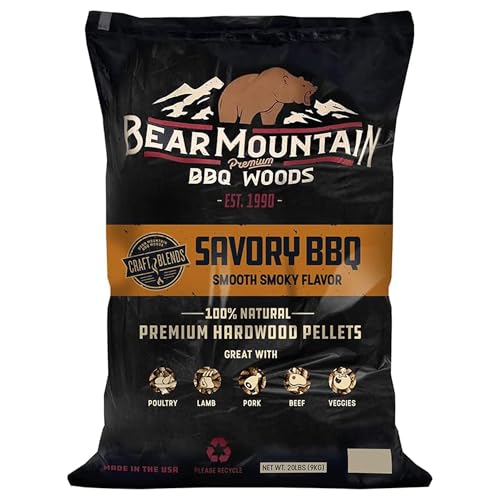
Savory BBQ Flavor: Infuse smooth and well-balanced flavors into grilled or smoked dishes with this pack of BBQ pellets. They are ideal for preparing red meats, poultry, and vegetable dishes.

Oak Wood Pellets: Oak wood pellets add a smooth smoky flavor to your favorite dishes such as fish, pork, or vegetables, enriching the taste and complementing a wide range of meals