
You’ll reheat grilled cheese successfully by controlling moisture and temperature across four proven methods. Use medium-high stovetop heat with butter, flipping every 40-60 seconds for uniform browning. Alternatively, set your toaster oven to 350°F for 8-10 minutes on air-fry mode, or try an air fryer at 360-375°F for just 3-5 minutes. Each technique prevents sogginess through ventilation and precise timing. Ascertain which method delivers your ideal crispiness-to-texture ratio.
Stovetop Reheating for Crispy Results
Reheating grilled cheese on the stovetop requires three critical elements: proper fat application, controlled temperature, and precise timing. You’ll apply butter or mayonnaise to both bread sides—butter needs pre-melting to prevent burning, while mayonnaise requires no preparation step. For a heart-healthy alternative with a nuttier taste, consider using extra virgin olive oil instead of traditional butter.
Your pan searing techniques demand medium-high heat on non-stick surfaces. Ideal heat control prevents butter from scorching while ensuring even crisping. Turn your sandwich every 40-60 seconds for uniform browning on both sides. For an extra burst of flavor, consider adding a parmesan crust to elevate the umami profile of your reheated sandwich. A cast iron pan provides even heating that prevents hot spots from burning the bread while allowing the cheese to remelt properly. Using high-smoke-point oils like avocado oil instead of butter can also prevent burning at higher temperatures while maintaining excellent crust development. Oils with elevated smoke points enable you to reach higher temperatures without the fat breaking down, which is essential for achieving that perfect golden crust. Seasoning your butter with garlic powder or salt can enhance the overall flavor of your reheated sandwich.
Deploy a tilted lid to trap minimal steam while allowing excess moisture to escape. This prevents sogginess while maintaining your cheese’s melted interior. Remove the sandwich immediately once it reaches desired crispiness—typically 3-4 minutes total. Grill pans with raised ridges can also be used on stovetops to create professional grill marks while reheating if you prefer a more elevated presentation. This methodical approach yields results comparable to freshly prepared grilled cheese.

11" Square Griddle Pan--make breakfast easy with a large surface, flat pan for your eggs, bacon, hash browns and more.

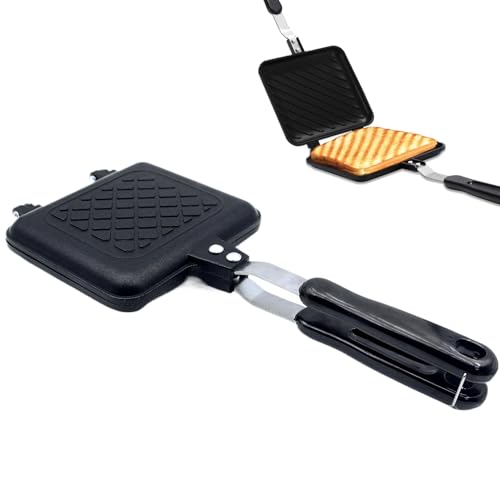
Our sandwich maker is made of high-grade aluminum alloy. The double sided pan can be heated on both sides, all connecting parts are securely fixed with double screws. It uses a non stick coating of double sided for easy release of food
Toaster Oven Method for Quick Single Servings
When you’re working with a single sandwich and want faster results than stovetop searing, your toaster oven becomes the ideal solution. Preheat your toaster oven to 350°F on the air-fry setting, positioning the rack to its lowest position with an empty baking sheet inside. This preheating creates consistent heat distribution for uniform browning techniques. Using a nonslip backing mat under your toaster oven can help prevent it from shifting on your countertop during operation. Just as reinforced tie-downs keep grill covers secure in windy conditions, a stable toaster oven setup ensures safe and consistent cooking results.
Place your sandwich directly on the preheated baking sheet and cook for 8-10 minutes total. The initial side requires approximately 4 minutes until the bottom achieves a golden toast. Flip using a spatula, then cook the second side for 3-4 minutes until golden. You can also use parchment paper or foil to wrap the sandwich during reheating, which helps retain moisture while preventing the bread from becoming soggy. For softer bread, you may need to reduce the cooking time to avoid over-toasting. Consider using white cheddar or Swiss cheese varieties, which melt evenly and contribute to better texture when reheating. Preheating a baking sheet in the toaster oven can help create a crisp “griddle” effect, enhancing the sandwich’s texture during reheating. Many home cooks find that fire-resistant mats designed for kitchen use provide additional surface protection and heat stability for small appliances.
For temperature adjustments on convection models, reduce settings by 25°F to prevent over-browning. Monitor carefully throughout cooking to avoid burning while ensuring even crisping across both sides.

Best German Silicone: We attach great importance to the health of our customers. Therefore, we use the best German WACKER silicone as the raw material in the industry. Food Grade, BPA Free, PFOA Free, Non-toxic. NOT made in Germany.

Set Includes: This set includes 3 pcs silicone baking mats (11.8 x 8.5 inches); Baking mat is made of silicone and fiberglass; These baking mat are smooth, easy to clean, meet the daily use of the family. Use temperature range of -40°F to 447°F

KEEP YOUR OVEN CLEAN: Protect your oven floor against those annoying spills on the bottom of your electric or gas oven. Our oven liners are built to keep your oven in pristine condition and protect it against spills, drips, gunk and food getting stuck on the bottom of your oven
Conventional Oven Baking for Multiple Sandwiches
Because you’re working with several sandwiches simultaneously, a conventional oven offers superior efficiency compared to single-serving methods. Your oven preheating technique should establish 350 degrees Fahrenheit before placing sandwiches on a sheet pan.
Space sandwiches apart to prevent uneven heating and steam obstruction. Cook for 10-12 minutes per side, flipping halfway through for consistent browning. Total reheating duration averages 20-24 minutes.
Monitor reheating doneness indicators carefully: bread should achieve golden-brown coloring, cheese should visibly ooze, and interior temperature must reach 165 degrees Fahrenheit. Black coloring signals overcooking—remove immediately. For even browning and to prevent burning, consider whether your original sandwiches were made with mayonnaise or butter on the exterior, as this can affect reheating outcomes. To prevent moisture buildup that can compromise texture, ensure adequate ventilation to prevent mildew by cracking your oven door slightly during the final minutes of reheating. For optimal results, you can line the pan with foil or parchment paper to keep it cleaner during the reheating process. Placing sandwiches on top of the foil bag rather than directly on the pan helps maintain crispiness throughout the reheating process. Using a non-slip texture surface or mat underneath your sheet pan can help prevent sliding during the reheating process. Always ensure sandwiches are thoroughly reheated before consuming to maintain food safety. For stubborn cheese residue on your pan after reheating, consider using baking soda and vinegar as a natural cleaning solution to restore your cookware.
Cool sandwiches for 2-3 minutes post-removal to prevent burns and allow texture to set. This batch-processing approach maximizes efficiency when reheating multiple grilled cheese sandwiches simultaneously.

Our popular natural aluminum quarter sheet with a nesting, oven-safe and nonstick steel grid

CRISPY BAKING SHEET SET: Ensure crisp results every time in the oven. This 15 x 10.5-inch nonstick baking pan and wire rack is great for crisping bacon, chicken, wings, fries, chips, and much more

SET OF 2 MINI BAKING SHEETS: Comes with 2 mini 9" x 6.2" baking sheets for your favorite toaster oven dishes
Air Fryer Reheating for Optimal Texture
Air fryers deliver superior results for grilled cheese reheating by circulating intensely hot air around your sandwich, creating a crispy exterior while preserving the melted cheese interior—all without introducing excess moisture. Set your air fryer to 360-375°F for ideal performance, adjusting based on your specific model’s behavior. Place your sandwich on parchment paper in the basket, ensuring single-layer placement to maximize air circulation settings. Cook for 4-6 minutes on the first side, then flip and continue for 3-4 minutes. This methodology guarantees crispiness preservation without over-toasting. Verify internal temperature reaches 110°F using an instant-read thermometer, the same tool recommended for ensuring food safety in indoor cooking methods. Allow a 1-2 minute cooling period for the cheese to set properly before serving, maintaining texture integrity throughout. Using toothpicks to secure your sandwich prevents it from falling apart during the reheating process. Similar to how a George Foreman Grill uses a drip tray to catch excess fat and juices, proper drainage of moisture is essential for maintaining your sandwich’s texture. For best results, allow your sandwich to cool completely before reheating, much like how you should let the grill cool down before cleaning to ensure safety and optimal performance. Preheating your air fryer for about 5 minutes before cooking, similar to George Foreman Grill preparation, ensures consistent and even heat distribution throughout the reheating process. Many indoor cooking methods benefit from using broth or beer for added moisture control, a technique that parallels covering the pan during cooking to preserve juiciness and prevent drying. While the air fryer rated 7/10], it remains a strong alternative to the stove method for those seeking convenience without significant quality compromise.
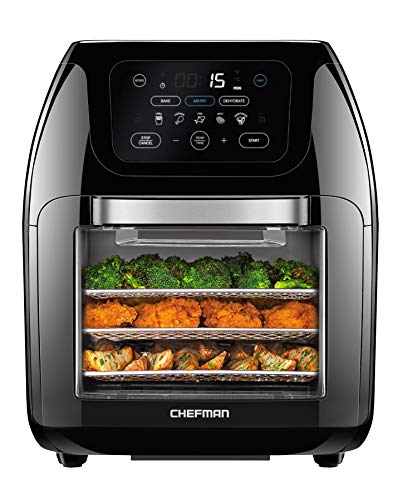
Versatile countertop cooking: Air fry, bake, dehydrate, rotisserie, or roast to crispy perfection in one convenient appliance


Freezing and Storage Best Practices
Properly freezing grilled cheese requires strategic preparation to maintain quality throughout storage. You’ll maximize freshness by employing airtight packaging immediately after your sandwich cools completely. This prevents condensation buildup that degrades texture.
Arrange sandwiches in single layer storage within freezer bags or vacuum-sealed containers—this prevents compression and structural damage. Lay bagged sandwiches flat on sheet pans initially to maintain even surfaces before stacking. For optimal results at home, consider using a George Foreman Grill or similar sandwich press to reheat your frozen grilled cheese, as these devices provide even heat distribution and effective grease drainage.
Your storage duration depends on packaging method. Vacuum-sealed sandwiches remain viable for three months, while standard freezer bags extend freshness up to six weeks. Pre-butter both bread sides before freezing to prevent moisture absorption. For the best results, use a parmesan garlic butter spread on your exterior bread surfaces before freezing to lock in flavor and create a protective barrier. Use firm cheeses like cheddar or Swiss rather than soft varieties. Consider investing in durable freezer storage containers to protect your sandwiches from freezer burn and temperature fluctuations. Placing the bag on a sheet pan in the freezer helps maintain the flat shape and prevents fillings from falling out. Parchment paper between individually wrapped sandwiches prevents butter transfer during freezer storage, preserving structural integrity and texture quality. Avoiding high-moisture ingredients like tomatoes or greens will help maintain the sandwich’s texture and prevent sogginess during the freezing and thawing process. Labeling your frozen sandwiches with the freezing date helps you track storage time and use them within their optimal freshness window.