

You’ll master your George Foreman Grill by following five essential steps. Start by inspecting the grill surface and positioning your drip tray securely. Next, plug it in, close the lid, and let it preheat for 5-10 minutes until the thermostat light extinguishes. Carefully place your food on the hot plates, monitoring it throughout cooking—chicken needs 4-6 minutes, fish 3-4 minutes per half-inch thickness. Finally, unplug and cool completely before removing plates and washing them with warm, soapy water. Explore the specific techniques that’ll transform your grilling results.
Getting Your Grill Ready
Before you fire up your George Foreman Grill, you’ll need to prepare it properly to guarantee ideal performance and durability. Start by conducting a thorough grill surface inspection to identify any debris or damage from storage. Remove any dust or particles that accumulated during storage periods.
Next, position your drip tray securely beneath the grill plates to catch fat and marinades during cooking. Verify the tray sits properly to prevent overflow. To maintain your grill’s longevity, avoid using abrasive cleaners on any surfaces during preparation. Using drip trays to catch excess fat will help you keep your grill clean and make maintenance easier. Regular removal and cleaning of drip pans prevents grease buildup and potential safety hazards during cooking. For safe cleaning without risking damage to your grill’s non-stick coating, consider using natural cleaning alternatives like aluminum foil or baking soda paste instead of harsh chemicals.
Check that your grill plates maintain parallel alignment for even heat distribution. If your model features removable plates, detach them and rinse with warm water using a wet sponge. Avoid metal utensils that’ll scratch non-stick surfaces—use plastic or wooden alternatives instead.
Finally, plug in your grill and preheat the grill for at least five minutes with the lid closed before beginning your meal preparation. Ensure the heating element reaches optimal temperature for even cooking results across all food items. Use the light indicator for preheating to confirm when your grill has reached the proper temperature. For chicken breasts, reaching the optimal temperature ensures even cooking and helps retain juiciness in your final dish.
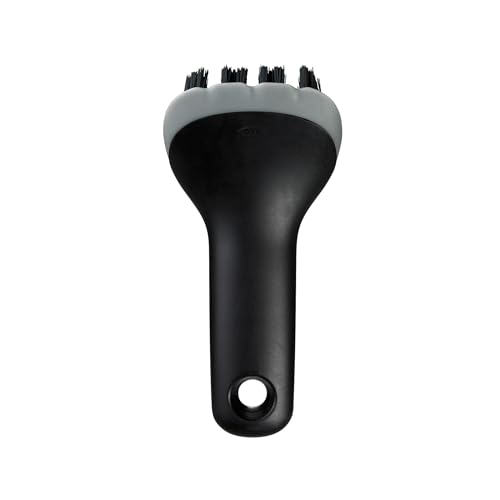
Ideal for cleaning air fryers, electric indoor grills, stove top griddles and waffle makers
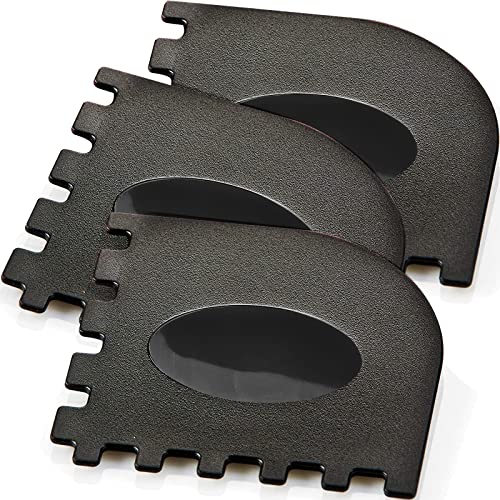
3 Pack kitchen Grill cleaning scraper Includes: 3 grill pan Scraper
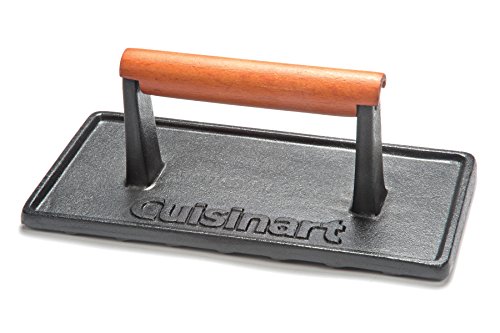
DURABLE: Heavy-duty 2.4-pound cast iron for even heat distribution and durability.
Heating Up Your Grill
Once you’ve prepared your grill’s surfaces and positioned the drip tray, you’re ready to bring it to temperature. Start by closing the lid firmly and selecting your desired temperature setting using the control knob on top—choose from settings 1-4 on newer models or accept the fixed medium setting on older units. Plug the grill into a 120V AC outlet and move the power switch to the I position. You’ll notice the power light illuminates, indicating electricity’s flowing through the unit. The thermostat light will glow as heating elements activate. While monitoring temperature, allow at least five to ten minutes for achieving proper preheat. The thermostat light cycles on and off during this process, finally extinguishing when your grill reaches ideal cooking temperature and readiness. George Foreman Grills are recognized among multifunctional indoor performance options that make them practical for small spaces, offering precise temperature control similar to electric grills designed for convenient home cooking. Like other electric grills and griddles, George Foreman Grills feature heating elements that cycle on and off to maintain consistent temperatures throughout the cooking process. This temperature cycling mechanism is particularly effective in environments where traditional charcoal or gas cooking may not be practical. Most George Foreman Grills come with a small cookbook that includes specific preheating instructions and temperature guidelines for different foods.
Placing Food on the Grill
Now that your grill’s reached ideal cooking temperature, you’re ready to add food. Start by holding the top cover open with a pot holder to prevent accidental closing. Empty the drip tray if it’s full before placing anything on the grill plates.
Position your food carefully for even browning and uniform cooking. Use the articulated hinge to accommodate thick or oddly shaped items. Place steaks, pork chops, and burgers directly on lightly oiled plates at recommended thicknesses. For vegetables like peppers and asparagus, position them lengthwise for maximum contact with the cooking surface. Since the grill cooks both sides simultaneously, you can prepare larger batches of meat in advance for convenient meal preparation throughout the week.
Always wear an oven glove when handling hot components. Keep grill plates roughly parallel throughout cooking to maintain consistent heat distribution across all foods. A meat thermometer helps ensure your food reaches target temperatures for safe consumption. For thicker cuts of meat, consider finishing them in an oven for even cooking. Consider placing a grill mat underneath your George Foreman grill to protect your countertop or surface from grease splatters and heat damage. Preheating your grill for the recommended time ensures optimal heat performance for better searing and more consistent results.

ADVANCED GEORGE TOUGH NONSTICK COATING: The advanced George Tough Nonstick Ceramic Coating delivers 8x greater durability and is completely PFAS-FREE. Perfect for serving 5+ people, making it ideal for family meals or entertaining guests.

Wash the Entire Grill¹: For a complete clean, remove the control panel and place all additional components in the dishwasher. ¹ Remove control panel to wash grill
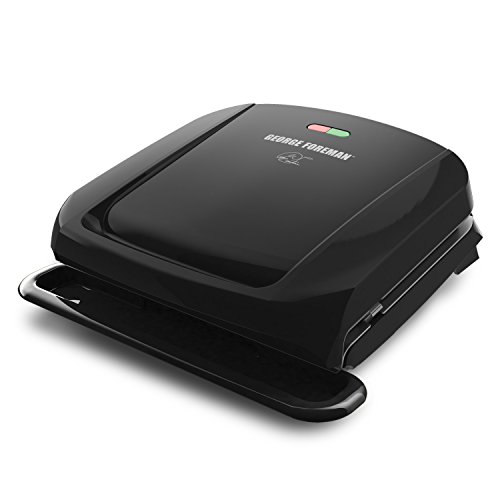
ADVANCED GEORGE TOUGH NONSTICK COATING: There’s a lot to love about this nonstick coating. It’s 3x¹ more durable, easy to clean, and removes the need for butter and oil.
Cooking Your Food
With your grill preheated for at least 5 minutes and your food properly positioned on the plates, you’re ready to begin the cooking process. Monitor your food carefully throughout cooking, as timing varies based on thickness and type. Chicken breasts require 4-6 minutes, while fish fillets need 3-4 minutes per half-inch thickness. Shrimp cook in 3-4 minutes until firm and opaque. For beef mixtures, break them up midway through the 6-8 minute cooking window to guarantee even browning. Remember that marinating proteins like chicken or seasoning ingredients beforehand enhances flavor development, similar to how basting and covering techniques help retain moisture in slow-cooked meats. For optimal results, consider two-zone cooking techniques that allow you to manage heat distribution effectively. Letting your chicken rest for a few minutes after cooking helps seal in juices for maximum tenderness. For chicken, always use a meat thermometer inserted in the thickest part to ensure the internal temperature reaches 165°F to 170°F for boneless breasts or 170°F to 185°F for bone-in pieces. Check for doneness at the minimum recommended time, then adjust as needed based on your specific food’s thickness and characteristics.

Engineered for High-Temperature Performance:Crafted from premium, heat-resistant nylon polymer, this grill scraper withstands extreme temperatures up to 400°F (204°C). It ensures safe and effective cleaning of warm grill plates immediately after use, eliminating risks of melting or deformation for long-term reliabilit


For George Foreman Grills: The VIOTIIN silicone replacement drip tray is specifically designed to fit George Foreman 2 or 4 serving grills, including models GRP1060B, GR10B, GR340FB, and GRS040B. (Grill is not included)
Finishing Up and Cleaning
After you’ve removed your perfectly cooked food from the grill, you’ll want to properly shut down and clean your George Foreman to maintain its performance. Start by turning off the grill and disconnecting the power cord for cooling safety. Wait approximately five minutes before cleaning to prevent burns.
Pour water directly onto the slightly warm grill plates, then wipe residue with a damp rag or sponge. Focus on loosening grease and food particles in crevices. Finish with paper towels for complete drying. Once the grates are clean, remove the grease tray to empty any accumulated grease and wash it separately before reinserting. For stubborn buildup, specialized grill cleaners can help dissolve baked-on residue more effectively than water alone.
For non-removable grates, manual wiping with a damp cloth is necessary since dishwasher use isn’t possible. For particularly tough, caked-on residue, pumice-based cleaning bricks offer an effective alternative that removes stubborn buildup without scratching the grill surface. After cleaning, reassemble the drip tray.
Consider using lightly oiled aluminum foil over plates during cooking to minimize residue buildup and reduce future cleaning effort. However, be aware that aluminum foil can restrict airflow and potentially cause uneven cooking on contact grills. This approach avoids the need to wipe down the grill while it’s still hot. Proper post cleanup storage keeps your grill ready for next use.