
You’ll achieve ideal juiciness by selecting a bone-in turkey breast and brining it overnight to enhance moisture retention. Set your pellet grill to 225°F using mild woods like peach or apple that won’t overpower delicate poultry. Monitor the thermal center with a probe thermometer, pulling the breast at 157°F for carryover cooking during rest. Crisp the skin at 400°F for the final ten minutes. The techniques for perfectly executing each step await you.
Preparing Your Turkey Breast for Smoking
Why does bone-in turkey breast outperform its boneless counterpart? The bone conducts heat efficiently while retaining natural juices, delivering superior moisture and flavor retention during smoking. You’ll choose between a single lobe or whole breast based on your preferences.
Before smoking, thaw frozen breasts for 48 hours. Then implement brining techniques to enhance your results. Dry brine overnight or wet brine for minimum six hours in a food-safe container. These moisture enhancement methods dissolve flavoring compounds into meat tissue, improving texture and taste substantially. For dry brined turkey breast, no need to rinse after the 24-hour brining period since the salt will be fully absorbed into the meat. Additionally, applying an injection marinade after brining will further infuse your turkey breast with complex flavors and moisture.
After brining, rinse thoroughly to remove excess salt, then pat completely dry. Using a probe thermometer will help you monitor the internal temperature accurately throughout the smoking process. Maintaining consistent smoker temperature ensures even cooking and optimal results. Like beef tenderloin, monitoring internal temperature throughout the smoking process is critical for achieving your desired doneness level. A safe internal breast temperature of at least 160°F to 165°F ensures your turkey breast is properly cooked and ready to serve. This preparation guarantees proper seasoning adhesion and sets up your turkey breast for optimal smoking performance.
Choosing the Right Wood Pellets
Since wood pellet selection directly impacts your smoked turkey breast’s final flavor profile, you’ll want to understand how different wood types contribute distinct characteristics to your cook. Peach pellets deliver delicate sweetness perfectly suited for turkey breast’s mild meat, while apple provides mild, fruity notes without overpowering your protein.
For layering pellet flavors, consider blending milder woods with slightly bolder options. Maple adds subtle sweetness that complements holiday preparations, while pecan offers nutty richness that enhances poultry without dominance. B&B Pecan pellets are particularly well-suited for smoking turkey and provide consistent quality for your smoking session. Top-performing brands like Traeger and Lumberjack have been tested to deliver exceptional flavor consistency and minimal ash for premium results. Models with stable PID controllers ensure your pellet smoker maintains consistent temperature for even cooking throughout your session.
When regulating smoke intensity, start with alder’s light, versatile profile if you prefer restraint. Avoid hickory and mesquite for breast meat—their robust characteristics overpower delicate poultry. Cherry smoke also complements turkey well by giving visually pleasing color while remaining balanced enough for white meat. Pure cherry pellets deliver milder, fruit-forward notes that won’t overpower your turkey breast. For maximum cleanliness and burn quality, select pellets made from 100% hardwood composition without fillers or additives. Kiln-dried pellets like Western Wood burn cleanly, ensuring consistent smoke delivery throughout your smoking session. Always avoid softwoods like pine or untreated lumber, as they burn quickly and can produce unpleasant residues that negatively affect your turkey’s flavor.

APPLE WOOD FIRED FLAVOR: With Traeger Apple Hardwood Pellets, naturally enhance baked goods, chicken, and pork with a subtly sweet, fruity flavor.
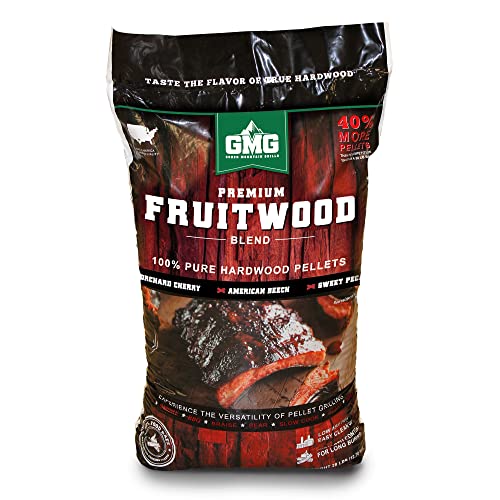
Green Mountain Grills Hardwood Pellets

Includes 1 pound bag of each flavor Apple, Hickory, Mesquite, Cherry, Pecan and Sugar Maple
Setting Up Your Pellet Grill
Getting your pellet grill ready for its first cook requires careful attention to assembly, power configuration, and pre-operational checks. You’ll need to plug your grill into a 240V AC outlet and activate the power switch to begin the initial startup sequence. Before firing it up, inspect your pellet hopper cleaning thoroughly, removing any debris or dust accumulated during manufacturing and shipping. Fill your hopper with quality pellets to your desired operational level, then verify that the auger rotates smoothly during startup. For smoking turkey breast, you should plan to use approximately 1 lb. of pellets per hour at lower temperatures for optimal smoke flavor. Position your grill at least six feet from walls, trees, and structures to confirm proper ventilation and safety. Complete pellet grill maintenance by seasoning at 400°F for approximately 45 minutes, allowing manufacturing oils to burn off. During startup, expect to see heavy white smoke as part of the normal ignition process. Consider using the closed-lid startup method to preheat your grill with the lid closed for about 15 minutes for consistent results. The digital controller monitors temperature via sensors and precisely regulates pellet feeding and airflow for optimal smoking results. Pellet grills offer advanced temperature control that ensures consistent heat throughout your cooking process. Look for models with digital temperature control features like those found in top-rated options to give you precise heat management. Observe the fan blowing air into the fire-pot to ensure proper airflow during the initial startup sequence. This preparation guarantees ideal performance for smoking your turkey breast.
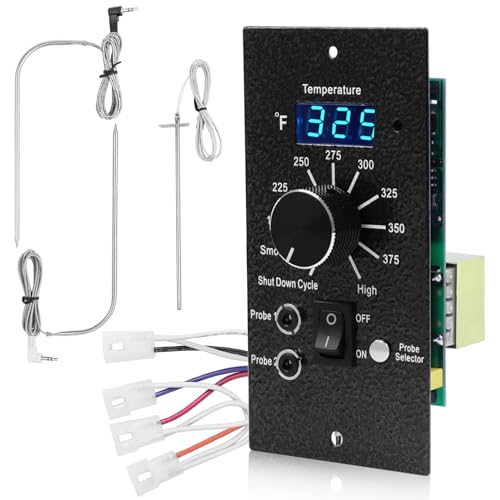
【COMPATIBILITY】: This Traeger Digital Controller kit replacement part compatible with most Traeger Wood Pellet Grills (except PTG), ideal replacement for Traeger Controller BAC365.

Replaces 3 speed smoker control, compatible with Traeger wood pellet grill models (except PTG)

👍【𝐏𝐞𝐫𝐟𝐞𝐜𝐭 𝐏𝐢𝐭𝐁𝐨𝐬𝐬 𝐂𝐨𝐧𝐭𝐫𝐨𝐥𝐥𝐞𝐫 𝐑𝐞𝐩𝐥𝐚𝐜𝐞𝐦𝐞𝐧𝐭】Upgraded digital W/LCD display control board replacement parts compatible with Pit Boss Austin XL 1000(PB1000XLW1), Classic 700(PB700FBW2 ), Lexington P7-540, Tailgater 340(PB340TGW1) and Whiskey Still.(Note: Not Compatible with Pit Boss Vertical Pellet Smoker/Refridgerator Grill and other brand grill. )
Smoking at the Perfect Temperature
Now that you’ve properly set up your pellet grill, temperature control becomes your most critical variable for achieving a juicy, perfectly smoked turkey breast. You’ll want to maintain 225°F initially for ideal uniform smoke absorption and moisture retention. This low-and-slow approach guarantees consistent internal temperature development throughout your breast.
After reaching 165°F internally, you can increase your grill to 400°F for 10-15 minutes to crisp the skin. However, pulling at 157°F allows carryover cooking during rest, delivering superior juiciness while maintaining food safety. Use a probe thermometer to verify your lowest temperature reading in the thermal center. Monitor the varying temperatures across different sections of the breast to ensure uniform doneness throughout the meat. For even better results, wet brine the turkey breast overnight before smoking to ensure maximum moisture retention and enhanced flavor throughout the cook. Maintaining a steady smoker temperature between 220–250°F throughout the smoke will optimize your smoky flavor development. Consider using wood pellets for smoke flavor to enhance the complexity of your final result. Rotating the bird during the cook promotes even heat distribution across all sides of the breast. Allowing the turkey breast to rest after smoking helps redistribute juices before carving, ensuring tender, flavorful results. Let the meat rest for 15 to 20 minutes before carving to retain maximum juiciness. This precision technique prevents overcooking while maximizing tenderness and flavor—the hallmarks of exceptional smoked poultry.

Gourmet Blend Pellets: Bear Mountain all-natural hardwood BBQ pellets deliver a sweet, tasty finish to red meats, poultry, and vegetable dishes, supplied as two 20-pound bags.

SIGNATURE BLEND WOOD FIRED FLAVOR: The flavors of hickory, maple, and cherry hardwoods combine for in our Traeger Signature Blend Hardwood Pellets for flavor that can take on just about anything you cook; From classic BBQ meats, to fish and veggies, this versatile blend gives you full-bodied flavor you'll go back to time and time again
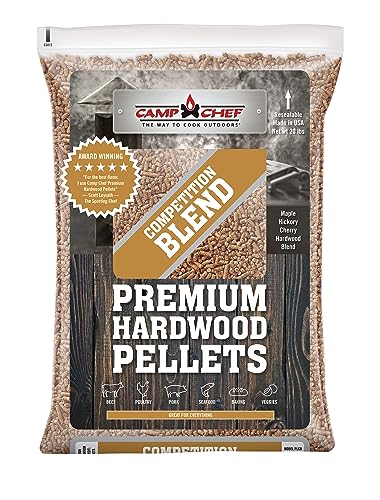
Maple, Hickory, and Cherry Blend: Competition blend is the Jack of All Trades. It's great with poultry, pork, baking, veggies, beef, and seafood. HARDWOODS: Camp Chef Hardwood bbq pellets are not a byproduct. They are 100% pure virgin hardwoods.
Monitoring, Resting, and Serving
Your turkey breast’s final success depends on meticulous temperature monitoring and proper resting technique. You’ll verify internal temperature using an instant-read thermometer like the Thermapen ONE, inserting the probe into the thickest section. Pull your breast when it reaches 165°F minimum for food safety.
After smoking, rest your turkey breast skin-side up under foil for 15-30 minutes, depending on size. This essential step allows juices to redistribute throughout the meat, ensuring ideal moisture retention. Rotating your turkey breast around the 90-minute mark during the initial cooking phase helps prevent uneven cooking and promotes consistent browning. For optimal results, monitor your pellet grill temperature throughout the smoking process to maintain consistent heat. Using indirect heat during the smoking process ensures even cooking and prevents hot spots that can dry out your breast. Consider using apple wood chips or other quality smoking woods to enhance flavor complexity and depth. Various factors, such as brining and using different types of wood, can enhance the flavor and texture of your smoked turkey breast. Resting the turkey loosely covered allows the internal temperature to stabilize before serving.
When slicing techniques matter most, cut against the grain after your resting period concludes. Use a sharp knife and insulated gloves for safety. Serve your smoked turkey breast warm with complementary sides like cranberry sauce or gravy. For best results, aim for an internal breast temperature of 160-165°F to ensure both safety and optimal tenderness. Store leftovers refrigerated up to four days or frozen for six months.