
You’ll smoke beef short ribs for 6–10 hours at 225°F to accomplish perfect tenderness. Target an internal temperature of 203°F, where the meat becomes fall-apart tender. Monitor the stall phase around 160–170°F, then wrap in butcher paper to expedite the final stage. A probe should slide through with minimal resistance when done. Following this methodical approach guarantees ideal bark development and moisture retention throughout your cook.
Understanding Smoking Temperature Ranges
Since temperature control directly determines your cook time, bark development, and final texture, you’ll want to dial in the right range for beef short ribs. You’ve got three primary zones to consider: low (225F-250F), medium (275F-285F), and high (up to 325F). The medium range delivers ideal results—250F-285F renders fat effectively while developing superior bark. You’ll achieve juiciness and tender texture without risking the tough, dried-out meat that higher temperatures can produce. Maintaining temperature consistency requires stabilizing your smoker with charcoal and wood before starting. Controlling smoke quality means monitoring your setup continuously while using dry, seasoned wood that has been properly cured. Remember that collagen in the ribs must reach 203°F internal temperature to fully melt and ensure optimal tenderness. Aaron Franklin’s preferred 275F-285F range yields 8-9 hour cooks with excellent results. For a different approach, some pitmasters prefer indirect heat at 250°F, which typically requires about 2 hours of cooking time with wood chips for enhanced smoke flavor. Similar to brisket, short ribs may experience a temperature stall around 150-160°F where moisture evaporation slows the cooking process. Managing your smoker’s airflow through vents helps regulate the charcoal burn rate and maintain steady cooking temperatures throughout the process. Quality natural hardwood charcoal like B&B or Jealous Devil produces minimal ash and maintains consistent temperatures for extended low-and-slow cooks. Using a chimney starter to light your charcoal ensures even ignition and eliminates the need for lighter fluid that can impart unwanted flavors. Select your target temperature based on your available time and desired outcomes.

8 LB. BAG ALL-NATURAL HARDWOOD LUMP CHARCOAL FOR GRILLING, SMOKING & OUTDOOR BBQ COOKING – Upgrade your grilling experience with Mr. Bar-B-Q Lump Charcoal, made from a premium blend of 100% natural hardwoods for a clean, hot, and flavorful burn. Perfect for charcoal grills, smokers, kamado cookers, and portable BBQ setups, this high-quality lump charcoal delivers rich smoky flavor, consistent heat, and low ash for better performance and easier cleanup. Whether you're firing up a chimney starter, searing over high heat, or slow-smoking your favorite meats, poultry, seafood, or vegetables, this charcoal is the ideal choice for BBQ enthusiasts, grill masters, and outdoor cooks.


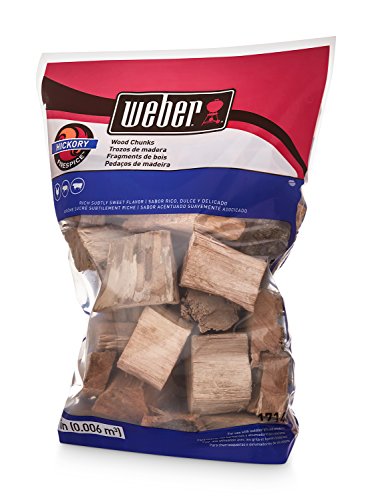
3-PACK VARIETY OF PREMIUM SMOKING WOOD CHIPS – Elevate every barbecue with this ultimate smoking wood chip bundle, featuring three 1.8 lb bags of premium, all-natural wood chips. Includes Hickory for bold, classic BBQ flavor, Applewood for a subtly sweet and fruity aroma, and Mesquite for deep, earthy smokiness—perfect for ribs, brisket, poultry, pork, seafood, lamb, and game meats. Ideal for use in charcoal grills, gas grills, electric grills, and smokers, this variety pack delivers rich, versatile flavor options for backyard BBQs, camping trips, and tailgates.
Choosing Your Cooking Method and Timeline
You’ll find three distinct temperature ranges that’ll fundamentally shape your cook’s duration, final texture, and bark development. The low and slow method at 225-250°F demands 6-10 hours but delivers superior bark formation and fat rendering. Moderate temperature smoking at 285°F balances speed with quality, requiring 8-9 hours while achieving ideal tenderness. The hot and fast approach at 300-325°F completes cooking in approximately 4 hours, though you’ll sacrifice tenderness and bark quality.
Your cooking time adjustments depend on rib thickness and desired outcomes. Temperature monitoring techniques—tracking internal temperatures at 160-170°F for wrapping—guide your progression. Wrapping accelerates the final phase after bark develops adequately. Once your short ribs reach an internal temperature of 203°F, they should feel like butter when probed with a thermometer. For optimal results, smoke with fruit wood or oak to enhance the flavor complexity and create the perfect crust. After cooking, allow a rest period to retain juices and maximize tenderness before serving. Choose based on your schedule and tenderness priorities, understanding that each method produces distinctly different results despite comparable final temperatures.


Targeting the Right Internal Temperature
Temperature precision distinguishes mediocre ribs from exceptional ones. You’ll target 203°F as your primary endpoint, maintaining the ideal internal temperature range of 200-205°F for superior tenderness. This window guarantees collagen fully dissolves, delivering that butter-like probe feel you’re after.
Watch for stall temperature indicators around 160-170°F during your second hour. You’ll notice bones protruding—your visual confirmation the stall’s beginning. At this point, decide your approach: wrap immediately at 160°F to accelerate the cook, or delay wrapping until 170-180°F for maximum bark development. The spritz mixture applied during smoking helps maintain moisture levels and contributes to bark formation throughout the stall phase. Wrapping in butcher paper can help maintain moisture while still allowing the ribs to develop a good bark during the cooking process.
Push beyond 203°F only if you want jiggly, fall-apart texture; anything below 200°F risks toughness. Some pitmasters prefer targeting the higher end at 208-210°F for ribs that achieve true probe-tender status. Use your probe religiously. When it slides through without resistance, you’ve achieved optimal doneness. A remote temperature probe minimizes the need to open your smoker, helping you maintain consistent heat throughout the cook. After removing from the smoker, resting for 30 minutes allows the meat to relax and retain its juices. Rest your ribs in foil for 30-60 minutes after cooking to allow the meat to relax and retain its juices. The resting period completes the cooking process and develops final tenderness. That tactile feedback confirms your ribs are ready.
Preparing and Smoking Your Short Ribs
Achieving that 203°F target requires careful groundwork before your ribs ever hit the grate. Start by removing the silver skin from the rib top, enhancing smoke penetration and bark formation. Trim excess fat from the meaty side thoroughly, allowing proper crust development during smoking. Remove the bone-side membrane to guarantee even seasoning adhesion and cooking uniformity.
Apply a dry brine overnight using kosher salt, then coat your ribs with oil or mustard as a binding agent. Add your SPG rub thoroughly across all surfaces and between bones. Let the ribs rest at room temperature for one hour before smoking.
Maintain your smoker at 225°F for ideal meat tenderization. Smoke unwrapped for 3-5 hours to develop mahogany bark, then continue smoking until your probe slides through with minimal resistance. Use an instant-read thermometer to verify your short ribs have reached the proper doneness level. A wireless monitoring thermometer with dual probes can track both meat and smoker temperatures simultaneously throughout the entire cook. For optimal accuracy, consider using a multi-probe Wi-Fi system that allows remote temperature monitoring throughout the extended cooking process. Check your smoker’s adjustable vents and dampers regularly to maintain consistent temperature throughout the cook. Creating a two-zone fire setup provides flexibility for managing heat intensity during different stages of the cook. Have your local butcher cut the ribs into individual pieces if you prefer them pre-portioned for easier handling and more consistent cooking throughout your smoking session. Once the ribs reach the desired temperature, wrap them in foil and allow them to rest before serving.

Dual zone readings

SMART BASE CONTROL: Set temperatures, monitor progress, and receive alerts directly from the base without needing your phone nearby.

1. DUAL PROBES FOR THICK & THIN CUTS - The 120 mm black probe suits thick brisket and roasts, while the 102 mm white probe fits thinner fish, chicken and pork chops. Monitor two foods at once with a wireless meat thermometer designed for different cuts and insertion depths.
Testing for Optimal Tenderness
Several reliable methods’ll confirm when your beef short ribs’ve reached ideal tenderness. The probe tenderness test remains your most direct indicator—insert a thermometer or metal probe into the meat. It’ll slide through effortlessly at 200-205°F, matching brisket doneness standards. Zero resistance signals complete collagen breakdown.
Employ pull test methods alongside probing for exhaustive verification. Grab two adjacent bones and pull in opposite directions. Bones’ll separate easily when ribs achieve full tenderness.
Visual cues reinforce your findings. Meat’ll pull cleanly from bone without stringiness, and a fork’ll slide off with minimal effort. Monitor moisture retention variables throughout your cook—whole slabs retain more juiciness than single bones, though both formats achieve equivalent tenderness at proper probe levels. Dark brown exteriors paired with fork-tender interiors confirm success. Most barbecue enthusiasts treat beef short ribs like little briskets when determining optimal cooking times and temperature targets. Cooking the full rack on your smoker produces superior moisture retention and a more complete smoke ring compared to individual bones, making it the preferred choice for optimal results. Consider wrapping in foil during the final stages if you notice the exterior darkening too quickly while the internal temperature hasn’t yet reached the target range. Like brisket, internal temperature serves as a better doneness indicator than relying solely on total cook time. After removing the ribs from the smoker, allow at least one hour of rest time so the juices can redistribute throughout the meat.
Mastering the Probe Tender Technique
How’ll you know when your beef short ribs’ve truly reached probe tender perfection? Insert your thermometer into the thickest meat between bones, deliberately avoiding bone contact. You’re identifying perfect probe tenderness when the probe slides through with zero resistance—like a skewer piercing softened butter. This sensation confirms collagen’s complete breakdown into gelatin.
Perfecting probe technique requires methodical execution. Test multiple spots across the ribs after your bark sets, around 3.5-7 hours into smoking. Reprobe post-wrap to verify consistency before removal. Your instant-read thermometer should confirm 203-205°F readings when this effortless insertion occurs. The fat content in beef plate ribs ensures that proper probe tenderness delivers incredibly juicy and rich results throughout the entire cook. For 124 beef ribs originating from the most dorsal section, the minimal overlying tissue allows for more efficient smoke penetration and faster tenderness development.
At higher temperatures (275-300°F), you’ll reach probe tender status faster. The jiggly texture at these temps signals complete tenderness. Similar to the stall phase experienced with brisket, monitoring with a thermometer becomes essential to navigate temperature plateaus during the cook. Just as preheating the stone is critical for achieving optimal pizza crust texture on pellet grills, allowing your ribs adequate time at temperature ensures the complete conversion of tough connective tissue. Rather than relying solely on time, use your meat thermometer to judge doneness since smoker consistency and weather conditions can affect cooking duration. This data-driven approach eliminates guesswork, delivering reproducible results every cook. After removing your ribs from the smoker, allow a resting time of 5-10 minutes to let juices redistribute throughout the meat. Maintaining a consistent smoker temperature of 225-250°F throughout the cook ensures even heat distribution and optimal collagen breakdown.
Resting and Serving Your Smoked Short Ribs
Once you’ve confirmed probe tenderness at 203-205°F, you’ll remove your ribs from the smoker to begin the resting phase—a scientifically critical window that locks in moisture and completes the collagen-to-gelatin conversion. Wrap in butcher paper immediately, preventing moisture loss while maintaining heat retention. Rest for 30-45 minutes at room temperature until the internal temperature stabilizes around 145°F. For extended holds, transfer to a preheated cooler with towels for up to 2-3 hours. Monitor temperature continuously to avoid dropping below 140°F. Once rested, slice against the grain and verify tenderness with probe insertion. The meat should yield like butter. Place your ribs in a cooler for the final hour of resting to ensure optimal moisture retention and temperature stability. Just as with brisket, resting the meat for at least an hour after cooking is essential for achieving juicy, tender results. If you’re planning to finish your ribs on a gas grill for a final sear, models with infrared burners can provide intense, even heat that creates excellent caramelization without drying out the meat. To protect your burners and ensure consistent heat during this final searing step, consider installing stainless steel heat tents that prevent flare-ups and extend the life of your grill. Regular cleaning and inspection of these heat shields will help maintain even heat distribution and prevent corrosion during repeated high-temperature searing sessions. When your grill is not in use, invest in a heavy-duty vinyl cover with UV resistance to protect against weather elements and extend the lifespan of your equipment. Serve immediately for ideal texture and juiciness, applying sauce 30 minutes before service for maximum flavor absorption.