

You’ll master perfectly grilled swordfish steaks by starting with proper preparation—thaw, rinse, and pat your steaks dry. Apply a lemon-herb or soy-based marinade for maximum flavor. Preheat your grill to 500°F, oil the grates thoroughly, and place steaks skin-side down for 4-5 minutes. Flip once, cooking the second side for 3 minutes until you reach 52°C internal temperature. Rest for 2-3 minutes, brush with reserved marinade, and serve immediately. The techniques separating good results from exceptional ones await below.
Preparation and Thawing
You’ll want to start with properly thawed swordfish steaks, as frozen fish won’t cook evenly on the grill. Use the refrigerator method for best results, allowing 12-24 hours for individually vacuum-sealed steaks. Alternatively, employ the cold-water technique by sealing steaks in a plastic bag and submerging them for 30 minutes.
Once thawed, implement your cleaning techniques immediately. Rinse swordfish steaks under cold water to remove surface impurities, following your rinsing procedures with thorough paper towel patting. Guarantee all excess moisture completely—this step proves essential for proper seasoning adhesion and crust formation during grilling. Remember that swordfish must be cooked through completely and cannot be eaten rare, making proper preparation even more critical for food safety.
Trim any skin present before proceeding. For optimal results, sprinkle both sides with salt and allow the steaks to rest for 30 minutes before grilling. Thawing fully before grilling confirms even cooking throughout, delivering restaurant-quality results. These preparation steps establish the foundation for exceptional grilled swordfish.
Marinade Selection and Application
Three primary marinade categories—lemon-herb, soy-based, and citrus-infused—each bring distinct flavor profiles and marination windows to your swordfish steaks. Your marinade composition determines both flavor intensity and ideal timing.
For lemon-herb options, whisk together olive oil, lemon juice, minced garlic, rosemary, and thyme. Marinate 6-8 oz steaks for 20-30 minutes. Soy-based marinades combine soy sauce, garlic, olive oil, and brown rice vinegar; these accommodate longer marination periods up to two hours. Citrus-infused blends leverage lemon and orange zest for marinade flavoring that tenderizes without compromising texture.
Apply your marinade using a shallow dish or zip-top bag, ensuring full steak coverage. Reserve a portion for post-grill brushing. Scrape excess garlic before grilling while retaining subtle flavor. For wild caught swordfish loins, allow the fresh rosemary to infuse deeper into the meat during the marination process. A typical swordfish marinade requires 1/2 teaspoon sugar to balance the acidity and enhance caramelization on the grill. When grilling at high temperatures, brush your grates with high-smoke-point oils like refined avocado or grapeseed to prevent sticking without burning. Lightly oiling the grill grates before cooking ensures your steaks release cleanly and develop beautiful sear marks. Use long-handled tongs to flip and move the steaks safely without getting too close to the high heat. Always refrigerate during marination and avoid over-marinating acidic blends to preserve steak texture. If you want to add subtle smoke flavor without overpowering the marinade, grills with integrated smoking capability can introduce wood-fired notes while maintaining precise temperature control. After grilling, let the steaks rest before serving to allow the juices to redistribute throughout the meat for optimal moisture and flavor.

Made with lemon, garlic, cracked black pepper, dill seed & rosemary

Made with lemon juice, red bell peppers and herbs like basil & thyme

The crisp citrus flavor of lemon juice combined with a blend of salt, garlic and crushed black peppercorns
Grill Setup and Temperature Control
Since swordfish’s dense flesh requires consistent, high-temperature searing to develop a proper crust while maintaining a moist interior, your grill’s preparation determines success before the steaks ever touch the grate. Preheat your charcoal grill with a half chimney of coals until 70% ashed over, then wait 5-10 minutes until you can’t hold your hand above the grate for more than a second. For gas grills, set all burners to high (500°F) with foil covering the grates to trap heat. Scrape your grill grate surface preparation thoroughly, then oil immediately before cooking to maximize the non-stick benefit. This high heat zone management creates the intense searing temperature swordfish demands while preventing sticking and ensuring beautiful crust development. The firm, meaty texture of swordfish means it holds up well to high heat without falling apart like more delicate fish varieties. For charcoal grills, keep your bottom vents fully open to maintain maximum airflow and sustain the high temperatures needed for proper searing. Consider using an SnS-100 instant thermometer to monitor your grill temperature and ensure consistent heat throughout the cooking process. An infrared surface thermometer can help you identify hot zones across the grill grate to position your swordfish steaks in the optimal searing spots. For precise internal temperature monitoring, a quality instant-read thermometer like the ThermoWorks Thermapen ONE provides ±0.5°F accuracy to ensure your swordfish reaches the ideal doneness without overcooking. If you’re using a gas grill with porcelain-enameled cast iron grates, you’ll benefit from superior heat retention and minimal flare-ups that help maintain the consistent high temperatures essential for searing thick swordfish steaks. Installing stainless steel heat tents over your burners prevents grease fires and ensures even heat distribution across the entire cooking surface for perfectly seared swordfish every time.
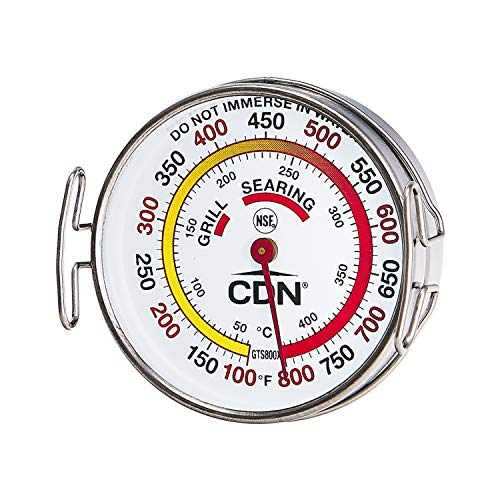
ACCURATE TEMPERATURE ZONES. The CDN GTS800X Grill Surface Thermometer features a color-coded scale that allows precise monitoring of temperature zones, providing optimal control over your grilling experience.

【500FT Remote Temperature Monitor & Smart Alerts】Equipped with Bluetooth 5.0, this bluetooth grill thermometer transmits real-time grill temperature data to the TempPro App within 500 feet; customize high/low temperature thresholds, and instant alerts will be pushed to your smart phone once the temperature deviates from your preset range, saving you from constantly hovering beside the grill
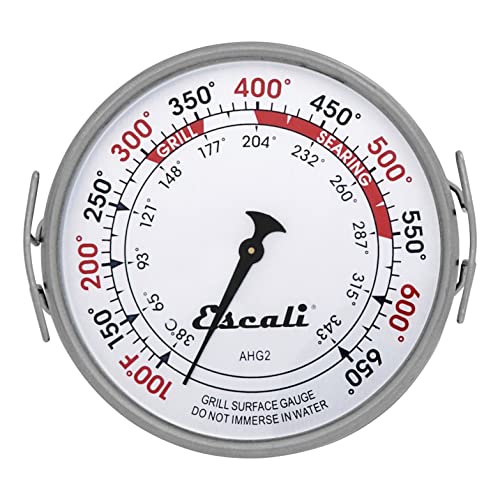
Temperature Range: 100° to 650°F / 38° to 343°C. Dial Diameter: 3.5 inches
Cooking Technique and Timing
Once your grill reaches the proper temperature, the actual cooking process demands careful attention to heat management and timing. Place your swordfish skin-side down initially, allowing 4-5 minutes for the first side to develop distinct grill marks. You’ll maintain medium-high heat throughout, using flame control to prevent flare-ups that compromise the internal temperature.
Flip your steak once—resist the urge for multiple turns, which breaks the delicate flesh. Cook the second side for 3 minutes, monitoring for a firm exterior while preserving moisture within. For 1-inch thick steaks, close your grill lid to trap heat and guarantee even cooking. Before grilling, ensure your grates are properly prepared by applying high-temperature cooking oils like vegetable or canola oil to prevent sticking and achieve those perfect sear marks. The recommended internal temperature of 52°C ensures your swordfish maintains its tender, meaty texture without drying out.
Rest your steaks 2-3 minutes post-grill before serving. This essential step allows carryover cooking to complete, solidifying the internal temperature to your desired doneness. Using a meat thermometer ensures precision in achieving the perfect doneness while avoiding the common pitfall of overcooking. Transfer the grilled swordfish steaks to a baking sheet and finish in a 300°F oven for 10-15 minutes until the internal temperature reaches 145°F. For those who frequently grill delicate proteins, investing in a cordierite pizza stone can help maintain consistent heat distribution and prevent sticking on your grill grates. A pre-seasoned cast iron grill pan offers exceptional heat retention and durability for indoor grilling when outdoor cooking isn’t an option. If you’re cooking over an open flame while camping, a swivel grill grate provides adjustable height control to manage heat zones and prevent overcooking.

BBQ / Grill pit thermometer, safe and environmentally friendly.
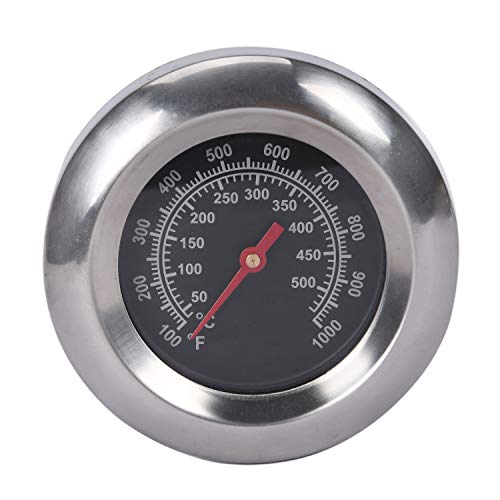
Wide temperature range: 100 F-1000 F/ 50 ℃- 500 ℃(Accurate Readings). Dimensions: 3" face, 2" stem, M10 nut (0.39" strew), Please check the dimensions of your grill before you order

Large Display: Features a 2 3/8 inches large face for clear visibility; Stem length of 2 7/8 inches enhances accessibility; Enables easy classification of food temperatures in various cooking environments
Doneness Testing and Temperature Standards
Achieving perfectly cooked swordfish hinges on understanding that you’ll pull your steaks from the grill before they reach your target doneness, leveraging carryover cooking to reach the ideal internal temperature. Insert your instant-read thermometer into the thickest part, avoiding bone, and monitor center temperature carefully. Pull at 130°F for medium results, allowing carryover cooking to raise the temperature to approximately 140°F.
The rest period requirements are critical. Wrap your steaks in foil for 15 minutes, during which juices redistribute and temperature continues rising. This resting phase prevents overcooking while ensuring even doneness throughout. For optimal results, allow an additional 10 minute rest period after the initial wrapping to ensure complete carryover cooking and juice redistribution. Resting the steak after cooking allows the meat to retain its natural moisture and enhances the overall texture of your swordfish.
Visually confirm completion: flesh turns opaque, flakes easily with a fork, and juices run clear. You’ll achieve restaurant-quality swordfish steaks consistently when combining thermometer precision with proper resting technique. To prevent the fish from sticking during cooking, wipe the grill grates with a paper towel dipped in vegetable oil before placing your steaks. Maintaining clean grates through routine light cleaning after each use helps prevent flavor transfer and ensures optimal grilling performance. After cooking, use a soft brush or microfiber cloth to remove any residue from your stainless steel grill surfaces without scratching them. When you’re done grilling for the season, protect your investment with a durable grill cover that resists weather elements and UV damage.
Finishing and Serving Recommendations
Your swordfish steaks deserve accompaniments that’ll complement their delicate, buttery texture without overpowering the grilled flavors you’ve worked to develop. Offer complementary garnishes like lemon wedges and fresh herbs—oregano or thyme work beautifully. Drizzle pan juices directly over the swordfish for added richness.
For accompaniment suggestions, consider light sides that enhance rather than compete. Serve grilled vegetables such as bell peppers, zucchini, or mushrooms alongside the steaks. Pair with saffron rice or roasted garlic mashed cauliflower for substance. A crisp arugula salad with aged balsamic vinegar and fresh mozzarella provides invigorating contrast. For a more adventurous option, try homemade salsa variations like mango or pineapple ginger salsa to add a refreshing fruity dimension to your meal. Consider pairing your swordfish with full-bodied white wines like Chardonnay or white Rhône blends to enhance the overall dining experience.
Fresh citrus—squeezed lemon or lime juice—brightens each bite. For added richness, finish with melted butter drizzled over the top for an authentic steakhouse-style presentation. If you’re looking for a heartier pairing, consider serving a creamy tomato soup as a starter to balance the lighter grilled fish course. For an elegant garnish, add caramelized onions cooked slowly over medium heat with butter until golden-brown and translucent. Transform your meal into a romantic experience by creating an outdoor tablescape with candlelight and thoughtful presentation touches. Add crisp vegetables like pickles or a simple cucumber salad to provide tangy contrast alongside the rich fish. These thoughtful choices elevate your perfectly grilled swordfish into a complete, restaurant-quality meal.

UNMATCHED SAVORY FLAVOR: McCormick Culinary Lemon 'N Herb Seasoning adds complexity and creates an aromatic experience with an unmatched flavor profile of citrus and-savory notes

Epic blend of onion, parsley, black pepper, coriander and roasted garlic

2.08 Ounce Bottle
Storage and Leftover Tips
What’s the best way to preserve your grilled swordfish steaks so they’ll stay fresh and delicious for days? Store cooked swordfish in airtight packaging within two days of grilling. Proper airtight packaging prevents oxidation and maintains ideal freshness in your refrigerator below 40°F.
For longer preservation, freeze your steaks in freezer-safe airtight containers for up to three months. Allow the grilled swordfish to cool completely before freezing to prevent condensation and freezer temperature fluctuations. Temperature control is essential—maintain consistent cold temperatures to prevent bacterial growth and texture deterioration. Frozen, thawed fish will have more fishy taste and texture breakdown, so consume thawed swordfish promptly after refrigerator thawing. Removing the bloodline before grilling helps minimize the strong fishy flavor that develops during storage.
When you’re ready to reheat, thaw frozen swordfish overnight in the refrigerator rather than at room temperature. Never thaw fish at room temperature to avoid bacterial growth that can lead to foodborne illness. Reheat gently in a 350°F oven for approximately ten minutes, preserving the delicate texture you achieved through grilling. Reheating to at least 165°F before consumption ensures safety and kills any potential bacteria. Avoid microwaving, which compromises quality and introduces uneven heating that damages the fish’s structure. Watch for spoilage signs like slime or foul odor before consuming any stored seafood. Before grilling, ensure your grill grates are clean and free from rust buildup to prevent metallic off-flavors from transferring to your swordfish.