

You can safely store smoked meat in your refrigerator for 3-4 days at 40°F or below, though timing varies by type. Smoked poultry and fish spoil faster, lasting only 1-4 days, while vacuum-sealed options extend to 2-3 weeks. Store your meat on the bottom shelf in airtight containers, maintaining consistent refrigerator temperature with a digital thermometer. Watch for slimy textures, discoloration, or off-odors as spoilage indicators. Several critical factors substantially impact how long your smoked meat actually stays fresh.
Refrigerator Safe Storage Time by Meat Type
Because different proteins spoil at different rates, you’ll want to follow specific guidelines for each meat type.
Beef smoked meats—including brisket, roasts, and ribs—last 3–4 days refrigerated at 40°F or below. Pork follows similar timelines, with smoked shoulder and pulled pork remaining safe for 3–4 days. Bacon extends to 7 days once opened. To maintain the quality of your smoked meats and prevent bacterial growth, ensure your grill grates are properly maintained and free from rust buildup that could contaminate food. Regular grill maintenance with gentle cleaning methods using household items helps preserve your equipment and food safety.
Poultry requires extra caution. Smoked chicken and turkey develop bacteria faster than red meats, so consume them within 3–4 days. Whether you’ve used hot smoking techniques or a brining process beforehand, this timeline remains critical. Listeria monocytogenes can grow even in refrigerated conditions, making timely consumption essential. For extended storage beyond these guidelines, freezing smoked poultry is the safest option to prevent foodborne illness. Additionally, smoking at lower temperatures may help reduce the formation of carcinogens like HCAs and PAHs, which are compounds that can develop during meat cooking.
Smoked fish spoils quickest, lasting only 1–2 days in the fridge. The FDA emphasizes this shorter shelf life due to rapid bacterial growth. For longer storage, freezing smoked fish can extend shelf life up to 6 months if kept airtight. When thawing frozen smoked fish, use safe thawing methods such as the refrigerator or cold water to prevent bacterial growth.
Store everything in airtight containers below 40°F. Beyond 4 days, freeze for safety rather than risk foodborne illness.

All In One BBQ Prep Station, Prep, marinate, transport, and serve with one collapsible BBQ prep tub. The removable cutting board and secure lid make food preparation faster, cleaner, and easier for grilling, meal prep, camping, tailgating, and outdoor cooking.

Airtight seal keeps food fresh: Keep your deli meats, cheeses, and bacon fresh longer with an airtight silicone seal and leak-resistant clasp. The ProKeeper Split Deli Food Storage Container holds up to 1.45 quarts of food or 1lb of bacon.
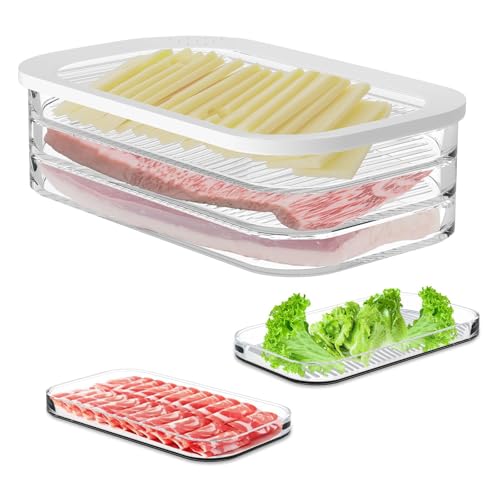
Transparent & Visible: Our deli meat container for fridge is made of highly transparent material, allowing clear visibility of the contents without opening. This makes it easy to quickly identify and access food, reducing the need for frequent opening and closing, which helps keep ingredients fresh longer
Vacuum-Packaged and Commercial Product Shelf Life
If you’re buying commercial smoked meats or vacuum-sealing your own, you’ll enjoy considerably extended shelf life compared to standard refrigerated storage. Vacuum-packed smoked brisket lasts 2-3 weeks when you maintain proper temperature control at 2-4°C, while commercial products stored at 34-36°F reach similar timeframes. Pulled pork and beef ribs sustain 2-3 weeks vacuum-sealed under the same conditions. Oxidation prevention through vacuum sealing extends shelf life up to five times longer than unwrapped meats, since the process eliminates aerobic bacteria growth. Unopened luncheon meats endure 1-2 months refrigerated when vacuum-sealed. For extended preservation, freeze vacuum-packed smoked meats for 6 months at -18°C, or up to 2-3 years with Foodsaver technology. Smoked ham specifically maintains quality for 3 weeks when properly refrigerated in vacuum-sealed packaging. Once opened, vacuum-sealed smoked sausage should be consumed within 3-6 days to ensure safety and quality. However, vacuum packing does not eliminate anaerobic bacteria like Clostridium botulinum, so proper refrigeration and consumption within recommended timeframes remain essential for food safety. For cold smoked varieties like smoked salmon, cold smoked salmon typically lasts about a week even when vacuum-sealed, so check freshness by sight and smell before consuming.

PREMIUM FRESH SAUSAGE SIZE: These 32mm edible beef collagen casings are specifically designed for dinner-sized links, making them the perfect choice for Italian sausage, bratwurst, chorizo, and stadium-style dogs.

Compact Food Preservation: Keep meat, fish, vegetables, and more fresh longer with this space-saving vacuum sealer. Ideal kitchen appliance for freezer storage, meal prep, and preserving foods with vacuum sealer bags for food

DIMENSIONS: 18 inches L x 8.50 inches W x 7.50 inches H and weighs 15.85 pounds
Factors That Shorten or Extend Fridge Life
Proper air circulation requirements prevent condensation buildup that accelerates bacterial growth. You’ll extend shelf life greatly by vacuum-sealing or using airtight containers rather than leaving meat exposed. Humidity control methods matter equally—excessive moisture promotes spoilage, while dry environments preserve quality longer. Label with date stored to track when you refrigerated your meat and avoid pushing beyond safe consumption windows.
Meat type directly impacts safety windows. Fish deteriorates within 1-2 days, while beef and pork safely last 3-4 days. Sliced portions spoil faster than whole cuts because increased surface exposure invites contamination. Curing smoked meat dramatically extends the shelf life beyond standard refrigeration periods. Keeping your storage containers clean by removing grease buildup prevents bacterial contamination from accumulated residues. Regular maintenance of your refrigerator’s interior surfaces helps eliminate potential contamination sources just as proper cleaning materials maintain grill hygiene. Wiping down your refrigerator shelves with a stainless steel sponge removes residual grease that can harbor bacteria. Consider using baking soda and vinegar paste on interior surfaces to naturally eliminate odors and bacteria without harsh chemicals. For additional safety, reheat leftovers to 165°F before consuming them to ensure any potential bacteria are eliminated.
Your refrigerator temperature consistency is critical. Maintaining exactly 40°F (4°C) prevents bacterial proliferation, while temperature fluctuations substantially shorten safe consumption periods. Delayed refrigeration after smoking—beyond two hours—vastly reduces your remaining storage window.

VACUUM AND PRESERVE MODE: Turn the top valve on these FoodSaver containers to "Vacuum" and connect your handheld sealer (sold separately) for an airtight seal that locks in freshness to keep foods fresh longer in the fridge, freezer, or pantry

MARINADES A VARIETY OF FOODS : Marinades meats, poultry, fish and vegetables in a very short period of time

80kpa Suction Power - Updated vacuum sealer uses a DC motor pump with electromagnetic perm and pure copper core to enhance its suction power. It sucks all air out tightly to preserve your meat and vegetables for 10 times longer or more to prevent oxidation.
Freezing and Long-Term Preservation
While refrigeration keeps smoked meat safe for just a few days, freezing grants months of storage potential when you’re willing to plan ahead. Proper temperature control is essential—maintain your freezer at 0°F (-18°C) or lower to form small ice crystals that preserve texture and flavor. Quick freezing prevents large ice pockets that cause dryness, so spread pieces in a single layer initially for even results.
Optimal packaging methods involve vacuum sealing or double wrapping with foil and airtight bags to eliminate air exposure and prevent freezer burn. Portion your smoked meats into meal-sized amounts for convenient thawing and cooking. When wrapping frozen meats, avoid fully covering items with foil alone, as this can restrict airflow and heat distribution during reheating. For best results, smoke your meats at low and slow temperatures to develop the deep flavors and smoke compounds that enhance preservation. The low-and-slow smoking method, typically around 225°F for extended periods, allows fat and connective tissues to render properly while building the preservative smoke compounds. A good bark should form at an internal temperature of 160-170°F before wrapping to seal in juices and enhance flavor. Allow your finished brisket to rest for 1 to 4 hours after reaching the target internal temperature to ensure maximum tenderness before freezing. Thawing vacuum sealed frozen pork can be done efficiently by placing the package in boiling water. The smoke compounds in properly frozen smoked meats continue to provide preservative benefits that protect against spoilage even in long-term storage. Pulled pork and brisket frozen this way retain excellent quality for up to three months, though experts recommend avoiding storage beyond six months to prevent quality diminution.

VACUUM SEALER BAGS ROLLS: 8"x20' 3rolls+11"x20' 3rolls, XinBaoLong Food Saver Bags Rolls, Commercial Grade, Heavy Duty, BPA Free for Vac Storage, Kitchen Gadgets, Kitchen Accessories

Effortless and Precise Cutting: The 11-inch x 150-feet vacuum sealer rolls include a cutter for maximum convenience. Simply mount the cutter onto the box, pull a portion of the roll through the top opening, and easily customize the size you need. This can ensure smooth, even and straight cuts, significantly faster and more accurate than using scissors, making the process simpler and saving your time.

ECONOMICAL & & TIME SAVING: Total 150 count Bonsenkitchen 20 Gallon 11" x 16"+ 90 Quart 8" x 12"+ 40 Pint 6" x 10" vacuum sealer bags are different sizes of packaging, meet your different usage needs. Vacuum bags are pre-cut and ready-to-use, saving you time whenever you’re preserving leftovers, preparing make-ahead meals, and portioning bulk items in the freezer.Just pull out and use, no need to cut, no need to seal one side before putting food in
Safety Signals and When to Discard Smoked Meat
Knowing when you’re looking at spoiled smoked meat can save you from foodborne illness, since your senses are your first line of defense against unsafe food. Watch for unusual spoilage characteristics: slimy textures, discoloration, mold growth, or ammonia-like odors replacing the expected smoky aroma. You’ll notice mushy consistency, excessive moisture pooling, or sticky residue when touched.
Temperature control matters critically. Discard smoked meat beyond 3-4 days at 40°F or below, or after 2 hours at room temperature (1 hour above 90°F). Poultry and fish spoil faster than beef or pork. Proper storage in a cool, dry place is essential for extending the shelf life of your smoked meats. Using airtight containers or freezer bags prevents accelerated spoilage and keeps meat fresh longer. Similar to how cutting off oxygen supply preserves unused charcoal, airtight storage restricts oxygen exposure to your smoked meat, significantly slowing bacterial growth and oxidation. For best results, apply the same maintenance principles used with high-temperature cooking oils to ensure all storage equipment and containers are properly cleaned and seasoned before use. Consider using durable, waterproof storage containers designed to withstand moisture and protect your smoked meat from environmental contaminants. Just as shutting off gas supplies is essential when storing propane tanks safely, sealing containers completely prevents unwanted air exposure to your stored meats.
Prevent cross contamination concerns by storing smoked meat on separate shelves, away from raw products. When in doubt, follow the CDC guideline: discard it. Your safety trumps salvaging questionable meat.
Proper Cooling and Storage Techniques
Once you’ve identified that your smoked meat is safe to keep, proper cooling and storage techniques become your next line of defense against spoilage and foodborne illness. You’ll want to refrigerate your meat within 2 hours of removing it from the smoker—or within 1 hour if air temperature control shows ambient temps exceeding 90°F. Allow your meat to cool slightly before wrapping to guarantee condensation prevention, which protects quality during storage. Once cooled, wrap your meat in plastic wrap, eliminating air pockets completely, then place it into freezer-safe bags. Use vacuum-sealed packaging when possible to preclude freezer burn, as this protective method extends the shelf life of your stored meats similar to how regular maintenance extends grill performance. Finally, label all packages with the date and contents to enable proper rotation and tracking throughout storage. Just as stainless steel grills benefit from consistent care to maintain their durability, your smoked meat storage containers should be kept in optimal refrigerator conditions, much like how removing grill debris prevents buildup that compromises cooling efficiency. For stubborn residue that may accumulate on grilling surfaces, specialized grill cleaners can restore equipment to proper working condition. Consider storing your grill in a protected location and using a cover when not in use to maintain the chromium oxide layer that prevents corrosion. Properly stored smoked meat can last up to 4 days in the refrigerator when sealed correctly. For extended storage, smoked meats can be frozen for up to 2 years from the date on the package.

HEAVY DUTY AND PUNCTURE PREVENTION - 8x12 pre-cut Quart bags with embossed channels increase suction, keep fresh without freezer burn or dehydration
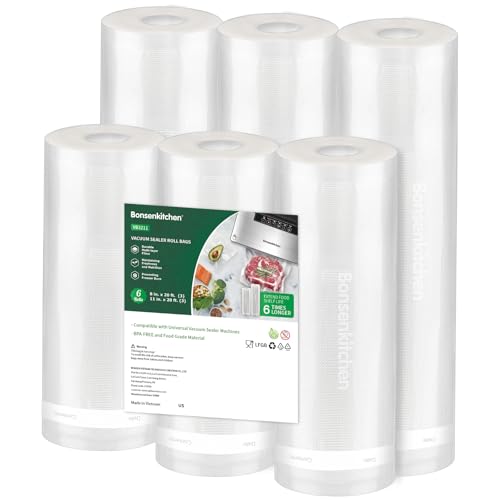
BPA FREE: Bonsenkitchen vacuum food sealer roll bags can be microwaved, frozen, re-used, washed, boiled and dishwasher safe. Allows you to precisely control your cooking temperature to achieve perfect results. You can cook sous vide in Bonsenkitchen bags by placing them in water at any temperature up to 230°F/110°C

Compatible with All Desktop Vacuum Sealers: These vacuum sealer bags are designed to work with all traditional desktop vacuum sealer machines. Simple to operate and convenient to use. (Note: These bags do not feature an air valve and are not compatible with handheld vacuum sealers.)
Temperature Monitoring and Best Practices
Your refrigerator’s temperature is the critical factor determining how long your smoked meat remains safe to eat. You’ll need consistent temperature measurement using a digital thermometer rather than relying on built-in dials, which often prove inaccurate. Position your smoked meats on the bottom shelf where it’s coldest, maintaining readings at 40°F or below.
Implement accurate temperature recording through daily logs, especially for bulk storage. Check internal fridge zones regularly to guarantee no warm spots exist. For precise monitoring, consider using a digital temperature gauge similar to those designed for precise measurement in various applications. Just as grillers use wireless meat thermometers to optimize their cooking performance, maintaining consistent temperature measurement in your refrigerator ensures food safety and extends storage life. Professional-grade thermometers with auto-rotating backlit displays can provide the reliability needed for accurate fridge temperature verification. Label your smoked meat with storage dates and monitor against the 3–5 day limit for whole cuts or 1–2 days for ground varieties. During power outages, food remains safe if the temperature stays under 41°F when power is restored. Keep your refrigerator positioned away from heat sources and in a well-ventilated space to maintain optimal cooling performance.
When signs of spoilage appear—slimy texture, sour smell, or discoloration—discard the meat immediately, regardless of storage duration.