You’ll achieve perfect bacon by smoking for 6–48 hours using cold smoking or 3–4 hours with hot smoking, depending on your priorities. Cold smoking preserves moisture and develops intense flavor at 55–85°F, while hot smoking cooks thoroughly at 200°F. Target an internal temperature of 150°F for ideal texture and food safety. Using hardwood like hickory or apple enhances your results. The specific techniques and temperature monitoring strategies that separate good bacon from exceptional bacon deserve closer attention.
Cold Smoking Methods and Timeline
Cold smoking’s success hinges on maintaining precise temperature control throughout the process. When selecting appropriate smoker equipment, you’ll want a setup that keeps temperatures between 55-85°F, never exceeding 90°F to prevent cooking the meat.
Start by calibrating your smoking chamber with reliable thermometers before beginning. You’ll smoke your cured bacon for a minimum of 6 hours, though 8-48 hours yields superior results depending on desired intensity. Break longer sessions into 4-24 hour increments with refrigeration rests between intervals.
Traditional methods employ multiple 8-hour sessions across several days with overnight room-temperature rests. This approach develops substantial flavor through repeated smoke exposure. In warmer climates, conduct nighttime smoking sessions to maintain proper temperature ranges. For bacon, consider using fruit woods like apple or cherry to impart a sweeter, lighter smoke that complements the pork’s natural flavor. Oak can also serve as a reliable base wood when blended with fruitwoods for a more balanced flavor profile. Maple wood offers another mild option that pairs exceptionally well with bacon’s delicate pork flavor. Avoid softwoods like pine or cedar, as their resins produce unpleasant flavors and burn too quickly for quality smoke. After smoking, allow the bacon to rest in the refrigerator for 2 to 4 weeks to let the smoke flavor mellow and reduce any bitterness. The actual doneness of your bacon is determined by weight loss, with a target of losing 20-30% of the original weight. Cold smoking allows you to use smoke generating devices like pellet tubes or offset smokers to create the thin blue smoke needed. Remember: you’re using only thin blue smoke with no heat running through the chamber.


MATERIALS: Made from 100% natural seasoned hardwood with no unwanted byproducts, our wood chips burn cleanly and evenly.

Apple BBQ Smoker Extra Fine Wood Chips. Ignite quickly and combust completely to create a delicate smokey flavor. The essential fuel for your best BBQ yet - perfect for Memorial Day kick-offs, Father’s Day gifting, 4th of July feasts, and every backyard barbecue all summer long.
Hot Smoking Durations and Temperature Control
Unlike the low-temperature approach you’ve just completed, hot smoking cooks your bacon while infusing it with smoke flavor. You’ll sustain temperatures between 180°F and 220°F, with 200°F being your ideal sweet spot for consistent monitoring and suitable results.
Expect your bacon to reach the safe internal temperature of 145°F within 3 to 4 hours, though you should pull it at 150°F for best texture. Probe the thickest section regularly to track progress accurately. For enhanced smoke flavor, consider using hickory chips and apple juice misting throughout the cooking process. A leave-in probe thermometer will help you verify your smoker maintains the correct temperature consistently.
Maintaining temperatures consistently prevents uneven cooking and guarantees proper smoke penetration. Higher temperatures finish your bacon faster but yield less smoke absorption, while lower ranges around 180°F extend your cooking time to 10 hours. Wood pellets like hickory deliver bold smoky flavors that penetrate the meat effectively during the hot smoking process. For a milder, sweeter profile, cherry wood chunks offer fruity smoke notes that complement pork beautifully without overpowering the bacon’s natural flavor. Since bacon smoking typically spans several hours, wood chunks provide a longer burn time compared to chips, delivering sustained smoke without requiring frequent replenishment. Hickory’s bacon-like flavor profile makes it particularly well-suited for smoking pork, creating a naturally complementary taste that enhances the meat’s inherent characteristics. You can also blend woods by combining oak with hickory or fruit woods to adjust smoke intensity for your preferred flavor balance. Choose based on your desired flavor intensity and schedule.


1.6 LB HICKORY SMOKING CHIPS FOR RICH, BOLD FLAVOR - Mr. Bar-B-Q Hickory Smoking Chips, expertly crafted to deliver deep, smoky flavor to your favorite foods. This 1.6-pound bag provides an ample supply of high-quality hickory wood chips, perfect for enhancing the taste of meats, poultry, seafood, and vegetables with an authentic, mouthwatering aroma. Designed for use in charcoal grills, gas grills, electric grills, and smokers.
Essential Temperature Guidelines for Bacon
Since you’ve mastered the hot smoking process, you’ll want to understand how precise temperature management directly impacts your bacon’s final quality and safety. You’ll target a smoker temperature range of 160-170°F to cook your pork belly thoroughly while preserving moisture content levels. This low-temperature approach prevents excessive fat rendering, keeping your bacon’s texture firm and allowing residual fat to crisp beautifully during pan-cooking.
You’re aiming for an internal temperature of 150°F, which meets safety standards while maintaining ideal texture. For non-nitrite cured bacon, you’ll smoke above 150°F to guarantee adequate food safety. Proper curing can kill bacteria independent of smoking temperatures, providing an additional safety layer beyond heat alone. You’ll recognize proper doneness when your belly feels consistently firm throughout. Apple, maple, or hickory wood will enhance the flavor profile during the smoking phase. Cherry pellets deliver sweet, fruity smoke notes that pair exceptionally well with pork belly’s rich fat content. Smokin’ Pecan pellets provide a rich, sweet, robust flavor that excels on pork with superior smoke production and clean burn characteristics. Using natural hardwood charcoal like B&B or Jealous Devil ensures consistent temperature control with minimal ash production throughout your extended smoking session. Apple wood’s mild smoke profile makes it particularly suitable for pork belly since it complements the meat without overpowering its natural flavor. Lump charcoal delivers high heat and clean burning characteristics that work well in kamado-style smokers for maintaining steady temperatures. This careful temperature control guarantees you achieve that perfect balance between safety, moisture retention, and the crispy-yet-tender bacon you’re pursuing.

Natural Alder Hardwood Pellets: Made from all-natural alder hardwood sawdust with no fillers, binders, or additives, providing a clean-burning pellet fuel for consistent outdoor cooking and smoking

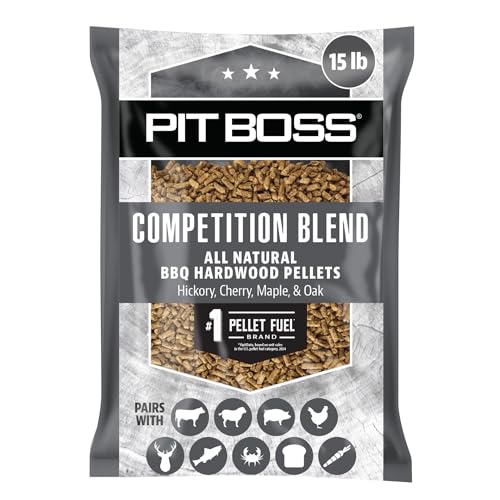
Pit Boss pellets are the #1 pellet fuel brand* Americans trust
Achieving Your Target Internal Temperature
Now that you understand the smoker temperature range you’ll maintain, monitoring your bacon’s internal temperature becomes your primary focus for achieving consistent results. You’ll want to invest in a reliable leave-in probe thermometer like ThermoWorks or DOT for accuracy. Proper monitoring probe placement—inserting the thermometer into the thickest part of the belly without touching bone—ensures precise readings.
Maintain consistent airflow throughout your smoker to prevent temperature fluctuations that compromise internal cooking rates. You’re aiming for 150°F internal temperature, which takes 3-4 hours at 200°F or approximately 6 hours at 160-170°F. These timeframes preserve bacon’s texture while rendering fat appropriately. Unlike store-bought bacon, homemade bacon’s customizable smoke level allows you to adjust smoking duration based on your preferred flavor intensity. For safety, use curing salt in your brine to prevent harmful bacteria growth during the smoking process.
Check your probe readings every 30 minutes once you’ve passed the 2-hour mark. This vigilance prevents overshooting your target, which causes excessive fat rendering and flavor loss. Overheating can also lead to albumin leakage, resulting in undesirable white protein deposits on the surface of your bacon. For serious pitmasters seeking ±0.5°F accuracy, the ThermoWorks Thermapen ONE delivers 1-second read times to verify your bacon’s progress without extended lid openings. Wireless models with app connectivity allow you to monitor temperature remotely without repeatedly opening your smoker lid. If you need extended range to monitor from inside your house, consider models using radio frequencies like 433 MHz or 900 MHz rather than Bluetooth-only options. Before smoking, lightly coat your smoker grates with high-smoke-point oils like refined avocado or canola to prevent sticking and ensure easy bacon removal.

More Stable Than Bluetooth: Our advanced RF technology ensures a stronger, more reliable connection than Bluetooth. This smoker thermometer provides the freedom to move around without losing connection! Monitor your BBQ from up to 1,000 feet away!

Large Display: Features a 2 3/8 inches large face for clear visibility; Stem length of 2 7/8 inches enhances accessibility; Enables easy classification of food temperatures in various cooking environments

Stainless steel 50 - 550 F adjustable BBQ thermometer
Selecting the Right Wood and Smoke Flavor
Your wood selection dramatically shapes your bacon’s final flavor profile, making this choice as critical as temperature control. Hickory delivers the strongest, most traditional taste, but you’ll need smoke intensity moderation—a little goes a long way. For balanced results, try wood blending ratios like one-third hickory mixed with two-thirds applewood or cherry. This strategy prevents overpowering smokiness while maintaining complexity.
Applewood and cherry woods provide mildly sweet, fruity notes that complement bacon’s natural richness. Maple works exceptionally well for breakfast applications, adding caramel undertones. Pecan offers mid-range smokiness with subtle sweetness. Use thin, steady smoke doses rather than continuous heavy smoking to achieve ideal flavor development. Wood chunks, which burn for a few hours, work best for achieving consistent smoke throughout your bacon smoking process. For extended smoking sessions, consider using a 12-inch smoking tube filled with pellets to deliver approximately 4–6 hours of continuous smoke without refilling. Always select kiln-dried, MDA-certified hickory to ensure your wood is free from contaminants like mold, bugs, or chemicals that could negatively impact your bacon’s flavor. For pellet smoker users, Royal Oak 100% charcoal pellets offer superior heat output and water resistance, though wood pellet blends produce more smoke flavor on low settings. Premium options like CookinPellets 100% Hickory deliver high BTU output (8500+) with minimal ash and bold smoky-sweet flavor that pairs exceptionally well with pork. The Loveless Cafe has perfected these smoking techniques through years of experience crafting hickory-smoked bacon. Avoid softwoods like pine or cedar, as they produce resinous, bitter smoke that will ruin your bacon’s flavor. Your wood choice directly influences whether your bacon tastes refined or acrid.

REAL CHUNKS, NOT CHIPS — 2"x3" pieces burn 30-60 min each. Chips burn out in 5 minutes.

MATERIALS: Made from 100% natural seasoned hardwood with no unwanted byproducts, our wood chunks burn cleanly and evenly.

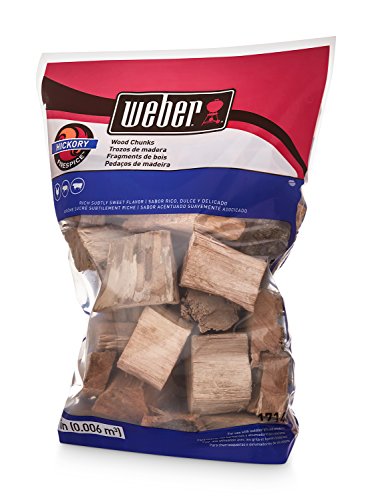
ALL NATURAL HICKORY WOOD CHUNKS: These smoking wood chunks are crafted from 100% hickory hardwood without any harsh chemicals. They naturally enhance chicken, pork, beef, and seafood with a slightly sweet, powerful smoke flavor and a deep color.
Real-World Smoking Techniques and Results
How you execute your smoking technique ultimately determines whether you’ll achieve bacon that’s perfectly balanced or disappointingly flat. Your bacon curing process sets the foundation, but real results come from precise temperature control and smoke generator adjustment.
You’ll find that pellet smokers excel at 325-350°F for 40-45 minutes, rendering fat gradually while maintaining chewiness. If you’re cold smoking, you’ll need three days at 70-90°F with deliberate temperature ramping to reach 150-155°F internally. Hot smoking demands patience—start at 165-200°F for 2-6 hours depending on your desired texture. For best results, use fruit-based wood pellets to enhance the smoky flavor profile of your bacon. Ensure the pork belly reaches an internal temperature of 150°F before removing it from the smoker.
You’ll notice that slower temperatures preserve moisture and concentrate flavors, while higher heats create crispness. Variables like bacon thickness and your smoker’s hot spots require you to monitor closely. For long smoking sessions, wood chunks burn longer than chips and provide more consistent smoke throughout the cook. When selecting pellets for extended smoke times, Lumber Jack Pellets offer minimal ash production and efficient burn rates that maintain consistent heat. Experimenting with different hardwood pellet blends like hickory and apple can help you discover your optimal smoke flavor combination. For beginners seeking a versatile option, cherry wood chips provide a light, sweet, mild-to-medium fruity profile that complements pork without overpowering. If you want more authentic smoke flavor on a pellet grill, consider using a dedicated smoke box to burn lump charcoal or wood chunks alongside your pellets. You’re ultimately balancing smoke infusion with fat rendering for the ideal results.