

You’ll smoke your corned beef at 225–275°F for 2–4 hours, targeting an internal temperature of 160–180°F. This phase develops that signature smoky crust. Then you’ll wrap it in foil and steam until reaching 200–205°F for maximum tenderness. After resting 30–60 minutes, slice against the grain. Total time runs 8–10 hours. The specific techniques that distinguish exceptional pastrami from ordinary smoked meat involve precise temperature management and strategic wrapping methods that we’ll explore further.
Selecting the Right Temperature Range
Because temperature fundamentally dictates both cooking duration and smoke penetration, you’ll need to choose your range based on your desired balance between efficiency and flavor development. At 225°F, you’ll achieve ideal smoke absorption within a 2-4 hour window, requiring approximately 6 hours total to reach 200°F internal temperature. The moderate-high range of 250-275°F reduces time to 2-4 hours while requiring careful humidity control through water pan usage. High-temperature smoking at 275-300°F completes the smoking phase in roughly 2 hours, necessitating follow-up steaming for tenderness. Your temperature monitoring strategy should account for moisture retention—lower temperatures naturally preserve juices, while higher ranges demand active humidity control. The radiant heat from your charcoal or electric heating element works in conjunction with convection to distribute warmth evenly throughout the smoking chamber. For optimal bark development, leaving the top vent open about a quarter of the way on electric smokers can enhance the exterior crust. Maintaining a clean ash catcher and grill interior ensures consistent airflow throughout your smoking session, preventing temperature fluctuations. When the brisket experiences a temperature stall around 150-160°F, wrapping it in foil can help push through this moisture evaporation phase more quickly. Using a meat thermometer to monitor internal temperature throughout the smoking process ensures you achieve the desired doneness without overcooking. Resting your meat after smoking allows connective tissues to break down, ensuring maximum tenderness in the final product. When using a WSM, adjust bottom vents to maintain 250-275°F] temperature range for consistent results throughout the smoking process. Each range produces distinct results; choose based on your time constraints and flavor intensity preferences.

Product Applications: 1650W Universal Electric Heating Element for Electric Smokers and Electric Grills. Compatible with Smoke Hollow, Masterbuilt, Char-Broil, Cuisinart, and Dyna-Glo. Please ensure it matches your model number


【SPECIFICATION】: 120V 15A Analog controller, adjustable Temperature Range: 50F-500F (Depends on the size of your smoker/grill).
Smoking Duration and Internal Temperature Targets
Your chosen temperature range directly determines both how long you’ll smoke the corned beef and which internal temperature milestones you’re targeting. At 225°F, you’re committing to approximately six hours until reaching 160°F, prioritizing smoke penetration techniques for deeper flavor development. Conversely, 275-300°F accelerates the process to 2-3 hours, targeting 170-180°F instead.
You’ll encounter a temperature stall around 160-165°F regardless of heat level. This plateau requires wrapping in foil or steaming to break through without compromising moisture content management. After the primary smoke phase, steam your corned beef to 200°F for ideal tenderness. Proper pellicle formation before the main smoking phase will help develop a better smoke ring and texture. A Big Green Egg smoker with Blues Hog lump charcoal provides reliable temperature control throughout the smoking process. Managing your fire and vents carefully will help you maintain steady heat and prevent the hot spots that can create uneven cooking results. Just as using a meat thermometer ensures safe internal temperatures when grilling burgers, probe the thickest section consistently throughout all phases for accurate pastrami readings. Using apple wood for smoking will impart the most desirable flavor characteristics to your pastrami, offering mild, sweet notes that pair excellently with the savory, spiced profile of pastrami. These precise temperature targets and duration adjustments guarantee you’ll achieve restaurant-quality pastrami results.
Wood Selection and Rub Preparation
The wood you select fundamentally shapes your pastrami’s final flavor profile, requiring careful consideration between mild, balanced, and robust smoke characteristics. Pecan delivers mild, nutty sweetness ideal for cured beef, while oak provides versatile, medium smokiness. Hickory offers classic robustness but demands light application to prevent overpowering your meat. Cherry contributes light fruitiness complementing beef naturally. Top-performing brands like Traeger and Lumberjack offer high-quality hardwood pellets that ensure consistent flavor and minimal ash for superior results. Brands like CookinPellets and Bear Mountain are specifically engineered for low moisture content and high BTU output, delivering bold smoky-sweet flavors that enhance pastrami’s savory profile.
For balanced smoking flavor profiles, combine cherry with oak for sweetness and subtle smokiness, or pair hickory with oak to mellow bold character. Avoid mesquite and maple’s intense profiles. When preparing your wood, always use dry, seasoned wood chips rather than green or soaked options, as this ensures optimal smoke flavor without steaming your pastrami. Remember that softwoods like pine and cedar contain resin that can ruin your meat and damage your smoker. Wood chunks are preferred over chips for longer smoking sessions since chunks burn longer than chips, providing sustained smoke throughout your cook. Pure cherry pellets deliver milder, fruit-forward notes that work exceptionally well with the savory crust of pastrami without overwhelming the cured beef’s natural flavors. Experimenting with wood combinations allows you to discover your preferred pairing woods to meats balance for your specific smoker setup.
Your rub preparation begins with traditional spice blend variations incorporating pickling spices, mustard seeds, crushed garlic, and Prague Powder #1 into a five-day brine. After brining, apply black pepper coating to create pastrami’s signature crust before smoking.
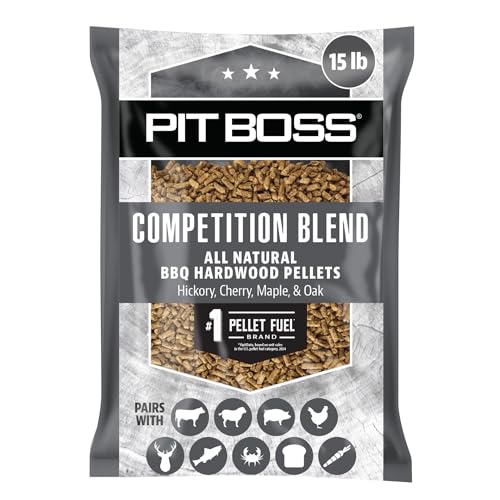
Pit Boss pellets are the #1 pellet fuel brand* Americans trust

HICKORY WOOD FIRED FLAVOR: Traeger Hickory Hardwood Pellets are great for naturally enhancing beef, chicken, pork, and veggies with full-bodied, bold flavor. So it should come as no surprise that Hickory’s assertive flavor is one of the most popular choices for classic BBQ cooking.

100 Percent Hickory Hardwood: Plain hickory and nothing else, so the smoke tastes like the classic BBQ wood you actually asked for instead of a blend built around lower-grade oak filler wood
The Steaming and Wrapping Process
Once you’ve achieved that perfect smoky crust and your brisket’s internal temperature hits 190°F, you’ll move into the critical steaming and wrapping phase that transforms smoked corned beef into authentic pastrami. Immediately wrap your meat in aluminum foil to contain moisture during the subsequent steaming process. You can employ a bamboo steamer, large pot with steamer rack, or Instant Pot with 1 cup water on STEAM setting for two hours. Alternatively, use a traditional bain marie at 200°F for four hours. Maintain one inch clearance between water and steamer rack, replenishing water periodically to prevent evaporation. The steaming process breaks down the remaining connective tissues in the meat, ensuring maximum tenderness. For best results, maintain your steamer at a consistent temperature throughout the process to ensure even cooking. Using a meat thermometer to monitor internal temperature provides accurate results and prevents overcooking. Hardwoods like pecan, oak, or mesquite contribute to the rich smoke flavor that develops during the initial smoking phase. Steaming your pastrami until it reaches 204°F internal temperature ensures ultimate fall-apart goodness and maximum tenderness. Once steaming completes, execute careful foil removal techniques and allow post steaming cooling completely before slicing. This guarantees optimal tenderness and texture in your finished pastrami, which provides lean protein for a nutritious meal.

Time-tested method for creating restaurant-style dishes at home, including dumplings, veggies, and fish
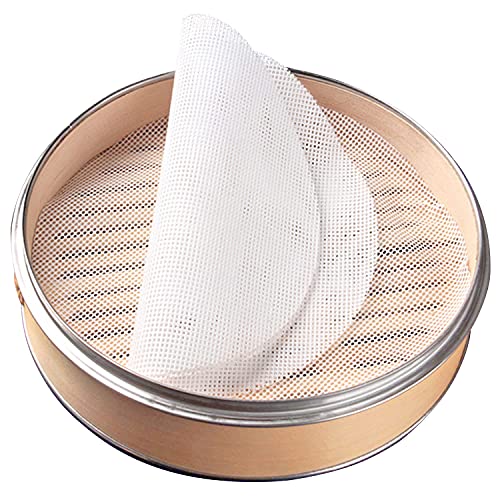
Reusable & Cost-Effective: This set of 4 non-stick silicone liners is made from high-quality, food-grade silicone, designed for long-lasting use and super durability. They can withstand over 5,000 uses, making them the perfect eco-friendly replacement for disposable paper liners. Say goodbye to waste and save money in the long run!

Time-tested method for creating restaurant-style dishes at home, including dumplings, veggies, and fish
Resting and Slicing Your Pastrami
After you’ve completed the steaming phase and carefully unwrapped your pastrami, you’ll want to let it rest before slicing. Allow 45 minutes to one hour for the meat’s fibers to relax, enhancing juiciness and eliminating timing concerns.
Once rested, slice crosswise against the grain at 1/8-inch thickness for ideal tenderness. For post-slice handling, seal presliced pastrami in bags for convenient reheating in simmering water. You can refrigerate sliced pastrami up to 7 days or freeze for extended storage. Resting the pastrami wrapped in butcher paper in an insulated cooler for a couple hours before slicing further enhances tenderness and moisture retention. For the best results, ensure you thin slice the pastrami across the grain to achieve maximum tenderness in every bite.
If you prefer storing unsliced meat, cool it completely, then refrigerate wrapped in plastic and foil for 24-48 hours. This refrigeration duration maintains quality while allowing fibers to fully set before final slicing and serving. When transferring your cooled pastrami, protect your work surfaces with a nonslip backing mat to prevent spills from damaging countertops or floors. Consider placing your cooler or storage containers on a grill mat to protect your kitchen surfaces from any drips or spills during the cooling process. Just as cast iron grill grates require proper seasoning and maintenance to prevent deterioration, proper storage techniques help preserve the quality and texture of your pastrami over time. Additionally, using high smoke point cooking oil when seasoning equipment helps create protective layers similar to how proper storage protects your finished pastrami.